
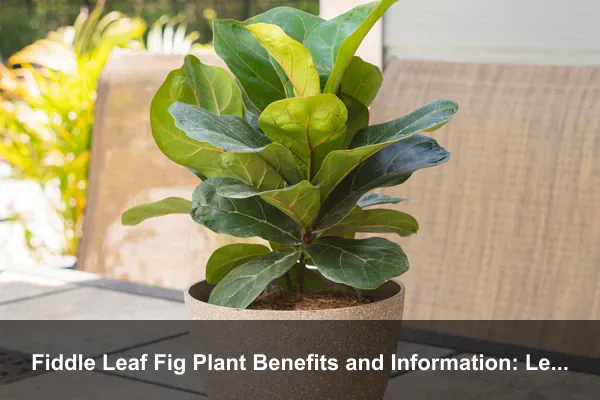
The fiddle leaf fig is one of the most recognizable indoor plants, but its real value goes beyond its dramatic violin-shaped leaves. For many homeowners, this plant becomes a living indicator of indoor conditions: it reacts clearly to light, watering, drafts, humidity, and potting changes. That makes it not only a decorative houseplant, but also a useful guide for creating a healthier and more attentive home environment.
This article explores Fiddle Leaf Fig plant benefits and information from a practical angle: how to read the plant’s leaf signals, where to place it, how to support long-term growth, and how to enjoy its beauty without repeating common care mistakes. If you want a plant that improves the look of a room while teaching you better indoor plant habits, the fiddle leaf fig is a strong choice.
What Is a Fiddle Leaf Fig?
The fiddle leaf fig, botanically known as Ficus lyrata, is a tropical plant native to parts of western and central Africa. In its natural habitat, it can grow into a tall tree, but indoors it is usually kept as a potted ornamental plant. Its large, glossy leaves have a broad shape that resembles a violin or fiddle, which explains its common name.
Indoors, the plant is popular because it creates instant structure. A single well-grown fiddle leaf fig can make a living room, office corner, hallway, or bedroom feel more polished. Unlike small tabletop plants, it has a vertical presence that can fill empty space without requiring a crowded display.
However, this plant is also known for being expressive. It may drop leaves after sudden changes, develop brown edges when conditions are inconsistent, or lean toward light if it is not rotated. These reactions often frustrate new growers, but they are also what make the plant useful. A fiddle leaf fig shows you when the room needs better light balance, steadier watering, or protection from stress.
Quick Botanical Profile
- Common name: Fiddle leaf fig
- Botanical name: Ficus lyrata
- Plant type: Tropical evergreen houseplant
- Main appeal: Large sculptural leaves and strong vertical shape
- Best indoor light: Bright, indirect light with gentle direct morning sun if acclimated
- Care level: Moderate, best for attentive beginners and experienced plant owners
- Pet safety: Toxic if chewed by cats, dogs, or small children
Key Fiddle Leaf Fig Plant Benefits for the Home

When people search for Fiddle Leaf Fig plant benefits and information, they often expect a simple list of advantages. The most honest answer is that the fiddle leaf fig offers both visible and behavioral benefits. It improves how a room looks, encourages mindful routines, and supports a calmer connection with indoor nature.
It Creates Strong Natural Decor
The biggest benefit of the fiddle leaf fig is its design impact. Its upright trunk and oversized leaves provide a natural focal point. This is especially helpful in modern interiors that need softness without adding clutter. A large fiddle leaf fig can balance hard surfaces such as concrete floors, glass tables, metal shelving, and plain white walls.
Because the leaves are broad and architectural, the plant works well with many styles, including minimalist, Scandinavian, tropical, Japandi, urban apartment, and contemporary family homes. In the context of manfaat tanaman, or plant benefits, this visual improvement matters because a pleasant room often feels more comfortable, personal, and restorative.
It Encourages Better Indoor Awareness
A fiddle leaf fig is not a plant you can ignore for months. This may sound like a disadvantage, but it can actually help build better plant-care habits. The plant responds to its surroundings, so you begin to notice practical details such as where sunlight enters, how dry the air feels, whether air conditioning is too close, and how quickly potting mix dries.
Instead of treating plant care as guesswork, the fiddle leaf fig trains you to observe. This habit can improve your success with other houseplants as well.
It Adds a Calming Living Element
Indoor plants are often valued because they bring nature into daily routines. The fiddle leaf fig does this especially well because it is large enough to change the mood of a room. Its broad green leaves can soften a work-from-home corner, make a reading area feel grounded, or give an entryway a welcoming look.
While it should not be described as a medical solution, caring for plants can support relaxation for many people. Watering, dusting leaves, rotating the pot, and watching new growth appear can become simple grounding rituals.
It Helps Define Space Without Furniture
In small homes or open-plan rooms, a fiddle leaf fig can function almost like a soft room divider. Placed near a reading chair, beside a sofa, or at the edge of a dining space, it helps define zones without blocking light or adding heavy furniture.
This benefit is especially useful for apartments, studios, and compact homes where every object needs a purpose. The plant adds height, color, and structure while still feeling lighter than a cabinet or screen.
How to Read Fiddle Leaf Fig Leaf Signals
One of the most useful ways to care for a fiddle leaf fig is to treat its leaves as signals. The plant often shows stress before the problem becomes severe. Learning these signs helps you respond calmly instead of overcorrecting.
Brown Spots on Leaves
Brown spots can come from several causes, so it is important not to assume one answer immediately. Dark, soft brown patches may suggest overwatering or root stress, especially if the potting mix stays wet for many days. Dry, crispy brown edges usually point toward underwatering, low humidity, sun scorch, or inconsistent watering.
Before changing everything, check the soil moisture, light exposure, and recent care history. If the plant was moved, repotted, placed near a hot window, or watered heavily, those events provide clues.
Yellowing Leaves
Yellow leaves often indicate moisture imbalance, low light, or natural aging. If only one lower leaf turns yellow and drops, it may simply be older growth. If several leaves yellow at once, the plant may be sitting in soil that is too wet, receiving too little light, or struggling with poor drainage.
To respond, inspect the pot. Make sure it has drainage holes, the saucer is not holding standing water, and the potting mix is not compacted. A fiddle leaf fig needs moisture, but it also needs oxygen around its roots.
Leaf Drop After Moving
Fiddle leaf figs dislike sudden change. A healthy plant may drop leaves after being moved from a nursery to a home, from one room to another, or from a warm spot to a drafty corner. This does not always mean the plant is dying. It may be adjusting to new light, humidity, and airflow.
The best response is consistency. Avoid moving the plant repeatedly. Choose a suitable location, water only when needed, and give it time to settle.
Leaning Growth
If your fiddle leaf fig leans toward a window, it is reaching for stronger light. Rotate the pot a quarter turn every one to two weeks so growth stays balanced. If the lean is severe, the plant may need a brighter position.
Best Placement for a Healthy Fiddle Leaf Fig

Placement is one of the most important parts of fiddle leaf fig care. Many problems begin when the plant is placed in a dim corner simply because it looks good there. A beautiful placement is only successful if the plant can actually grow in that spot.
Choose Bright, Indirect Light
Fiddle leaf figs prefer bright, indirect light. A position near an east-facing window is often ideal because the plant can receive gentle morning light without harsh afternoon heat. A south- or west-facing window may also work if the plant is set back slightly or protected by sheer curtains.
Low light is a common reason fiddle leaf figs struggle indoors. In dim rooms, growth slows, leaves may yellow, and the plant becomes more vulnerable to overwatering because the soil dries slowly.
Avoid Drafts and Sudden Temperature Changes
Keep the plant away from air-conditioning vents, heaters, frequently opened exterior doors, and cold window glass. Sudden temperature swings can cause leaf drop or stress. The plant prefers stable indoor warmth, similar to the conditions people find comfortable.
Use the Plant as a Room Anchor
Because the fiddle leaf fig has a strong shape, it works best as an anchor plant rather than part of a crowded plant shelf. Good placement ideas include:
- Beside a sofa where the leaves can rise above the furniture line
- Near a reading chair to soften a quiet corner
- In a bright entryway with enough walking space around the pot
- Next to a desk to add greenery without cluttering the work surface
- Beside a media console to balance screens and hard edges
Allow enough space around the leaves so people do not brush past them constantly. Repeated contact can damage foliage and stress the plant.
Watering and Soil Information for Long-Term Growth
Watering is where many fiddle leaf fig problems begin. The plant does not want to be constantly wet, but it also should not be left bone dry for too long. The goal is steady moisture followed by partial drying.
How Often Should You Water?
There is no universal watering schedule because every home is different. Light, pot size, season, humidity, temperature, and soil type all affect drying time. Instead of watering every fixed number of days, check the soil.
As a practical rule, water when the top few centimeters of soil feel dry and the pot feels lighter than it did after watering. When you water, do it thoroughly until excess water drains out of the bottom. Then empty the saucer so the roots are not sitting in water.
Signs You Are Overwatering
- Soil remains wet for a long time
- Lower leaves turn yellow or develop dark spots
- The pot smells sour or swampy
- Leaves drop even though the soil is moist
- Small fungus gnats appear around the potting mix
Signs You Are Underwatering
- Leaves droop and feel slightly limp
- Leaf edges turn dry and crispy
- Soil pulls away from the side of the pot
- Water runs straight through without soaking in
- New growth becomes small or weak
Best Soil Mix
A fiddle leaf fig needs a well-draining potting mix that still holds some moisture. A quality indoor potting mix can work, but it is often improved with added perlite, pumice, orchid bark, or coco chips. These materials create air pockets and reduce the risk of soggy roots.
The pot should always have drainage holes. Decorative cachepots are fine, but the nursery pot inside must be able to drain freely. If you use a decorative outer pot, check that water is not collecting at the bottom after watering.
Leaf Cleaning, Pruning, and Growth Support
Large leaves are one of the plant’s main benefits, but they also collect dust. Dust blocks light and can make the plant look dull. Regular leaf care improves both appearance and plant function.
How to Clean the Leaves
Use a soft damp cloth to wipe each leaf gently. Support the underside of the leaf with one hand while wiping with the other. Avoid harsh leaf-shine products, which can clog leaf surfaces or leave residue. Clean leaves reflect light beautifully and help the plant use available indoor light more effectively.
When to Prune
Pruning helps shape the plant, remove damaged leaves, and encourage branching. The best time to prune is during active growth, usually spring or early summer. Use clean, sharp pruning shears and make cuts above a node.
If your plant is a single tall stem and you want a fuller look, pruning the top can encourage side growth. However, branching is not always instant. The plant needs strong light and good overall health to respond well.
Supporting a Tall Plant
As fiddle leaf figs grow taller, they may need a stake for support. Use a bamboo stake or plant support and tie the trunk loosely with soft plant ties. Do not tie too tightly, because the trunk needs room to expand.
You can also strengthen the trunk by gently shaking it for a few seconds occasionally, imitating natural movement from wind. This should be done carefully and only with a healthy plant.
Fiddle Leaf Fig Safety and Practical Household Considerations
No article about Fiddle Leaf Fig plant benefits and information is complete without safety details. The plant is beautiful, but it is not edible and should be placed thoughtfully in homes with pets or children.
Is Fiddle Leaf Fig Toxic?
Yes. Like many ficus plants, the fiddle leaf fig contains a milky sap that can irritate the mouth, skin, and stomach if chewed or handled carelessly. Cats, dogs, and small children should not be allowed to bite the leaves or stems.
If you have curious pets, place the plant in a room they cannot access or choose a different pet-safe houseplant. If sap touches your skin during pruning, wash the area with soap and water.
Managing Sap During Pruning
When cut, the plant may release white sap. Wear gloves if you have sensitive skin. Wipe sap from the cut area with a damp cloth and protect floors or furniture beneath the plant. Avoid touching your eyes while pruning.
Pot Stability Matters
A tall fiddle leaf fig can become top-heavy. Use a stable pot and avoid placing the plant where it can be knocked over. This is especially important in busy households, narrow hallways, or rooms where children play.
Common Mistakes to Avoid
The fiddle leaf fig has a reputation for being difficult, but many issues come from a few repeated mistakes. Avoiding these problems makes the plant much easier to grow.
Moving It Too Often
Once the plant adjusts to a good spot, leave it there. Frequent moving changes light direction, airflow, and temperature. If you must move it, do so gradually when possible.
Watering on a Calendar
A fixed watering schedule can lead to overwatering in cool or low-light periods and underwatering during warm, bright seasons. Always check the soil before watering.
Ignoring Light Needs
A fiddle leaf fig placed far from windows may survive for a while, but it will rarely thrive. If your room is naturally dark, consider using a grow light or choosing a lower-light plant instead.
Repotting Too Quickly
Do not repot immediately after bringing the plant home unless the soil is severely poor or the roots are in trouble. Let the plant adjust first. Repotting adds another layer of stress.
Seasonal Care Tips for Fiddle Leaf Fig Owners
Seasonal changes affect indoor plants more than many people realize. A care routine that works in July may not work in January. Adjusting care through the year helps prevent stress.
Spring and Summer
During brighter, warmer months, the plant usually grows more actively. It may need more frequent watering and can benefit from diluted fertilizer. This is also the best time for pruning, shaping, and repotting if needed.
Watch for strong afternoon sun through glass, which can scorch leaves. If the plant has not been acclimated to direct light, introduce it slowly.
Autumn and Winter
In cooler months or lower-light periods, growth slows. Water less often because the soil dries more slowly. Keep the plant away from cold drafts and heating vents. If your home becomes very dry, consider grouping plants nearby or using a humidifier.
Do not panic if growth pauses in winter. A healthy fiddle leaf fig may simply be resting until light improves.
Buying a Healthy Fiddle Leaf Fig
Choosing a strong plant from the start reduces future problems. At the nursery or plant shop, inspect the fiddle leaf fig carefully before buying.
What to Look For
- Firm, upright stems
- Leaves with rich green color and no widespread spotting
- No sticky residue, webbing, or visible pests
- Soil that is slightly moist but not soggy
- Roots that are not heavily circling above the soil surface
- A pot with drainage holes
What to Avoid
- Plants with many yellowing lower leaves
- Soft stems or mushy soil
- Large areas of black or spreading brown spots
- Plants displayed in very dark shop corners for a long time
- Specimens with pests under the leaves
After bringing the plant home, give it a stable bright location and avoid repotting or fertilizing immediately. Let it adjust for a few weeks before making major changes.
Is the Fiddle Leaf Fig Right for You?
The fiddle leaf fig is best for someone who enjoys observing plants and can provide bright indoor light. It is not the easiest houseplant, but it is not impossible. The key is consistency.
This plant is a good fit if you want:
- A bold indoor plant with strong decorative value
- A living focal point for a bright room
- A plant that encourages mindful care routines
- A houseplant that can grow tall over time
- A natural way to soften modern interiors
It may not be the best fit if your home has very low light, highly curious pets, frequent cold drafts, or if you prefer plants that tolerate long neglect. In that case, a ZZ plant, pothos, or snake plant may suit your routine better.
Conclusion
The fiddle leaf fig is more than a fashionable houseplant. Its large leaves, upright form, and clear responses to indoor conditions make it both beautiful and informative. By learning its signals, you can understand light, water, humidity, and placement in a more practical way.
For anyone researching Fiddle Leaf Fig plant benefits and information, the most important takeaway is balance. This plant rewards consistency, bright light, careful watering, and patient observation. With the right location and routine, it can become a long-lasting feature in your home while supporting a more thoughtful relationship with indoor greenery.
