
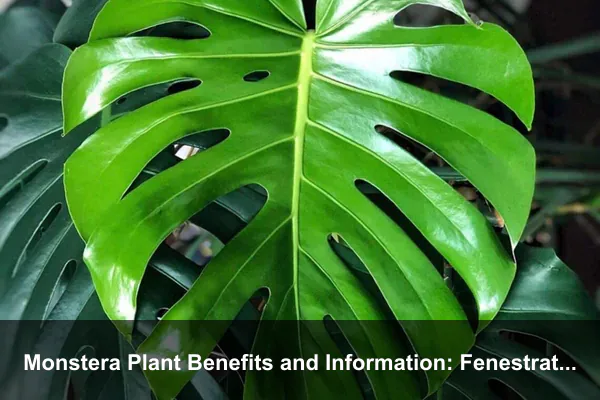
Monstera is one of the most recognizable indoor plants in the world, but its value goes far beyond dramatic leaves. A well-grown Monstera can become a living indicator of light, humidity, space, and long-term plant health inside the home. Understanding Monstera plant benefits and information from this angle helps you treat it less like a decorative object and more like a responsive climbing plant with visible growth signals.
This guide takes a different approach from a basic care manual. Instead of only discussing watering, styling, or safety, it focuses on what Monstera teaches you through its leaves, stems, aerial roots, and changing shape over time. If your interest in Manfaat Tanaman, or plant benefits, includes beauty, indoor comfort, learning, and mindful home routines, Monstera is one of the best houseplants to observe closely.
Why Monstera Deserves a More Observational Guide
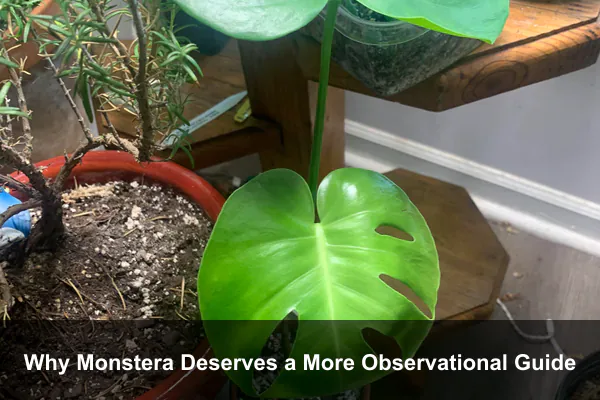
Many people buy a Monstera because they like the split-leaf look. That is understandable, but the real story begins when you notice how the plant changes. New leaves may emerge small and solid, then gradually become larger, glossier, and more fenestrated as the plant matures. This transformation is part of what makes Monstera so rewarding for indoor growers.
More Than a Trendy Leaf Shape
The famous holes and splits, often called fenestrations, are not random decoration. They are part of the plant’s natural growth identity. In tropical forest conditions, Monstera climbs toward brighter light and develops larger leaves as it gains height and support. Indoors, those same signals can help you understand whether the plant has enough light, space, and structure to mature.
Key Monstera Information for Beginners
- Common name: Monstera, Swiss cheese plant, split-leaf Monstera.
- Botanical group: Aroid family, related to pothos, philodendron, and peace lily.
- Growth habit: Climbing vine that benefits from vertical support.
- Best indoor role: Statement foliage plant for bright rooms with filtered light.
- Main appeal: Large leaves, visible growth changes, and architectural presence.
This basic information matters because Monstera often struggles when treated as a compact tabletop plant forever. It naturally wants to climb, lean, stretch, and develop a stronger stem system. When you understand that habit, its benefits become easier to enjoy.
Monstera Plant Benefits Beyond Decoration
The most obvious Monstera benefit is visual impact, but the deeper benefits come from how the plant changes the way a room feels and how you interact with your home environment. It brings scale, texture, rhythm, and a sense of living growth into spaces that may otherwise feel static.
A Strong Biophilic Design Element
Biophilic design is the idea that people often feel better in spaces that include natural forms, organic materials, sunlight, and living plants. Monstera works especially well in this context because its leaves are large enough to influence the visual atmosphere of a room. One healthy plant can soften hard edges, balance modern furniture, and make a corner feel intentional without adding clutter.
A Plant That Encourages Observation
Some houseplants grow quietly in the background. Monstera invites observation. You may notice a rolled new leaf, a stem reaching toward the window, an aerial root looking for support, or a fresh split appearing in a larger leaf. These changes encourage a slower, more attentive relationship with your indoor space.
This is one of the underrated Monstera plant benefits and information seekers should know: the plant can help build better plant-care instincts. Instead of relying only on a calendar, you learn to read signs. That skill can improve the health of other indoor plants too.
Natural Room Presence Without Excess Decor
Because Monstera has a bold silhouette, it can replace several smaller decorative objects. In apartments, offices, and living rooms, this matters. A single well-positioned Monstera can add height, freshness, and structure while keeping the room visually clean.
- It fills empty vertical space without needing shelves or wall art.
- It adds organic movement beside straight furniture lines.
- It creates a softer transition between windows, corners, and seating areas.
- It works well in minimalist, tropical, modern, and natural interiors.
A Conversation Plant With Educational Value
Monstera is also useful for teaching plant biology in a simple, visible way. Children and new gardeners can observe leaf emergence, root growth, climbing behavior, and the difference between juvenile and mature foliage. It turns plant care into a practical lesson about adaptation and growth.
Fenestration: What the Holes and Splits Reveal
Fenestration is one of the most important topics in any serious Monstera guide. The word refers to the natural openings, cuts, or splits that form in mature leaves. For many growers, fenestration is the sign that the plant is thriving, but it should be interpreted carefully.
Juvenile Leaves Are Often Solid
A young Monstera may produce heart-shaped or oval leaves with no holes at all. This is normal. Many new owners worry that a non-split leaf means the plant is unhealthy, but age and maturity are major factors. The plant usually needs time, adequate light, and stable growth before dramatic fenestrations appear.
Light Influences Leaf Development
Bright, indirect light is one of the biggest drivers of larger leaves and stronger fenestration. A Monstera kept in a dim corner may survive, but it often produces smaller leaves with longer spaces between stems. In contrast, a plant near a bright window with filtered sunlight usually has more energy for mature foliage.
The goal is not harsh direct sun all day. Monstera leaves can scorch if exposed to intense afternoon light, especially behind hot glass. The best placement is usually near an east-facing window, a bright north-facing window in warm climates, or several feet back from a strong south or west window with a sheer curtain.
Support Helps the Plant Mature
Monstera is a climber. When it has something to attach to, it can grow more upright and invest energy into larger leaves. A plant left to sprawl may still be attractive, but it often becomes wide, uneven, and harder to manage. A moss pole, coir pole, plank, trellis, or sturdy stake can help guide its natural habit.
When Fewer Holes Are Not a Problem
Not every leaf must be dramatic. Seasonal changes, recent repotting, pruning, lower winter light, or a young cutting can all lead to simpler leaves. Instead of judging one leaf, look at the overall trend. If new growth is gradually larger, greener, and stronger, the plant is moving in the right direction.
The Climbing Growth Habit Explained
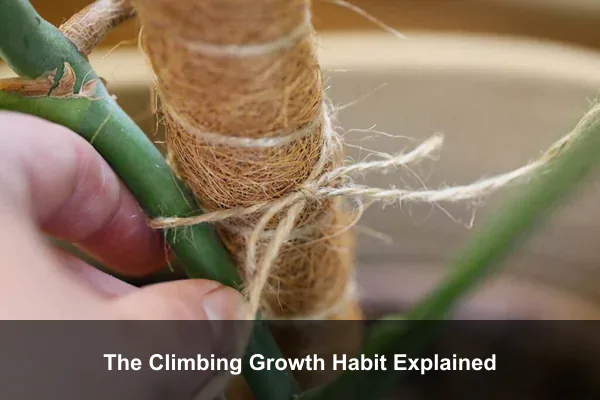
Monstera is often sold as a potted floor plant, but biologically it behaves like a climbing vine. In its natural habitat, it uses aerial roots to grip trees and move upward. Indoors, it tries to do the same thing with walls, poles, furniture, or any nearby surface. Understanding this habit is essential for long-term success.
What Aerial Roots Actually Do
Aerial roots are the brown, cord-like roots that grow from stems above the soil. Many owners think they are ugly or unnecessary, but they have a purpose. They help the plant anchor itself, search for moisture, and stabilize climbing growth. You do not need to cut them unless they are damaged or creating a practical problem.
If you use a moss pole or textured support, you can gently direct aerial roots toward it. Some growers keep the pole lightly moist to encourage attachment, but the main goal is physical support. Aerial roots should not be forced aggressively because they can snap.
Why Upright Growth Is Useful Indoors
Training Monstera upward has several benefits. It reduces the plant’s footprint, keeps leaves facing the light more evenly, and makes mature growth easier to manage. Upright plants are also easier to clean, rotate, prune, and inspect for pests.
- For small rooms: Vertical training saves floor space.
- For large rooms: A taller plant creates a stronger focal point.
- For plant health: Better structure can reduce bent stems and crowded leaves.
- For maintenance: Supported vines are easier to water and reposition.
Choose the Position Before the Pot
Before upgrading to a larger container, decide where the Monstera will live. A mature plant can become heavy and awkward to move. Think about window direction, walking paths, furniture clearance, and whether the plant can grow upward without blocking curtains, doors, vents, or screens.
Practical Indoor Placement by Purpose
Good placement is not only about light. It is also about how the plant supports the purpose of the room. A Monstera in a reading corner has a different job from one in an office, dining area, or entryway. Matching the plant to the room creates a better long-term experience.
For a Living Room
In a living room, Monstera works best as a structural anchor. Place it near a bright window but slightly away from heavy traffic. The large leaves should be visible from the seating area without brushing against people as they walk by. A supported Monstera in a simple pot can make the room feel more complete without adding visual noise.
For a Home Office
In a workspace, Monstera can soften the technical feel of screens, desks, and storage. Position it where you can see the leaves without the plant crowding your chair or blocking task lighting. Its slow visible changes can provide a calming contrast to digital work.
For Small Apartments
Small-space Monstera growing is possible, but it requires planning. Choose a younger plant, train it upward early, and prune strategically. Avoid placing it where every new leaf becomes an obstacle. A narrow vertical support and a stable pot are more useful than a huge container.
For Bright Bedrooms
Monstera can work in a bedroom if there is enough filtered light and enough space around the plant. Keep it away from bedding, heaters, air conditioners, and tight corners with poor airflow. In this setting, its benefit is mostly visual calm and natural texture rather than fragrance or herbal use.
Long-Term Monstera Care as Growth Management
Care is still important, but with Monstera it is better to think in terms of growth management. You are guiding a climbing plant over months and years, not just keeping a leaf display alive for a season.
Water for Root Health, Not Routine
Watering should respond to soil moisture, pot size, light, and season. The top layer of soil should usually dry before watering again, while the deeper root zone should not remain soggy. Constant wetness can reduce oxygen around the roots and lead to decline.
A practical method is to check the top few centimeters of soil with your finger. If it feels dry and the pot is noticeably lighter, water thoroughly until excess drains out. Then empty any saucer so the roots are not sitting in water.
Use a Chunky Potting Mix
Monstera generally prefers an airy mix that holds some moisture but drains well. A useful indoor blend may include potting soil, orchid bark, perlite, coco chips, or similar chunky materials. The exact recipe can vary, but the goal is clear: moisture plus oxygen.
- Too dense: soil stays wet too long and roots may struggle.
- Too dry: water runs through quickly and the plant wilts often.
- Balanced: the mix drains, breathes, and still supports steady growth.
Prune With a Purpose
Pruning is not just cosmetic. It can control size, redirect growth, remove damaged leaves, and create propagation material. Cut near a node if you want to propagate. Remove yellow or damaged leaves when they no longer support the plant. Avoid removing too many healthy leaves at once because they are the plant’s energy source.
Propagation as Sustainable Plant Sharing
Monstera is commonly propagated from stem cuttings that include at least one node. This makes it a good plant for sharing with friends, refreshing an overgrown specimen, or growing a backup plant. Propagation also supports a more sustainable approach to houseplants because healthy cuttings can reduce the need to buy new plants constantly.
Common Misunderstandings About Monstera
Because Monstera is popular, it is also surrounded by half-truths. Clearing up these misunderstandings helps owners make better decisions and prevents frustration.
Myth: More Holes Always Mean Better Health
Fenestration is a sign of maturity and favorable conditions, but it is not the only measure of health. A plant with fewer splits can still be healthy if the leaves are firm, green, and growing steadily. Judge the whole plant, not only the most dramatic leaf.
Myth: A Bigger Pot Always Makes a Bigger Plant
Oversized pots can hold too much moisture and increase root problems. Monstera grows best when the pot is sized for the root system and the soil dries at a reasonable pace. Gradual pot upgrades are usually better than jumping to a very large container.
Myth: Tropical Plants Need Constant Wet Soil
Monstera appreciates humidity and moisture, but it does not want swampy soil indoors. In a pot, roots have less airflow than they would in a natural forest environment. Drainage and oxygen are just as important as water.
Myth: Monstera Is the Same as Split-Leaf Philodendron
The names are often mixed in casual plant shops, but Monstera and philodendron are not the same plant. They may share a family and similar indoor uses, yet their leaf structure, growth patterns, and mature forms differ. For accurate plant information, use the botanical name when possible.
Buying and Choosing a Monstera Responsibly
A good Monstera experience begins before you bring the plant home. Choosing the right size, checking plant health, and thinking about your available space can prevent future problems.
What to Look for Before Buying
- Check leaves for yellowing, mushy spots, or widespread browning.
- Inspect the undersides of leaves and stems for pests.
- Look for firm stems and active growth points.
- Avoid plants sitting in waterlogged soil at the shop.
- Choose a size you can realistically support and move.
Young Plant or Mature Specimen?
A young Monstera is usually cheaper, easier to adapt, and better for learning. A mature specimen gives instant visual impact but can be expensive, heavy, and more sensitive to relocation stress. If you enjoy observing growth, a younger plant may provide more satisfaction over time.
Variegated Monstera Considerations
Variegated forms are attractive, but they need realistic expectations. White or pale leaf sections contain less chlorophyll, so these plants may grow more slowly and require careful light balance. They are often costly, and buying from responsible sellers matters. For most beginners, a standard green Monstera is more forgiving and still highly rewarding.
How Monstera Supports a Healthier Indoor Plant Routine
One of the strongest Monstera benefits is indirect: it helps create better routines. Because the plant grows visibly and responds clearly to conditions, it encourages habits that improve the whole indoor garden.
It Teaches Light Awareness
Monstera shows you how light changes across a room. Leaning stems, smaller leaves, and slow growth can all suggest that the plant needs a brighter position. Once you learn to read those signals, you become better at placing other houseplants too.
It Encourages Regular Plant Checks
Large leaves make it easy to notice dust, pests, new growth, and damage. Wiping leaves occasionally is useful because clean leaves can receive light more effectively. This simple routine also gives you a chance to catch problems early.
It Builds Patience
Monstera does not become a mature statement plant overnight. It asks for patience, especially if you start with a small cutting. Watching each new leaf unfold can make indoor gardening feel more grounded and less disposable.
Frequently Asked Questions About Monstera
Is Monstera good for beginners?
Yes, Monstera can be beginner-friendly if the grower provides bright indirect light, a draining pot, airy soil, and enough space. It is less suitable for people who want a tiny plant that never changes size.
How fast does Monstera grow indoors?
Growth speed depends on light, temperature, support, potting mix, and season. In good conditions, it can produce several new leaves during active growing months. In low light or cooler periods, growth may slow significantly.
Can Monstera live in low light?
It can survive in lower light for a while, but it usually will not thrive there. Leaves may stay smaller, stems may stretch, and fenestration may be limited. Bright filtered light is better for strong growth.
Should I rotate my Monstera?
Rotation can help balance growth, especially if light comes from one direction. However, rotate gradually rather than constantly. If the plant is attached to a support or wall-facing structure, focus on training and pruning instead.
Why are my Monstera leaves dripping water?
This can happen through a process called guttation, especially when soil is moist and humidity is high. Occasional droplets are usually not a concern, but consistently wet soil should be checked to prevent root stress.
Conclusion
Monstera is popular for its dramatic leaves, but its deeper value comes from its growth story. It is a plant that teaches observation, rewards patience, and brings a strong natural presence into indoor spaces. When you understand its climbing habit, fenestration, aerial roots, and placement needs, you can enjoy its benefits with more confidence.
The best way to approach Monstera plant benefits and information is to see the plant as a long-term living companion rather than a fixed decoration. Give it light, structure, breathable soil, and room to mature, and it can become one of the most expressive and educational plants in your home.
