

Snake Plant plant benefits and information are often discussed in simple terms: it is tough, upright, attractive, and easy to keep indoors. Those points are true, but they do not tell the whole story. The real value of a Snake Plant comes from how its structure, roots, water storage, and slow growth work together to make it one of the most practical houseplants for modern homes.
Known botanically as Dracaena trifasciata, and formerly classified as Sansevieria trifasciata, the Snake Plant is more than a decorative plant with sword-shaped leaves. It is a resilient indoor species that rewards careful placement, restrained watering, and a little attention to root health. This guide takes a fresh, evidence-aware look at Snake Plant benefits, realistic air-quality claims, buying tips, potting choices, long-term care, and safe use around people and pets.
Why the Snake Plant Is a Practical Indoor Plant
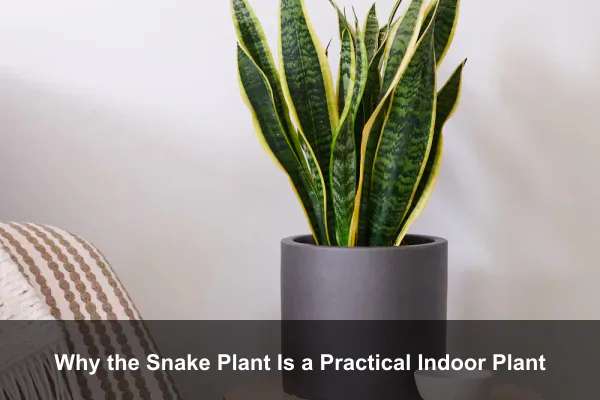
The Snake Plant has become popular because it solves several common indoor gardening problems at once. Many houseplants need steady humidity, frequent watering, bright filtered light, or regular pruning. A Snake Plant usually asks for less. Its thick leaves store moisture, its rhizomes help it recover from short periods of neglect, and its upright shape fits places where wide trailing plants may look messy.
This makes it useful for apartments, offices, rented rooms, entryways, and compact living spaces. It gives a strong vertical green accent without demanding a large footprint. For people who want the benefits of plants but do not want a complicated routine, the Snake Plant is one of the most forgiving choices.
Botanical Identity and Common Names
Snake Plant is commonly called mother-in-law’s tongue, viper’s bowstring hemp, or Sansevieria, although its current botanical placement is in the Dracaena genus. The most familiar type has tall, blade-like leaves with green banding and yellow edges, but there are also compact rosette forms, cylindrical forms, and darker upright cultivars.
Understanding this identity matters because many care guides still use the old Sansevieria name. When shopping for soil, pots, or care advice, you may see both names. They refer to the same broad group of plants commonly sold as Snake Plants.
What Makes Its Growth Habit Different
Unlike many soft-leaved houseplants, the Snake Plant grows from thick underground rhizomes. These rhizomes store energy and produce new leaf shoots. This explains why the plant can sit quietly for weeks and then suddenly push up a new spear. It also explains why a pot can become crowded even when the plant does not look fast-growing above the soil.
The plant’s stiff leaves are built to conserve water. They do not wilt dramatically at the first sign of dryness, which can be helpful for beginners but also misleading. A Snake Plant may look fine even when the soil below is staying too wet. For long-term success, root conditions matter as much as leaf appearance.
Realistic Snake Plant Benefits for the Home
Snake Plant plant benefits and information should be practical, not exaggerated. A Snake Plant will not transform a room into a forest or replace proper ventilation, but it can improve the feel, function, and visual quality of an indoor environment. Its value is strongest when seen as part of a healthier home routine.
Low-Maintenance Greenery
The clearest benefit is low-maintenance greenery. Snake Plants tolerate missed watering better than many common houseplants. They can adapt to moderate light, survive in lower-light rooms for a time, and handle normal indoor humidity. This makes them suitable for busy homeowners, new plant owners, and workplaces where daily plant care is unrealistic.
Low maintenance does not mean no maintenance. The plant still needs a suitable pot, a draining soil mix, and periodic inspection. However, compared with plants that quickly collapse from dry soil, the Snake Plant gives more flexibility.
Strong Visual Structure
The upright leaves create clean vertical lines. This is useful in interiors because it adds height without spreading across tables, shelves, or walkways. A single mature Snake Plant can make a plain corner look intentional, while a smaller cultivar can add structure to a desk or side table.
Its architectural form also pairs well with many design styles. It can look calm in minimalist rooms, crisp in workspaces, warm in natural interiors, and balanced beside wood, stone, rattan, or ceramic surfaces. Because the leaves are patterned, the plant provides visual interest even without flowers.
Better Indoor Plant Habits
Another overlooked benefit is behavioral. A Snake Plant helps people build consistent plant-care habits without becoming overwhelmed. Because it does not need constant attention, owners can learn to check soil moisture, rotate the pot, observe new growth, and clean leaves at a manageable pace.
That routine can make indoor gardening feel less intimidating. Once someone understands how a Snake Plant responds to light, water, and pot size, they are better prepared to care for other indoor plants.
Air Quality: Useful Context Without Overclaiming
Snake Plants are often linked to indoor air improvement because controlled studies have shown that plants can interact with certain airborne compounds under specific conditions. However, a few potted plants in a normal room should not be treated as a substitute for ventilation, filtration, or reducing pollutant sources.
The most accurate way to describe the benefit is this: a Snake Plant can contribute to a fresher, more natural indoor setting, especially when combined with good cleaning habits, fresh airflow, and low-toxin materials. Its leaves may also trap dust on the surface, which is why wiping them occasionally helps the plant look better and function better.
Root-Zone Health: The Key to Long-Term Success
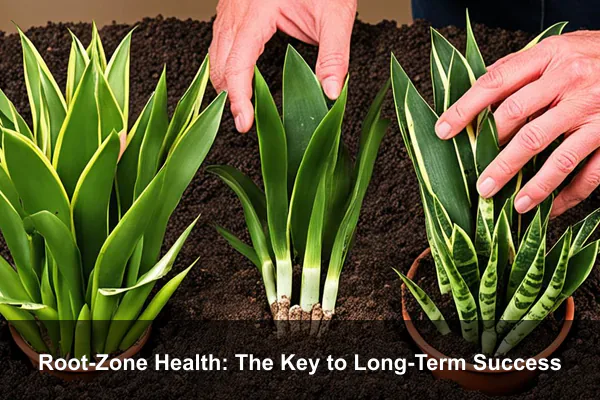
Many Snake Plant problems begin below the surface. The leaves may look sturdy, but the roots and rhizomes are vulnerable to prolonged wetness. If you want the plant to stay attractive for years, focus less on frequent feeding and more on oxygen around the roots.
Why Overwatering Is the Biggest Risk
Snake Plants store water in their leaves and rhizomes, so they do not need constantly moist soil. When the potting mix stays wet for too long, oxygen levels drop around the roots. This creates conditions where root rot can develop. Early signs include soft leaf bases, a sour smell from the soil, yellowing leaves, or leaves that suddenly lean and collapse.
The safest rule is to water only after the soil has dried well below the surface. In many indoor homes, that may mean watering every two to four weeks, but the exact timing depends on light, temperature, pot size, soil mix, and season. A plant in bright indirect light usually uses water faster than one in a dim corner.
Best Soil Texture for Snake Plants
A good Snake Plant mix should drain quickly but still hold a small amount of moisture. A heavy garden soil or dense all-purpose mix can stay wet too long indoors. A better texture is loose, gritty, and airy.
Useful ingredients include:
- Cactus or succulent mix as a simple base for drainage.
- Perlite or pumice to increase air pockets and reduce compaction.
- Coarse bark to improve structure in larger pots.
- A small amount of compost or quality potting mix for gentle nutrition.
The goal is not to create a bone-dry medium, but to prevent the root zone from staying soggy. If water sits on the surface for a long time or the pot feels heavy for many days after watering, the mix may be too dense.
Choosing the Right Pot
Drainage holes are essential. Decorative cachepots are fine, but the inner nursery pot should be able to drain freely. If water collects in the outer pot, empty it after watering. A pot without drainage is one of the fastest ways to damage a Snake Plant.
Terracotta can be helpful because it allows moisture to evaporate through the pot wall. Plastic pots hold moisture longer, which can work if the soil is very free-draining and the owner waters carefully. Ceramic pots are attractive, but weight and drainage should be considered, especially for tall plants that may become top-heavy.
How to Water a Snake Plant Correctly
Watering is where many Snake Plant owners make the most important decisions. A plant that is watered with patience can remain strong for years. A plant watered on a fixed weekly schedule may decline, especially in low light.
The Dry-Down Method
Instead of asking, What day should I water?, ask, How dry is the soil? Insert a finger, wooden skewer, or moisture meter several inches into the mix. If the lower soil is still damp, wait. If the mix is dry through most of the pot, water thoroughly and allow excess water to drain away.
Thorough watering is better than frequent small sips. Small amounts of water can leave parts of the root ball dry while keeping the top layer slightly damp. When you do water, soak the mix evenly, then let it dry again. This cycle matches the plant’s natural preference better than constant moisture.
Seasonal Watering Adjustments
Snake Plants often grow more actively in warmer, brighter months. During that period, they may need water more often. In cooler months or dim rooms, growth slows and water use drops. The same pot that dries in two weeks during summer may take a month or longer in winter.
Air conditioning, heating, and room ventilation also influence drying time. A plant near a bright window may dry faster than one in a shaded hallway. The safest approach is observation rather than habit.
Signs of Water Stress
Underwatering and overwatering can both affect the leaves, but the symptoms differ. Dry stress may cause wrinkled, curling, or slightly folded leaves. Overwatering often causes mushy bases, yellowing, and soft tissue. If the plant is declining, check the roots before adding more water.
Healthy Snake Plant roots are usually firm and light to orange-brown depending on the mix. Rotten roots are soft, dark, slimy, or foul-smelling. If rot appears, remove damaged tissue, repot into a drier mix, and reduce watering frequency.
Light, Placement, and Indoor Performance
Snake Plants are famous for tolerating low light, but tolerance is different from preference. They perform best in bright indirect light, where they can maintain stronger color, firmer growth, and better drying cycles.
Best Light Conditions
Place a Snake Plant near an east-facing window, a bright north-facing window, or a few feet from a south or west window with filtered light. Direct harsh sun can scorch some leaves, especially if the plant was previously grown in shade. However, gentle morning sun is often beneficial.
In very low light, the plant may survive but grow slowly. Water use will decrease, so the risk of overwatering increases. If your Snake Plant is in a dim room, treat it almost like a resting plant: water less, avoid heavy feeding, and watch the soil carefully.
Rotating for Balanced Growth
Snake Plants lean toward light over time. Rotating the pot every few weeks helps keep the leaf fan balanced. This is especially useful for tall cultivars, which can become visually uneven if all new growth reaches in one direction.
If leaves lean because of weak light, moving the plant gradually to a brighter location can help future growth emerge stronger. Existing bent leaves may not fully straighten, but the plant can regain a better shape over time.
Placement Mistakes to Avoid
Avoid placing Snake Plants in cold drafts, directly beside heaters, or in bathrooms with poor light and constantly damp air. While they can handle normal indoor humidity, they do not need the wet conditions that tropical ferns enjoy. A dry, bright, stable location is often better than a humid but dark corner.
Also avoid narrow areas where leaves are frequently bumped. The leaves are tough, but damaged tips and cracks do not heal perfectly. A spot with enough clearance helps preserve the plant’s clean shape.
Buying a Healthy Snake Plant
Choosing a strong plant at the beginning prevents many future problems. Because Snake Plants can hide stress for a while, inspect carefully before buying.
What to Check at the Store
Look for firm leaves, clean bases, and steady upright growth. Avoid plants with mushy sections, blackened leaf bases, foul soil odor, or heavy wet soil that feels compacted. A few dry leaf tips are not always serious, but soft yellow leaves near the soil line are a warning sign.
Check the pot size as well. A slightly snug Snake Plant is normal, but an extremely crowded pot may need repotting soon. If roots are circling tightly or pushing the plant out of the pot, plan for a careful upgrade after the plant adjusts to your home.
Acclimating After Purchase
After bringing a Snake Plant home, give it time to adjust before making major changes. Place it in suitable light, keep it away from other plants for a short observation period, and avoid watering immediately unless the soil is truly dry. Many store plants are already watered heavily before sale.
Wait a few weeks before fertilizing or repotting unless there is a clear problem such as rot, pests, or a broken pot. This calm transition reduces stress and gives you time to understand how quickly the soil dries in your home.
Nutrition, Cleaning, and Maintenance
Snake Plants are not heavy feeders. In fact, too much fertilizer can cause weak growth or salt buildup in the soil. A restrained approach is usually best.
Fertilizer Basics
Use a balanced houseplant fertilizer at half strength during active growth, usually spring through early fall. Feeding once every one to two months during this period is enough for most indoor plants. Do not fertilize heavily in winter or when the plant is in very low light.
If the soil has been in the pot for several years, refreshing the mix may be more useful than adding more fertilizer. Old potting mix can compact, hold salts, and drain poorly.
Leaf Cleaning
Dust can dull the leaves and reduce their ability to receive light. Wipe leaves gently with a damp cloth every few weeks or whenever they look dusty. Avoid heavy leaf-shine products, which can leave residue and make the plant look artificial.
While cleaning, inspect for pests, cracks, soft spots, and leaning leaves. This small routine helps you catch problems early, before they spread through the plant.
Pruning and Removing Damaged Leaves
Snake Plants do not need regular pruning, but damaged leaves can be removed at the base with clean scissors or pruners. Remove leaves that are badly broken, rotting, or visually distracting. Cutting a leaf tip will not restore the natural point, so full-leaf removal often looks cleaner for serious damage.
If only a small dry tip is present, you can leave it alone. Minor cosmetic flaws are normal and do not harm the plant.
Propagation and Repotting Without Waste
Propagation is one of the most satisfying Snake Plant benefits for indoor gardeners. A healthy mature plant can be divided into smaller plants, shared with friends, or used to refresh a crowded pot.
Division Is the Most Reliable Method
Division keeps the plant’s leaf pattern most reliably, especially for variegated types with yellow margins. Remove the plant from its pot, separate sections with roots and rhizomes attached, and repot each division into a suitable mix. Let any cut surfaces dry briefly before watering lightly.
This method is practical because each division already has roots. It also helps reduce crowding in the original pot.
Leaf Cuttings
Snake Plants can also grow from leaf cuttings. A healthy leaf is cut into sections and placed in water or soil until roots and new shoots form. However, variegated cultivars may lose their yellow edge when propagated this way. Leaf cuttings are slower than division, but they can be useful if a leaf breaks or you want to experiment.
When to Repot
Repot when the plant is badly root-bound, dries too quickly, becomes unstable, or shows rhizomes pressing hard against the pot. Choose a new pot only one size larger. Oversized pots hold excess soil, which can stay wet and increase rot risk.
Repotting every two to three years is often enough for indoor Snake Plants. The best time is during active growth, when the plant can recover more easily.
Safety Around Pets and Children
Snake Plants should be treated as decorative plants, not edible plants. They contain compounds that can irritate the mouth and digestive system if chewed. This matters for homes with curious pets, toddlers, or children who touch plants frequently.
Pet Safety
Cats and dogs may experience drooling, vomiting, or stomach upset after chewing Snake Plant leaves. The plant is usually not attractive as food, but some pets chew houseplants out of curiosity or boredom. Place the plant out of reach if your pet is known to nibble leaves.
If a pet eats part of the plant and shows symptoms, contact a veterinarian or pet poison helpline for guidance. Do not rely on home remedies for poisoning concerns.
Household Handling
For adults, normal handling is generally simple: wash hands after pruning, keep cut plant material away from food prep areas, and discard damaged leaves responsibly. If you have sensitive skin, wearing gloves during division or repotting is a sensible precaution.
Common Problems and Quick Solutions
Even a resilient Snake Plant can develop problems when conditions are off. The good news is that most issues have clear causes.
Yellow Leaves
Yellow leaves often point to excess water, poor drainage, cold stress, or root damage. Check the soil and roots before adding fertilizer. If the base is soft, remove affected parts and repot into a better-draining mix.
Brown Tips
Brown tips can come from irregular watering, mineral buildup, physical damage, or very dry air near heaters. Trim only if necessary, and focus on consistent care. Use filtered or rested water if your tap water is very hard.
Leaning Leaves
Leaves may lean because of low light, crowded roots, unstable potting mix, or rot at the base. If the leaf is firm and healthy, improve light and rotate the pot. If it is soft at the bottom, inspect for rot.
No New Growth
Slow growth is normal, especially in low light or cool weather. If the plant has not grown for many months, increase light gradually, check whether the roots are crowded, and feed lightly during the growing season.
How to Use Snake Plants in a Healthier Home Routine
The best way to appreciate Snake Plant plant benefits and information is to connect the plant to everyday living. Instead of treating it as a miracle air purifier, use it as a durable part of a cleaner, calmer, greener room.
For example, place one near a reading chair to soften hard lines, beside a desk to add visual rest, or in an entry area where an upright plant will not block movement. Pair it with good ventilation, regular dusting, and mindful product choices. In this context, the Snake Plant supports a healthier environment without being asked to do impossible work.
It also fits low-waste plant care. Because it lives for years, divides easily, and does not require frequent replacement, it can be a sustainable houseplant choice. Reusing pots, sharing divisions, and refreshing soil only when needed all reduce waste while keeping the plant healthy.
Conclusion
Snake Plant plant benefits and information are most useful when they are realistic. This plant is valuable because it is resilient, attractive, space-efficient, and forgiving. It brings structure to indoor rooms, supports beginner-friendly plant habits, and can contribute to a fresher home atmosphere when combined with sensible ventilation and cleaning routines.
The most important care lesson is simple: protect the roots. Give the plant bright indirect light when possible, use a draining pot and airy soil, water only after the mix dries well, and avoid treating low maintenance as no maintenance. With that approach, a Snake Plant can remain a dependable indoor companion for many years while offering practical beauty, easy propagation, and steady green value in the home.
