

Boston Fern plant benefits and information are often discussed in simple terms: soft green fronds, classic indoor beauty, and a reputation for loving humidity. Yet this fern can be understood more usefully as a living microclimate plant. It responds quickly to light, moisture, airflow, room materials, and daily routines, making it valuable not only as decoration but also as a practical guide for creating a more comfortable indoor environment.
Known botanically as Nephrolepis exaltata, the Boston Fern has arching fronds made of many small leaflets that give rooms a relaxed, layered texture. For readers interested in Manfaat Tanaman, or plant benefits, this fern offers a clear example of how ornamental greenery can support calmer spaces, better care habits, and more thoughtful home design without relying on exaggerated health claims.
What Makes the Boston Fern Different from Many Houseplants?

The Boston Fern is not a woody indoor tree, a succulent, or a thick-leaved tropical vine. It is a fern, which means it has a different growth habit, different moisture needs, and a different visual effect from many popular houseplants. Its fine, feathery foliage creates movement and softness, especially in rooms with hard floors, metal fixtures, glass, or plain walls.
Unlike plants that tolerate long dry periods, Boston Ferns prefer steady conditions. This makes them less suitable for people who want a completely hands-off plant, but very useful for people who enjoy observing small changes. When the plant is happy, the fronds look full, springy, and evenly green. When the room becomes too dry or the soil stays wrong for too long, the plant shows it through crisp tips, shedding leaflets, or dull growth.
Basic Boston Fern Information
- Botanical name: Nephrolepis exaltata
- Common name: Boston Fern or sword fern
- Plant type: Evergreen fern, commonly grown as a houseplant
- Best indoor light: Bright indirect light or gentle filtered light
- Preferred moisture: Evenly moist, not soggy
- Best use: Shelves, plant stands, hanging baskets, shaded patios, and soft indoor corners
Key Boston Fern Plant Benefits for Everyday Living
The most realistic Boston Fern benefits are connected to visual comfort, indoor awareness, and lifestyle design. It is important to be accurate: one houseplant will not purify an entire home or replace ventilation, cleaning, humidity control, or safe building materials. However, Boston Ferns can still improve how a space feels and how people interact with their indoor environment.
Softens Hard Interior Spaces
Modern homes often contain hard lines: flat walls, square furniture, tile, electronics, and artificial lighting. Boston Ferns add a different kind of texture. Their curved fronds break visual stiffness and create a softer transition between furniture and empty wall space. This is especially helpful in apartments, work corners, entry areas, and small rooms where there is limited space for large decor.
Encourages Better Indoor Habits
A Boston Fern rewards regular observation. Checking the soil, rotating the pot, removing dry fronds, and noticing leaf color can encourage more mindful routines. This benefit is easy to overlook, but it matters. A plant that asks for light awareness and steady watering can help people become more attentive to room conditions, rather than treating indoor spaces as static containers.
Adds Non-Flowering Greenery
Not every room needs colorful flowers or strong fragrance. Boston Ferns provide a rich green presence without perfume-heavy blooms. This makes them appealing for people who prefer quiet, foliage-based design. Their value comes from texture, volume, and freshness rather than seasonal flowers.
Boston Fern as a Microclimate Indicator
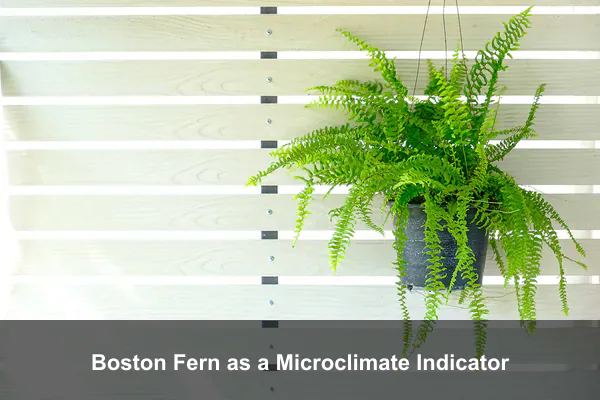
One unique way to understand Boston Fern plant benefits and information is to treat the plant as a microclimate indicator. A microclimate is the small climate of a specific area, such as the corner near a window, the space beside an air conditioner, or a shelf above a heater. Boston Ferns often reveal these subtle differences before people notice them.
What Fronds Can Tell You
Boston Fern fronds can give practical clues about the room. Crispy brown tips may suggest dry air, inconsistent watering, harsh sun, or heat exposure. Pale or stretched growth may point to insufficient light. Sudden leaflet drop may happen when the plant is moved into a drier or draftier place. Yellowing can be linked to overwatering, poor drainage, old fronds, or stress from changing conditions.
These signs do not diagnose a room perfectly, but they help you ask better questions. Is the plant close to an air vent? Does the pot dry quickly on hot afternoons? Is water sitting in the saucer? Is the window too bright at midday? This makes the Boston Fern useful as a living feedback tool.
Best Rooms for Microclimate Use
- Living room: Use it to soften furniture edges and test bright indirect light zones.
- Bedroom: Place it where it can add calm greenery without blocking movement.
- Kitchen corner: Keep it away from direct heat, grease, and strong cooking fumes.
- Shaded porch: Use it seasonally where wind and sun are filtered.
- Work area: Let the fronds add visual relief near screens without crowding devices.
Health, Wellness, and Safety: What to Believe
Boston Ferns are often promoted for air quality, relaxation, and wellness. Some of these claims can be helpful when explained carefully, while others are overstated. The most responsible approach is to appreciate the plant as part of a healthier environment, not as a medical or technical solution.
Indoor Air Claims in Perspective
Boston Ferns, like many plants, participate in natural gas exchange and can collect some dust on their foliage. However, normal homes are much larger and more complex than laboratory chambers. Ventilation, source control, cleaning, and humidity management remain far more important for indoor air quality. The fern can support a cleaner-looking, fresher-feeling space, but it should not be treated as an air purifier.
Visual Calm and Biophilic Design
Where Boston Ferns shine is in biophilic design, which means bringing natural patterns into built spaces. The repeated leaflets, green color, and arching form can create a restful visual rhythm. For many people, looking at living greenery during breaks feels more restorative than staring at blank walls or cluttered surfaces.
Pet and Family Considerations
Boston Ferns are commonly considered a pet-safer houseplant choice compared with many toxic ornamentals. Still, pet-safe does not mean snack-safe. Chewing can damage the plant and may upset a pet’s stomach. Place the fern where curious pets and small children are less likely to pull fronds, dig soil, or knock over the pot.
How to Choose a Healthy Boston Fern
Buying well is part of long-term plant success. A full, inexpensive fern may look attractive at the store, but it should still be checked carefully. Avoid choosing only by size. Look for balance, root condition, frond quality, and signs of stress.
Buying Checklist
- Choose fronds that are evenly green, flexible, and full.
- Avoid plants with large amounts of brown, dry, or shedding foliage.
- Check the underside of fronds for pests or sticky residue.
- Look for a pot with drainage holes.
- Inspect the soil; it should feel slightly moist, not sour, swampy, or bone dry.
- Choose a plant size that fits your real space, not just the largest one available.
A compact but healthy fern is often better than a huge stressed one. Once brought home, give it a stable location for a few weeks before making major changes. Boston Ferns can react to sudden shifts in light, humidity, and watering habits.
Boston Fern Care Essentials for Long-Term Value
The best way to enjoy Boston Fern benefits is to keep the plant stable. Its care is not complicated, but it does require consistency. Think of the goal as even comfort: bright but gentle light, moist but airy soil, humidity without stagnation, and grooming without overhandling.
Light
Boston Ferns prefer bright indirect light. A spot near an east-facing window, a filtered south-facing room, or a bright space protected by sheer curtains can work well. Direct hot sun can scorch fronds, while deep shade can make growth thin and weak.
Watering
Keep the soil lightly and evenly moist. Water when the top layer begins to feel slightly dry, then let excess water drain away. Do not leave the pot sitting in water for long periods. Both drought and waterlogging can cause stress, so the middle ground matters.
Humidity
Boston Ferns appreciate higher humidity, but humidity should be managed sensibly. Grouping plants, using a pebble tray, placing the fern in a naturally humid room, or running a humidifier can help. Good airflow is still important because stale dampness can encourage problems.
Soil and Potting
Use a light, moisture-retentive potting mix that still drains well. A mix that holds some water but does not become compacted is ideal. Repot only when needed, such as when roots crowd the pot or water runs through too quickly. Oversized pots can stay wet for too long.
Styling Boston Ferns Without Making Care Harder
Boston Ferns are often styled in hanging baskets, pedestal planters, and elevated shelves. These placements show off the arching fronds, but they can also make watering harder. A beautiful location is only practical if you can reach the plant, check the soil, and remove dry leaflets easily.
Smart Placement Ideas
- Plant stand near a window: Good for airflow, visibility, and easy watering.
- Hanging basket in filtered light: Excellent for frond shape, but use a secure hook.
- Low shelf with space around it: Works for compact ferns and small apartments.
- Shaded porch in warm seasons: Gives a classic look if wind and direct sun are controlled.
Avoid placing Boston Ferns above electronics, directly under vents, beside heaters, or in narrow walkways where fronds will be brushed constantly. Repeated contact can break leaflets and make the plant look tired.
Common Problems and Practical Fixes
Boston Fern problems are usually connected to water, light, humidity, or sudden change. Instead of reacting with random fertilizer or heavy pruning, identify the most likely cause first.
Brown Tips
Brown tips often come from dry air, uneven watering, too much direct sun, or mineral buildup. Trim only the worst tips if needed, then improve watering consistency and move the plant away from harsh light or heat.
Yellow Fronds
Yellowing may be natural if old outer fronds are aging. Widespread yellowing, however, can suggest overwatering, poor drainage, or low light. Check the pot before adding more water.
Leaflet Drop
Leaflet drop is common when a Boston Fern dries too much or experiences a sudden environmental change. Remove fallen debris from the soil surface, stabilize moisture, and avoid moving the plant repeatedly.
Thin Growth
Thin, weak growth often means the plant needs brighter indirect light. Move it gradually rather than shifting it into direct sun. New growth should become fuller when light and watering are balanced.
Low-Waste and Sustainable Boston Fern Care
A useful plant should not create unnecessary waste. Boston Fern care can be made more sustainable with simple choices: buy a healthy plant, reuse durable pots, water thoughtfully, and avoid disposable decorative containers that trap water without drainage.
Better Care Habits
- Use a washable saucer instead of relying on plastic wrap around nursery pots.
- Refresh only part of the potting mix when the plant does not need a full repot.
- Compost healthy trimmed fronds if local composting rules allow it.
- Choose long-lasting plant stands, hooks, and baskets.
- Avoid overfertilizing, which can waste product and stress the plant.
These small decisions keep the plant’s decorative value connected to responsible home gardening. In the context of Manfaat Tanaman, the benefit is not only what the plant gives to people, but also how people learn to care for living things with less waste.
Who Should Grow a Boston Fern?
A Boston Fern is a good match for people who like regular plant interaction. It is especially suitable for someone who enjoys checking soil, grooming leaves, and adjusting placement based on seasonal changes. It may not be the best first choice for someone who travels often, forgets watering for weeks, or has very dry indoor air and no plan to improve it.
Best For
- Plant owners who enjoy observing daily changes.
- Homes with bright indirect light.
- Rooms that need soft, non-flowering greenery.
- People who prefer classic, natural decor.
- Houseplant keepers interested in microclimate awareness.
Less Ideal For
- Very dark rooms with no grow light.
- Homes where indoor air is extremely dry year-round.
- People who want a plant that thrives on neglect.
- Locations with strong direct afternoon sun.
- High shelves that make watering and cleanup difficult.
Conclusion: A Classic Fern with Practical Modern Value
Boston Fern plant benefits and information become more meaningful when the plant is viewed as more than a decorative basket of greenery. Its real value lies in softening indoor spaces, encouraging attentive care, supporting biophilic design, and revealing small changes in home microclimates. It brings beauty, but it also teaches observation.
For the best results, give your Boston Fern bright indirect light, steady moisture, breathable soil, and a location you can care for easily. Do not expect it to solve indoor air problems by itself, but do let it become part of a healthier, calmer, and more nature-connected home routine. With realistic expectations and consistent care, this fern remains one of the most useful classic houseplants for modern living.
