
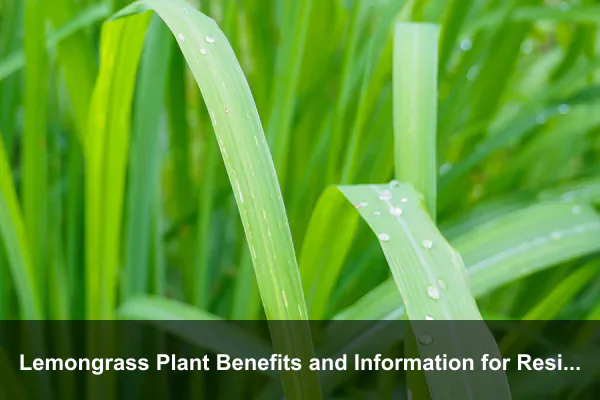
Lemongrass is often introduced as a kitchen herb, but its value in the garden goes far beyond flavor. With tall, narrow leaves, a clean citrus scent, and a clumping growth habit, this tropical grass can help shape outdoor spaces that are practical, fragrant, and visually organized. For gardeners interested in lemongrass plant benefits and information, one of the most useful angles is its role as a living border, pathway edge, wind-softening screen, and low-waste herb plant for warm-season landscapes.
In the context of manfaat tanaman, or plant benefits, lemongrass is a strong example of a plant that supports daily life in more than one way. It can contribute aroma, edible stems, garden structure, seasonal biomass, and sensory value. This guide looks at lemongrass as a resilient garden border plant: how it grows, where it fits, what benefits it offers, and how to use it thoughtfully without exaggerating its abilities or ignoring practical limits.
Why Lemongrass Works Well as a Living Garden Border
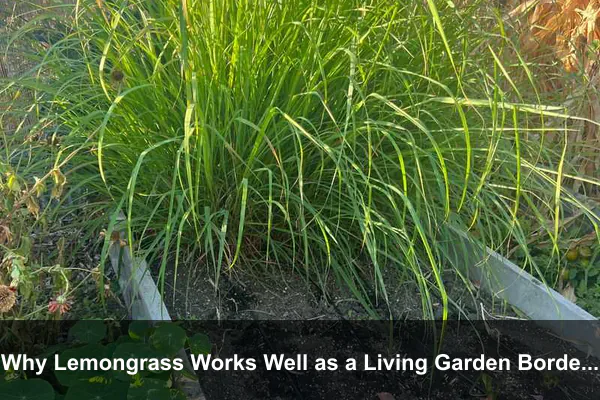
Lemongrass has a natural upright form that makes it useful for defining edges. Unlike sprawling herbs that creep into paths or low groundcovers that disappear under taller plants, lemongrass grows in dense clumps with arching blades. This shape gives it a clear presence without needing constant clipping into a formal hedge.
In warm climates, mature clumps can become broad enough to mark the edge of a vegetable bed, patio, herb garden, or walkway. In cooler regions, lemongrass can still be grown as a seasonal border in containers or annual beds. Its vertical leaves bring movement and texture, especially when planted in repeating groups.
A Soft Barrier Without a Harsh Look
Many garden borders rely on stone, metal, wood, or plastic edging. Those materials can be useful, but they do not offer fragrance, harvestable stems, or seasonal organic matter. Lemongrass creates a softer boundary. It guides the eye and helps separate zones while still looking alive and natural.
This makes it especially valuable in informal gardens, edible landscapes, tropical-style yards, sensory gardens, and small outdoor spaces where every plant needs to justify its place. A row of lemongrass can separate a seating area from a vegetable patch, frame a sunny entrance, or give structure to a mixed herb bed.
Useful Height Without Dense Shade
Lemongrass can become tall, but its narrow leaves allow some filtered light through. This is different from broadleaf shrubs that may cast heavier shade. When placed carefully, lemongrass can soften wind and add privacy while still keeping a light, airy feeling in the garden.
It is best used where nearby plants can tolerate partial movement, shifting light, and some root competition. Avoid placing small seedlings directly under mature clumps, because the base of lemongrass can become dense and competitive.
Essential Lemongrass Plant Information
Lemongrass usually refers to species in the Cymbopogon genus, especially Cymbopogon citratus, which is widely used in cooking and herbal traditions. It is a tropical perennial grass in warm climates and a warm-season annual or container plant in colder climates.
The plant forms tight clumps rather than spreading by aggressive runners like some grasses. This clumping habit is one reason it works well in designed beds. It expands slowly outward from the crown, so it is easier to manage than plants that travel underground across the garden.
Key Growing Traits
- Growth habit: Upright, clumping grass with long aromatic leaves.
- Best light: Full sun for strongest growth and fragrance.
- Soil preference: Fertile, well-drained soil with steady moisture.
- Climate: Perennial in warm, frost-free regions; seasonal or container-grown in cold regions.
- Harvest part: The lower stalks are most commonly used for cooking, while leaves may be used for fragrance or infusions when appropriate.
- Main sensory feature: A lemon-like aroma due to natural plant compounds, especially citral.
What Lemongrass Is Not
Good SEO content should be accurate, not inflated. Lemongrass is not a cure-all, and it should not be presented as a guaranteed pest shield, disease treatment, or replacement for medical care. Its scent may be pleasant to people and may discourage some insects in certain situations, but simply growing lemongrass in a garden does not create complete mosquito protection.
The real strength of lemongrass is more practical: it is useful, aromatic, attractive, harvestable, and structurally strong in the right conditions.
Benefits of Lemongrass in Garden Design
The most distinctive benefit of lemongrass as a border plant is that it combines function and beauty. It does not simply fill space. It can organize a garden, supply fresh stalks, produce mulch material, and add a clean scent when leaves are brushed or cut.
1. It Creates Clear Garden Zones
In edible gardens, boundaries matter. A clear edge makes it easier to walk, weed, water, harvest, and plan crop rotations. Lemongrass can help divide spaces without making the garden feel rigid. A few clumps at the ends of beds can act like visual punctuation, while a longer row can frame a path or patio.
This is especially helpful in gardens that mix vegetables, herbs, flowers, and ornamental plants. Lemongrass gives the eye a repeating shape, making the whole area look more intentional.
2. It Adds Fragrance to High-Traffic Areas
Planting lemongrass near a path, gate, or seating space allows people to notice its aroma naturally. The leaves release scent when moved, brushed, or trimmed. This makes lemongrass a strong choice for sensory gardens and everyday outdoor routines.
For best results, place it where people can enjoy the scent without constantly stepping on the plant. The leaves can have sharp edges, so keep mature clumps slightly back from narrow paths.
3. It Offers Harvestable Value
The thick lower stalks of lemongrass are valued in soups, curries, teas, marinades, and broths. A border planting can become a practical source of fresh stems, especially in warm climates where the plant grows vigorously. Instead of separating ornamental and edible areas, lemongrass allows the border itself to become productive.
Harvesting also helps manage plant size. Removing outer stalks encourages a cleaner clump and keeps older growth from becoming too congested.
4. It Produces Useful Organic Matter
Trimmed lemongrass leaves can contribute to the garden as coarse organic material. When chopped and dried, they may be used around non-sensitive areas as part of a mulch routine. They can also be composted, although tough leaves break down faster when cut into smaller pieces.
This is a low-waste benefit. The plant gives more than edible stems; it also supplies seasonal biomass that can be returned to the soil system.
How to Place Lemongrass for the Best Results
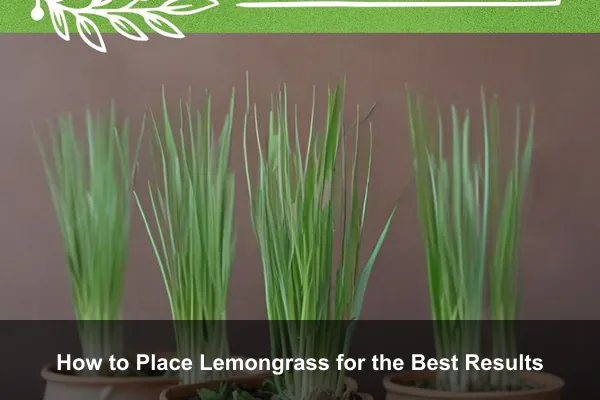
Placement determines whether lemongrass becomes a garden asset or a maintenance problem. Because mature clumps can become large, gardeners should think about future size before planting. A small starter plant may look harmless, but in a warm, sunny, fertile spot, it can quickly become a bold feature.
Best Places to Use Lemongrass
- Along sunny garden paths where the scent can be enjoyed.
- At the corners of raised beds to create visual anchors.
- Near patios, outdoor kitchens, or seating areas with enough clearance.
- In large containers on balconies, decks, and paved spaces.
- As a soft screen around compost areas or utility corners.
- In mixed herb gardens with rosemary, basil, chili, ginger, or turmeric in suitable climates.
Places to Avoid
- Deep shade, where growth becomes weak and sparse.
- Waterlogged soil, which can encourage root problems.
- Very narrow walkways, because the leaves may brush against legs.
- Small mixed pots with delicate herbs, because lemongrass can dominate root space.
- Cold exposed sites if frost protection is needed.
Spacing Guidelines
For a border effect, space lemongrass plants according to how dense you want the planting to become. In many home gardens, spacing plants about 60 to 90 cm apart gives each clump room to mature while still creating a repeated rhythm. In containers, use one plant per large pot rather than crowding multiple clumps together.
If the goal is a light accent rather than a full border, plant lemongrass as individual clumps at key points. This approach works well in small gardens because it provides structure without overwhelming the layout.
Growing Lemongrass as a Low-Waste Border Plant
A low-waste garden is not only about recycling materials. It is also about choosing plants that offer several benefits from the same space. Lemongrass fits this idea because it can serve as a border, herb, fragrance plant, and source of compostable material.
Soil Preparation
Lemongrass grows best in soil that holds some moisture but drains well. Before planting, improve poor soil with compost or well-rotted organic matter. Heavy clay can be loosened with organic amendments, while very sandy soil benefits from compost that improves water retention.
Avoid planting directly into compacted ground. Roots need oxygen as well as water, and compacted soil slows growth. If the site is hard, loosen the planting area wider than the root ball so new roots can spread.
Watering Routine
Young lemongrass needs consistent moisture while establishing. Once mature, it can handle short dry periods better than many soft herbs, but it performs best with regular watering. Border plantings near paving may dry out faster because hard surfaces reflect heat.
Water deeply rather than giving frequent shallow splashes. Deep watering encourages stronger roots and helps the plant cope with hot weather.
Feeding and Mulching
Because lemongrass produces many leaves, it appreciates nutrient-rich soil. Compost, worm castings, or a balanced organic fertilizer can support steady growth. Mulch around the base helps conserve moisture and reduce weed pressure, but keep mulch slightly away from the crown to prevent excess dampness.
If you harvest often, feed lightly during the growing season. Productive plants need resources to replace removed stalks and leaves.
Harvesting Without Weakening the Plant
Harvesting lemongrass correctly keeps the plant productive and attractive. The goal is to remove mature outer stalks while protecting the central growing point. This method supports continuous growth and prevents the border from looking ragged.
How to Harvest Stalks
- Choose firm, mature outer stalks that are thick enough for use.
- Hold the stalk near the base and cut it close to the soil with a clean knife or pruners.
- Remove dry outer layers before using the tender inner section.
- Leave younger central shoots in place so the clump can keep growing.
- Trim damaged leaves after harvest to maintain a tidy shape.
When to Harvest
In warm climates, lemongrass can often be harvested repeatedly during the active growing season. In cooler climates, harvest before cold weather damages the leaves. Container plants brought indoors for winter should be harvested more lightly, because growth slows in lower light.
Do not strip a young plant too early. Let it establish a strong root system before taking regular harvests.
Safety, Sensible Use, and Household Considerations
Lemongrass is widely used as a culinary herb, but sensible use still matters. People can react differently to herbs, especially in concentrated forms. Fresh culinary use is very different from using essential oil, which is highly concentrated and should be handled with care.
For Food and Tea
Use clean, pesticide-free stalks if the plant is intended for food or drink. Wash harvested material well, remove tough outer layers, and use appropriate amounts in recipes. If you are pregnant, nursing, taking medication, or managing a health condition, ask a qualified health professional before using lemongrass medicinally.
For Pets and Children
Place lemongrass where children and pets will not chew large amounts of leaves. The leaf edges can be rough, and concentrated plant material may upset sensitive stomachs. If pets show unusual symptoms after eating any plant, contact a veterinarian.
Essential Oil Caution
Lemongrass essential oil is not the same as a fresh garden stalk. It should not be swallowed casually, applied undiluted to skin, or used around pets without reliable guidance. Garden articles sometimes blur the difference between the plant and the oil; keeping that distinction clear helps readers use lemongrass safely.
Common Problems in Lemongrass Borders
Lemongrass is generally sturdy, but border plantings face stress from heat, crowding, poor drainage, and overharvesting. Watching the plant’s appearance helps you correct problems early.
Dry Brown Leaf Tips
Brown tips may come from underwatering, wind exposure, low humidity, or natural aging. Trim dry tips if they bother you, but also check soil moisture. If the plant is in a pot, it may need a larger container or more consistent watering.
Weak, Floppy Growth
Floppy growth often means too little sun or overly lush growth from excess nitrogen. Move container plants to brighter light and avoid overfeeding. In garden beds, prune surrounding plants if they are shading the lemongrass.
Rot at the Base
A soft or unpleasant-smelling base may signal poor drainage or overwatering. Remove damaged sections, improve drainage, and avoid piling wet mulch against the crown. In containers, make sure drainage holes are open and the potting mix is not compacted.
Overcrowded Clumps
Mature lemongrass can become congested. Dividing the clump every few years keeps it vigorous and gives you new plants for other parts of the garden. Divide during warm weather when the plant can recover quickly.
Design Ideas for Lemongrass in Different Spaces
Lemongrass can be adapted to many garden styles as long as it receives sun and enough root room. Its simple form makes it easy to combine with both edible and ornamental plants.
Small Patio Garden
Use one large pot of lemongrass as a vertical accent near a seating area. Pair it with compact herbs in separate containers so each plant has the right soil and watering routine. A container also makes it easier to move the plant if weather changes.
Raised Bed Corners
Plant lemongrass at the outer corners of raised beds to create structure. This works especially well when the center of the bed changes seasonally with vegetables or annual herbs. The lemongrass provides continuity while other crops rotate.
Tropical-Style Border
Combine lemongrass with ginger, turmeric, canna, banana, or ornamental sweet potato in warm climates. The contrast between narrow grass blades and broad tropical leaves creates depth and movement. Keep enough spacing so air can circulate between plants.
Kitchen Garden Edge
Use lemongrass near ingredients that pair well with it, such as chili, basil, coriander, and leafy greens. This creates a practical cooking garden where harvests feel intuitive. Keep the lemongrass at the back or edge so it does not shade smaller herbs.
Frequently Asked Questions About Lemongrass Plant Benefits and Information
Is lemongrass better in the ground or in a pot?
Both methods can work. In warm climates, in-ground planting allows larger growth and stronger border effects. In cooler climates or small spaces, containers offer more control and make winter protection easier.
Does lemongrass repel mosquitoes?
Lemongrass contains aromatic compounds associated with citrus-like scent, but the living plant alone should not be treated as reliable mosquito control. It may contribute fragrance to a garden, yet effective mosquito management requires removing standing water, using screens, wearing protective clothing, and following local health guidance.
Can lemongrass be grown indoors?
Lemongrass can grow indoors if it receives very bright light, warmth, and enough container space. However, it usually performs better outdoors during warm seasons. Indoors, it may become thinner if light is limited.
How often should lemongrass be divided?
In strong growing conditions, division every two to three years may help maintain vigor and manage size. Container plants may need division sooner if roots fill the pot.
Is lemongrass beginner-friendly?
Yes, lemongrass is beginner-friendly when grown in sun, warmth, and well-drained soil. The main challenges are cold weather, insufficient light, and containers that are too small.
Conclusion
Lemongrass deserves attention not only as a flavorful herb but also as a practical garden design plant. Its upright clumps, citrus aroma, harvestable stalks, and ability to define space make it especially useful for resilient garden borders. When planted with enough sun, room, moisture, and drainage, it can support both beauty and everyday function.
The most realistic view of lemongrass plant benefits and information is also the most helpful: lemongrass is not magic, but it is highly useful. It can organize a garden, enrich sensory spaces, provide fresh kitchen harvests, and contribute organic matter back to the soil. For gardeners who want plants with multiple benefits, lemongrass is a smart choice for borders, patios, raised beds, and warm-season herb gardens.
