
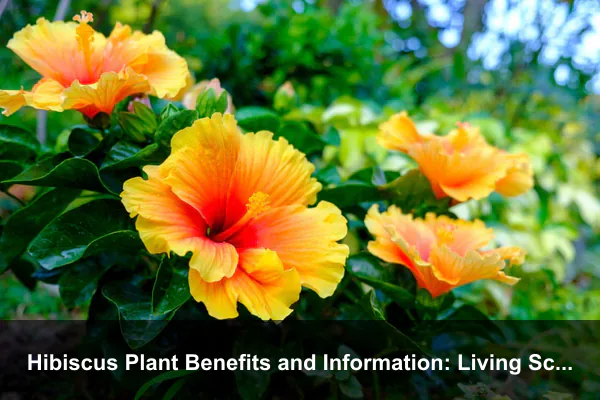
Hibiscus plant benefits and information often focus on the flower first, and that makes sense: few garden plants create such bold color with so little effort. But hibiscus is more than a decorative bloom. In the right setting, it can work as a living screen, a heat-tolerant landscape anchor, a source of edible color, and a practical plant for homes that want beauty with everyday usefulness.
This guide takes a distinct look at hibiscus as a multifunctional garden plant. Instead of treating it only as a tea plant or a flowering shrub, it explains how hibiscus can support privacy, seasonal design, small-space gardening, climate-smart planting, and responsible home use. If you enjoy the broader idea of manfaat tanaman, or the practical benefits of plants in daily life, hibiscus is one of the most rewarding flowering plants to understand.
What Makes Hibiscus a High-Value Landscape Plant?
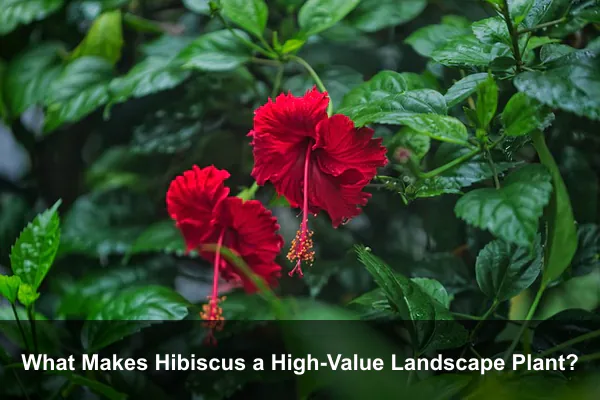
Hibiscus belongs to a large group of plants known for trumpet-shaped flowers, fast growth, and strong visual impact. Depending on the species and climate, hibiscus may grow as a compact container plant, a medium shrub, a tall hedge, or a seasonal perennial that dies back and returns. This flexibility is one reason it appears in tropical gardens, cottage borders, edible landscapes, and sunny patios.
The main value of hibiscus comes from how many roles it can play at once. A single plant can soften a bare wall, create color near an entryway, mark a garden boundary, attract attention to a seating area, and provide leaves or calyces for certain traditional uses when the plant type is correctly identified. That combination makes hibiscus especially useful for gardeners who want more from their space than decoration alone.
Not All Hibiscus Plants Are the Same
When discussing hibiscus plant benefits and information, the first important point is identification. The name hibiscus can refer to many different plants. Tropical hibiscus, often grown for large glossy flowers, is different from hardy hibiscus, which handles colder winters in many regions. Roselle, also called Hibiscus sabdariffa, is commonly associated with edible red calyces. Some native hibiscus species are valued for ecological planting and wet-soil tolerance.
Because of these differences, the best hibiscus for one garden may not be the best for another. A patio gardener may prefer a compact tropical variety in a container. A homeowner seeking a seasonal screen may choose a vigorous shrub form. Someone interested in edible harvests should focus on correctly sourced edible types rather than assuming every ornamental hibiscus is suitable for the kitchen.
Why Hibiscus Fits Practical Home Gardens
Hibiscus stands out because it gives quick visual results. Many shrubs take years to feel established, but hibiscus often fills space faster when given sun, warmth, fertile soil, and steady moisture. Its bold foliage and large flowers make even a young plant look intentional. For new gardeners, that visible response can make plant care easier to understand because the plant quickly shows when it is thriving or stressed.
In warm climates, hibiscus can function almost like garden architecture. It can frame a path, hide a fence, soften a corner, or create a colorful privacy layer. In cooler climates, container-grown hibiscus can bring a tropical feeling to patios during warm months and then move indoors or into protected storage when temperatures fall.
Practical Benefits Beyond Ornamental Flowers
The most obvious hibiscus benefit is beauty, but its practical value goes further. A well-placed hibiscus can improve the way a home garden feels, not just how it looks. Its growth habit, color, leaf mass, and seasonal rhythm can help shape outdoor rooms, reduce visual harshness, and make sunny areas more comfortable.
A Living Screen for Privacy and Soft Boundaries
One of the most useful hibiscus roles is as a living screen. In suitable climates, shrub hibiscus can be planted along fences, patios, or property edges to create privacy without the hard feeling of a wall. The plant does not simply block views; it adds movement, texture, and seasonal flowers, making the boundary feel alive.
For best results, hibiscus used as a screen should be spaced according to mature size rather than planted too tightly. Crowded plants may look full at first, but poor airflow can increase pest and disease pressure. A healthier approach is to allow enough spacing for air movement while using layered planting, such as lower herbs or groundcovers, to fill visual gaps near the base.
Color That Helps Organize the Garden
Hibiscus flowers are large enough to act as visual signals. Bright red, coral, yellow, pink, white, or orange flowers can guide the eye toward an entrance, seating area, or focal point. This makes hibiscus useful in garden design, especially when a yard feels flat or unplanned.
A simple design strategy is to repeat hibiscus color in smaller accents nearby. For example, a red hibiscus near a gate can be balanced with red-toned foliage, clay pots, or warm-colored annuals. This creates a coordinated look without turning the garden into a formal design project.
Cooling Effect Through Leaf Mass
Hibiscus is not a substitute for a shade tree, but its leafy growth can soften heat around walls, paved edges, and exposed patios. Plants cool spaces through shade, moisture movement, and visual comfort. A hibiscus hedge beside a hot fence can make an outdoor area feel less harsh, especially when combined with mulch and other layered plants.
This benefit is strongest when hibiscus is planted where it can grow well. A stressed plant with sparse leaves will not provide the same comfort as a healthy, full shrub. Good soil preparation, consistent watering, and thoughtful pruning all help hibiscus maintain the leaf density that makes it valuable in warm home landscapes.
Low-Waste Garden Value
Hibiscus also supports a low-waste approach to gardening. Pruned stems can sometimes be used for propagation, fallen leaves can contribute to compost when disease-free, and flowers may be used in crafts or natural color projects depending on the type. This does not mean every part of every hibiscus should be consumed, but it does mean the plant offers more than a short-lived display.
For gardeners who like useful plants, hibiscus fits well beside culinary herbs, fruiting shrubs, and fragrant flowers. It brings the visual drama that many edible gardens lack while still keeping a practical role in the landscape.
Choosing the Right Hibiscus for Your Space
Choosing hibiscus starts with climate, space, and purpose. A plant bought only for flower color may disappoint if it grows too large, dislikes the local winter, or needs more sun than the site provides. A better approach is to match the plant type to the job you want it to do.
Tropical Hibiscus
Tropical hibiscus is commonly grown for glossy leaves and large, vivid flowers. It performs best in warm conditions and usually needs protection from frost. In cold-winter regions, it is often treated as a patio plant that spends summer outdoors and winter in a bright protected place.
This type is ideal for containers, entryways, sunny balconies, and seasonal color displays. It can also work as a hedge in frost-free climates. Its main needs are strong light, regular moisture, and feeding during active growth.
Hardy Hibiscus
Hardy hibiscus is suited to gardeners who want dramatic flowers in regions with cold winters. Many hardy types die back in winter and regrow from the base in spring. Their flowers can be enormous, creating a bold summer display without requiring year-round tropical conditions.
Hardy hibiscus works well in perennial borders, rain garden edges, and sunny beds where seasonal change is welcome. Because it may emerge later than other perennials, gardeners should mark its location to avoid disturbing the roots during spring cleanup.
Roselle and Edible-Oriented Hibiscus
Roselle is often grown for its red calyces, which are used in beverages, preserves, sauces, and traditional foods in many regions. It is a warm-season plant and usually needs a long growing period to produce well. For edible use, it is important to buy seeds or plants labeled specifically as roselle or another edible hibiscus type.
This distinction matters because ornamental hibiscus plants may be treated with pesticides or bred for appearance rather than food use. If your goal is edible harvest, choose food-safe sources, avoid chemical sprays not labeled for edibles, and confirm the plant identity before using any part in the kitchen.
Container or Ground Planting?
Container hibiscus offers flexibility. You can move the plant for better light, protect it from cold, and use it as a seasonal design feature. The tradeoff is that pots dry out faster and roots have limited space. Ground-planted hibiscus can become larger and more stable, but it requires a suitable permanent location.
For small spaces, choose a container with drainage holes, a quality potting mix, and enough weight to keep the plant stable. For hedges or landscape shrubs, prepare the planting area with organic matter and mulch rather than relying only on fertilizer after planting.
Climate-Smart Hibiscus Care for Strong Growth
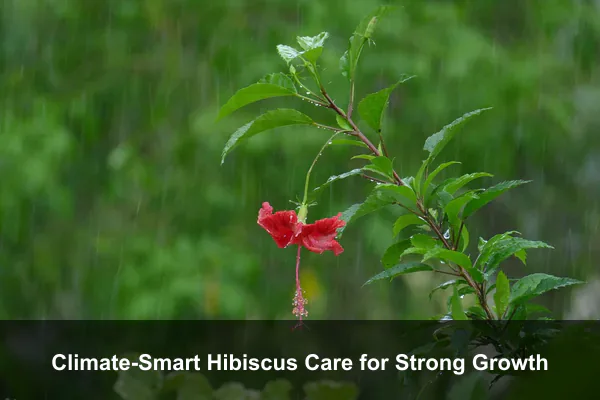
Hibiscus care is not complicated, but it does reward consistency. The plant grows best when sunlight, water, soil, and pruning work together. A hibiscus that receives bright light but dries out severely may drop buds. A plant with rich soil but poor drainage may suffer root stress. Good care is about balance.
Light Requirements
Most hibiscus plants flower best with plenty of sun. In many gardens, at least six hours of direct light supports strong blooming. In very hot climates, afternoon shade can reduce stress, especially for container plants on paved patios. If a hibiscus has healthy leaves but few flowers, insufficient light is often one of the first issues to check.
Indoor overwintering is different from outdoor growing. A hibiscus brought inside for cold protection may survive in bright light but bloom less. That is normal. The goal during winter protection is often maintenance rather than heavy flowering.
Watering Without Overwatering
Hibiscus prefers even moisture, especially during active growth and flowering. However, constantly soggy soil can damage roots. The best watering routine depends on weather, container size, soil texture, and plant maturity. Rather than watering on a rigid schedule, check the soil and respond to actual moisture levels.
- For containers: water when the upper layer begins to dry, and make sure excess water drains freely.
- For ground plants: water deeply so moisture reaches the root zone, then allow the soil surface to breathe.
- During heat: increase monitoring because large leaves and flowers can lose moisture quickly.
- During cool weather: reduce watering because growth slows and soil stays wet longer.
Soil and Mulch
Hibiscus grows best in fertile, well-drained soil with enough organic matter to hold moisture without becoming waterlogged. Mulch is especially helpful because it moderates soil temperature, reduces evaporation, and protects shallow roots from stress. Keep mulch slightly away from the stem base to prevent rot.
For container hibiscus, use a potting mix rather than heavy garden soil. A good mix should drain well but not dry into a hard block. If water runs straight through the pot without soaking the root ball, the mix may be too dry or compacted and should be rehydrated carefully.
Feeding for Flowers and Foliage
Hibiscus is a relatively hungry plant during active growth. Balanced feeding can support leaves, stems, and flowers. Too much nitrogen may encourage leafy growth at the expense of blooms, while poor nutrition may result in pale leaves and weak flowering. Use a fertilizer appropriate for flowering plants and follow label directions carefully.
Organic gardeners can improve soil with compost, aged manure where appropriate, and mulch that breaks down over time. The goal is steady fertility, not sudden force. Healthy hibiscus growth comes from a complete care system rather than one strong feeding.
Pruning for Shape and Airflow
Pruning helps hibiscus stay useful in the landscape. For a hedge, pruning encourages branching and density. For a container plant, it prevents legginess and keeps the plant balanced. For older shrubs, selective pruning removes weak, crossing, or congested stems.
Avoid removing too much growth at once unless the plant type and season support harder pruning. Light, regular shaping is often better than waiting until the plant becomes oversized. Clean tools also matter because pruning cuts can spread disease if tools are dirty.
How to Use Hibiscus in Edible, Ornamental, and Wellness-Focused Gardens
Hibiscus fits especially well in gardens designed for both beauty and usefulness. It can stand beside herbs, vegetables, citrus, fragrant plants, and seating areas without feeling out of place. The key is to use the correct hibiscus type for the intended purpose and to keep expectations realistic.
Edible Color With Correct Identification
Some hibiscus types are associated with edible leaves, flowers, or calyces, but correct identification is essential. Roselle is the best-known edible hibiscus for tart red calyces. In some cultures, young leaves of certain hibiscus relatives are also used as vegetables. However, ornamental nursery plants should not automatically be treated as food plants.
If you want edible hibiscus, start with seeds or plants sold for edible use. Grow them away from ornamental chemical sprays, harvest clean material, and introduce any new food in moderate amounts. This careful approach keeps hibiscus useful without turning garden enthusiasm into unsafe guesswork.
Natural Color and Craft Uses
Hibiscus flowers and roselle calyces can provide rich red or pink tones for craft experiments, natural coloring, and homemade projects. Results vary depending on plant type, pH, freshness, and preparation method. This makes hibiscus interesting for families, schools, and gardeners who enjoy hands-on plant learning.
Natural color projects are also a good way to appreciate plant benefits beyond consumption. Even when you do not use hibiscus medicinally or as food, it can still become part of creative household routines.
Wellness Value Without Overclaiming
Hibiscus is often discussed in wellness contexts, especially as an herbal beverage. However, a responsible article should avoid treating hibiscus as a cure. The safer way to understand its wellness value is broader: it encourages gardening, outdoor time, sensory enjoyment, seasonal awareness, and more plant-based routines at home.
People who are pregnant, nursing, taking medication, managing blood pressure, or living with a medical condition should speak with a qualified healthcare professional before using hibiscus preparations regularly. This is especially important for concentrated products or daily herbal routines.
Design Ideas for Home Landscapes and Small Spaces
Hibiscus can look formal, tropical, relaxed, or edible-garden friendly depending on how it is placed. The same plant that feels bright and playful in a patio pot can look elegant when repeated along a walkway. Design success comes from matching growth habit, color, and maintenance level to the space.
Entryway Feature Plant
A hibiscus in a large pot near the front door creates immediate color and a welcoming focal point. Choose a pot that is wide enough to balance the top growth and heavy enough to resist tipping. Pair the hibiscus with simple lower plants rather than too many competing flowers, so the main bloom remains the focus.
Backyard Living Screen
For privacy, plant hibiscus where it can grow into a loose screen without blocking airflow completely. This is useful around patios, outdoor dining areas, and garden seating corners. A mixed screen with hibiscus, evergreen shrubs, and textured foliage plants often looks more natural than a single-species wall.
Edible Landscape Accent
Roselle can be placed near herbs, vegetables, and fruiting plants to add height and color. Its red stems and calyces make edible gardens look more ornamental. This helps solve a common problem: food gardens can become visually plain after harvest, but hibiscus keeps the area lively.
Balcony and Patio Use
On balconies, hibiscus needs sun, stable containers, and regular watering. It can act as a privacy plant when placed near railings, but wind exposure should be considered. If a balcony is very windy, choose a compact variety and use a heavy pot to reduce stress on stems and roots.
Common Problems and Simple Fixes
Hibiscus is generally manageable, but it communicates stress quickly. Yellow leaves, bud drop, sticky residue, and poor flowering are common concerns. The good news is that most issues improve when the basic growing conditions are corrected.
Yellow Leaves
Yellow leaves can result from overwatering, underwatering, sudden temperature change, low nutrition, or natural aging. Check the whole plant before reacting. A few older yellow leaves are normal. Widespread yellowing, especially with wet soil, suggests root stress. Yellowing with dry soil and wilting suggests lack of water.
Bud Drop
Bud drop is frustrating because the plant appears ready to bloom and then loses flowers before they open. Common causes include inconsistent watering, heat stress, moving the plant suddenly, pest pressure, or insufficient light. Container plants are especially prone to bud drop when soil moisture swings from dry to soaked.
Aphids, Whiteflies, and Scale
Hibiscus can attract sap-sucking pests. Look for sticky leaves, distorted new growth, tiny insects under leaves, or small bumps along stems. Early action is easier than waiting for a heavy infestation. Rinse leaves, prune badly affected tips, improve airflow, and use appropriate insecticidal soap or horticultural oil when needed, following product directions.
Few or No Flowers
If hibiscus grows leaves but does not bloom well, review sunlight, fertilizer, pruning time, and pot size. Too little light is a common reason. Heavy nitrogen feeding can also push foliage instead of flowers. Severe pruning at the wrong time may remove developing buds, depending on the plant type.
Seasonal Hibiscus Maintenance Plan
A simple seasonal rhythm makes hibiscus easier to manage. Exact timing varies by climate, but the following plan works as a practical framework for many home gardeners.
- Early growing season: inspect the plant, remove dead or weak stems, refresh mulch, and begin feeding when active growth starts.
- Mid growing season: water consistently, monitor pests, prune lightly for shape, and remove spent flowers or damaged growth.
- Late growing season: reduce heavy pruning, harvest edible roselle calyces if growing the correct type, and prepare containers for weather changes.
- Cool season or dormancy: protect tropical hibiscus from frost, reduce watering, pause heavy feeding, and keep overwintered plants in bright conditions.
- Before the next season: repot crowded container plants, improve soil, and decide whether the plant should remain a specimen, hedge, or edible landscape feature.
This maintenance plan is useful because hibiscus problems often come from neglecting timing. Feeding when the plant is not actively growing, pruning just before expected bloom, or leaving containers exposed to cold can reduce performance. Seasonal awareness keeps care simple and effective.
Safety and Responsible Use
Hibiscus is widely grown, but responsible use matters. Gardeners should separate ornamental value from edible or herbal use. A plant can be beautiful and still not be appropriate for consumption if its identity, treatment history, or species is uncertain.
- Confirm plant identity before using any hibiscus for food or herbal preparations.
- Avoid consuming treated ornamentals unless they were grown with food-safe practices.
- Use moderation with edible or herbal hibiscus products, especially if you are new to them.
- Check pet and child access if plants are placed indoors, on patios, or near play areas.
- Seek medical guidance before regular hibiscus use if you take medication or have a health condition.
These cautions do not reduce the value of hibiscus. They simply help gardeners enjoy the plant intelligently. The best plant benefits come from correct use, good identification, and care that respects both people and the plant.
Conclusion
Hibiscus plant benefits and information should include more than flowers. Hibiscus can be a living screen, a patio focal point, a heat-softening shrub, an edible landscape accent, a source of natural color, and a strong seasonal design tool. Its usefulness depends on choosing the right type, giving it sun and steady care, and understanding the difference between ornamental and edible hibiscus.
For gardeners who want beauty with practical value, hibiscus is a smart plant to consider. It brings bold color, fast visual impact, and flexible uses in both large gardens and small spaces. With thoughtful placement and responsible use, hibiscus becomes more than a pretty bloom. It becomes a hardworking part of a healthier, more useful home landscape.
