
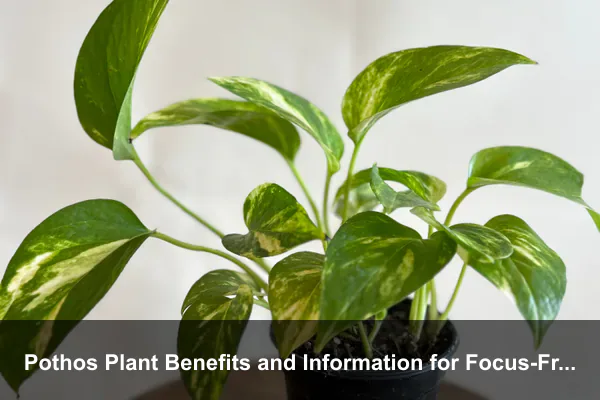
Pothos is often described as an easy houseplant, but its real value goes beyond simple survival. For people who work, study, cook, read, or relax indoors, pothos offers a practical way to bring living greenery into daily routines without demanding expert-level plant care. This guide explores Pothos plant benefits and information through a distinct angle: how this adaptable vine can support calmer, more focus-friendly indoor spaces.
Also known as devil’s ivy, pothos is popular because it grows in many home conditions, tolerates missed watering better than many tropical plants, and looks good in small apartments, offices, kitchens, shelves, and bright corners. While no houseplant should be treated as a medical solution or a replacement for ventilation, a healthy pothos can add visual comfort, routine, texture, and natural appeal to rooms where people spend many hours.
Why Pothos Works Well in Busy Indoor Spaces
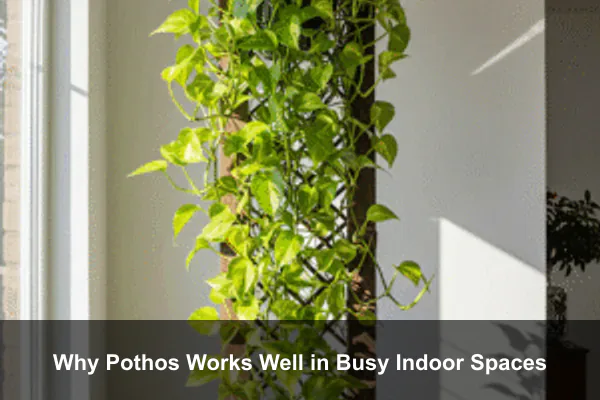
Pothos suits modern indoor life because it is flexible. It does not need a large floor area, a complicated setup, or constant attention. Its trailing stems can be placed on a shelf, trained around a support, or allowed to soften the edge of a desk or cabinet. This makes it especially useful in compact homes and work areas where every surface matters.
The plant’s heart-shaped leaves create a gentle natural pattern that can make a room feel less harsh. In spaces filled with screens, straight lines, and artificial materials, even one living plant can make the environment feel more balanced. This is one reason pothos remains a favorite for home offices, bedrooms, study corners, and shared living spaces.
Key Pothos Plant Benefits for Everyday Life
Visual calm without complicated maintenance
One of the most practical pothos plant benefits is visual calm. Green foliage can make an indoor space feel softer and more settled. Pothos is especially helpful because it gives that effect without the fragile reputation of some decorative plants. It can look full, fresh, and attractive with a simple care rhythm.
Realistic air-quality support
Pothos is frequently mentioned in conversations about indoor air. It is true that plants interact with their environment, but it is important to keep claims realistic. A pothos plant may contribute to a fresher-feeling room, especially when paired with clean surfaces, open windows when possible, and proper airflow. However, it should not be marketed as a complete air purifier. Think of pothos as part of a healthier indoor habit, not a replacement for ventilation or filtration.
A low-pressure plant for beginners
Pothos gives beginners room to learn. If you are still building confidence with houseplants, this plant is forgiving enough to teach watering, light placement, pruning, and observation without punishing every small mistake. That makes it useful for people who want the benefits of indoor plants but do not want a demanding routine.
Essential Pothos Information Before You Buy
Botanical profile
Pothos is commonly sold under the botanical name Epipremnum aureum. It is a tropical climbing vine known for glossy, heart-shaped leaves. Indoors, it usually grows as a trailing or climbing houseplant. In ideal outdoor tropical conditions, it can become much larger, but indoor pothos stays manageable with regular trimming.
Growth habit and appearance
The plant grows from long vines with leaves spaced along each stem. This growth habit makes pothos useful for vertical or hanging displays. Some types have plain green leaves, while others show yellow, white, or light green variegation. More variegated plants usually need brighter indirect light to keep their patterns strong.
Best indoor uses
- Desk corners: Adds greenery without taking much space.
- Bookshelves: Softens hard edges and brings height variation.
- Kitchen counters: Adds freshness when kept away from heat and heavy splashes.
- Hanging planters: Lets vines trail naturally without cluttering surfaces.
- Office shelves: Creates a calmer background for long work sessions.
How to Use Pothos in Focus-Friendly Rooms
Near work zones
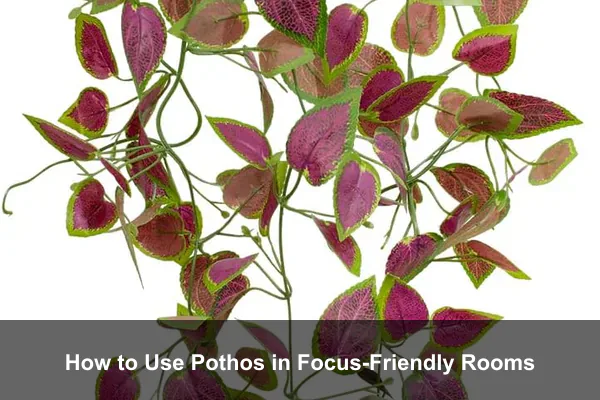
Place pothos where it is visible but not distracting. A shelf beside your desk, the far corner of a work table, or a wall-mounted planter can give you the benefit of greenery without crowding your keyboard, documents, or tools. The goal is to create a quiet natural cue in the room, not a messy plant display.
In reading and study corners
Pothos works well in reading areas because it adds softness without visual noise. A trailing vine above a bookcase or beside a chair can make the space feel more inviting. For students or remote workers, this can help create a mental boundary between a focused corner and the rest of the home.
In shared family spaces
In living rooms, pothos can connect different surfaces visually. For example, one plant on a high shelf can bring life to an empty wall, while a smaller pot on a side table can make the room feel more complete. Keep it placed where children and pets cannot chew the leaves.
Simple Care Routine That Protects the Benefits
Light
Pothos prefers bright, indirect light but can tolerate lower light. Avoid harsh direct sun through a hot window, which can scorch leaves. If the plant becomes stretched with long gaps between leaves, it may need a brighter location.
Watering
Water when the top part of the soil feels dry. Pothos dislikes sitting in soggy soil, so drainage is important. A simple rule is to check the soil before watering instead of watering on a fixed calendar. This keeps the plant healthier across changing seasons.
Soil and potting
Use a light, well-draining potting mix. A container with drainage holes is strongly recommended. If the plant dries out too fast, the pot may be too small. If it stays wet for many days, the mix may be too dense or the pot may not drain well.
Pruning for a tidy room
Trim long vines to keep the plant balanced with the space. Pruning encourages a fuller look and prevents vines from crossing walkways, work areas, or shelves where they may be pulled accidentally. Clean scissors or pruning shears help reduce damage to the stems.
Safety and Smart Placement
Pothos is not considered pet-safe if chewed. Its leaves and stems contain calcium oxalate crystals that can irritate the mouth and digestive system of cats, dogs, and humans. For homes with pets or young children, place pothos in hanging planters, high shelves, or rooms where access can be controlled.
Smart placement also protects the plant. Keep pothos away from heating vents, cold drafts, strong afternoon sun, and areas where vines can be tugged. A good location should match three needs: enough indirect light, safe access, and a stable surface.
Common Mistakes to Avoid
- Overwatering: Constantly wet soil can lead to root problems and yellowing leaves.
- Ignoring drainage: Decorative pots without drainage should be used carefully, preferably as outer cachepots.
- Putting it in deep shade: Pothos can tolerate low light, but it still needs some light to grow well.
- Letting vines become tangled: Occasional trimming keeps the plant clean and easier to manage.
- Making exaggerated health claims: Enjoy pothos for comfort, beauty, and routine, while keeping air-quality claims realistic.
Conclusion
Pothos is valuable because it fits real life. It brings greenery into workspaces, study corners, shelves, kitchens, and living rooms without requiring complicated care. Its benefits are most meaningful when understood practically: visual calm, flexible placement, beginner-friendly growth, and a simple plant-care habit that makes indoor spaces feel more alive.
For anyone researching Pothos plant benefits and information, the best takeaway is balance. Choose a healthy plant, place it where it supports the room, care for it with moderate light and careful watering, and keep it safely away from pets and children. With that approach, pothos becomes more than an easy houseplant. It becomes a useful part of a calmer, greener indoor routine.
