
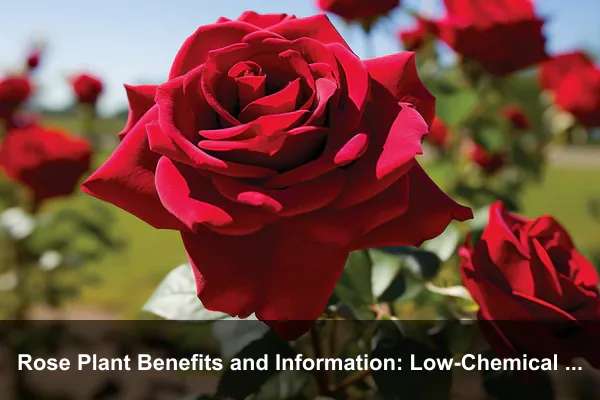
Rose plant benefits and information are often discussed through fragrance, romance, and classic garden beauty, but one of the most useful modern angles is how roses can fit into a healthier, lower-chemical home garden. A well-chosen rose plant can bring long-lasting color, attract beneficial insects, support outdoor relaxation, and provide a steady reason to observe the garden more closely.
This guide focuses on practical rose information for gardeners who want beautiful blooms without depending heavily on sprays. Instead of treating roses as fussy plants that need constant intervention, the smarter approach is to choose resilient varieties, give them the right growing conditions, and use simple routines that prevent problems before they spread.
Why Roses Still Matter in a Low-Chemical Garden
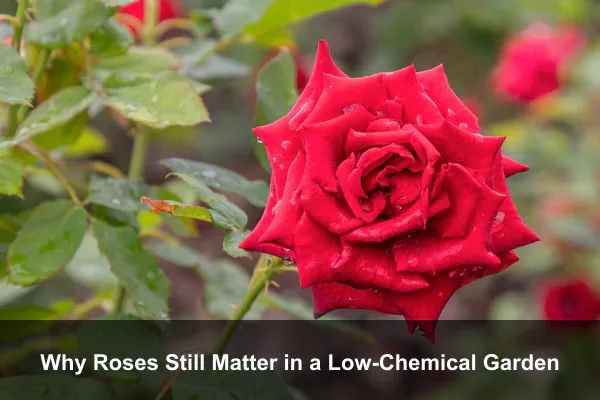
The rose remains one of the most valuable flowering plants because it offers more than ornamental appeal. In the context of manfaat tanaman, or plant benefits, roses contribute beauty, sensory value, habitat, and a stronger connection to seasonal garden rhythms.
Key everyday benefits of rose plants
- Long bloom value: Many modern shrub and landscape roses flower repeatedly across the warm season.
- Outdoor mood support: Color, scent, and routine plant care can make patios and garden paths feel more restorative.
- Pollinator interest: Single and semi-double roses with visible stamens are easier for bees and other insects to access.
- Useful plant feedback: Rose leaves quickly show signs of water stress, poor airflow, or disease pressure, helping gardeners learn faster.
- Flexible design: Roses can work in borders, containers, cottage gardens, formal beds, and small urban spaces.
For the most sustainable value, avoid choosing roses by flower color alone. A strong, disease-resistant plant will usually deliver more beauty with less effort than a delicate variety that struggles in local humidity, shade, or poor soil.
Choose the Right Rose Before You Plant
The most important rose care decision happens before the plant goes into the ground. A rose that naturally resists black spot, mildew, and weak growth will need fewer corrections later. This is the foundation of low-chemical rose gardening.
Look for disease resistance first
When shopping, read plant labels carefully and look for phrases such as disease resistant, landscape rose, own-root rose, or low maintenance. These terms do not guarantee perfection, but they are good signs that the plant was selected for garden performance, not just show-bench flowers.
Match the rose type to your space
- Shrub roses: Good for relaxed beds, mixed borders, and gardeners who want dependable flowering.
- Floribunda roses: Produce clusters of blooms and often fit well in visible front-yard spaces.
- Miniature and patio roses: Useful for containers, balconies, and compact gardens.
- Climbing roses: Best for arches, fences, and walls where they can be tied to strong support.
- Groundcover roses: Helpful on sunny slopes or wide beds where spreading growth is welcome.
If your goal is a low-spray garden, prioritize strong foliage, open growth, and proven local performance over unusually shaped flowers that may need more protection.
Core Rose Plant Information for Healthy Growth
Healthy roses are not created by one secret fertilizer or one perfect pruning trick. They come from several simple conditions working together. The right light, soil, water, and airflow reduce stress, and less stress means fewer pest and disease problems.
Light and airflow
Most roses need at least six hours of direct sun daily. Morning sun is especially helpful because it dries dew from leaves, reducing the damp conditions that encourage fungal disease. Avoid squeezing roses into tight corners where air cannot move around the foliage.
Soil and watering
Roses prefer fertile, well-drained soil that holds moisture without staying soggy. Before planting, improve heavy or sandy soil with compost. Water deeply at the base of the plant rather than spraying the leaves. A slow soak encourages roots to grow downward, making the rose more resilient during hot weather.
Mulch for root comfort
A two to three inch layer of organic mulch helps moderate soil temperature, reduce weeds, and slow water evaporation. Keep mulch slightly away from the main stem to prevent excess moisture around the crown.
A Low-Spray Rose Care Routine
Low-chemical rose care is not neglect. It is a preventive system based on observation, sanitation, and steady plant support. The goal is to make the garden less welcoming to serious outbreaks.
Weekly rose check
- Look at new leaves for curling, spotting, or pale growth.
- Check the undersides of leaves and tender buds for aphids.
- Remove fallen diseased leaves from the soil surface.
- Deadhead spent flowers if the rose is a repeat bloomer.
- Confirm that mulch is in place but not piled against stems.
Pruning for health, not just shape
Pruning should open the center of the plant, remove dead or crossing stems, and improve air movement. Use clean, sharp pruners and make cuts just above outward-facing buds when shaping. Remove diseased stems promptly and discard them rather than composting if infection is severe.
For many home gardeners, a simple rule works well: remove what is dead, damaged, diseased, or crowded. This keeps pruning practical and avoids overcomplicating rose care.
Common Rose Problems and Gentle Fixes
Even strong roses can face occasional problems. The key is to respond early and avoid extreme treatments when a gentler correction will work.
Black spot
Black spot appears as dark round marks on leaves, often followed by yellowing and leaf drop. Improve airflow, water at soil level, and remove infected fallen leaves. If black spot is common in your area, replace highly susceptible roses with resistant varieties over time.
Powdery mildew
Powdery mildew looks like a pale dusty coating on young leaves and buds. It often appears when days are warm, nights are cool, and air circulation is poor. Space plants properly, avoid excess nitrogen, and prune crowded growth.
Aphids
Aphids gather on tender new shoots and buds. A strong stream of water can dislodge many of them. Lady beetles, lacewings, and other beneficial insects often help when broad insecticide use is avoided.
Safe Use Around People, Pets, and Harvests
Rose plants are generally friendly garden companions, but safety still matters. Thorns can scratch skin, so place roses thoughtfully near paths, play areas, and seating. Wear gloves when pruning, tying, or cleaning around dense stems.
Some rose petals and rose hips are used in food traditions, but only use plant parts from roses that have not been treated with unsafe pesticides or florist chemicals. Wash harvested petals carefully and avoid using roses from unknown sources. People with allergies, sensitive skin, or medical conditions should treat concentrated rose products with caution.
Design Ideas for Small Gardens and Daily Enjoyment
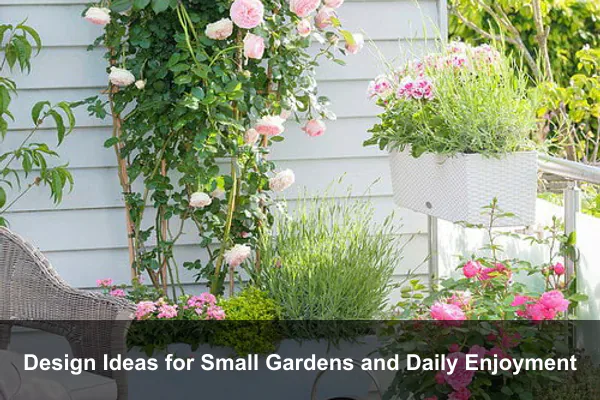
A rose does not need a large estate garden to be useful. With the right variety, roses can become practical flowering anchors for small spaces, rented homes, and compact patios.
Container rose corner
Choose a large pot with drainage holes, use quality potting mix, and place the container where it receives strong sun. Patio roses, miniature roses, and compact shrub roses are usually better choices than vigorous climbers for balconies.
Rose near a daily route
Plant roses where you will actually see them: beside a gate, near a kitchen window, along a sunny path, or close to a sitting area. This increases the everyday benefit of the plant and makes it easier to notice early care needs.
Pair roses with supportive plants
Low-growing herbs, ornamental grasses, and compact perennials can soften the base of roses while attracting beneficial insects. Keep companion plants far enough away that the rose still receives airflow and light.
Conclusion
Rose plant benefits and information become more useful when roses are treated as living garden partners rather than high-maintenance decorations. Their value includes color, fragrance, pollinator support, outdoor comfort, and daily observation, but the best results come from choosing the right plant from the start.
For a healthier and more sustainable rose garden, select disease-resistant varieties, plant them in full sun with good airflow, water at the base, mulch the soil, and inspect plants regularly. With this low-chemical approach, roses can remain beautiful, practical, and rewarding without turning garden care into a constant battle.
