
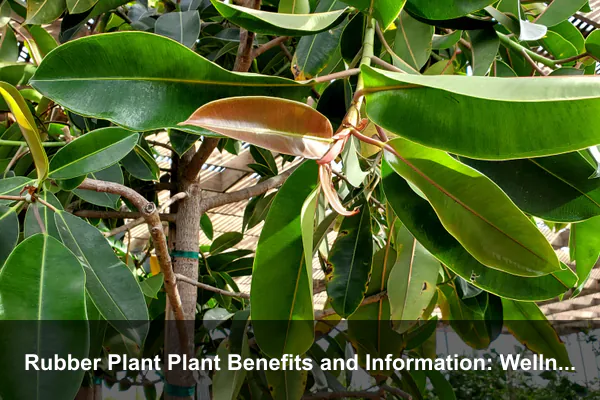
The Rubber Plant is more than a glossy houseplant with dramatic leaves. For many homes, apartments, offices, and small studios, it works as a living design element that brings structure, calm, and a sense of freshness without demanding constant attention. When people search for Rubber Plant plant benefits and information, they often want more than a basic growing guide. They want to know what this plant actually adds to a room, how it supports daily living, and what precautions matter before bringing one indoors.
Known botanically as Ficus elastica, the Rubber Plant has a long history as an ornamental indoor plant. Its thick, oval leaves can be deep green, burgundy, variegated cream, or even pink-toned depending on the cultivar. In the context of manfaat tanaman, or plant benefits, the Rubber Plant is valued for its visual impact, air-quality support, calming presence, and ability to make indoor spaces feel more natural. This article focuses on the practical benefits, safety considerations, design uses, and everyday information that help you enjoy the plant responsibly.
What Is a Rubber Plant?
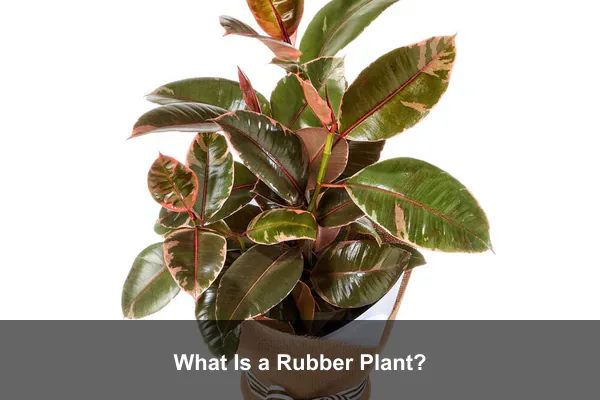
The Rubber Plant is a tropical evergreen tree native to parts of South and Southeast Asia. Outdoors in warm climates, it can grow into a large tree. Indoors, it is usually kept as a potted ornamental plant and managed at a more practical size through container choice, pruning, and placement.
The name comes from the milky latex sap found inside the stems and leaves. Historically, this sap was associated with rubber production, although modern commercial rubber mainly comes from other sources. Today, Rubber Plant plant benefits and information usually refers to its role as an indoor houseplant rather than an industrial plant.
Common Rubber Plant Varieties
Different Rubber Plant varieties offer different looks, which is one reason the plant remains popular in interior design. Common types include:
- Ficus elastica ‘Robusta’, known for broad, dark green leaves.
- Ficus elastica ‘Burgundy’, valued for deep, almost black foliage.
- Ficus elastica ‘Tineke’, recognized by cream, green, and pale pink variegation.
- Ficus elastica ‘Ruby’, loved for stronger pink and red tones on young leaves.
These varieties share similar basic traits, but variegated types usually need brighter indirect light to maintain their color.
Key Rubber Plant Benefits for Indoor Spaces
The Rubber Plant offers several practical and aesthetic benefits. While it should not be treated as a medical solution or a substitute for ventilation, it can contribute positively to how a room looks and feels.
It Adds Strong Visual Structure
Some houseplants look soft and delicate, while the Rubber Plant has a bold, architectural shape. Its upright growth and large leaves make it useful for filling empty corners, balancing furniture, or adding height beside shelves, sofas, desks, and entryways.
This benefit is especially valuable in minimalist or modern interiors where one well-chosen plant can make the room feel finished without adding clutter.
It Helps Create a Calmer Atmosphere
Indoor plants are often associated with a more relaxing environment. The Rubber Plant supports this effect through its rich green foliage and slow, steady growth. Looking after a plant can also become a simple routine that encourages attention, patience, and a break from screens.
For home offices, bedrooms, and reading corners, this calming presence may be one of the most meaningful Rubber Plant benefits.
It Can Support Indoor Air Freshness
Like many leafy plants, the Rubber Plant participates in natural gas exchange and can help make a space feel fresher. Its large leaves also collect dust, which can be removed through regular wiping. However, it is important to be realistic: one plant will not purify an entire home, and good airflow, cleaning, and ventilation remain essential.
The most balanced way to understand this benefit is that a Rubber Plant can be part of a healthier indoor environment, not the only solution.
Rubber Plant Information for Safe Home Use
One of the most important parts of Rubber Plant plant benefits and information is safety. This plant is beautiful, but it contains a milky sap that can irritate skin and is not safe for pets or children to chew.
Is the Rubber Plant Toxic?
The Rubber Plant is considered toxic if ingested by cats, dogs, or humans. The sap may cause mouth irritation, drooling, stomach upset, or skin irritation in sensitive people. For this reason, it is best placed away from curious pets and young children.
If a pet or child bites or swallows part of the plant, contact a veterinarian, pediatrician, or local poison guidance service. Do not rely on home remedies for plant ingestion.
Handling the Sap
When pruning or removing damaged leaves, the plant may release sticky white sap. Wear gloves if you have sensitive skin, and wash your hands after handling cut stems. Keep the sap away from eyes, fabric, rugs, and finished wooden surfaces because it can stain or irritate.
Best Places to Display a Rubber Plant
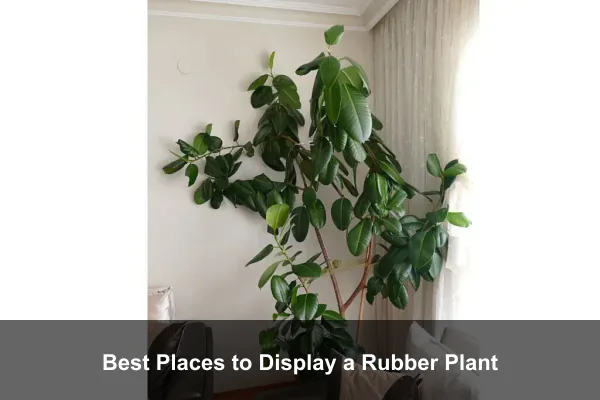
The Rubber Plant works well when it has enough space to show its shape. Instead of using it as a small tabletop accent, treat it as a statement plant for areas that need height and calm visual weight.
Living Room
A Rubber Plant looks impressive beside a sofa, media cabinet, bookcase, or window. Its glossy leaves reflect light beautifully, making the space feel brighter and more polished.
Home Office
In a workspace, the Rubber Plant can soften hard lines from desks, monitors, and storage units. It adds a natural element without requiring constant care during working hours.
Bedroom
A Rubber Plant can be used in a bedroom if the room has bright indirect light and enough floor space. Choose a stable pot and avoid placing it where leaves brush against bedding or walkways.
Entryway
For a welcoming first impression, place a Rubber Plant near an entrance with good light. Its upright form can make a hallway or foyer feel more intentional and organized.
Simple Care Tips That Protect Its Benefits
This article is not meant to repeat a full indoor growing guide, but a few care basics are necessary because the benefits of a Rubber Plant depend on keeping it healthy. A stressed plant with dusty leaves, soggy soil, or leaf drop will not add much beauty to a room.
- Light: Bright, indirect light is ideal. Variegated types need more light than dark green types.
- Water: Let the top layer of soil dry before watering again. Avoid constantly wet soil.
- Soil: Use a well-draining potting mix and a container with drainage holes.
- Cleaning: Wipe leaves gently with a damp cloth to remove dust and restore shine.
- Rotation: Turn the pot occasionally so the plant grows evenly toward the light.
Overwatering is one of the most common problems. If leaves yellow, drop suddenly, or the soil smells unpleasant, check whether the roots are staying too wet.
How the Rubber Plant Compares With Other Beneficial Houseplants
Compared with smaller plants such as herbs, succulents, or compact foliage plants, the Rubber Plant is mainly valued for appearance, atmosphere, and long-term indoor presence. It does not provide edible leaves like basil or mint, and it is not used for soothing gel like aloe vera. Its benefit is different: it improves the feeling and visual balance of a space.
This makes it a good choice for people who want an ornamental plant with presence. It is especially suitable for readers interested in manfaat tanaman hias, or the benefits of decorative plants, rather than herbal or culinary uses.
Who Should Choose a Rubber Plant?
A Rubber Plant may be a good option if you want:
- A bold indoor plant that looks mature and elegant.
- A low-fuss decorative plant for bright indoor spaces.
- A plant that suits modern, classic, or tropical-inspired interiors.
- A long-term houseplant that can grow with your home.
Who Should Avoid It?
You may want a different plant if you have pets that chew leaves, toddlers who explore with their hands and mouths, or very dark rooms with little natural light. In those cases, a non-toxic or lower-light plant may be more practical.
Common Problems and Practical Solutions
Even a resilient Rubber Plant can show signs of stress. Understanding the most common problems helps you protect both the plant and the benefits it brings to your space.
Leaves Dropping
Leaf drop can happen after sudden changes in light, temperature, or watering. Move the plant gradually when changing locations, and keep watering consistent without soaking the soil.
Brown Leaf Edges
Brown edges may come from dry air, inconsistent watering, or salt buildup in the soil. Check the watering routine, avoid placing the plant directly beside heaters or air conditioners, and flush the soil occasionally if fertilizer has been used heavily.
Dusty Leaves
Large Rubber Plant leaves collect dust easily. Dust blocks shine and can reduce the plant’s ability to receive light. Wipe each leaf with a soft damp cloth every few weeks.
Conclusion
The Rubber Plant is a strong choice for anyone who wants a houseplant with beauty, structure, and practical indoor value. Its biggest benefits are visual impact, a calmer atmosphere, fresh-looking foliage, and the ability to make a room feel more natural and complete. It is not an edible or medicinal plant, but as an ornamental houseplant, it offers lasting value.
The most important safety point is its irritating sap and toxicity if ingested, especially for pets and children. Place it thoughtfully, clean its leaves, give it bright indirect light, and avoid overwatering. With those simple habits, the Rubber Plant can become one of the most rewarding plants in your indoor collection.
