

Chamomile is more than a calming tea in a cupboard. It is a small, daisy-like herbal plant with fragrant flowers, soft foliage, and a long history in home gardens, traditional wellness routines, and natural living. For gardeners, it offers beauty, pollinator value, and an easy harvest. For herbal users, it provides a gentle floral ingredient often enjoyed as a caffeine-free infusion.
This guide explores chamomile plant benefits and information from a practical angle: what the plant is, how German and Roman chamomile differ, how to grow it, when to harvest the flowers, and how to use chamomile safely. It is written for readers who want real plant knowledge, not exaggerated health claims.
What Is the Chamomile Plant?
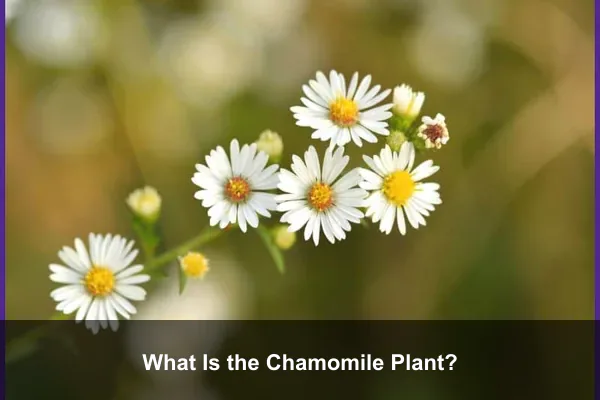
Chamomile belongs to the Asteraceae family, the same broad plant family as daisies and sunflowers. Its small white petals surround a yellow center, and the flowers release a sweet scent often compared to apples. In fact, the name chamomile is linked to the idea of an apple-like aroma close to the ground.
German Chamomile
German chamomile, commonly known as Matricaria chamomilla or Matricaria recutita, is the type most often grown for tea. It is usually treated as an annual, but it self-seeds easily when flower heads are allowed to mature. This makes it feel almost perennial in a relaxed herb garden.
Roman Chamomile
Roman chamomile, or Chamaemelum nobile, is a low-growing perennial often used as an aromatic ground cover. It can form a spreading mat of fragrant foliage and may tolerate light foot traffic in suitable conditions. While both types are used in herbal traditions, German chamomile is generally the more common choice for dried flower tea.
Key Chamomile Plant Benefits
The most valuable chamomile plant benefits come from its combination of beauty, fragrance, usefulness, and easy garden performance. It works well in herb beds, edible landscapes, pollinator borders, balcony pots, and small-space gardens.
1. A Traditional Relaxation Herb
Chamomile tea is widely enjoyed as an evening drink because it is naturally caffeine-free and has a mild floral taste. Many people associate it with relaxation, comfort, and a slower bedtime routine. However, it is important to be accurate: chamomile should not be presented as a guaranteed treatment for insomnia, anxiety, or disease.
2. Gentle Digestive Comfort
Chamomile has a long history of use after meals, especially as a warm infusion. Some people drink it when they want something soothing after heavy food. This is a traditional use, not a replacement for medical care if digestive symptoms are frequent, severe, or unexplained.
3. Pollinator-Friendly Flowers
Chamomile flowers attract bees, butterflies, and other beneficial insects. This makes the plant useful beyond the teacup. In a mixed garden, it can support biodiversity while adding a soft, natural look among vegetables, herbs, and flowering plants.
4. A Beautiful Edible Garden Feature
Unlike many herbs grown mainly for leaves, chamomile is valued for its flowers. Its white-and-yellow blooms look charming along paths, in cottage gardens, near vegetable beds, or in containers. The plant gives a garden a relaxed herbal character without demanding formal design.
How to Grow Chamomile Successfully
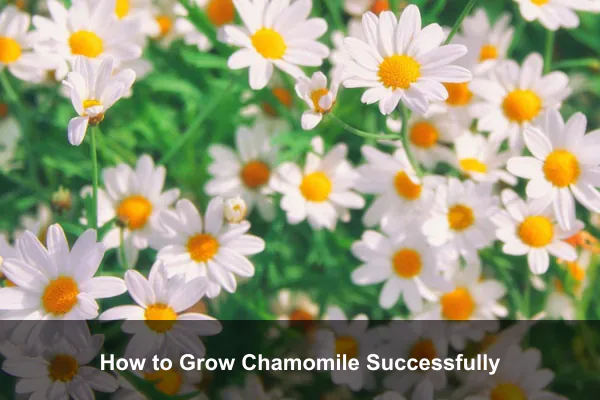
Chamomile is a beginner-friendly herb when planted in the right spot. It prefers simple conditions, and overly rich soil can make growth weak or floppy. The goal is not to push huge leaves, but to encourage healthy flowering.
Light and Location
Choose a sunny location for the best flower production. Chamomile can tolerate light shade, especially in hot climates, but too much shade may reduce blooms. In tropical or very warm regions, morning sun with some afternoon protection can help the plant stay productive longer.
Soil and Watering
Chamomile grows best in well-drained soil. Sandy or loamy soil is suitable as long as it does not stay soggy. Keep seed trays or young seedlings evenly moist until established, then water moderately. Mature chamomile is more forgiving of short dry periods than many leafy herbs.
- Soil type: well-drained, light, and not overly fertile.
- Watering: consistent during germination, moderate after establishment.
- Spacing: allow airflow so flowers dry quickly after rain.
- Container growing: use pots with drainage holes and avoid compacted soil.
Growing From Seed
Chamomile seeds are small, so sow them shallowly. Press them lightly onto the surface or cover with only a very thin layer of soil. Once seedlings are a few inches tall, thin them so each plant has room to branch and flower. German chamomile can reseed naturally if you leave some flower heads on the plant.
Harvesting, Drying, and Storing Chamomile
The best chamomile harvest comes from fully open flowers picked before the petals become dry, brown, or tired. Harvest on a dry morning after dew has evaporated. Frequent picking encourages more blooms and gives you cleaner, fresher flowers for drying.
How to Harvest the Flowers
Pinch or snip the flower heads just below the bloom. Avoid collecting too much stem if your main goal is tea. Choose healthy flowers that are free from dust, insects, and chemical sprays. If you grow chamomile for home use, avoid synthetic pesticides on or near the plant.
How to Dry Chamomile
Spread the flowers in a single loose layer on a clean screen, tray, or paper-lined surface. Keep them in a warm, airy place away from direct sun. Turn them occasionally. They are ready for storage when they feel dry and crumble easily between your fingers.
- Harvest fully open flowers.
- Remove damaged blooms and extra stems.
- Dry in a thin layer with good airflow.
- Store only when completely dry.
- Keep in an airtight jar away from heat, light, and moisture.
How to Use Chamomile at Home
The classic use is chamomile tea. Add about one tablespoon of dried flowers to a cup, pour in hot water, steep for around five minutes, then strain. Honey, lemon, or mint can be added, but plain chamomile has a delicate flavor that many people enjoy on its own.
Chamomile can also be used in simple home projects such as herbal sachets, potpourri, bath blends, and gentle floral rinses. For topical use, patch testing is wise because plant-based does not always mean irritation-free.
- Tea: a caffeine-free floral drink.
- Herbal sachets: dried flowers for fragrance.
- Garden edging: especially with Roman chamomile.
- Companion planting: a useful flower near herbs and vegetables.
Safety, Side Effects, and Responsible Use
Chamomile is commonly used in tea amounts, but it still deserves caution. People allergic to ragweed, daisies, marigolds, chrysanthemums, or other Asteraceae plants may be more likely to react to chamomile. Stop use if itching, swelling, rash, breathing trouble, dizziness, or other concerning symptoms occur.
Chamomile may interact with some medicines, including blood thinners such as warfarin and possibly sedatives or drugs processed by the liver. Pregnant or breastfeeding people, children using concentrated products, and anyone with chronic health conditions should ask a qualified health professional before using chamomile medicinally.
Evidence note: The NCCIH chamomile fact sheet describes chamomile as likely safe in common tea amounts for many people, while also noting limited evidence for treating specific conditions and possible drug interactions. For growing basics, extension guidance such as the UC ANR chamomile growing information recommends well-drained soil, full sun, and harvesting flowers when fully open.
Common Chamomile Growing Problems
Few Flowers
If chamomile grows lots of foliage but produces few flowers, the plant may be receiving too much shade or overly rich soil. Move containers to brighter light or reduce high-nitrogen feeding.
Leggy Growth
Weak, stretched stems often happen when plants compete for light or space. Thin seedlings early and avoid overcrowding. Good airflow also helps reduce fungal problems.
Self-Seeding
German chamomile can self-seed freely. This is useful if you want a natural herb patch, but remove spent blooms before seed drop if you prefer a tidier garden.
Conclusion
Chamomile is a rewarding herbal plant because it offers more than one benefit: delicate flowers, a soothing aroma, pollinator support, simple harvests, and a familiar tea tradition. German chamomile is best for gardeners focused on dried flowers, while Roman chamomile is useful where a fragrant low-growing perennial is desired.
The smartest way to enjoy chamomile is to treat it as both a plant and an herb: grow it in clean soil, harvest at the right time, dry it carefully, and use it responsibly. With that balanced approach, chamomile plant benefits and information become practical knowledge you can apply in a real home garden.
