
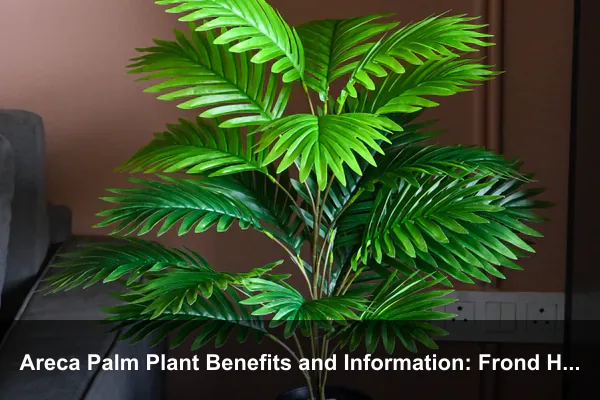
The areca palm is one of the easiest indoor palms to recognize: soft feather-like fronds, golden-green stems, and a relaxed tropical shape that can make an ordinary room feel fresher without demanding the drama of a large statement tree. For anyone searching for Areca Palm plant benefits and information, the most useful angle is not only what the plant looks like, but how its fronds respond to light, water, room rhythm, and everyday maintenance.
This guide takes a practical approach to areca palm care and benefits. Instead of repeating general houseplant advice, it focuses on frond health, seasonal light planning, and the small habits that keep an areca palm attractive for years. That makes it especially helpful for apartments, bright living rooms, home offices, and anyone who wants a graceful indoor plant with real decorative and wellness value.
What Makes the Areca Palm Different?

The areca palm, often sold under the botanical name Dypsis lutescens, is a clumping palm with many slender canes growing from the base. It is also called butterfly palm, golden cane palm, or yellow palm because mature stems often show warm yellow tones. Unlike a single-trunk palm, an areca palm creates a layered, airy silhouette. This makes it look full without feeling heavy.
Natural Growth Habit
In warm outdoor climates, areca palms can become tall landscape plants. Indoors, they grow more slowly and usually stay manageable in containers. The plant sends up multiple stems, each carrying arching fronds with narrow leaflets. These leaflets are beautiful, but they are also the first place you will notice stress. Pale color, crispy tips, dull growth, or spotting usually tells you something about light, water quality, pests, or air movement.
Why Frond Health Matters
Areca palms are valued for their soft foliage, so the leaves are the main feature. A rubber plant can lose one leaf and still look bold, but an areca palm depends on many fine leaflets working together. Healthy fronds give the plant its tropical effect, filter harsh room lines, and add visual movement. When fronds decline, the plant quickly looks tired. For that reason, the best areca palm routine begins with observing the leaves before changing the soil, fertilizer, or pot.
Areca Palm Plant Benefits for Everyday Rooms
The benefits of the areca palm are strongest when the plant is used as part of a thoughtful indoor environment. It is not a miracle cure, and it should not replace ventilation, cleaning, or good home maintenance. However, as an ornamental indoor plant, it can support comfort, visual balance, and a more nature-connected atmosphere.
A Softer Visual Mood
One of the clearest areca palm benefits is visual softness. The plant has fine leaflets and a fountain-like shape, so it reduces the hard feeling of walls, windows, shelves, and electronic equipment. In a home office, this can make a work zone feel less rigid. In a living room, it can bring a relaxed resort-like character without using bright colors or busy patterns.
Gentle Support for Indoor Comfort
Areca palms release moisture through transpiration, especially when actively growing in bright indirect light. In a dry room, this may contribute a small amount of local humidity around the plant. The effect is modest, but many plant owners enjoy grouping areca palm with other foliage plants to create a more comfortable corner. If the room is extremely dry, a tray, humidifier, or better watering routine may still be needed.
A Realistic View of Air Quality Claims
Areca palms are often mentioned in discussions about indoor air. The truth is more balanced. Plants can interact with indoor air in small ways, and leaves can collect dust, but a normal home is not the same as a sealed research chamber. Treat the areca palm as a supporting wellness plant, not as a replacement for fresh air, air filtration, or reducing pollution sources. Its strongest proven value for most homes is beauty, greenery, routine, and the calming effect of caring for a living plant.
Biophilic Value
Biophilic design is the idea that people often feel better when natural forms, textures, and rhythms are present indoors. The areca palm fits this idea well because it moves slightly in airflow, changes with light through the day, and provides layered foliage without sharp edges. Even simple care tasks, such as wiping leaflets or checking soil moisture, can create a slower and more mindful routine.
Seasonal Light Planning for Strong Fronds
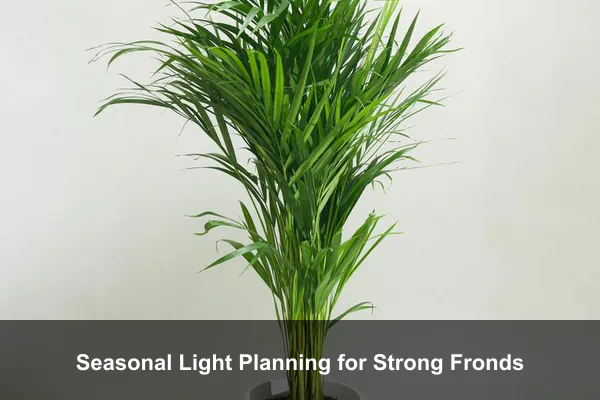
Light is the most important factor behind long-term areca palm success. The plant likes bright indirect light, meaning a location that is clear and luminous but protected from intense direct sun for long periods. Too little light leads to thin growth, weak stems, and slow drying soil. Too much direct sun can scorch leaflets, especially through hot glass.
How to Read Indoor Light
A bright room is not always bright enough for a palm. If your areca palm is several meters away from a window, behind thick curtains, or in a shadowed corner, it may slowly decline even if the room looks comfortable to human eyes. A useful test is to place your hand near the plant at midday. If you see a soft, blurred shadow, the light is usually suitable. If there is no shadow at all, the spot may be too dim. If the shadow is sharp and the leaves feel hot, the sun may be too strong.
Best Window Directions
- East-facing windows: Often ideal because morning light is bright but gentle.
- North-facing windows: Can work if the room is open, bright, and not blocked by buildings or trees.
- South-facing windows: Usually need sheer curtains or distance from the glass in hot seasons.
- West-facing windows: Can be intense in the afternoon, so watch for leaf scorch and dry tips.
Adjusting by Season
Indoor light changes through the year. In winter or rainy seasons, your areca palm may need to move closer to a window because daylight is weaker and shorter. In hot months, it may need to sit farther back or behind a light curtain. This seasonal adjustment is one of the easiest ways to prevent weak, stretched fronds and brown patches. Rotate the pot every two to four weeks so each side receives light and the clump grows evenly.
Watering, Soil, and Feeding Without Overcomplicating Care
Areca palms like consistent moisture, but they dislike heavy, airless soil. The goal is not to keep the pot wet all the time. The goal is to water thoroughly, let excess water drain, and allow the upper part of the potting mix to become slightly dry before watering again. This balance protects the roots while keeping fronds hydrated.
A Practical Watering Rhythm
Before watering, press a finger into the top 2 to 5 cm of soil. If it still feels wet, wait. If it feels lightly dry but not bone dry, water deeply until some water drains from the bottom. Empty the saucer after a few minutes. In bright warm weather, the plant may need water more often. In cooler or darker conditions, it may need much less. A fixed calendar can be useful as a reminder, but the soil should make the final decision.
Water Quality and Brown Tips
Brown tips are common on areca palm leaflets. They may come from underwatering, dry air, fertilizer buildup, or minerals in tap water. If your water is hard or heavily treated, consider using filtered water, rainwater, or tap water that has been left to stand overnight. This will not fix every brown tip, but it can reduce stress when combined with proper watering and occasional soil flushing.
Best Potting Mix
A good areca palm mix should hold some moisture but drain well. A standard indoor potting mix can be improved with perlite, fine bark, coco coir, or other aerating ingredients. The pot must have drainage holes. Decorative cachepots are fine, but the nursery pot inside should never sit in standing water. Root problems often begin quietly, and the first visible sign is usually yellowing lower fronds.
Feeding for Steady Growth
Feed lightly during active growth, usually spring and summer in many homes. Use a balanced houseplant fertilizer at a diluted rate rather than pushing the plant with strong feeding. Too much fertilizer can burn roots and worsen leaf-tip browning. If growth slows in cooler or darker months, reduce or pause feeding. A plant in low light cannot use fertilizer efficiently.
Common Frond Problems and What They Mean
The areca palm communicates through its leaves. The challenge is that several problems can look similar at first. Instead of guessing, look at the pattern: where the damage appears, how fast it spreads, and what changed recently in the plant environment.
Yellow Fronds
One or two older yellow fronds near the base can be normal aging. Many yellow fronds at once suggest a care issue. Overwatering is a common cause, especially if the soil stays wet for many days. Low light can make this worse because the plant uses less water. Check drainage, smell the soil, and feel the lower mix if possible. If the pot is heavy and soggy, allow it to dry more and improve airflow.
Brown Tips
Brown tips are usually a stress signal rather than a disease. Look at watering consistency, water quality, humidity, and fertilizer strength. Trim only the dead brown edge with clean scissors if it bothers you, following the natural shape of the leaflet. Avoid cutting into healthy green tissue because the cut edge may brown again.
Pale or Washed-Out Leaves
Pale leaves can mean too much direct sun, nutrient deficiency, or general root stress. If the plant sits in a harsh afternoon window, move it into filtered light. If it has been in the same soil for years and growth is weak, consider refreshing the potting mix during the growing season. Do not repot a stressed plant into a much larger container; a slightly larger pot is usually enough.
Spider Mites and Scale
Areca palms can attract spider mites, especially in dry indoor air. Look for fine webbing, speckled leaflets, or a dusty look that does not wipe away easily. Scale insects may appear as small brown bumps on stems or leaf undersides. Isolate the plant, rinse the foliage, and use an appropriate insecticidal soap or horticultural oil according to label directions. Recheck weekly because pests often need repeated treatment.
Where to Place an Areca Palm Indoors
Placement should combine light, movement, and daily use of the room. The best location is usually near a bright window where the plant has space for its fronds to arch naturally. Avoid narrow walkways where leaves are constantly brushed, because repeated contact can tear leaflets and make the plant look untidy.
Good Room Choices
- Living room: Place it near a bright window to soften furniture lines and add height.
- Home office: Use it beside a desk or shelf where it can be seen without blocking task light.
- Bedroom: Choose a bright corner with airflow, but avoid placing the pot where bedding touches the fronds.
- Entry area: Use only if there is enough light; many entryways are too dark for long-term growth.
Spacing and Airflow
Give the plant room to breathe. Crowding an areca palm against a wall can flatten one side and reduce airflow through the foliage. Good airflow helps moisture evaporate from the soil surface and reduces pest pressure. However, avoid placing the plant directly beside heating vents, air conditioners, or strong drafts. Sudden dry airflow can damage leaf tips.
Areca Palm Safety and Responsible Use
Areca palm is commonly considered a pet-friendly houseplant compared with many toxic ornamental plants. Even so, pets and children should not be encouraged to chew it. Any plant material can cause stomach upset if eaten in quantity, and damaged fronds reduce the plant’s appearance. Place the pot securely so it cannot be tipped over, especially if the plant is tall or the container is lightweight.
Low-Waste Maintenance
A responsible areca palm routine reduces waste. Reuse a nursery pot inside a decorative outer pot, refresh the top layer of soil before replacing an entire plant, and prune only dead or badly damaged fronds. When repotting, choose a container just one size larger. Oversized pots hold extra moisture and can create root problems.
When to Repot
Repot when roots circle tightly, water runs straight through without moistening the mix, or the plant dries too quickly despite proper watering. The best time is during active growth. After repotting, keep the plant in stable bright indirect light and avoid strong fertilizer for several weeks while roots settle.
A Simple Areca Palm Care Schedule
A care schedule should support observation, not replace it. Use the following rhythm as a flexible guide and adjust based on your room conditions.
- Weekly: Check soil moisture, inspect leaf undersides, and remove fallen leaflets from the pot surface.
- Every two weeks: Rotate the pot slightly for even growth and wipe dusty fronds with a soft damp cloth.
- Monthly: Review the light level, especially when seasons change, and flush the soil if mineral buildup is suspected.
- During active growth: Feed lightly with diluted houseplant fertilizer if the plant is healthy and receiving enough light.
- Once or twice a year: Prune fully dead fronds at the base and assess whether repotting or soil refreshment is needed.
Conclusion
The areca palm is valuable because it combines tropical beauty with practical indoor benefits. Its fine fronds soften a room, its growth habit adds natural movement, and its care routine encourages steady attention to light, water, and leaf health. The most successful growers do not treat it as a decoration that can be ignored. They read the fronds, adjust placement by season, water with care, and keep the plant clean and well spaced.
If you want a houseplant that feels lush without being stiff, Areca Palm plant benefits and information point to one clear lesson: the plant rewards consistency. Give it bright indirect light, a breathable potting mix, careful watering, and enough space, and it can become a long-lasting feature in a healthier, more inviting indoor environment.
