
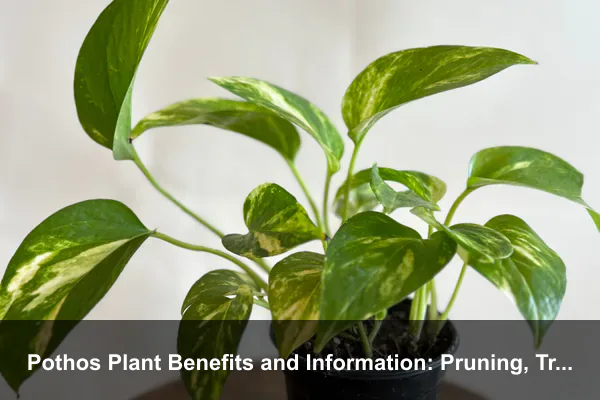
Pothos is often introduced as the easy houseplant that forgives missed watering, dim corners, and beginner mistakes. That reputation is useful, but it only tells part of the story. The more interesting side of pothos is how responsive it is: cut it correctly, give it a simple support, refresh its soil, and the same plant can shift from a thin trailing vine into a full tabletop plant, a climbing green column, or a soft cascade for shelves and cabinets.
This guide takes a fresh angle on Pothos plant benefits and information by focusing on growth design. Instead of treating pothos as a plant that simply survives, you will learn how to shape it, renew it, and use it intentionally in real indoor spaces. In the practical spirit of manfaat tanaman, the value of this plant is not only decorative; it can help make rooms feel softer, routines feel calmer, and small homes feel more alive without demanding expert-level care.
Whether you own golden pothos, marble queen, neon pothos, jade pothos, or another cultivar of Epipremnum aureum, the same core principles apply. The key is understanding vines, nodes, pruning points, light response, and safe placement so your plant grows with purpose rather than becoming a tangled mass of long stems and sparse leaves.
What Pothos Is and Why It Adapts So Well
Pothos is a tropical aroid commonly grown indoors for its heart-shaped leaves and trailing or climbing stems. Its botanical name is Epipremnum aureum, though many people simply call it devil’s ivy because it is famously resilient. In warm, humid outdoor climates it can climb trees and produce larger leaves, but indoors it usually remains a manageable foliage plant with flexible vines.
Its adaptability comes from the way it grows. Pothos stems are made of repeated sections, and each section may include a leaf, a node, and sometimes an aerial root nub. The node is the growth point that matters most. New roots and new shoots can form from nodes, which is why pothos is easy to prune, propagate, and reshape.
Basic Plant Profile
- Common name: Pothos, devil’s ivy, golden pothos depending on variety.
- Botanical name: Epipremnum aureum.
- Plant type: Tropical evergreen vine grown as an indoor foliage plant.
- Growth habit: Trailing, climbing, cascading, or compact when pruned.
- Best indoor role: Shelves, hanging planters, plant stands, workspaces, kitchen corners, and vertical supports.
This structure makes pothos unusually forgiving. If one vine grows too long, you can shorten it. If a plant becomes leggy, you can cut it back and root the cuttings. If the pot looks empty on one side, rooted cuttings can be planted back into the same container to build density. Few indoor plants respond so quickly to simple maintenance.
Pothos Plant Benefits for Everyday Indoor Living
The most reliable pothos benefits are practical rather than exaggerated. A healthy pothos can improve the feel of a room, introduce natural texture, and help new plant owners build consistent care habits. It should not be promoted as a substitute for ventilation, air filters, or good cleaning, but it can still contribute meaningful value to indoor life.
A Low-Pressure Plant for Beginners
Many houseplants punish small mistakes quickly. Pothos is more patient. It often recovers from dry soil, uneven light, and imperfect pruning, which makes it ideal for people who want to learn plant care without constant stress. Its leaves also communicate clearly. Wilting can signal thirst, yellowing may point to watering or root issues, and smaller new leaves often suggest weak light or a need for training.
Visual Softness and Natural Movement
Pothos vines bring movement to interiors. They can soften hard cabinet lines, balance tall bookshelves, and make a work desk feel less sterile. In small apartments and offices, this matters because the plant adds life without requiring floor space. A single pot can trail downward, climb upward, or be pruned into a bushier shape depending on the room.
Realistic Indoor Air Value
Pothos is often mentioned in conversations about indoor air quality. Laboratory studies have shown that certain houseplants can interact with some airborne compounds in controlled conditions, but a normal living room is not a sealed lab chamber. The realistic benefit is more modest: pothos supports a greener, more comfortable environment while ventilation, cleaning, and humidity management do the main work of improving indoor air.
Habit Building and Mental Reset
Caring for pothos can create a simple weekly ritual. Checking soil moisture, rotating the pot, trimming a yellow leaf, or guiding a vine takes only minutes. These small actions can encourage attention and calm, especially for people who work indoors for long hours. The benefit is not magical; it comes from pausing, observing, and maintaining something living.
The Unique Advantage: You Can Design Its Growth

The best way to understand pothos is to stop thinking of it as one fixed shape. It is a designable vine. The same plant can become a hanging cascade, a climbing feature, a fuller desk plant, or a trained line of greenery along a shelf. This flexibility is one of the biggest benefits of pothos for homes, offices, dorm rooms, and rented spaces.
Trailing Pothos
Trailing pothos is the classic look: vines spill over the edge of a shelf, cabinet, or hanging basket. This style works well when you want softness and length. The tradeoff is that vines may become sparse near the pot if you never prune them. Long vines are attractive, but they should still be managed so the plant does not look bare at the crown.
Climbing Pothos
When pothos is allowed to climb a moss pole, coco coir pole, trellis, or wall-safe support, its growth habit changes. Aerial roots can grip textured material, and leaves may become larger over time if light, moisture, and nutrition are adequate. Climbing is useful when you want vertical greenery without buying a large floor plant.
Compact Pothos
A compact pothos is created through regular pruning and replanting of cuttings. Instead of allowing every vine to stretch, you trim stems above healthy nodes and encourage side shoots. This is a good approach for desks, small shelves, kitchen counters, and anyone who prefers a full plant over a long trailing one.
Guided Shelf Growth
Pothos can also be guided horizontally across a shelf or cabinet using loose plant clips, hooks, or soft ties. The goal is not to force the vine sharply, but to gently support its direction. This creates a living line of foliage that can make a room feel greener without taking up extra furniture space.
Pruning Pothos for Fuller, Healthier Vines
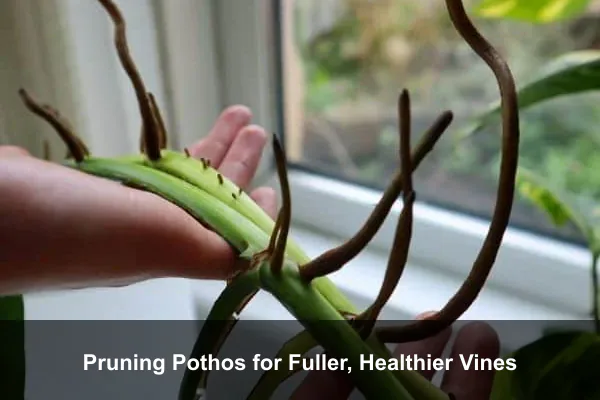
Pruning is the main difference between a pothos that merely survives and a pothos that looks intentional. Many owners hesitate to cut healthy vines, but pruning is not damage when done correctly. It redirects energy, removes weak sections, and encourages new growth from nodes near the cut.
When to Prune
The best time to prune pothos is during active growth, usually spring through early autumn in many indoor conditions. If your home is warm and bright year-round, light pruning can happen almost any time. Heavy pruning is better when the plant has enough light and warmth to recover quickly.
You should consider pruning when vines are much longer than you want, the top of the pot looks empty, leaves are getting smaller along the stem, or several vines have lost leaves near the base. Pruning is also useful after a period of neglect, as long as the roots are still healthy.
Where to Cut
Always cut just above a node or leaf junction using clean scissors or pruners. The remaining stem should have healthy leaves and nodes. Avoid leaving long bare stubs because they can dry out and look untidy. If the removed piece has nodes, it can usually become a cutting.
- Identify a vine that is too long, thin, bare, or uneven.
- Find a healthy node where a leaf joins the stem.
- Cut slightly above that node with clean tools.
- Remove any weak or yellow leaves from the cutting.
- Root the cutting in water or moist potting mix if you want a fuller plant.
Renovation Pruning for Leggy Plants
A leggy pothos can be renewed, but it should be done thoughtfully. If the plant has many bare vines, do not remove every leafed section at once unless the root system is strong and the growing season is favorable. A safer method is to prune one-third to one-half of the weakest vines first, root the healthy cuttings, and later plant them back into the same pot.
This approach keeps the original plant photosynthesizing while you rebuild fullness. Over several weeks, new shoots may emerge from remaining nodes, and rooted cuttings can fill empty spaces around the crown. The result is a denser plant without needing to buy a replacement.
Light, Water, and Soil That Support Strong Regrowth
Pothos can tolerate less-than-perfect conditions, but fuller growth depends on better basics. Pruning alone will not create a lush plant if the pot sits in very dim light, soggy soil, or a compacted old mix. The plant needs enough energy and root health to respond.
Light for Fuller Leaves
Bright, indirect light is ideal for most pothos varieties. A spot near a window with filtered sun, a bright room away from harsh direct rays, or a grow light setup can support steady growth. Variegated varieties, such as marble queen or golden pothos, usually need more light to maintain strong leaf patterns. In very low light, pothos may stay alive but grow slowly with smaller, greener leaves.
Watering for Roots, Not a Calendar
Water pothos when the upper part of the soil has dried, rather than following a rigid schedule. In a bright, warm room the plant may need water more often. In a cool or dim room it may need less. The pot should have drainage holes so extra water can escape. Roots sitting in stale, wet soil are more likely to rot, which leads to yellow leaves, soft stems, and decline.
Soil Mix for Balanced Moisture
A good pothos potting mix holds some moisture but still drains well. Many indoor growers use a quality houseplant mix improved with perlite, orchid bark, coco chips, or other chunky amendments. The goal is air around the roots. Dense soil may stay wet too long, while an extremely loose mix may dry out faster than a busy owner can manage.
Feeding Without Overdoing It
Pothos does not need heavy fertilizer. During active growth, a balanced diluted houseplant fertilizer every four to six weeks can support new leaves after pruning. Too much fertilizer can cause salt buildup and stressed roots, especially in small pots. If you see white crust on the soil surface or leaf tips browning after feeding, flush the soil with water and reduce fertilizer strength.
Propagation as a Tool for a Fuller Plant
Propagation is usually presented as a way to make more plants, but for pothos it is also a design tool. The easiest path to a fuller pot is often to root cuttings from the same plant and replant them around the base. This keeps the appearance cohesive because the new growth matches the parent plant.
Water Propagation
Water propagation is popular because it lets you watch roots develop. Place a cutting with at least one node in clean water, keeping leaves above the waterline. Change the water regularly and move the cutting to soil once roots are a few inches long. Do not wait forever; cuttings grown in water for too long can be slower to adjust to soil.
Soil Propagation
Soil propagation skips the water-to-soil transition. Place node cuttings directly into lightly moist potting mix and keep the medium evenly damp, not wet. This method may look slower because you cannot see root growth, but it often produces sturdy cuttings that adapt well to the final pot.
Node Cuttings for Maximum Use
If you are renovating a long vine, one cutting does not have to include many leaves. A node with a healthy leaf can root. Some growers use shorter one-node or two-node cuttings to create more growth points in the pot. The important rule is simple: no node, no new root system.
Smart Placement for Homes, Offices, and Small Spaces
Pothos is valuable because it adapts to different interior layouts. The right placement depends on light, safety, and how you want the plant to grow. A trailing plant on a high shelf creates a different mood from a climbing plant beside a desk.
Best Places for Trailing Vines
- Bookshelves: Let vines soften straight lines while keeping the pot within reach for watering.
- Kitchen cabinets: Use only if the area has enough light and the vines stay away from heat and grease.
- Hanging baskets: Good for corners, but choose secure hooks and avoid blocking walkways.
- Plant stands: Useful when you want a cascading look without placing the pot too high.
Best Places for Climbing Growth
Climbing pothos works well near a bright wall, beside a desk, or in a corner that needs vertical interest. Use supports that can be moved with the plant. For rented homes, avoid attaching vines directly to painted walls because aerial roots and moisture can leave marks. A freestanding pole or trellis is safer and easier to adjust.
Workspace Placement
For desks and offices, keep pothos compact with regular pruning. A small pot near a monitor, on a side shelf, or beside natural light can add greenery without crowding the work surface. Avoid letting vines drape across cables, outlets, keyboards, or heat-producing electronics.
Common Problems and What They Usually Mean
Pothos is resilient, but it still responds to stress. Reading the plant correctly helps you fix the cause instead of repeatedly treating symptoms. Most issues connect to light, water, roots, or pests.
- Yellow leaves: Occasional older yellow leaves are normal. Many yellow leaves at once may suggest overwatering, poor drainage, cold stress, or root trouble.
- Wilting leaves: The plant may be thirsty, but wilting can also happen when roots are damaged by soggy soil. Check moisture before watering.
- Brown tips: Possible causes include dry air, inconsistent watering, fertilizer buildup, or old leaf tissue.
- Small new leaves: Often linked to low light, long unsupported vines, or limited nutrients.
- Loss of variegation: Variegated pothos may turn greener in low light because greener leaves capture light more efficiently.
- Soft stems: This can point to rot. Cut away affected sections and inspect the roots.
Pests to Watch For
Indoor pothos can attract common houseplant pests such as spider mites, mealybugs, scale, and fungus gnats. Inspect leaf undersides, stem joints, and soil surfaces. Early action is easier than treating a large infestation. Isolate affected plants, wipe leaves, prune badly damaged parts, and use appropriate houseplant-safe treatments when needed.
Safety, Pet Awareness, and Responsible Use
Pothos is beautiful, but it is not edible. Like many aroids, it contains insoluble calcium oxalate crystals that can irritate the mouth, throat, and digestive system if chewed. This matters for homes with cats, dogs, toddlers, or curious children.
Safe Placement Tips
- Keep pothos out of reach of pets that chew leaves.
- Use high shelves, hanging baskets, or closed plant rooms when necessary.
- Clean fallen leaves quickly so pets do not play with them.
- Wear gloves if your skin is sensitive to plant sap.
- Teach children that pothos is for looking at and caring for, not eating.
If a pet or child chews pothos and shows irritation, drooling, vomiting, or distress, contact a veterinarian, pediatrician, poison control service, or appropriate medical professional. The best strategy is prevention through placement.
Buying and Maintaining Pothos Sustainably
A sustainable pothos routine starts with buying well and maintaining what you already have. Because pothos propagates easily, one healthy plant can become several over time. This reduces waste and gives you a way to refresh old pots instead of replacing them.
What to Check Before Buying
Look for firm leaves, active growth, and stems that are not mushy. Check the soil surface and leaf undersides for pests. A plant with a few imperfect leaves can still be healthy, but avoid pots that smell sour, stay waterlogged, or have many collapsing stems. If you want a full plant, inspect the crown. Some pots are made of many cuttings, while others have only a few long vines arranged to look fuller than they are.
Low-Waste Maintenance
Use pruned cuttings instead of discarding them. Refresh potting mix when it becomes compacted. Choose a pot that fits the root ball rather than jumping to a much larger container. Reuse nursery pots for propagation if they are clean and have drainage. These small choices make pothos care affordable and less wasteful.
When to Repot
Repot pothos when roots circle tightly around the pot, water runs through too quickly, growth stalls despite good light, or the soil has broken down. Choose a pot only one size larger. An oversized pot can hold too much moisture around the roots, especially in lower light.
Conclusion: Pothos Is More Than an Easy Houseplant
The strongest lesson from this Pothos plant benefits and information guide is that pothos is not just a plant you place on a shelf and forget. It is a flexible indoor vine that can be shaped, renewed, trained, and multiplied with simple techniques. Its benefits come from that flexibility: it fits small spaces, supports beginner confidence, adds natural texture, and responds well to thoughtful care.
For the best results, focus on the plant’s growth points. Learn where the nodes are, prune with intention, give the roots breathable soil, provide bright indirect light when possible, and choose a growth style that matches your room. With safe placement and consistent maintenance, pothos can become one of the most useful and satisfying indoor plants in a home, office, or apartment.
