
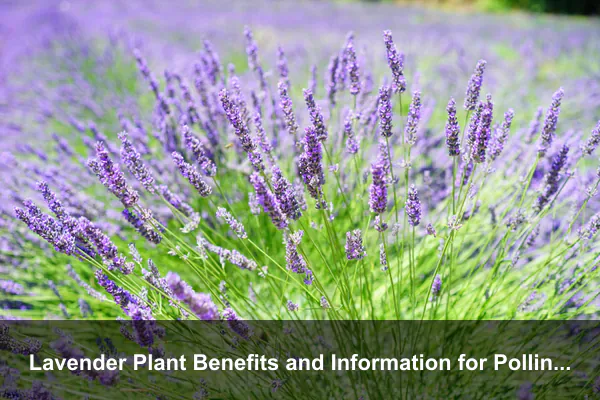
Lavender is often introduced as a fragrant herb for calm rooms, linen drawers, patio edges, and herbal gardens. Yet one of its most valuable roles is outside the house: it can help create a more resilient, pollinator-friendly, and low-input garden. This guide takes a fresh look at Lavender plant benefits and information through the lens of habitat, climate-smart planting, and practical garden design.
For gardeners interested in manfaat tanaman, lavender offers more than pleasant scent. It can support bees, improve the sensory quality of outdoor spaces, reduce dependence on thirsty ornamental plants, and provide usable flowers for dried bundles, sachets, and simple home projects. The key is choosing the right variety, planting it in the right place, and managing it as a living landscape plant rather than only a decorative herb.
Why Lavender Belongs in Climate-Ready Gardens
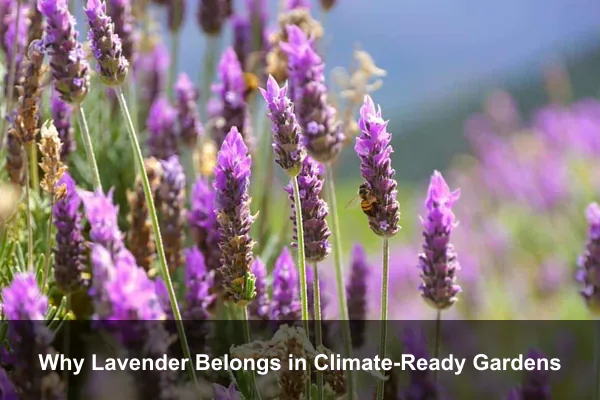
Lavender is native to dry, sunny regions around the Mediterranean, so it naturally fits gardens where heat, bright light, and periodic dry spells are common. While it still needs careful watering during establishment, mature lavender can often thrive with less irrigation than many lush flowering ornamentals.
This makes lavender useful for gardeners who want beauty without creating a high-water landscape. It pairs well with gravel paths, raised beds, sunny borders, and herb gardens where drainage is excellent. Its narrow silver-green leaves also reflect sunlight, helping the plant cope with intense exposure.
Key Climate-Smart Benefits
- Lower water demand: Established plants usually prefer soil that dries between waterings.
- Heat tolerance: Many lavender types perform well in warm, sunny positions.
- Long-lasting structure: The woody base and evergreen or semi-evergreen foliage provide garden presence beyond bloom season.
- Useful flowers: Flower spikes can be harvested, dried, and used in low-waste home routines.
Lavender is not a plant for every climate. In very humid regions, heavy clay soils, or poorly ventilated corners, it can struggle with root rot and fungal problems. Its benefits are strongest when the garden design matches the plant’s natural preferences.
Pollinator Benefits of Lavender
One of the most practical lavender plant benefits is its value for pollinators. When in bloom, lavender attracts bees, hoverflies, butterflies, and other beneficial insects. The flowers are rich in nectar and easy for many pollinators to visit, especially when planted in clusters rather than as a single isolated plant.
For a home garden, this matters because pollinator activity supports nearby vegetables, fruiting plants, and flowering ornamentals. A lavender border beside tomatoes, peppers, berries, or fruit trees can help increase overall insect traffic in the area, even though lavender itself is usually grown for flowers and fragrance rather than fruit.
How to Plant Lavender for Pollinators
- Plant in groups: Three to five plants together are easier for pollinators to locate than scattered single plants.
- Choose open sunny spots: Pollinators are more active in warm, bright areas.
- Avoid routine pesticide use: Even natural sprays can harm beneficial insects if applied carelessly.
- Extend bloom diversity: Combine lavender with other flowering plants that bloom before and after it.
Good companion choices include thyme, rosemary, salvia, oregano, yarrow, echinacea, and calendula, depending on the climate. The goal is to create a sequence of flowers so beneficial insects have food across the season.
Lavender Varieties and Their Best Garden Roles
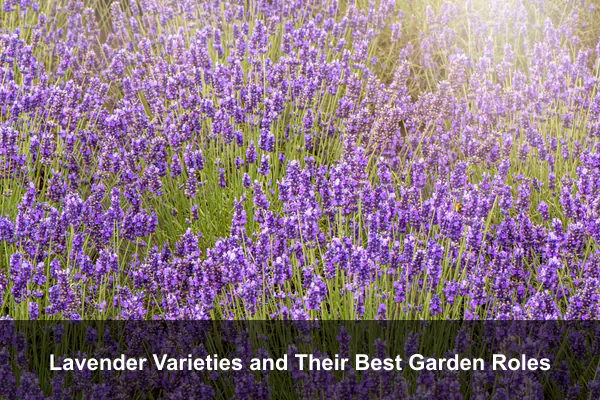
Not all lavender plants perform the same way. Choosing the right type is essential if you want a healthy, long-lived plant. Some varieties are better for cold winters, some tolerate heat well, and others are grown mainly for showy flowers or strong fragrance.
English Lavender
English lavender (Lavandula angustifolia) is one of the most popular choices for home gardens. It has a sweet scent, compact growth, and excellent dried flower quality. Despite its common name, it comes from Mediterranean regions, not England. It is often a good choice for herb gardens, cottage-style borders, and pollinator beds in climates with decent drainage and moderate humidity.
Lavandin
Lavandin (Lavandula x intermedia) is a hybrid known for vigorous growth and long flower stems. It is widely used in lavender fields because it produces abundant flowers and strong fragrance. It can be excellent for larger borders, dried bundles, and garden structure, but it may need more space than compact English lavender.
Spanish Lavender
Spanish lavender (Lavandula stoechas) is recognized by its decorative flower bracts, often described as small flags or ears at the top of the bloom. It is very ornamental and useful in warm-climate gardens, containers, and sunny patios. It is less cold-hardy than many English lavender types, so climate fit is important.
Soil, Drainage, and Planting Information
Healthy lavender begins below the surface. The plant dislikes wet feet, meaning its roots should not sit in soggy soil. If your garden soil is heavy clay, compacted, or slow to drain, lavender may decline even if sunlight is excellent.
Best Soil Conditions
- Drainage: Fast-draining soil is more important than rich soil.
- Texture: Sandy, gritty, or gravelly soil is often suitable.
- Fertility: Avoid overfeeding; rich soil can cause weak, floppy growth.
- Airflow: Space plants so foliage dries quickly after rain.
Raised beds, mounded planting areas, and containers can solve drainage problems. If growing lavender in a pot, choose a container with drainage holes and use a free-draining potting mix. A heavy decorative pot without drainage is risky because hidden moisture can damage the roots.
Planting Steps
- Choose a location with at least six hours of direct sun.
- Loosen the soil and improve drainage if needed with mineral materials such as coarse sand or fine gravel.
- Plant lavender at the same depth it was growing in its nursery pot.
- Water deeply after planting, then allow the soil surface to dry before watering again.
- Mulch lightly with gravel rather than moisture-holding organic mulch around the crown.
Watering and Care for Long-Term Lavender Health
Lavender care is often simple, but it is not careless. The most common mistake is watering too often. New plants need consistent moisture while roots establish, but mature lavender usually prefers a drier rhythm.
Watering by Growth Stage
- Newly planted lavender: Water when the top few inches of soil begin to dry.
- Established garden lavender: Water during long dry spells, not on a fixed daily schedule.
- Potted lavender: Check more often because containers dry faster, especially in heat.
- Rainy seasons: Reduce watering and watch for yellowing leaves or soft stems.
Pruning is also important. Light pruning after flowering helps maintain shape and prevents the plant from becoming too woody. Avoid cutting deeply into old bare wood, because lavender may not regrow well from those areas. A modest annual trim is better than waiting until the plant is overgrown.
Practical Home Uses of Lavender Flowers
Lavender’s usefulness continues after harvest. Dried flowers can support low-waste routines in the home, especially when used for scent, simple crafts, and natural decor. This does not mean lavender should be treated as a medical cure. Its benefits are best understood as sensory, decorative, and practical.
Simple Ways to Use Harvested Lavender
- Dry flower bundles for shelves, closets, or craft projects.
- Fill small fabric sachets for drawers and linen storage.
- Use culinary lavender sparingly in sugar, tea blends, or baked goods if the variety is food-safe and chemical-free.
- Add dried stems to wreaths or handmade gifts.
- Collect flowers for potpourri with rosemary, citrus peel, or dried rose petals.
Harvest lavender when many buds are colored but not fully open. Cut in the morning after dew has dried, bundle stems loosely, and hang them upside down in a dry, shaded, ventilated place. Direct sun can fade the color and reduce fragrance quality.
Safety, Allergies, and Responsible Use
Lavender is widely enjoyed, but responsible use matters. Some people are sensitive to strong scents, essential oils, or pollen. Pets may also react poorly to concentrated lavender products, especially essential oils. The plant in the garden is usually less intense than extracted oil, but caution is still sensible.
Safe Use Guidelines
- Do not ingest lavender unless it is clearly identified as culinary-grade and grown without unsafe chemicals.
- Keep essential oils away from children and pets unless guided by a qualified professional.
- Test scent tolerance before placing dried lavender in bedrooms or small enclosed rooms.
- Avoid using lavender as a substitute for medical treatment.
- Wear gloves if pruning causes skin irritation.
In the garden, lavender is generally a low-mess, low-pollen-looking plant compared with many heavy flowering shrubs, but sensitive individuals should still observe their own reactions. A plant can be natural and still unsuitable for a specific person or household.
Common Problems and Practical Fixes
Most lavender problems come from poor drainage, too much shade, overwatering, or overfeeding. Reading the plant early can prevent decline.
Yellow Leaves
Yellowing often points to excess moisture, compacted soil, or poor drainage. Check the root zone before adding fertilizer. If the soil is wet for days after watering, improve drainage or move the plant to a raised bed or pot.
Few Flowers
Low bloom production usually means the plant needs more sun, less nitrogen, or better pruning timing. Lavender grown in shade may survive but rarely performs at its best.
Woody, Open Growth
Lavender naturally becomes woody with age, but regular light pruning keeps it fuller. Replace very old plants when they become sparse and unproductive, especially in formal borders where shape matters.
Conclusion
Lavender is more than a fragrant ornamental. When grown in the right conditions, it can support pollinators, reduce water demand, provide long-lasting garden structure, and offer useful flowers for simple home routines. The most important lavender plant information is also the most practical: give it sun, sharp drainage, airflow, modest feeding, and careful pruning.
For gardeners exploring Lavender plant benefits and information, the unique value of this herb is its ability to connect beauty with function. It fits climate-ready gardens, sensory outdoor spaces, herbal borders, and low-input landscapes. With thoughtful variety selection and responsible use, lavender becomes a plant that benefits both the garden and the people who spend time in it.
