
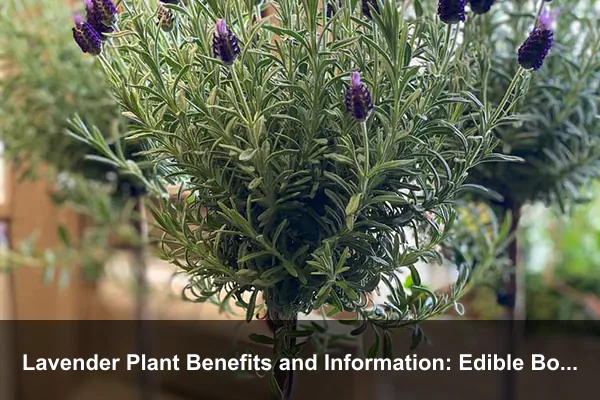
Lavender is often described as a calming purple flower, but that label only captures a small part of its value. When planned well, this Mediterranean herb can work as a fragrant edging plant, a low-input garden feature, a culinary accent, a cut-flower crop, and a useful household herb. This guide to Lavender plant benefits and information focuses on a unique angle: using lavender as an edible, aromatic border that connects garden design with practical everyday use.
For readers interested in Manfaat Tanaman, or the practical benefits of plants, lavender is a strong example because its value comes from more than one feature. The flowers attract attention, the foliage releases scent when brushed, the stems dry well, and the plant thrives in lean conditions where many thirsty ornamentals struggle. The key is understanding what lavender naturally wants: sun, drainage, airflow, careful harvesting, and realistic expectations about wellness claims.
What Makes Lavender Useful in a Home Garden
Lavender belongs to the genus Lavandula, a group of aromatic shrubs in the mint family. The best-known garden types include English lavender, lavandin hybrids, Spanish lavender, and French lavender. They vary in flower shape, fragrance strength, cold tolerance, and culinary usefulness, but most share the same basic preference for bright sun and fast-draining soil.
Unlike leafy herbs that are harvested constantly, lavender is best treated as a small woody shrub. It builds a permanent framework of stems, produces narrow grey-green leaves, and sends up flower spikes during the warm season. This structure makes lavender especially useful as a border plant along paths, patio edges, herb beds, vegetable gardens, and sunny entrances.
A Plant With Multiple Everyday Benefits
The main lavender plant benefits come from its combination of fragrance, form, and resilience. It can soften hard paving, guide movement through a garden, provide small seasonal harvests, and create a sensory cue without needing constant watering or rich soil. In a small home garden, one compact lavender hedge can serve several roles at once.
- Fragrance: Leaves and flowers release a clean herbal aroma, especially in warm sun or when lightly touched.
- Design value: The mounded shape and silvery foliage give structure even when flowers are not open.
- Harvest value: Flower spikes can be cut for small culinary, decorative, or household uses.
- Low-input growth: Established plants need less feeding and watering than many bedding flowers.
- Garden movement: A row of lavender can define walkways, vegetable beds, or seating areas naturally.
Why Lavender Works Well as a Border
Lavender is especially effective near edges because it rewards close contact. When someone walks beside it, the foliage releases scent. When planted in a line, it creates rhythm without looking heavy. When trimmed after bloom, it stays compact enough for small spaces. This makes it more than a decorative herb; it becomes part of how a garden is experienced.
Planning an Edible and Fragrant Lavender Border
An edible lavender border is not the same as a purely ornamental hedge. It needs a clean site, a suitable variety, and a harvest plan that keeps the plant healthy. If you want flowers for food, choose plants that have not been treated with unsuitable pesticides, avoid roadside pollution, and harvest only from plants you can identify confidently.
Best Places to Plant Lavender Edging
Lavender performs best where heat, light, and drainage meet. A sunny path, gravel strip, raised herb bed, dry slope, courtyard, or south-facing container can all work well. Avoid low corners where rainwater collects. Lavender dislikes wet roots more than it dislikes dry air, so the best site is often the one that feels slightly too lean for thirstier ornamentals.
Good border locations include the front of a sunny vegetable garden, the edge of a kitchen herb area, the side of a patio where people can enjoy the scent, or a narrow strip along a walkway. In humid climates, leave extra space between plants so air can move through the foliage. Crowded lavender may look full at first, but poor airflow can shorten its life.
Choosing Lavender for Culinary Use
For edible use, English lavender, especially Lavandula angustifolia, is usually the preferred choice because its flavor is softer and less camphorous than many ornamental types. Lavandin hybrids can be beautiful and strongly scented, but their flavor may be sharper. Spanish and French lavenders are often grown for looks rather than kitchen use.
Use lavender in food with restraint. A small amount can add floral depth to sugar, shortbread, lemonade, tea blends, honey, or fruit desserts, but too much can taste soapy. The best culinary approach is to treat lavender as an accent rather than a main flavor.
Spacing for a Clean Border
Spacing depends on the mature size of the variety. Compact cultivars may sit 12 to 18 inches apart for a low edge, while larger lavenders may need 24 to 36 inches. Planting too closely creates a quick visual result, but it can increase humidity around the crown. For long-term health, allow enough space for each plant to keep its rounded shape.
Lavender Soil, Light, and Water Information
Most lavender failures begin below the surface. Gardeners often give lavender rich soil, frequent watering, and soft shade because those conditions help many other plants. Lavender is different. It comes from environments where drainage is excellent, fertility is moderate to low, and sunshine is strong.
Light Comes First
Lavender needs full sun for dense growth, strong fragrance, and good flowering. In practical terms, aim for at least six hours of direct sun per day, with more being better in mild climates. Plants in partial shade may survive, but they often become loose, leafy, and less fragrant. If your site has morning sun only, choose the brightest position available and avoid crowding it with taller plants.
Drainage Matters More Than Fertility
The Royal Horticultural Society lavender growing guide notes that lavender thrives in sunny, free-draining conditions and does not perform well in wet, heavy soil. This is one of the most important pieces of lavender plant information for beginners. If your soil is clay, improve drainage by planting on a mound, ridge, raised bed, or gravelly mix rather than simply adding fertilizer.
Lavender generally prefers neutral to alkaline soil, but many plants tolerate slightly acidic conditions if drainage is excellent. Avoid heavy manure and high-nitrogen fertilizer. Too much nitrogen can push soft, floppy growth at the expense of flowers and fragrance. A leaner soil often produces a sturdier, more aromatic plant.
Watering Without Overdoing It
New lavender plants need regular watering while roots establish, especially during their first warm season. Once established in the ground, lavender is relatively drought tolerant. Containers dry faster, so potted lavender needs more frequent checks, but the potting mix should still drain quickly. Water deeply, then let the upper mix dry before watering again.
In rainy climates, winter wetness is often more dangerous than summer dryness. A container placed where it receives constant cold rain can fail even if it looked healthy in summer. Use pots with large drainage holes, avoid saucers that hold water, and move containers into a rain-sheltered but bright position during the wettest months if needed.
Seasonal Lavender Calendar for Better Results
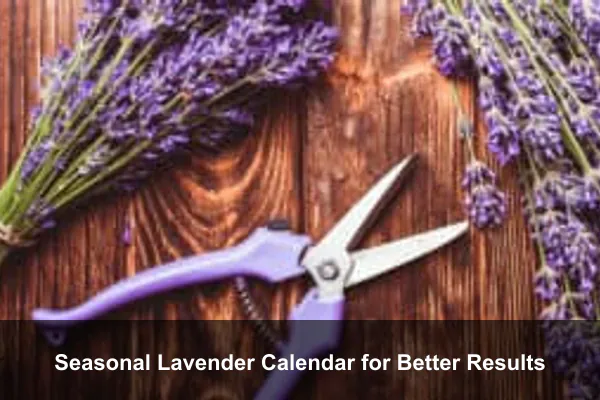
A simple seasonal plan helps you get more value from lavender without overworking the plant. Instead of reacting to problems, you can match planting, pruning, harvesting, and protection to the natural growth cycle.
Spring: Planting and Shape Building
Spring is a good time to plant lavender in many climates because soil is warming and roots have time to establish before extreme heat or winter wet. Choose healthy plants with firm stems, compact growth, and no sour smell from the pot. If roots are tightly circling, loosen them gently before planting. Set the crown at the same level it grew in the nursery pot.
Light shaping in spring can tidy frost-damaged tips, but avoid cutting deeply into old woody stems. Lavender does not reliably regrow from bare old wood. Your goal is to encourage a leafy framework that can support flowers later in the season.
Summer: Flowering and Harvesting
Summer is the main season for fragrance and bloom. Harvest stems when several buds have colored and some flowers are just beginning to open. For dried bundles, cut on a dry morning after dew has evaporated. For fresh culinary use, choose clean, unsprayed flowers and use them sparingly.
Keep harvesting moderate. Removing every flowering stem can reduce visual value and wildlife activity, while leaving all stems to age on the plant can make it look tired. A balanced approach is to harvest part of the bloom and leave part for garden display.
Late Summer to Autumn: Pruning and Renewal
After the main flowering period, trim spent flower stems and lightly shape the leafy growth. Do not shear into bare wood. A good rule is to keep some green growth below every cut. This post-bloom trimming helps the plant stay compact and reduces the chance of a woody, open center.
In mild climates, lavender may produce a smaller second flush after trimming. In colder areas, avoid pruning too late because fresh tender growth may be damaged by frost. The timing should match your local season rather than a fixed calendar date.
Winter: Drainage and Protection
Winter care is mostly about avoiding wet crowns and frozen waterlogged roots. In-ground plants benefit from open exposure and free-draining soil. Container plants may need shelter from heavy rain. Do not wrap lavender so tightly that airflow disappears. Cold plus stagnant moisture is a common cause of decline.
Harvesting Lavender for Food, Linen, and Household Use
Lavender harvests are small but valuable. One healthy border can provide enough stems for kitchen sugar, sachets, small bouquets, drawer fresheners, bath blends, or handmade gifts. The quality of the harvest depends on timing and cleanliness.
How to Harvest Cleanly
Use sharp, clean snips and cut stems above leafy growth. Avoid tearing or crushing the crown. Gather stems loosely rather than packing them into a damp pile. If you plan to use lavender in food, harvest from plants grown without unsuitable sprays and rinse only if necessary. Excess moisture slows drying and can reduce fragrance quality.
Drying Without Losing Scent
For dried lavender, bundle small groups of stems and hang them upside down in a warm, shaded, airy place. Direct sun can fade color and weaken fragrance. Once dry, store the buds in an airtight container away from heat and light. Label the container with the harvest date so you can use older material first.
Simple Uses That Fit Everyday Life
Lavender does not need complicated processing to be useful. The simplest uses are often the best. A few dried stems in a linen closet, a small pinch of culinary lavender in sugar, or a bundle near a work desk can make the plant feel connected to daily routines.
- Add a small amount of dried culinary lavender to sugar for baking.
- Mix dried buds with other herbs for sachets or drawer fresheners.
- Use fresh stems in small bouquets for a fragrant table accent.
- Combine dried lavender with rosemary or mint in handmade herb bundles.
- Save trimmed stems for aromatic fire starters only if they are fully dry and used safely.
Realistic Wellness Benefits and Safety Notes
Lavender has a long history in traditional home routines, especially for scent, relaxation, and personal care. However, it is important to separate practical plant benefits from medical promises. Lavender can support a pleasant environment, but it should not be presented as a cure for anxiety, insomnia, headaches, skin disease, or any medical condition.
What Research Says About Lavender
The National Center for Complementary and Integrative Health explains that lavender is promoted for several wellness uses, but evidence varies by product and use. Aromatherapy with lavender oil is generally considered possibly safe for many adults, though it can cause side effects such as headache or coughing in some people. Oral lavender products should be approached carefully and not treated as ordinary garden use.
For a home gardener, the safest and most realistic benefit is environmental: lavender can make a room, walkway, or patio feel more pleasant through scent and visual beauty. That is meaningful, but it is different from claiming that the plant treats a health problem.
Essential Oil Is Not the Same as the Plant
Lavender essential oil is concentrated. A few drops contain far more aromatic compounds than a handful of flowers. Do not swallow essential oil unless guided by a qualified health professional using a product intended for that purpose. Keep essential oils away from children, pets, eyes, and sensitive skin. If using diluted oil topically, patch testing is prudent because natural products can still irritate.
Pet and Family Safety
Households with animals should be cautious. The ASPCA lists lavender as toxic to dogs, cats, and horses. This does not mean every garden plant will cause an emergency, but it does mean chewing, eating, or exposure to concentrated oils can be risky. Place lavender and lavender products where pets are unlikely to ingest them, and contact a veterinarian if ingestion is suspected.
Pregnant people, nursing people, children, and anyone taking medication should be especially careful with concentrated lavender supplements or essential oils. Enjoying a plant in the garden is very different from using concentrated extracts internally or therapeutically.
Common Mistakes That Limit Lavender Benefits
Lavender is often called easy, but it is only easy when its basic needs are respected. Many problems come from treating it like a moisture-loving bedding plant. Avoiding a few common mistakes will protect both the plant and the benefits you hope to get from it.
- Planting in wet clay: Poor drainage causes root stress and crown rot. Use raised beds, mounds, or containers if needed.
- Overfeeding: Rich fertilizer can produce weak, leafy growth with fewer flowers.
- Watering on a fixed schedule: Check soil moisture instead. Lavender prefers drying between waterings.
- Cutting into old wood: Deep pruning can leave bare sections that never fill in.
- Choosing the wrong type: A beautiful ornamental lavender may not be the best choice for food or cold climates.
- Skipping airflow: Tight spacing can trap humidity and reduce plant life.
- Expecting indoor performance: Lavender usually struggles indoors unless it receives very bright light and excellent airflow.
How to Choose the Right Lavender for Your Purpose
Before buying lavender, decide what role the plant should play. The best choice for a culinary border may not be the best choice for a dramatic patio pot. Matching the variety to the purpose gives better results and reduces disappointment.
For Edible Borders
Choose English lavender or a cultivar clearly sold for culinary use. Look for compact growth, strong but not harsh fragrance, and healthy leaves. Confirm that the plant has not been treated with chemicals unsuitable for edible herbs. If in doubt, grow the plant for a season before harvesting for food.
For Scent and Cut Stems
Lavandin hybrids are often grown for long stems and strong fragrance. They can be excellent for sachets, dried bundles, and visual impact. Their larger size works well in bigger beds, but they may overwhelm a narrow path edge if planted too close.
For Containers and Decorative Displays
Compact lavender types are better for pots. Use a container with drainage holes, a gritty mix, and a bright location. Decorative Spanish lavender can be attractive in containers because of its showy flower bracts, but it may be less cold hardy than English lavender in some regions.
Lavender in Sustainable Garden Planning
Lavender supports sustainable gardening when it is placed where its natural strengths reduce extra inputs. It is not sustainable if forced into shade, wet soil, or an indoor corner where it needs constant rescue. The plant becomes more efficient when the site does most of the work.
In a low-waste garden, lavender can replace short-lived bedding plants in sunny dry edges. It can provide repeat harvests for several years, reduce the need for frequent watering after establishment, and offer evergreen or semi-evergreen structure depending on climate. The trimmed material can be dried for use rather than discarded immediately.
Pairing Lavender With Compatible Plants
Good companions are plants that also enjoy sun and drainage. Rosemary, thyme, sage, oregano, santolina, yarrow, and many Mediterranean-style ornamentals can share similar conditions. Avoid pairing lavender too closely with moisture-loving herbs such as mint, parsley, or cilantro, because their watering needs conflict.
Using Lavender in Small Spaces
Even one plant can be useful in a balcony or courtyard. Place it where it receives the strongest sun and where the scent can be noticed, such as near a chair or doorway. A single container will not produce a large harvest, but it can still provide flowers for occasional use and bring structure to a small outdoor area.
Quick Lavender Planning Checklist
Use this checklist before planting or redesigning a lavender area. It keeps the focus on practical decisions rather than impulse buying.
- Choose a site with at least six hours of direct sun.
- Check drainage after rain before planting.
- Select English lavender for culinary use, unless another type is clearly labeled safe and suitable.
- Space plants based on mature width, not nursery pot size.
- Water regularly during establishment, then reduce once roots are settled.
- Harvest only clean, correctly identified flowers.
- Prune lightly after flowering while keeping cuts above green growth.
- Keep essential oils and dried buds away from pets and small children.
Conclusion
Lavender plant benefits and information become most useful when the plant is understood as a practical garden partner, not just a pretty purple flower. Its strongest value comes from the way it combines fragrance, structure, low-input growth, small harvests, and sensory appeal in one compact shrub. When used as an edible and fragrant border, lavender can make a garden more organized, more aromatic, and more connected to daily home routines.
The best results come from matching lavender to the right place: full sun, excellent drainage, moderate fertility, and enough airflow. Choose culinary-friendly types for food, treat essential oils with caution, protect pets from ingestion, and keep wellness claims realistic. With thoughtful planning, lavender becomes a long-lasting herbal plant that offers beauty, function, and practical benefits season after season.
