
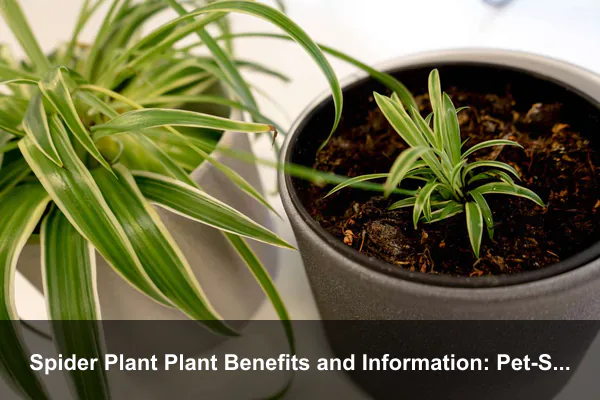
Spider Plant plant benefits and information are often summarized with one simple idea: this is an easy houseplant. That is true, but it is not the most useful way to understand Chlorophytum comosum. A Spider Plant is also a practical indoor indicator plant, a pet-conscious decorating choice, and a low-waste option for people who want greenery without complicated routines.
This guide takes a different angle from a basic care article. Instead of only repeating that Spider Plants are beginner-friendly, it explains how to use the plant wisely in real homes: what its leaves can tell you about light and water, where its benefits are realistic, what air-cleaning claims mean, and how to keep it attractive without letting plantlets or brown tips become a constant problem.
What Makes Spider Plant Valuable in Modern Homes
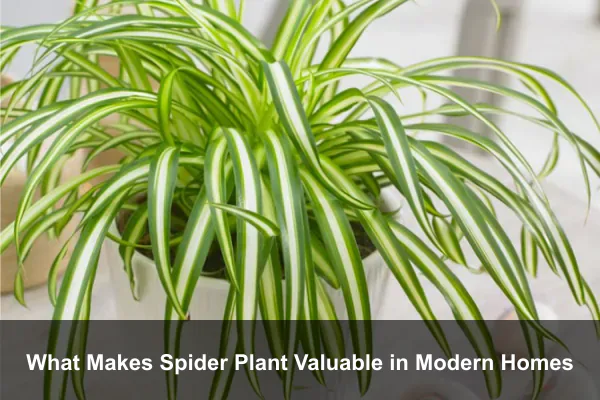
The Spider Plant is a clump-forming ornamental plant known for long arching leaves, often striped green and white. Its most familiar varieties include variegated Spider Plant, reverse variegated Spider Plant, and solid green forms. The plant grows from thick, fleshy roots that store moisture, which helps explain why it forgives occasional missed watering better than many tropical foliage plants.
Basic botanical information
Spider Plant belongs to the asparagus family, Asparagaceae. It is native to parts of southern Africa and is commonly grown indoors worldwide because it adapts well to containers, hanging baskets, shelves, and bright corners. Mature plants produce long stems with small white flowers, followed by baby plants commonly called spiderettes.
Why it suits changing indoor conditions
Many homes do not have greenhouse-level stability. Light changes by season, humidity drops during air-conditioning or heating, and watering schedules are not always perfect. Spider Plant handles these fluctuations because it has flexible growth habits and water-storing roots. That does not mean it thrives on neglect, but it usually gives clear visual warnings before serious damage occurs.
Real Benefits of Spider Plant Beyond Decoration
The main Spider Plant plant benefits and information worth knowing are practical rather than dramatic. This plant can improve how a room feels, soften hard interior lines, support a greener routine, and help new plant owners learn basic observation skills.
A pet-conscious houseplant option
One major advantage is that Spider Plant is widely regarded as non-toxic to cats and dogs. This makes it a useful choice for households that avoid riskier ornamental plants. However, non-toxic does not mean edible. Pets that chew too many leaves may still experience mild stomach upset, and cats may be especially attracted to the dangling leaves.
Air quality claims, explained honestly
Spider Plant is often linked with indoor air studies, especially because it has been tested for its ability to absorb certain pollutants under controlled conditions. In a normal home, one plant will not replace ventilation, cleaning, or air filtration. Its real air-related benefit is more modest: it adds living greenery, may contribute slightly to humidity around its leaves, and encourages people to create calmer, fresher indoor spaces.
For realistic indoor wellness, use Spider Plant as part of a broader healthy home routine:
- Open windows when outdoor air quality is safe.
- Reduce dust on leaves so the plant can photosynthesize well.
- Avoid overwatering, which can lead to musty soil.
- Keep plants away from mold-prone corners.
- Use clean pots with drainage holes.
Brown Tips, Pale Leaves, and Other Plant Signals
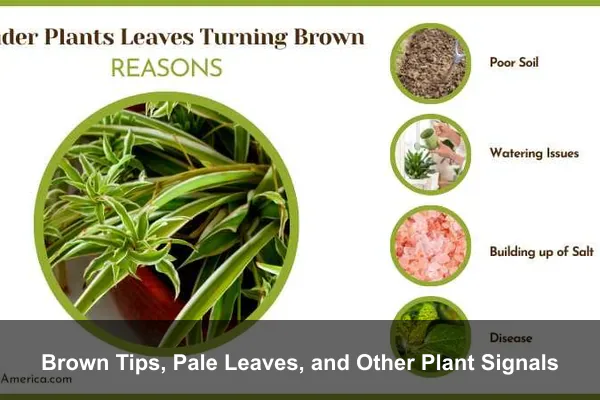
One unique benefit of Spider Plant is that it communicates problems clearly. Its long leaves show water stress, mineral buildup, light imbalance, and low humidity in visible ways. Learning these signals helps you care for other indoor plants too.
Brown leaf tips
Brown tips are the most common Spider Plant complaint. They are usually caused by fluoride or mineral buildup in tap water, inconsistent watering, dry air, or fertilizer excess. Trim the brown edges with clean scissors if the appearance bothers you, but also correct the cause.
To reduce brown tips, try these steps:
- Use filtered, rain, or rested water when possible.
- Flush the potting mix every few months to remove mineral salts.
- Fertilize lightly during active growth, not heavily year-round.
- Keep the soil evenly moist, not constantly wet.
Pale or faded leaves
Pale leaves may mean the plant is receiving too much direct sun or not enough nutrients. Variegated Spider Plants can scorch in harsh afternoon light, while plants in deep shade may lose strong contrast. Bright, indirect light usually gives the best color.
Soft crowns and yellowing bases
If the center of the plant feels soft or lower leaves yellow quickly, overwatering may be the issue. Spider Plants prefer moisture, but their roots need oxygen. A pot without drainage or dense, soggy soil can cause root rot even in a generally forgiving plant.
Practical Spider Plant Care Snapshot
Spider Plant care is simple, but small adjustments make a big difference in appearance. The goal is steady growth, clean leaves, and a root zone that dries slightly between waterings.
Light requirements
Place Spider Plant in bright indirect light. Morning sun is usually fine, but intense afternoon sun can burn leaf tips and fade variegation. In lower light, the plant may survive but grow more slowly and produce fewer plantlets.
Watering routine
Water when the top inch of soil feels dry. During warm months, this may be once a week. In cooler or darker conditions, watering may be needed less often. Always adjust by checking the soil rather than following a fixed calendar.
Soil and potting
A light, well-draining potting mix works best. Standard indoor potting soil can be improved with perlite, coco coir, or fine bark. Choose a pot with drainage holes, and repot when roots circle tightly or water runs straight through the container.
Using Spider Plant in Small Spaces and Family Rooms
Spider Plant is especially useful where floor space is limited. Its arching shape looks full without needing a large pot, and its leaves bring movement to shelves, plant stands, and hanging corners.
Best placement ideas
Use a hanging basket near a bright window, place a compact plant on a bathroom shelf with filtered light, or set one on a high cabinet where leaves can trail safely. In family rooms, keep the plant where children and pets can see it but not constantly pull at the stems.
Design benefits
The striped foliage works well with wood, white walls, ceramic pots, and natural textures. Unlike large statement plants, Spider Plant does not dominate a room. It adds freshness while staying visually light, making it suitable for apartments, desks, kitchens, and rented homes.
Propagation Without Clutter
Spider Plants are famous for producing plantlets, but too many dangling babies can make the plant look untidy. The key is intentional propagation. Keep only the strongest plantlets and remove extras before the parent plant spends too much energy supporting them.
For clean propagation, wait until a plantlet has small root bumps, then place it in moist potting mix while still attached to the stem. After it roots, cut the stem. You can also root detached plantlets in water, but moving them to soil early usually produces stronger container growth.
Safety, Limits, and Buying Tips
Spider Plant is a strong choice for beginners, pet-aware households, and low-maintenance indoor plant collections. Still, it has limits. It will not thrive in dark rooms, it may develop brown tips with poor water quality, and it should not be treated as a medical or air-purifying solution.
When buying a Spider Plant, choose one with firm leaves, no mushy center, and visible healthy roots if possible. Avoid plants with a sour soil smell, heavy pest damage, or blackened crowns. A few brown tips are not a deal-breaker, but widespread yellowing may suggest root stress.
Conclusion
Spider Plant plant benefits and information become more valuable when you look beyond the label of easy houseplant. This plant is useful because it is adaptable, pet-conscious, decorative, and educational. Its leaves show clear signs when water, light, or soil conditions need attention, making it a helpful plant for building better indoor gardening habits.
For the best results, give Spider Plant bright indirect light, moderate watering, clean drainage, and occasional grooming. Used thoughtfully, it becomes more than a hanging plant with baby offshoots; it becomes a practical, attractive, and reliable part of a healthier indoor environment.
