
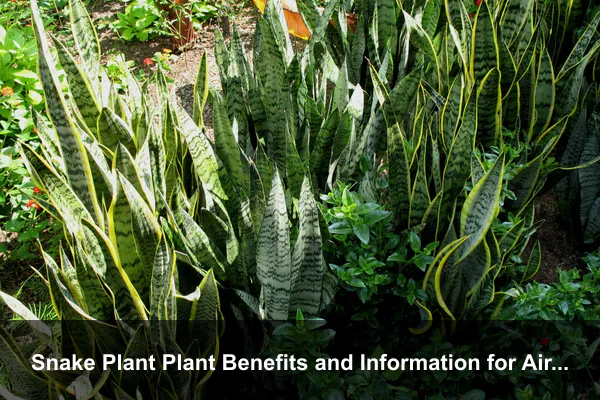
Snake Plant plant benefits and information are especially useful for people who live or work in air-conditioned spaces. Many indoor plants struggle when rooms are cool, dry, and exposed to regular airflow, but the snake plant has a structure that makes it unusually steady in modern homes, apartments, offices, and bedrooms. Its upright leaves, slow growth, and drought-tolerant nature make it a practical houseplant for people who want greenery without a demanding care schedule.
This guide takes a unique look at the snake plant as a companion for low-humidity indoor rooms. Instead of focusing only on decoration or basic propagation, it explains how the plant behaves around air conditioners, fans, dry corners, indirect light, office routines, and busy households. You will learn the realistic benefits, essential plant information, safe placement tips, watering rules, and common mistakes to avoid so your snake plant can remain attractive and healthy for years.
Why Snake Plant Fits Air-Conditioned Homes

The snake plant, commonly sold under names such as mother-in-law’s tongue or Sansevieria, is now botanically grouped in the genus Dracaena. The most common species in homes is Dracaena trifasciata. It is valued because it has thick, sword-like leaves that rise directly from the soil and hold moisture more efficiently than many soft-leaved houseplants.
Air-conditioned rooms can be challenging for indoor greenery. Cool air slows soil drying in some pots, while direct airflow can dry leaf surfaces. Many people respond by watering too often because the room feels dry, even when the root zone remains damp. Snake plant care is easier because the plant prefers a pause between watering and can tolerate normal indoor humidity better than ferns, calatheas, and many tropical foliage plants.
Thick Leaves Store Water
Snake plant leaves are firm because they store water and resist quick moisture loss. This is one reason the plant performs well in rooms where the air conditioner runs for long hours. It does not need misting, pebble trays, or constant humidity correction. In fact, excessive moisture around the roots is a greater risk than dry air.
Upright Growth Saves Space
Unlike trailing plants that spread across shelves or palms that need wide floor space, snake plants grow vertically. This makes them useful in apartments, bedrooms, reception areas, study corners, and compact offices. A narrow pot can add strong green lines without blocking foot traffic or crowding furniture.
Slow Growth Means Less Maintenance
Slow growth is often a benefit indoors. A snake plant does not quickly outgrow its pot, demand frequent pruning, or create constant leaf litter. For people who travel, work long hours, or prefer a calm home routine, this predictable growth habit is one of the most valuable snake plant benefits.
Key Snake Plant Benefits in Dry Indoor Rooms
The main benefits of snake plant are practical rather than magical. It can make a room feel fresher, more organized, and visually softer, but it should not be treated as a substitute for ventilation, cleaning, or medical air-quality solutions. Its value comes from being durable, attractive, compact, and easy to maintain.
- Low water demand: The plant can go longer between watering than many common houseplants.
- Good fit for low humidity: It tolerates dry indoor air without constant misting.
- Strong visual structure: Upright leaves add greenery without a messy footprint.
- Beginner-friendly care: It gives clear warning signs before major decline if checked regularly.
- Long-term value: With proper soil and watering, a snake plant can remain attractive for many years.
Realistic Air Quality Expectations
Snake plants are often promoted as air-purifying plants. Laboratory studies have shown that some plants can interact with certain airborne compounds under controlled conditions, but a normal home is more complex. One or two plants will not replace open windows, exhaust fans, filters, or good cleaning habits. The more reliable benefit is that a snake plant encourages a greener, cleaner-looking space and can support better indoor routines.
Visual Calm and Biophilic Value
Indoor plants can make rooms feel less sterile, especially in spaces dominated by screens, air conditioning, tile, glass, or plain walls. Snake plant leaves bring a natural pattern into the room without strong scent, pollen-heavy flowers, or messy petals. For shared offices and fragrance-sensitive homes, this is a quiet advantage.
Low-Mess Greenery
Snake plants rarely shed leaves when healthy. They do not need frequent deadheading, do not drop flowers across desks, and do not require daily trimming. Dust can collect on the broad leaves, but this is easy to manage with a soft damp cloth every few weeks.
Plant Information: Names, Origin, and Growth Habit
Understanding basic snake plant information helps you care for it correctly. Many care mistakes happen because people treat it like a soft tropical plant that wants frequent water and rich, damp soil. In reality, snake plants are adapted to survive dry periods and prefer oxygen around their roots.
Common Names and Botanical Name
The plant is widely known as snake plant, mother-in-law’s tongue, bowstring hemp, and Sansevieria. In current botanical classification, many plants once placed in Sansevieria are included in Dracaena. You may still see old labels in garden centers, and that is normal. For practical care, the older name remains common in the houseplant trade.
Leaf Form and Root System
Snake plants grow from underground rhizomes. These thick root structures store energy and send up new leaves or pups. Because the plant stores water in both leaves and rhizomes, the roots should not sit in soggy soil. A pot that drains well is more important than a decorative container with no drainage hole.
Popular Types for Indoor Use
Several snake plant varieties fit air-conditioned rooms. Tall forms create a bold vertical accent, while compact forms work on desks, shelves, and side tables.
- Dracaena trifasciata ‘Laurentii’: Tall green leaves with yellow margins, useful for floor pots.
- ‘Zeylanica’: Green and silver banded leaves with a softer, natural look.
- ‘Moonshine’: Pale silvery leaves that brighten darker decor.
- ‘Hahnii’: A compact bird’s nest form suitable for tabletops.
- Cylindrical snake plant: Rounded spear-like leaves that suit modern interiors.
Best Placement Around AC, Fans, and Low Light

Placement is the difference between a snake plant that merely survives and one that keeps firm, clean leaves. The plant tolerates a range of conditions, but it still grows best when protected from extremes. Air conditioning, fans, and low light are manageable if you avoid direct blasts and watch soil moisture.
Keep It Away From Direct Cold Airflow
A snake plant can handle cool indoor rooms, but it should not sit directly under an air-conditioner vent or in the path of a strong fan all day. Constant cold airflow may dry leaf tips, stress new growth, and make the potting mix behave unpredictably. A distance of several feet from the vent is usually better than placing the pot directly beneath it.
Use Bright Indirect Light When Possible
Snake plants tolerate low light, but they grow stronger in bright indirect light. In a dim office corner, growth may slow and watering needs will decrease. Near an east-facing window, filtered balcony door, or bright room with no harsh afternoon sun, the plant usually maintains better color and leaf firmness.
Room-by-Room Placement Ideas
In a bedroom, place a snake plant near a dresser, reading chair, or window-side corner where it receives indirect light. In an office, keep it beside a filing cabinet, low shelf, or meeting room wall instead of crowding the desk. In a living room, use a taller variety beside a media console or sofa end where the vertical leaves balance horizontal furniture lines. In a hallway, choose a sturdy pot so the plant is not easily knocked over.
Watering Rules for Air-Conditioned Spaces
The most common snake plant mistake is overwatering. Dry indoor air can trick you into thinking the plant needs water, but what matters is the moisture level inside the pot. Air conditioning may dry the top layer of soil while the deeper root zone remains wet. Always check before watering.
Dry Air Does Not Always Mean Dry Soil
Push a finger or wooden skewer into the mix before watering. If the top looks dry but the deeper soil still feels cool and damp, wait. Snake plants prefer a complete or near-complete drying period between waterings. In low light or cool AC rooms, this may mean watering only every few weeks.
A Simple Watering Method
- Check the soil at least two inches deep.
- Water only when the mix is dry through most of the pot.
- Pour water evenly until some drains from the bottom.
- Empty the saucer so the pot never stands in water.
- Wait for the soil to dry again before the next watering.
Signs You Are Watering Too Often
Soft leaves, yellowing at the base, a musty smell, or a wobbly plant can indicate root stress. If the base feels mushy, act quickly by removing the plant from wet soil, trimming damaged roots or leaves, and repotting into a dry, fast-draining mix. Overwatering is easier to prevent than repair.
Soil, Pot, and Drainage for Long-Term Health
Snake plant soil should be airy, fast-draining, and not overly rich. A heavy garden soil or dense indoor potting mix can hold too much water, especially in a cool room. The best potting approach is to combine drainage, stability, and root oxygen.
Choose a Fast-Draining Mix
A cactus or succulent mix is often suitable, but it can be improved with extra pumice, perlite, coarse sand, or fine bark depending on what is available. The goal is a mix that wets evenly but does not stay soggy for many days. If the plant is in a large decorative pot, be even more careful because big pots dry slowly.
Pick the Right Pot Size
Snake plants do not need oversized containers. A pot that is only slightly larger than the root ball is usually better. Too much unused soil around the roots holds moisture and increases the chance of rot. Because tall snake plants can become top-heavy, choose a pot with enough weight or a broad enough base to stay stable.
Drainage Holes Are Not Optional
A decorative cachepot is fine if the actual nursery pot inside has drainage. After watering, let excess water drain fully before returning it to the outer container. If you plant directly into a sealed pot, the water has nowhere to go, and root problems become much more likely.
Common Problems and Practical Fixes
Snake plants are resilient, but they are not indestructible. Most problems come from mismatched watering, poor drainage, sudden temperature stress, or very low light over a long period. The good news is that the plant’s stiff leaves make many symptoms easy to notice.
Wrinkled or Folding Leaves
Wrinkled leaves may mean underwatering, root damage, or long-term stress. First, check the soil. If it is bone dry and has pulled away from the pot edge, water thoroughly and let it drain. If the soil is damp but leaves are wrinkled, the roots may be damaged and unable to absorb moisture.
Brown Leaf Tips
Brown tips can come from inconsistent watering, mineral buildup, physical damage, or direct airflow. Trim only the dry part if it bothers you visually, but avoid cutting deeply into healthy tissue. More importantly, correct the cause by moving the plant away from vents, watering properly, and occasionally flushing the soil if fertilizer salts build up.
Leaning Leaves
Leaves may lean when the plant reaches for light, when the pot is too small to anchor the rhizomes, or when roots are weak from excessive moisture. Rotate the pot occasionally and give it brighter indirect light. If the plant is crowded and pushing against the pot, repotting or dividing may be helpful.
Pests
Snake plants are not especially pest-prone, but mealybugs and spider mites can appear. Inspect the base of leaves and the tight spaces between growth points. A quick response with gentle cleaning, isolation, and appropriate houseplant pest treatment can prevent spread to other plants.
Safety for Pets, Children, and Shared Offices
Snake plant is useful indoors, but it should be placed thoughtfully. The plant contains compounds that can irritate pets or people if chewed. It is not a snack plant, herbal remedy, or edible decoration. In homes with cats, dogs, toddlers, or curious children, keep it out of reach or choose a location where the leaves are not tempting.
Pet-Aware Placement
If a pet likes chewing plants, do not place a snake plant at floor level. Use a plant stand, shelf, or room where pets have limited access. Watch for chewing marks, broken tips, or scattered soil. If a pet eats part of the plant and shows symptoms such as drooling, vomiting, or unusual behavior, contact a veterinarian.
Office and Public Space Tips
In offices, choose heavy pots that will not tip easily. Avoid placing tall snake plants where bags, chairs, or cleaning equipment will hit the leaves. A healthy snake plant can last well in shared spaces if one person is responsible for watering. Multiple people watering the same plant is a common reason office plants decline.
How to Use Snake Plant in a Low-Maintenance Indoor Routine
A good routine keeps snake plant care simple. The plant does not need daily attention, but it benefits from regular observation. Think of care as a short monthly check rather than a complicated plant schedule.
Weekly Quick Check
- Look for leaning, soft leaves, or sudden yellowing.
- Check whether the plant has been moved into direct airflow.
- Remove dust from leaves if the surface looks dull.
- Make sure no water is sitting in the saucer or outer pot.
Monthly Care Check
Once a month, test soil moisture deeper in the pot, inspect the base for pests, and rotate the plant if it leans toward the light. If growth is steady and leaves are firm, do not change the routine too much. Snake plants often suffer more from excessive care than from mild neglect.
Seasonal Adjustments
During warmer, brighter months, the plant may use water slightly faster. During cooler months or when the air conditioner runs constantly, growth may slow and watering should be reduced. Fertilizer is optional and should be light. A diluted balanced houseplant fertilizer during active growth is enough for most indoor snake plants.
Buying a Snake Plant for an AC Room
When buying a snake plant, choose quality over size. A healthy medium plant is better than a large stressed one in heavy soil. Inspect the leaves, base, and pot before bringing it home. The best plant will have firm leaves, no mushy areas, no sour smell, and no visible pests.
What to Check at the Store
- Leaf firmness: Leaves should feel solid, not limp or watery.
- Base condition: Avoid plants with black, soft, or collapsing bases.
- Soil moisture: Very wet soil may be a warning sign if the plant has been sitting in poor drainage.
- Pot stability: Tall leaves need a pot that can support them.
- Pest signs: Check crevices for cottony residue or tiny moving dots.
After Bringing It Home
Do not repot, fertilize, and water heavily all on the same day unless the plant is clearly in emergency soil conditions. Let it adjust for one to two weeks in bright indirect light. If the soil is wet when you buy it, wait until it dries before watering again. This gentle start helps the plant settle into its new environment.
Conclusion
Snake Plant plant benefits and information matter most when they are applied to real indoor conditions. In air-conditioned homes and low-humidity rooms, this plant stands out because it is structured, low-mess, water-wise, and tolerant of normal indoor dryness. It brings strong visual greenery to bedrooms, offices, apartments, and shared spaces without demanding daily care.
The key is to respect what the snake plant is built for. Give it bright indirect light when possible, keep it away from direct cold airflow, use a draining pot, water only after the soil dries, and place it safely around pets and children. With those basics in place, the snake plant becomes more than a popular houseplant. It becomes a reliable, long-lasting part of a calmer and easier indoor routine.
