
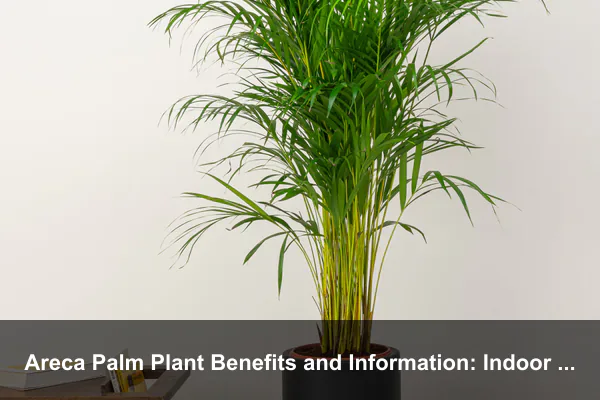
The areca palm is one of the most recognizable indoor palms, loved for its soft arching fronds, bright green color, and relaxed tropical look. If you are searching for Areca Palm plant benefits and information, this guide explains what makes this plant useful, attractive, and practical for homes, offices, apartments, and shaded patios.
Unlike many compact houseplants, the areca palm creates height, movement, and a natural privacy effect without feeling heavy. It is often chosen as a living room statement plant, a bedroom greenery feature, or a fresh corner accent in workspaces. Its main appeal comes from a combination of ornamental beauty, indoor comfort, pet-friendly reputation, and manageable care when its basic needs are understood.
In the context of manfaat tanaman, or plant benefits, the areca palm is best appreciated as a decorative indoor plant that can help improve the atmosphere of a room. It is not a miracle plant, but it can support a calmer, greener, more comfortable living space when placed correctly and cared for consistently.
What Is an Areca Palm?
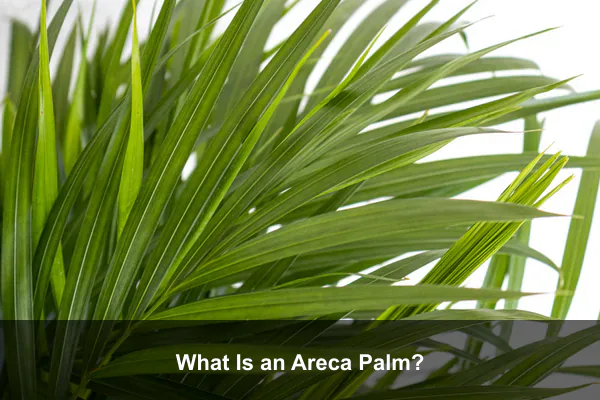
The areca palm, commonly known as Dypsis lutescens, is a tropical palm with multiple cane-like stems and feathery fronds. It is also called butterfly palm, golden cane palm, or bamboo palm in some regions. The plant gets its airy appearance from long leaflets arranged along arching stems, giving it a soft, layered shape.
In its natural tropical environment, the areca palm can grow quite tall. Indoors, it usually remains more controlled, often reaching around 4 to 7 feet depending on pot size, light, humidity, and age. This makes it large enough to become a visual feature while still suitable for many home interiors.
Basic Areca Palm Information
- Botanical name: Dypsis lutescens
- Common names: Areca palm, butterfly palm, golden cane palm
- Plant type: Tropical ornamental palm
- Best location: Bright indoor area with indirect light
- Growth habit: Upright clumps with arching fronds
- Care level: Moderate, beginner-friendly with consistent watering
- Pet safety: Commonly considered non-toxic to cats and dogs
The areca palm is different from tougher, low-light plants because it looks best when given bright filtered light and stable moisture. It rewards attentive care with fuller fronds and a fresher tropical appearance.
Key Areca Palm Plant Benefits
The benefits of the areca palm are mostly related to indoor comfort, natural decor, and emotional atmosphere. It is a plant that changes how a room feels, not just how it looks.
1. Adds a Tropical, Relaxing Look
One of the strongest areca palm plant benefits is its ability to soften interior spaces. The fronds create a light, flowing shape that works well in modern, minimalist, bohemian, tropical, Scandinavian, and natural-style interiors.
Placed beside a sofa, near a window, behind a reading chair, or in an office corner, the areca palm instantly adds life without needing colorful flowers. Its green fronds make a room feel calmer and more grounded.
2. Helps Improve Indoor Atmosphere
Houseplants can make indoor spaces feel more comfortable and welcoming. The areca palm is often chosen because its leaf mass and upright form give a stronger greenery effect than small tabletop plants. This makes it useful for rooms that feel plain, dry, or visually empty.
While no single plant should be treated as a replacement for ventilation or air cleaning systems, an areca palm can support a more pleasant indoor environment as part of a healthy home setup.
3. Supports Natural Humidity Around the Plant
Because it has many fronds, the areca palm can release moisture through transpiration. This may help the immediate area around the plant feel slightly fresher, especially when several plants are grouped together. For people who live in air-conditioned rooms or dry indoor spaces, this is one reason areca palms remain popular.
However, the effect depends on plant size, room airflow, humidity level, and watering consistency. Think of it as a natural comfort feature, not a substitute for a humidifier in very dry rooms.
4. Works as a Natural Room Divider
The areca palm grows in a clumping shape, so it can be used to create visual separation. In open-plan homes, studios, cafes, or office corners, it can help divide areas without a solid wall.
This benefit is especially useful in small spaces because the plant adds height and privacy while keeping the room visually open. Its fronds filter the view rather than blocking it completely.
5. Pet-Friendly Indoor Greenery
Many indoor plant lovers worry about pets chewing leaves. The areca palm is commonly listed as non-toxic to cats and dogs, which makes it a preferred option compared with some ornamental plants that may be risky for pets.
Even so, pet owners should still prevent chewing when possible. Eating too much plant material can cause stomach discomfort, and damaged fronds will make the plant look messy.
Areca Palm Care Requirements
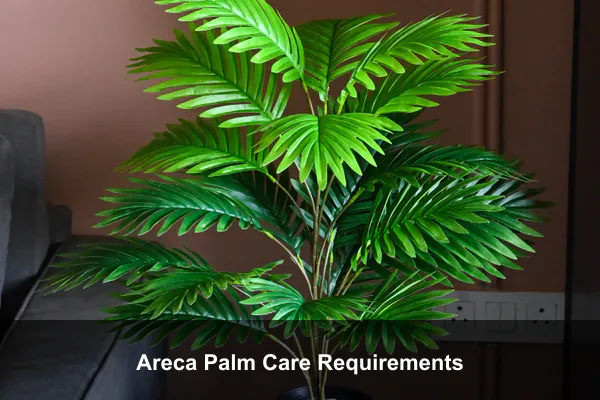
Successful areca palm care depends on balance. This plant dislikes very dry soil, but it also suffers when roots stay soggy. It enjoys brightness, but harsh direct sun can burn the leaves. Once you understand this balance, care becomes much easier.
Light Requirements
Areca palms grow best in bright, indirect light. A spot near an east-facing window, a bright room with filtered sunlight, or a few feet away from a sunny window usually works well.
If the plant receives too little light, growth may slow, stems may stretch, and fronds may become sparse. If it receives too much direct afternoon sun, leaf tips can turn brown or yellow. Sheer curtains are helpful when sunlight is intense.
Watering Tips
Water the areca palm when the top inch or two of soil feels slightly dry. The goal is evenly moist soil, not constantly wet soil. After watering, allow excess water to drain completely.
- Use a pot with drainage holes.
- Empty saucers after watering.
- Reduce watering during cooler or darker months.
- Check soil moisture with your finger before watering again.
- Avoid letting the root ball dry out completely for long periods.
Brown tips can happen from underwatering, dry air, mineral-heavy water, or inconsistent care. Yellowing leaves may indicate overwatering, poor drainage, or low light.
Humidity and Temperature
As a tropical plant, the areca palm prefers moderate to high humidity. Indoor air that is too dry may cause crispy leaf tips. You can improve humidity by grouping plants, using a pebble tray, placing the plant away from air-conditioner drafts, or using a humidifier if needed.
Keep the plant in warm indoor temperatures. Avoid cold drafts, sudden temperature changes, and direct airflow from heating or cooling units.
Soil and Potting Mix
The best soil for areca palm is loose, rich, and well-draining. A quality indoor potting mix can work well if improved with perlite, coco coir, or coarse material for drainage. Heavy garden soil should be avoided in containers because it can compact around the roots.
Choose a stable pot because mature areca palms can become top-heavy. Repot only when the plant is root-bound or the soil has degraded. Frequent repotting is not necessary and may stress the plant.
How to Use Areca Palm in Home Decor
The areca palm is more than a plant; it is a design element. Its height, texture, and movement make it ideal for creating a natural focal point without using bold colors or heavy furniture.
Best Indoor Placement Ideas
- Living room corner: Adds height and fills empty vertical space.
- Bedroom near a bright window: Creates a calm, resort-like feeling.
- Home office: Softens work areas and makes the space feel less rigid.
- Entryway: Gives a fresh first impression if enough light is available.
- Balcony or shaded patio: Works well outdoors when protected from harsh sun.
Styling Tips
Use a simple ceramic, terracotta, woven, or matte-finish planter to match your interior style. Because the leaves already provide texture, the container does not need to be overly decorative. Neutral pots highlight the plant’s green color, while natural baskets enhance the tropical look.
For a fuller display, place the areca palm near wood furniture, linen curtains, stone textures, or light-colored walls. This creates a balanced natural theme without making the room look crowded.
Common Areca Palm Problems and Solutions
Most areca palm problems are caused by watering mistakes, low humidity, poor light, or pests. Early correction usually helps the plant recover.
Brown Leaf Tips
Brown tips are common on indoor palms. They may appear because of dry air, underwatering, fertilizer buildup, or minerals in tap water. Trim only the brown part with clean scissors and improve care conditions gradually.
Yellow Leaves
Yellowing can be a sign of overwatering, poor drainage, old leaves, or insufficient light. Check the soil before adding more water. If the soil smells sour or stays wet for too long, inspect the roots and improve drainage.
Pests
Areca palms can attract spider mites, mealybugs, and scale, especially in dry indoor environments. Check the undersides of fronds regularly. Wipe leaves with a damp cloth and treat infestations early with insecticidal soap or neem-based products used according to label directions.
Slow Growth
Slow growth often means the plant needs brighter indirect light, warmer conditions, or better nutrition. During the growing season, feed lightly with a balanced houseplant fertilizer. Avoid overfertilizing, as palms can be sensitive to salt buildup.
Areca Palm Safety and Practical Considerations
The areca palm is generally a safe and friendly choice for family homes, but practical care still matters. Keep the plant stable so it does not tip over, especially in homes with children or pets. Large pots should be placed where people will not trip over the container or brush against fronds constantly.
If you have allergies or sensitivities, keep leaves dust-free. Dust can build up on large fronds and reduce the plant’s fresh appearance. A soft damp cloth or gentle shower can help clean the leaves.
Also remember that areca palms need space. A cramped corner with poor light will not show the plant at its best. Give the fronds room to arch naturally so the plant can become an attractive feature rather than a squeezed decoration.
Areca Palm vs. Other Indoor Plants
Compared with many small houseplants, the areca palm is better for people who want height, softness, and a tropical atmosphere. Compared with very low-maintenance plants, it needs more consistent watering and humidity care. This makes it ideal for plant owners who enjoy routine but do not want extremely difficult maintenance.
If you want a compact plant for a desk, the areca palm may be too large. If you want a bold green plant that changes the feel of a room, it is a strong choice. Its unique value is the combination of ornamental size, airy fronds, pet-friendly reputation, and natural humidity support.
Buying and Choosing a Healthy Areca Palm
When buying an areca palm, choose a plant with bright green fronds, firm stems, and no strong sour smell from the soil. Avoid plants with many brown tips, sticky leaves, visible pests, or soggy soil.
Healthy Plant Checklist
- Look for evenly green fronds with minimal browning.
- Check under leaves for pests or webbing.
- Make sure the pot has drainage holes.
- Avoid plants sitting in standing water.
- Choose a size that fits your room and light conditions.
After bringing it home, give the plant time to adjust. Some minor leaf changes can happen as it adapts to a new environment. Keep care steady and avoid repotting immediately unless the potting mix is clearly poor or the roots are badly crowded.
Conclusion
The areca palm is a beautiful tropical houseplant with practical and decorative value. Its main benefits include improving the look of indoor spaces, adding a soft natural screen, supporting a fresher room atmosphere, and offering a pet-friendly greenery option for many households.
For anyone researching Areca Palm plant benefits and information, the most important point is that this plant thrives with bright indirect light, consistent moisture, good drainage, and moderate humidity. With the right placement and care routine, the areca palm can become a long-lasting indoor feature that brings calm, freshness, and tropical character into everyday living spaces.
