
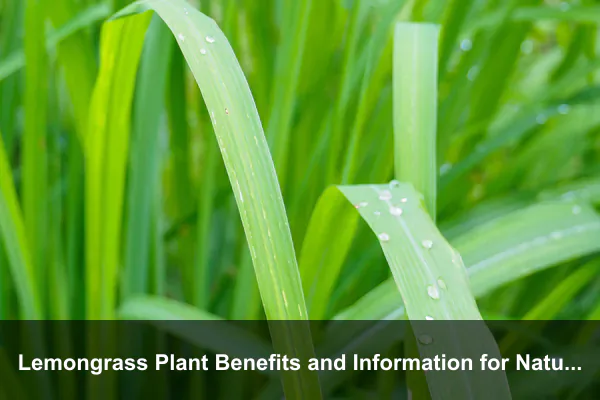
Lemongrass plant benefits and information are often discussed through the lens of tea, cooking, aroma, or simple herb care. Those uses are valuable, but they are only part of the story. Lemongrass is also a practical design plant for sunny outdoor spaces, especially where gardeners want a useful border that looks clean, smells fresh, and supports a more organized herbal garden.
In the context of manfaat tanaman, lemongrass offers benefits that connect beauty, utility, and garden function. Its tall grassy leaves can soften hard edges, mark pathways, reduce bare soil exposure, and create a living frame around vegetable beds, patios, and small tropical gardens. This guide takes a different angle from the usual lemongrass growing guide by focusing on how to use the plant as a productive border, soil-friendly clump, and low-fuss design element while still covering safety, harvest, and everyday value.
Why Lemongrass Works So Well as a Living Garden Border
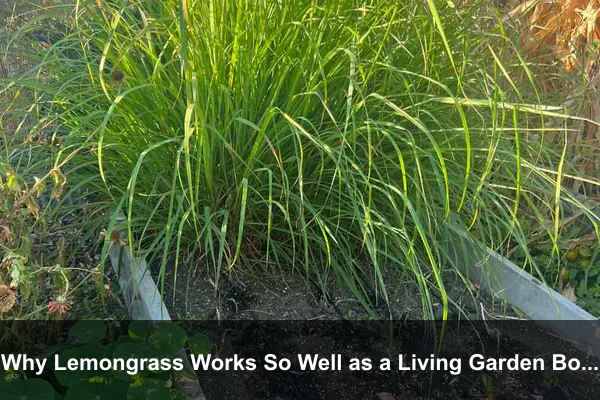
Lemongrass, botanically known as Cymbopogon citratus, grows in upright clumps with long, narrow, arching leaves. This growth habit makes it especially useful for gardeners who need structure without installing a permanent fence or edging material. Instead of behaving like a creeping groundcover, lemongrass usually expands from the base in a dense clump, making it easier to manage than many spreading herbs.
As a border plant, lemongrass can separate one garden area from another. It can outline a vegetable bed, form a soft screen near a seating area, or create a fragrant edge along a sunny walkway. The plant gives a clean vertical rhythm to the landscape, which is helpful in gardens that contain many low-growing herbs, leafy vegetables, or mixed flowers.
A Functional Alternative to Hard Edging
Stone, brick, metal, and plastic edging all have their uses, but they do not provide harvestable leaves, scent, or seasonal texture. Lemongrass gives gardeners a living alternative. It can make a bed look intentional while also offering stalks and leaves for home use.
This is especially helpful in small gardens where every plant needs to earn its place. A row of lemongrass can act as a border, a culinary herb, a visual screen, and a source of aromatic material at the same time.
Best Places to Use Lemongrass Borders
Lemongrass performs best where it receives strong sunlight and warmth. In the right location, it can become one of the most useful structural plants in an edible or herbal landscape.
- Along sunny pathways where the leaves can release fragrance when brushed lightly.
- At the back edge of herb beds to create height behind basil, mint, parsley, or thyme.
- Around patio corners where a soft green clump can reduce harsh lines.
- Near vegetable gardens as a tall, tidy companion that does not shade crops excessively when placed carefully.
- In large containers used to frame balconies, terraces, or small courtyard gardens.
Key Lemongrass Plant Benefits Beyond the Kitchen
Many people first learn about lemongrass because of its citrusy flavor. However, the broader benefits of the lemongrass plant include garden design, sensory value, low-waste harvesting, and practical outdoor organization. These benefits make it relevant not only to cooks, but also to beginner gardeners, homeowners, and anyone interested in useful plants.
Natural Fragrance for Outdoor Comfort
The fresh lemon-like scent of lemongrass comes largely from aromatic compounds such as citral. In the garden, this fragrance adds a clean sensory layer without needing artificial sprays or scented decor. The aroma is strongest when leaves are cut, crushed, or moved by hand, so the plant works well near areas where people naturally pass by.
It is important to be realistic: simply growing lemongrass in a pot will not create a complete mosquito shield. The plant is related to citronella grasses, and its scent is pleasant, but pest control claims are often exaggerated. Its true value is as a fragrant, useful, and attractive garden plant rather than a guaranteed insect barrier.
Soil Coverage and Bed Definition
Bare soil dries out quickly, erodes more easily, and often invites weeds. Lemongrass clumps help cover the base of a planting area, especially when used along edges. The upright leaves shade the soil close to the crown, while the dense base makes the bed feel more finished.
Because lemongrass grows in clumps, it can also help define where a bed begins and ends. This is useful in gardens that do not have formal edging. A repeated row of lemongrass creates a visual boundary that guides movement and makes maintenance easier.
Harvestable Leaves With Low Waste
Lemongrass leaves can be trimmed and used in teas, broths, marinades, herbal rinses, and natural home fragrance projects. The thicker lower stalks are commonly used in Southeast Asian cooking. Even tougher leaves that are not ideal for eating can still be bundled for aromatic simmer pots or composted after use.
This makes lemongrass a strong choice for gardeners who want plants with multiple layers of value. A border does not have to be purely decorative; it can provide a steady supply of useful material when harvested responsibly.
How Lemongrass Supports Soil-Friendly Garden Design
When discussing lemongrass plant benefits and information, soil health is often overlooked. Lemongrass is not a miracle soil fixer, but its growth habit can support smarter garden management. It helps gardeners reduce unused spaces, organize beds, and create plantings that are easier to water and maintain.
Clump Growth and Root Stability
Lemongrass forms a strong base with fibrous roots. In warm climates, established clumps can become quite dense. This makes the plant useful on gentle slopes, along bed edges, or in areas where loose soil tends to shift after watering or rain.
For steep erosion problems, lemongrass alone is not enough. Structural drainage, mulch, terracing, or deeper-rooted plants may be needed. But for ordinary garden edges, its root system can help keep the planting area more stable and visually controlled.
Mulch Partner, Not Mulch Replacement
Lemongrass can shade nearby soil, but it should not replace mulch completely. A layer of organic mulch around the plant helps retain moisture, protect roots, reduce weeds, and improve soil structure over time. Keep mulch a few centimeters away from the crown to prevent excess moisture around the base.
The best approach is to combine lemongrass with compost, mulch, and good watering habits. This creates a healthier growing zone and reduces stress during hot or dry weather.
Using Trimmings Wisely
Leaf trimmings are part of lemongrass maintenance. Instead of treating every cut leaf as waste, gardeners can use the material in several ways.
- Fresh tender leaves can be used for tea or aromatic infusions.
- Older leaves can be dried for craft bundles or natural scent projects.
- Tough leaves can be chopped and composted in moderate amounts.
- Clean trimmings can be used briefly as green material in compost systems.
When composting lemongrass, chop the leaves first. Long leaves can mat together and slow decomposition, especially in small compost bins.
Growing Conditions for Strong, Attractive Lemongrass Clumps
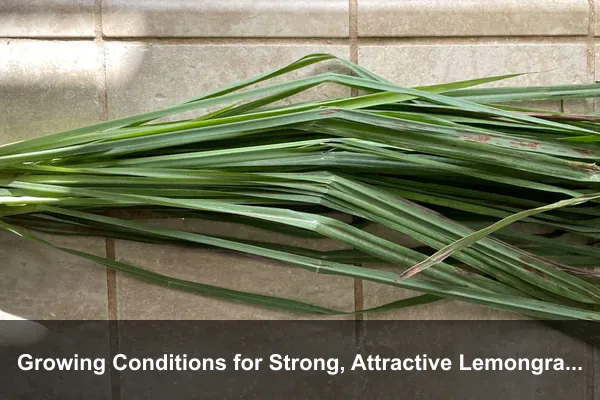
A lemongrass border only looks good when the plants are healthy. Weak, pale, or crowded clumps can become messy. Good placement and basic care are the foundation of both beauty and productivity.
Sunlight Requirements
Lemongrass prefers full sun. Aim for at least six hours of direct sunlight daily, with more light producing stronger growth in many climates. In partial shade, the plant may survive but often grows thinner, softer, and less upright.
For border planting, sunlight matters because the plant needs enough energy to maintain dense leaves. If the border sits in shade for much of the day, choose another plant or grow lemongrass in movable containers that can be shifted to brighter spots.
Soil and Drainage
Lemongrass grows best in fertile, well-draining soil that holds some moisture without staying soggy. A mix rich in organic matter supports strong leaf growth. Heavy clay soil should be improved with compost and careful drainage planning before planting.
In containers, use a quality potting mix rather than compact garden soil. Pots must have drainage holes. A waterlogged container can lead to root problems, yellowing leaves, and weak growth.
Watering for Outdoor Borders
Young lemongrass needs consistent moisture while establishing. Once mature, it can handle short dry periods, but it looks better with regular watering. In hot weather, container-grown lemongrass may need water more often than plants in the ground.
Water deeply rather than sprinkling lightly. Deep watering encourages better root growth and reduces surface drying. Let the top layer of soil begin to dry before watering again, especially in pots.
Design Ideas for Lemongrass in Home Gardens
Lemongrass is visually simple, which makes it easy to combine with many garden styles. Its narrow leaves add movement, height, and a clean green texture. The key is to use it intentionally rather than placing one random clump in the middle of a bed.
Pathway Framing
Planting lemongrass along a path can create a sensory walkway. The leaves move with the breeze and release fragrance when touched. Keep enough distance from the walking surface so leaves do not constantly block the path. Regular trimming helps maintain a neat edge.
Container Pairs for Entrances
Two large pots of lemongrass can frame a garden gate, terrace step, or balcony entrance. This works well for renters or small-space gardeners because the plants remain movable. Choose heavy containers if the area is windy, since tall leaves can catch strong gusts.
Mixed Herbal Borders
Lemongrass pairs well with herbs that enjoy sun and regular harvesting. It can provide height behind lower herbs and create contrast with broader leaves.
- Basil: useful for warm-season edible gardens with strong aroma and fresh harvest value.
- Rosemary: suitable in drier, well-drained sections, though it needs less water than lemongrass.
- Chili plants: visually compatible in sunny edible landscapes.
- Marigolds: add color and pollinator interest near the base of taller lemongrass.
When mixing plants, group those with similar water needs together. This prevents overwatering drought-tolerant herbs or underwatering moisture-loving ones.
Harvesting Lemongrass Without Ruining the Shape
One mistake gardeners make is harvesting lemongrass unevenly. If too many leaves are pulled from one side, the clump can look lopsided. A border plant needs thoughtful harvesting so it remains attractive.
Harvest Leaves Lightly and Often
For tea or aromatic use, cut outer leaves near the base with clean scissors. Avoid tearing leaves by hand, because rough pulling can damage the crown. Take a small amount from different parts of the clump to preserve the overall shape.
Harvest Stalks From Mature Plants
For cooking, mature stalks can be cut close to the soil line. Choose thicker outer stalks and leave the central growth intact. This allows the plant to continue producing new shoots.
Do not remove too many stalks at once from a young plant. Let the clump establish first, especially if it is being used as a visible border.
Refresh the Plant With Seasonal Trimming
Older leaves may turn brown at the tips or edges. Trim these away to keep the plant tidy. In warm climates, periodic pruning encourages fresh growth. In cooler regions, gardeners may cut the plant back before overwintering it indoors or protecting the crown from cold.
Safety, Practical Use, and Common Misunderstandings
Lemongrass is widely used as a culinary herb, but responsible use still matters. Natural does not automatically mean suitable for everyone in every form. The safest approach is to treat lemongrass as a food and garden plant, not as a substitute for medical care.
Kitchen and Tea Use
The lower stalk is commonly used to flavor soups, curries, rice dishes, sauces, and marinades. Leaves can be used for tea, although they are usually removed before drinking because they can be fibrous. Wash harvested material thoroughly, especially if it comes from an outdoor garden.
People who are pregnant, breastfeeding, taking medications, or managing medical conditions should ask a qualified health professional before using concentrated lemongrass products. Essential oil should never be swallowed casually and should be diluted properly for topical use.
Pet and Child Awareness
Lemongrass leaves can have sharp edges, and some pets may chew plants out of curiosity. Place pots where children and pets are less likely to pull or eat large amounts. If a pet shows vomiting, drooling, or unusual behavior after chewing any plant, contact a veterinarian.
Mosquito Claims Need Balance
Lemongrass has a fresh scent and contains aromatic compounds, but growing the plant alone is not the same as applying a tested repellent product. For mosquito management, remove standing water, use screens, wear protective clothing when needed, and follow local health guidance. Lemongrass can be part of a pleasant garden, but it should not be the only strategy.
Common Problems in Lemongrass Borders
Most lemongrass problems are linked to light, water, temperature, or crowding. Because border plantings are visible, small issues can affect the overall look of the garden.
Brown Leaf Tips
Brown tips may come from underwatering, dry wind, old leaves, or container stress. Trim damaged tips if they bother you, but also check the soil. If the pot dries too quickly, move the plant to a larger container or add mulch.
Yellow Leaves
Yellowing can signal overwatering, poor drainage, nutrient deficiency, or low light. Check whether the soil stays wet for too long. If drainage is poor, improve the soil or repot the plant. A balanced organic fertilizer during active growth can help pale plants recover.
Crowded Clumps
Over time, lemongrass can become crowded at the base. The center may weaken while outer shoots continue growing. Dividing the clump refreshes the plant and gives you new sections to replant elsewhere.
- Water the plant one day before dividing to reduce stress.
- Lift the clump carefully with a garden fork or spade.
- Separate healthy sections with roots attached.
- Replant divisions at the same depth in prepared soil.
- Water deeply and protect from harsh stress for several days.
Conclusion: A Useful Plant With More Than One Purpose
Lemongrass plant benefits and information should not be limited to flavor and fragrance. When used thoughtfully, lemongrass becomes a living border, a soil-friendly clump, a sensory pathway plant, and a harvestable herb that brings structure to outdoor spaces. It is especially valuable for gardeners who want practical beauty rather than plants that only look good for a short season.
For the best results, give lemongrass full sun, well-draining soil, regular moisture, and enough space to form a healthy clump. Harvest lightly, trim old leaves, divide crowded plants, and keep safety claims realistic. With those habits, lemongrass can become one of the most versatile plants in a warm, sunny, and productive home garden.
