
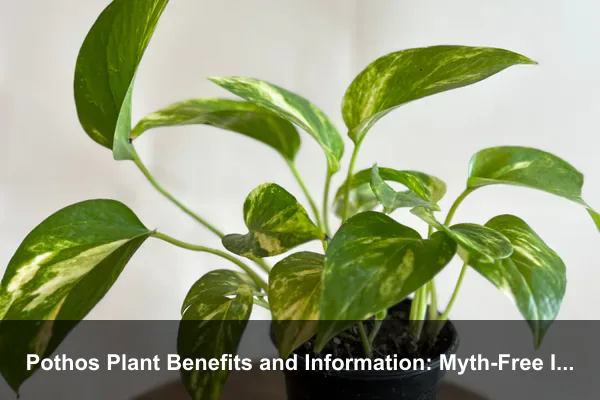
Pothos plant benefits and information are often described in dramatic ways, from miracle air cleaning to nearly indestructible growth. The truth is more useful than the hype. Pothos is a forgiving, adaptable houseplant that can make indoor rooms feel greener, calmer, and easier to maintain, but it still needs the right light, watering rhythm, and safe placement to perform well.
This guide looks at pothos from a practical, myth-free angle. Instead of repeating generic care advice, it explains what the plant actually offers in everyday homes, how to use it responsibly, and how to avoid the most common mistakes. Whether you know it as golden pothos, devil’s ivy, money plant, or Epipremnum aureum, this plant is valuable because it fits real life: busy schedules, small rooms, mixed light, shelves, desks, rental homes, and beginner plant routines.
What Pothos Is and Why It Became a Favorite Houseplant
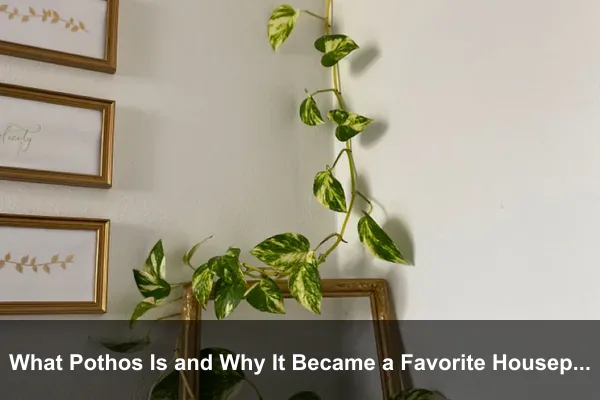
Pothos is a tropical vining aroid grown mainly for its heart-shaped leaves and trailing stems. In warm outdoor climates it can climb trees and produce much larger leaves, but indoors it usually behaves as a manageable vine that spills from shelves, hangs from baskets, or climbs a pole. Its popularity comes from a rare combination of qualities: attractive foliage, tolerance of average indoor conditions, easy propagation, and quick visual growth.
Botanical identity
The common indoor pothos is usually Epipremnum aureum. It belongs to the Araceae family, the same broad plant family that includes many familiar houseplants. Its leaves may be solid green, marbled, golden, white-variegated, or neon depending on the cultivar. The plant is not grown for flowers indoors. Its main value is foliage, shape, and easy adaptation.
Why beginners succeed with it
Pothos succeeds indoors because it gives clear feedback without collapsing quickly. Leaves droop when the soil is too dry, yellowing often warns of overwatering or old foliage, and leggy vines usually signal low light. This makes the plant a useful learning tool for people who want to understand indoor gardening without starting with a sensitive species.
Realistic Pothos Plant Benefits for Modern Homes
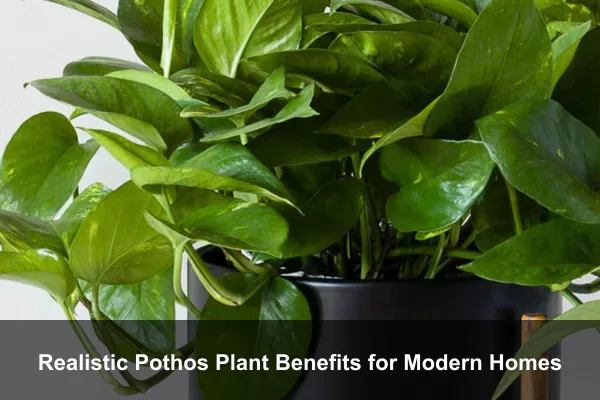
The best pothos plant benefits are practical rather than magical. Pothos can improve how a room feels, help people build simple care routines, soften hard interior lines, and make greenery accessible in places where larger or fussier plants would fail. These are modest benefits, but they are meaningful because they affect daily life.
Visual comfort and biophilic value
Indoor greenery can make a room feel less rigid. Pothos is especially useful because its vines create movement and softness. A single plant can break up blank shelving, reduce the hard look of cabinets, or bring life to a corner that feels unfinished. This is one of the most dependable benefits of pothos: it adds natural texture without requiring much floor space.
Low barrier to plant care
Pothos is a strong choice for people who have failed with houseplants before. It does not demand perfect humidity, expensive supplies, or daily attention. When grown in a pot with drainage and placed in bright indirect light, it can often go several days between checks. That makes it friendly for students, office workers, families, and people building their first indoor plant collection.
Flexible design use
Because pothos vines trail, climb, and root from cuttings, the plant adapts to many indoor layouts. You can place it high and let it fall, train it upward on a moss pole, guide it along a shelf, or keep it compact with regular trimming. This flexibility gives pothos a design advantage over plants that only grow upright or require large containers.
Emotional and routine benefits
Caring for pothos can support a small, steady routine. Checking soil moisture, rotating the pot, wiping dusty leaves, and trimming long vines are simple actions that connect people to their indoor environment. These actions should not be described as medical treatment, but they can create moments of attention and calm in a busy home.
Air Quality Claims: What Pothos Can and Cannot Do
Pothos is often promoted as an air-purifying plant. This claim needs context. Laboratory studies have shown that some plants can remove certain airborne compounds in sealed test conditions. Real homes are different. They have larger air volumes, open doors, ventilation systems, furniture materials, cooking particles, and changing humidity. A few pothos plants will not replace fresh air, source control, or a proper air purifier.
What is reasonable to expect
It is fair to say that pothos contributes to a greener indoor environment and may play a small supporting role in indoor comfort. Its leaves can collect dust, its soil and foliage interact with humidity, and the plant can encourage people to notice stale corners, poor light, or overly dry air. These benefits are indirect but real.
What not to claim
Do not rely on pothos to remove smoke, mold, chemical fumes, or serious indoor pollutants. If a room has strong odors, poor ventilation, or health-related air concerns, the correct solution is to reduce the source, increase ventilation, clean surfaces, and use appropriate filtration. Pothos can be part of a pleasant room, but it is not a safety device.
- Good claim: Pothos adds living greenery and can support a more pleasant indoor atmosphere.
- Careful claim: Pothos may contribute modestly to indoor plant-based air quality support.
- Avoid: Pothos cleans all toxins from your home.
- Better approach: Use pothos with ventilation, cleaning, and good moisture control.
Essential Pothos Care That Protects Its Benefits
The benefits of pothos depend on keeping the plant healthy. A neglected plant with yellow leaves, soggy soil, or pest problems does not improve a room. Fortunately, pothos care is simple when you focus on the basics: light, water, drainage, temperature, and occasional feeding.
Light requirements
Pothos grows best in bright indirect light. This means the room is bright enough to read comfortably during the day, but the leaves are not sitting in harsh direct sun for long periods. Green varieties can tolerate lower light better than highly variegated types. Variegated pothos often loses color in dim corners because the plant produces more green tissue to support growth.
If vines become long with wide gaps between leaves, the plant probably needs more light. Move it closer to a window with filtered light or place it near a brighter wall. Avoid sudden exposure to hot afternoon sun because leaves can scorch.
Watering rhythm
The most common pothos mistake is watering on a fixed calendar without checking the soil. Instead, water when the top layer of potting mix feels dry and the pot feels lighter than it did after watering. In many homes this may be weekly, but it can vary with season, pot size, humidity, and light.
- Touch the top 2 to 5 cm of soil.
- If it is still damp, wait and check again later.
- If it is dry, water thoroughly until excess drains out.
- Empty the saucer so roots do not sit in water.
Overwatering is more dangerous than underwatering. Dry pothos usually droops and recovers after watering. Overwatered pothos may develop root rot, yellow leaves, mushy stems, and a sour smell from the potting mix.
Soil and potting
Use a light, well-draining indoor potting mix. A good mix holds some moisture but does not stay swampy. If your mix feels dense, add perlite, orchid bark, or another aerating material. Always use a pot with drainage holes. Decorative outer pots are fine, but the nursery pot inside should drain freely.
Temperature and humidity
Pothos prefers typical indoor warmth, roughly 18 to 29 degrees Celsius. Keep it away from cold drafts, air conditioner blasts, and hot vents. Average household humidity is usually acceptable, though leaves may look fresher in moderately humid rooms. Do not mist as a main care strategy. Misting briefly wets the leaf surface but does not fix dry air for long.
Fertilizer
Pothos is not a heavy feeder. During active growth, feed lightly with a balanced houseplant fertilizer according to label directions. Too much fertilizer can burn roots or create salt buildup. If the plant is in low light or growing slowly, reduce feeding. Healthy pothos should grow steadily, but it does not need constant fertilizer to be valuable.
Choosing the Right Pothos for Your Space
Choosing a pothos is not only about leaf color. Different types behave slightly differently indoors, especially in relation to light and growth speed. The best choice is the one that matches your room, care habits, and safety needs.
Common types to consider
- Golden pothos: Green leaves with yellow marbling. It is vigorous, forgiving, and widely available.
- Marble queen pothos: Cream and green variegation. It needs brighter light to maintain strong color.
- Neon pothos: Bright chartreuse leaves. It adds strong color to simple interiors.
- Jade pothos: Solid green leaves. It is useful for lower light areas compared with highly variegated types.
- Njoy or pearl-type pothos: Compact leaves with patterned variegation. These are attractive but can grow more slowly.
Match the plant to the light
If your room has only moderate light, choose jade or golden pothos. If you have a bright room with filtered daylight, variegated forms can perform well. A highly white-variegated pothos placed in a dark corner may survive, but it will often grow slowly and look weaker over time.
Inspect before buying
Before bringing a pothos home, check both leaves and soil. Look for firm stems, active growth, and roots that are not circling heavily out of the pot. Avoid plants with mushy stems, a rotten smell, webbing, sticky residue, or many yellow leaves. One or two old yellow leaves are normal, but widespread yellowing suggests stress.
Safe Placement Around Pets, Children, and Daily Traffic
Pothos is beautiful, but it is not edible. The plant contains insoluble calcium oxalate crystals that can irritate the mouth, lips, throat, and digestive tract if chewed. This matters in homes with cats, dogs, toddlers, or curious children. Safe placement is part of responsible pothos care.
Pet-aware placement
If you have pets that chew plants, keep pothos out of reach or choose a pet-safer plant instead. Hanging baskets are helpful only if vines do not dangle low enough to tempt animals. Trim long stems before they become accessible. If a pet eats pothos and shows drooling, pawing at the mouth, vomiting, or distress, contact a veterinarian.
Child-safe habits
Place pothos away from play areas and teach children that houseplants are for looking, not tasting. Avoid placing cuttings in drinking glasses where a child might confuse plant water with a beverage. If you propagate pothos in water, label the container and keep it in a controlled location.
Traffic and surface safety
Trailing vines can look elegant, but they should not interfere with walking paths, doors, fans, or kitchen work zones. Put pothos where it can grow without being pulled, cooked near, or knocked over. A stable shelf, wall hook, plant stand, or cabinet top is usually better than a crowded table edge.
Common Pothos Problems and What They Mean
Pothos problems are usually easy to correct if you respond early. The plant communicates through its leaves, stems, and soil condition. Instead of treating every yellow leaf as a disaster, look for patterns.
Yellow leaves
A single yellow leaf near the base may simply be old. Many yellow leaves at once can indicate overwatering, poor drainage, low light, or root stress. Check the soil first. If it stays wet for many days, improve drainage, reduce watering, and consider repotting if the roots smell rotten.
Brown tips or edges
Brown tips can come from inconsistent watering, dry air, fertilizer buildup, or mineral-heavy water. Trim damaged tips if desired, then adjust care. Flush the soil occasionally by watering thoroughly and letting excess drain away. Do not let the pot sit in runoff water.
Leggy vines
Long bare stems usually mean the plant wants more light or more pruning. Move it to a brighter location and trim vines just above a node. New growth can become fuller over time, especially when cuttings are rooted and planted back into the same pot.
Pests
Pothos can attract common indoor pests such as mealybugs, spider mites, scale, and fungus gnats. Inspect leaf undersides and stem joints. Wipe leaves, isolate affected plants, and treat early with appropriate houseplant-safe methods. Fungus gnats often signal consistently damp soil, so improving watering habits is part of the solution.
Using Pothos as a Low-Waste, Long-Term Houseplant
One reason pothos has lasting value is that it can be refreshed instead of replaced. If a vine becomes too long, sparse, or uneven, you can prune it, root healthy pieces, and rebuild the pot. This makes pothos a good plant for people who want beauty without constant buying.
Simple propagation concept
Each cutting should include at least one node, which is the small point on the stem where roots and leaves can grow. Place the node in water or moist potting mix, keep it in bright indirect light, and wait for roots to develop. Once roots are established, the cutting can be planted into soil. Propagation is useful for sharing, filling a pot, or saving healthy pieces from an overgrown plant.
Refresh instead of discard
If your pothos looks tired, do not throw it away immediately. First check the roots, light, and watering. Then prune weak vines and restart healthy cuttings. Many indoor pothos plants can be renewed several times with basic care.
Responsible sharing
Sharing pothos cuttings is easy, but share care information too. Tell the recipient that pothos is not pet-safe for chewing, needs drainage, and prefers indirect light. A plant cutting is more useful when it comes with realistic expectations.
Room-by-Room Ideas Without Overcrowding
Pothos works best when it has a purpose in the room. Instead of placing plants randomly, think about light, access, safety, and visual balance. A well-placed pothos looks intentional and is easier to maintain.
Living room
Use pothos on a shelf, media cabinet, or plant stand where vines can soften straight furniture lines. Keep it away from speaker heat, candles, and high-traffic edges. Rotate the pot occasionally so growth does not lean heavily toward one side.
Kitchen
A kitchen pothos can look fresh on a bright windowsill or upper shelf, but avoid placing it near the stove, sink splash zones, or food preparation surfaces. Remember that pothos is ornamental, not a culinary herb.
Bedroom
In a bedroom, pothos can add quiet greenery without strong fragrance or pollen-heavy blooms. Choose a stable spot with indirect light. If you have pets that sleep in the room, keep vines fully out of reach.
Bathroom
A bright bathroom can suit pothos because humidity is often higher. However, a dark bathroom is not ideal. If there is no window or plant light, pothos will weaken over time. Good humidity cannot compensate for a lack of light.
Pothos Plant Benefits and Information for Better Buying Decisions
A strong pothos routine starts before the plant enters your home. Buying the right size, variety, and container prevents problems later. Bigger is not always better. A smaller healthy plant may adapt more easily than a large stressed basket with tangled vines and hidden root issues.
What to buy first
For most beginners, a medium golden pothos in a nursery pot with drainage is the safest first purchase. It is affordable, resilient, and easy to learn from. Once you understand watering and light, you can explore slower or more variegated types.
Supplies that matter
- A pot with drainage holes.
- Light indoor potting mix.
- Sharp clean scissors or pruning snips.
- A saucer or outer cachepot that does not trap standing water.
- A microfiber cloth for cleaning dusty leaves.
You do not need a large collection of products. Good light, drainage, observation, and restraint with water are more important than complicated care tools.
Myth-Free FAQ About Pothos
Is pothos good for beginners?
Yes. Pothos is one of the best beginner houseplants because it tolerates average indoor conditions and gives visible care signals. It still needs drainage, suitable light, and careful watering.
Can pothos live in low light?
Pothos can tolerate low light, especially green types, but tolerance is not the same as thriving. For stronger growth and better leaf color, provide bright indirect light.
Does pothos need sunlight?
It needs light, but not harsh direct sun. Indirect daylight is ideal. Too much direct sun can burn leaves, while too little light causes slow, leggy growth.
How often should pothos be watered?
Water when the top part of the soil feels dry. The exact schedule changes with season, pot size, temperature, and light. Checking the soil is more reliable than following a fixed weekly rule.
Is pothos toxic?
Yes, pothos can irritate the mouth and stomach if chewed or eaten. Keep it away from pets and children who may bite leaves or stems.
Conclusion
Pothos plant benefits and information are most useful when they are realistic. This plant is not a miracle cure for indoor air problems and it is not completely maintenance-free. Its true value is more practical: it brings adaptable greenery into everyday rooms, supports beginner-friendly plant care, softens interior spaces, and can be renewed through pruning and propagation.
For the best results, give pothos bright indirect light, a pot with drainage, careful watering, and safe placement away from pets and children. Choose a variety that matches your room conditions, watch the plant’s leaf signals, and treat it as a living part of your home rather than a decoration you can ignore. With that approach, pothos becomes more than a trendy houseplant. It becomes a reliable, attractive, and long-lasting companion for greener indoor living.
