
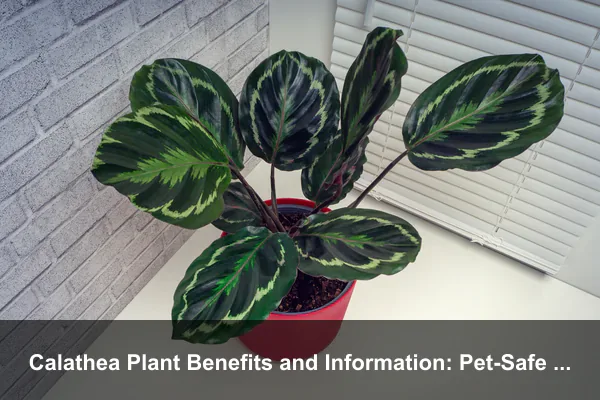
Calathea plant benefits and information are especially useful for anyone who wants an indoor plant that feels decorative, calming, and practical without taking over the room. Known for dramatic leaf patterns, soft color contrasts, and a unique daily leaf movement, Calathea is one of the most expressive foliage plants for homes, apartments, workspaces, and shaded corners.
Unlike many common houseplants grown mainly for toughness, Calathea is valued for atmosphere. It brings visual texture, supports a more relaxing indoor setting, and is widely appreciated as a pet-friendly ornamental plant when compared with several toxic houseplants. This guide explains the most important Calathea benefits, plant information, care needs, placement ideas, and safe home use so you can decide whether it fits your space.
What Is a Calathea Plant?
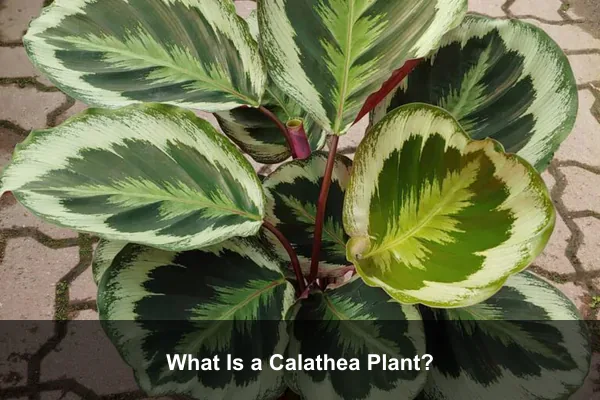
Calathea is a group of tropical ornamental plants admired for colorful, patterned foliage. Many types have leaves marked with stripes, brush-like lines, dark green borders, silvery centers, pink accents, or purple undersides. Because the leaves often fold upward at night and open again during the day, Calathea is commonly associated with the broader group of plants called prayer plants.
Botanically, many plants still sold as Calathea have been reclassified into the genus Goeppertia, but most gardeners, nurseries, and plant lovers continue to use the familiar name Calathea. For everyday indoor plant care, the important point is simple: these plants come from humid tropical environments and prefer gentle light, consistent moisture, and warm conditions.
Popular Calathea Varieties
There are many attractive varieties, but several are especially popular for indoor growing:
- Calathea orbifolia: large round leaves with soft silver-green stripes.
- Calathea makoyana: often called peacock plant because of its feather-like leaf pattern.
- Calathea lancifolia: known as rattlesnake plant, with long wavy leaves and spotted markings.
- Calathea roseopicta: valued for bold leaf outlines and pink or cream markings.
- Calathea ornata: called pinstripe plant because of its fine pinkish-white lines.
Key Calathea Plant Benefits for Indoor Spaces
The main benefits of Calathea are connected to beauty, comfort, indoor atmosphere, and safe decorative use. It is not a plant you choose for edible leaves or herbal medicine. Instead, it works best as a living design element that makes a room feel softer, fresher, and more intentional.
1. Adds Strong Visual Interest Without Flowers
One of the biggest Calathea plant benefits is its ability to decorate a space with foliage alone. The leaves look painted, which makes the plant suitable for minimalist rooms, natural interiors, reading corners, office desks, and plant shelves. Because the foliage is already detailed, even one healthy Calathea can become a focal point.
2. Supports a Calmer Indoor Feeling
Many people keep houseplants because they make indoor spaces feel less harsh and more relaxing. Calathea is especially good for this because its leaves have soft shapes and natural movement. Watching the leaves open during the day and lift in the evening can make plant care feel more mindful and rewarding.
3. A Pet-Friendly Houseplant Choice
Calathea is widely considered non-toxic to cats and dogs by major plant safety references, making it a popular choice for pet households. This does not mean pets should chew it, since eating plant material can still upset an animal’s stomach. However, for homes avoiding toxic ornamentals, Calathea is often a safer decorative option than plants such as peace lily, jade plant, or aloe vera.
4. Helps You Build a Better Humidity Routine
Calathea benefits from moderate to high humidity, which encourages plant owners to pay closer attention to indoor dryness. Using a pebble tray, grouping plants, or running a small humidifier can improve the growing environment for Calathea and other tropical houseplants nearby.
Calathea Care Requirements: Light, Water, Soil, and Humidity

Calathea is not the hardest indoor plant, but it is less forgiving than snake plant or lucky bamboo. Its leaves quickly show stress when light, water, or humidity is wrong. The good news is that once the environment is stable, Calathea care becomes predictable.
Light Requirements
Calathea prefers bright, indirect light. Direct sun can fade colors, burn leaf edges, or create dry patches. A position near an east-facing window, a few feet from a bright filtered window, or under a sheer curtain is usually ideal. In darker rooms, growth may slow and leaf patterns may become less vivid.
Watering Tips
Keep the soil lightly moist, but never soggy. Water when the top layer of soil begins to feel slightly dry. Calathea can be sensitive to minerals and chemicals in tap water, so filtered water, rainwater, or water left out overnight may reduce crispy leaf tips.
- Check the top 2-3 cm of soil before watering.
- Water thoroughly until excess drains out.
- Empty the saucer so roots do not sit in standing water.
- Reduce watering slightly during cooler months when growth slows.
Soil and Potting Mix
A good Calathea potting mix should hold moisture while still draining well. A mix of indoor potting soil, coco coir or peat, perlite, and a little orchid bark can work well. The pot must have drainage holes because constant wet soil may cause root rot.
Humidity and Temperature
Calathea grows best in warm, humid conditions. Aim for a comfortable indoor temperature and avoid cold drafts, air conditioner blasts, and hot dry air from heaters. Brown edges often point to dry air, inconsistent watering, or water quality issues.
Best Places to Put Calathea at Home
Because Calathea likes filtered light and humidity, placement matters. It is excellent for spaces where strong direct sun is limited but natural brightness is still available.
- Living room: place it near a filtered window to show off patterned leaves.
- Bedroom: use it as a calming foliage accent on a plant stand or low table.
- Bathroom: choose this location only if there is enough natural light.
- Home office: keep it away from vents and direct afternoon sun.
- Apartment corners: use a grow light if the corner is too dim.
For visual impact, pair Calathea with simpler green plants. Its detailed leaves look best when they are not competing with too many other patterned plants in the same spot.
Common Calathea Problems and Simple Fixes
Calathea communicates through its leaves. If you learn the signals, most problems can be corrected before the plant declines seriously.
Crispy Brown Leaf Edges
This is one of the most common Calathea issues. It is usually caused by low humidity, irregular watering, too much fertilizer, or mineral-heavy tap water. Improve humidity, keep moisture consistent, and switch to filtered water if possible.
Yellow Leaves
Yellowing often means overwatering, poor drainage, or soil that stays wet too long. Check the roots and potting mix. If the soil smells sour or feels muddy, repot into a better-draining mix.
Curling Leaves
Leaves may curl when the plant is thirsty, cold, exposed to direct sun, or stressed by dry air. Move it to a stable location and check soil moisture before adding more water.
Faded Leaf Patterns
If the patterns become dull, the plant may be getting too much direct sunlight or too little light overall. Adjust gradually to bright, indirect light.
Calathea Safety, Meaning, and Practical Information
Calathea is mostly used as an ornamental plant, but it also carries symbolic value. Because the leaves rise and lower with the daily light cycle, many people associate it with renewal, rhythm, attention, and gentle movement. This makes it a thoughtful plant for bedrooms, meditation spaces, study areas, or as a gift for someone who enjoys indoor gardening.
For safety, keep the plant out of reach if pets or children are likely to pull leaves or dig in soil. Although Calathea is considered pet-friendly, clean plant care is still important. Remove dead leaves, avoid overwatering, and do not allow mold to develop on the soil surface.
Is Calathea the Right Plant for You?
Calathea is a good choice if you enjoy decorative foliage and are willing to give steady care. It is not the best plant for someone who forgets watering for weeks or has very dry indoor air. If you want a plant that can survive neglect, snake plant or jade plant may be easier. If you want a living display plant with movement, detail, and a softer tropical look, Calathea is a stronger fit.
Choose Calathea if you can provide:
- Bright but indirect light.
- Consistent soil moisture without waterlogging.
- Moderate to high humidity.
- Warm indoor temperatures.
- A little attention to leaf condition and water quality.
Conclusion
Calathea plant benefits and information center on its value as a beautiful, expressive, and pet-friendly indoor foliage plant. Its patterned leaves bring strong decorative appeal, while its daily leaf movement adds a sense of life and rhythm to indoor spaces. It is especially suitable for plant lovers who enjoy attentive care and want something more visually distinctive than basic green houseplants.
With the right balance of indirect light, gentle watering, humidity, and well-draining soil, Calathea can become one of the most rewarding ornamental plants in the home. It may ask for more consistency than some beginner plants, but the result is a striking tropical houseplant that makes any room feel more natural, calm, and carefully styled.
