
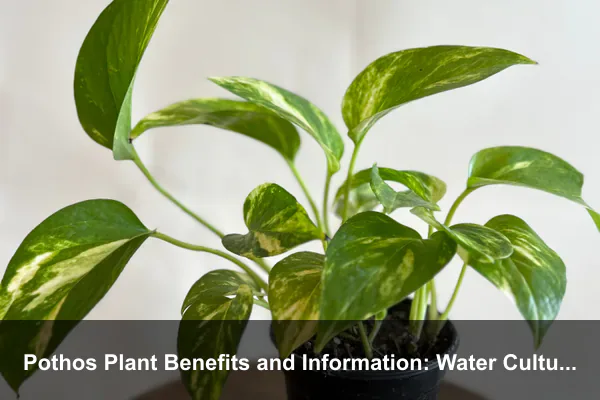
Pothos is one of the most adaptable houseplants, but its real value goes beyond the familiar idea that it is simply easy to grow. For people who want greenery without a complicated routine, Pothos plant benefits and information are especially useful because this vine can live in soil, root in water, trail from shelves, climb supports, and recover from ordinary household mistakes better than many decorative plants.
This guide takes a fresh angle by focusing on pothos as a practical indoor plant for water culture, visible root health, simple plant learning, and everyday home use. Instead of treating pothos only as a beginner plant, we will look at how it works as a living display, how its roots and leaves communicate plant health, where it fits best indoors, and how to enjoy it responsibly in homes with children, pets, and limited space.
What Makes Pothos Useful Indoors?
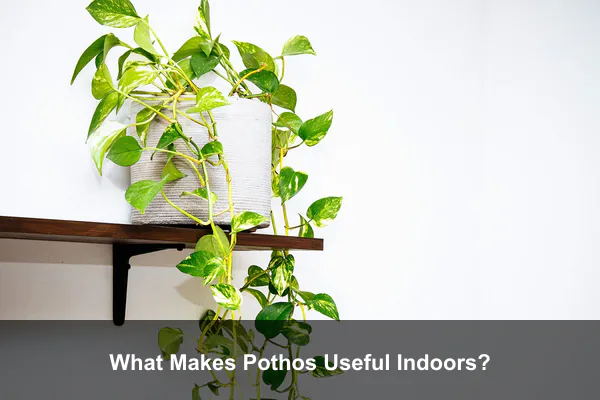
Pothos, commonly known as devil’s ivy, belongs to the aroid family and is usually grown indoors for its trailing vines and heart-shaped leaves. The most common species sold as pothos is Epipremnum aureum. Depending on the variety, leaves may be solid green, golden-variegated, marble-patterned, neon green, or speckled with creamy white.
Its popularity comes from a rare combination of traits: it tolerates average indoor light, forgives irregular watering, grows from cuttings, and adapts to both hanging and upright displays. These qualities make it more than a decorative accent. In the right setting, pothos becomes a flexible plant system for shelves, small apartments, home offices, kitchens, and quiet corners that need a softer visual element.
Botanical Profile in Plain English
Pothos is a tropical climbing vine. In its natural habitat, it can attach to trees and grow upward toward brighter light. Indoors, it usually behaves as a trailing plant unless given a moss pole, trellis, wall clips, or another vertical surface. The leaves remain much smaller indoors than they would in a tropical outdoor environment, but the plant still keeps its natural tendency to search for support and light.
This growth habit explains why pothos is so versatile. It does not need a wide floor area like a large palm or fiddle leaf fig. It can use vertical space, shelf edges, wall-mounted planters, hanging pots, or narrow containers. For small homes, this is one of the most practical pothos plant benefits.
Why It Works in Modern Homes
Many indoor plants look good for a short time but decline when household conditions change. Pothos is more tolerant. It can handle a week of imperfect watering, a move from one room to another, or a lower-light corner better than many tropical foliage plants. This does not mean it thrives on neglect, but it gives plant owners a wider margin for error.
For busy households, this resilience matters. A plant that survives real routines is more valuable than a plant that only looks good in ideal conditions. Pothos offers beauty without demanding a greenhouse-level setup.
Pothos Plant Benefits Beyond Easy Care
The benefits of pothos are strongest when they are described realistically. It can support a calmer indoor atmosphere, help people build plant-care habits, soften hard interiors, and create living decoration in places where larger plants would be impractical. However, it should not be promoted with exaggerated claims. A single pothos will not purify an entire room like a mechanical air purifier, and it is not a medical treatment. Its value is more practical, visual, and behavioral.
Visual Calm and Softer Interiors
Trailing pothos vines help break up straight lines from shelves, cabinets, desks, and walls. The leaves add movement without clutter, especially when the plant is allowed to cascade naturally. In minimalist rooms, a single healthy pothos can make a space feel less sterile. In busier homes, it can unify shelves and corners by adding a repeated green texture.
This visual softness is one reason pothos is useful in home offices and living rooms. Greenery often makes a room feel more settled, and pothos provides that effect without needing a large pot or floor stand.
Low-Cost Plant Learning
Pothos is excellent for learning plant basics because it responds clearly to light, watering, and root conditions. Leaves may droop when the plant is thirsty, yellow when overwatered, fade when light is too low, or scorch when exposed to harsh direct sun. These signals make it easier for beginners to understand plant care through observation rather than guesswork.
For families, students, and new plant owners, pothos can become a living lesson in roots, water, leaf growth, and responsible care. It is also affordable in many regions, so experimenting with placement or water culture feels less risky than it would with rare houseplants.
Flexible Decoration Without Heavy Furniture
Because pothos can trail, climb, or sit compactly in a jar, it gives renters and small-space residents many design options. You can place it on a high shelf, hang it near a bright window, keep a small cutting in a glass container, or train a vine along a lightweight support. This makes pothos especially useful when you want greenery but cannot drill into walls, install heavy planters, or rearrange furniture.
A Realistic View of Indoor Air Quality
Pothos is often mentioned in discussions about air-cleaning plants. Laboratory studies have shown that some plants can interact with certain volatile compounds under controlled conditions, but a normal home is much larger, more ventilated, and more complex than a sealed test chamber. For meaningful air quality improvement, ventilation, source control, cleaning habits, and filtration are more reliable.
That said, pothos can still contribute to a healthier-feeling home environment in indirect ways. It encourages people to care for their surroundings, adds humidity in small amounts through transpiration, and supports a more nature-connected interior. The key is to appreciate pothos for what it truly does well rather than relying on it as a substitute for proper air management.
Water Culture: A Distinctive Way to Grow Pothos
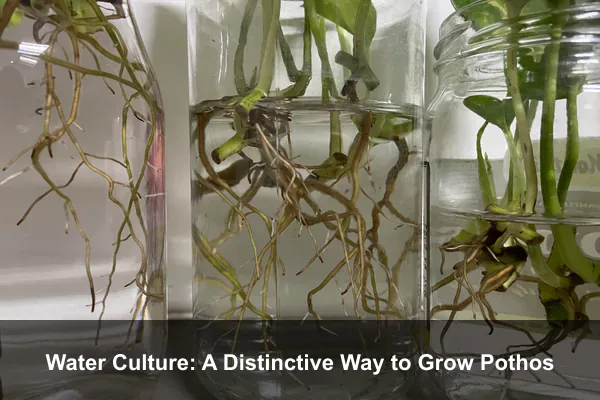
One of the most interesting pothos plant benefits is its ability to grow in water for extended periods when maintained properly. Many plants can root in water temporarily, but pothos is especially forgiving and attractive in clear containers because its roots are easy to see. This makes it a strong choice for people who want a clean, soil-free display on desks, counters, shelves, or windowsills.
Water Growing Versus Water Rooting
Water rooting is the short-term process of placing a cutting in water until roots appear. Water growing, or water culture, means keeping the plant in water as its long-term growing environment. These are related but not identical. A cutting rooted in water may later be transferred to soil, while a water-grown pothos remains in a jar, vase, or glass vessel with regular water changes and occasional nutrients.
For best results, begin with a healthy cutting that has at least one node. The node is the small joint on the vine where roots and leaves can emerge. Leaves should stay above the water line, while the node sits below the surface. If leaves are submerged, they can rot and cloud the water.
How to Set Up a Clean Water Display
A water-grown pothos display should look simple, but it still needs structure. Use a clean container, fresh water, and a cutting with healthy tissue. Clear glass lets you monitor roots, while amber or opaque containers reduce algae growth. Both can work depending on the look and maintenance level you prefer.
- Select a cutting: Choose a vine segment with at least one node and one or two healthy leaves.
- Trim cleanly: Use clean scissors or pruners to make a neat cut below the node.
- Remove lower leaves: Keep all leaves out of the water to reduce decay.
- Use room-temperature water: Filtered water or water left to sit overnight can be helpful in areas with heavy chlorine.
- Place in bright indirect light: Avoid harsh sun that can heat the water and stress the cutting.
- Refresh water regularly: Change the water before it becomes cloudy or stale.
Maintenance Schedule for Water-Grown Pothos
Water culture is clean, but it is not maintenance-free. Roots need oxygen, the container needs cleaning, and the plant eventually needs nutrients because plain water does not provide a complete diet. A simple rhythm keeps the display healthy.
- Change water every 7 to 14 days, or sooner if it becomes cloudy.
- Rinse the container to remove algae or mineral film.
- Trim dark, mushy, or foul-smelling roots immediately.
- Add a very diluted houseplant fertilizer occasionally during active growth.
- Keep the container away from direct afternoon sun to prevent overheating.
Water-grown pothos often grows more slowly than soil-grown pothos, but that slower pace can be an advantage for small spaces. It keeps the plant manageable and makes the root system part of the visual appeal.
Root Health and Leaf Growth: What to Watch
Roots are the hidden engine of a pothos plant. In soil, they are easy to ignore until problems appear. In water culture, they become visible, turning the plant into a simple root-health monitor. Learning what healthy and unhealthy roots look like helps you prevent decline before the leaves show major stress.
Signs of Healthy Roots
Healthy pothos roots are usually pale, firm, and gradually branching. In water, new roots may look white or cream-colored. Older roots can become slightly tan but should still feel firm. A healthy root system supports steady leaf growth, upright stems, and vines that extend over time.
If your pothos is growing in soil, you may not see roots often, but leaf behavior still gives clues. Consistent new growth, normal leaf color, and a pot that dries at a reasonable pace usually indicate that the roots are functioning well.
Warning Signs of Root Problems
Root issues often begin before the plant looks dramatic. In water culture, roots that turn black, slimy, or smell unpleasant should be removed. In soil, warning signs include persistent yellowing, wilting even when soil is moist, fungus gnats, and a sour smell from the potting mix. These symptoms may point to overwatering, poor drainage, compacted soil, or a container that holds too much moisture.
The solution depends on the growing method. Water-grown pothos may only need fresh water, a cleaned container, and root trimming. Soil-grown pothos may need a better-draining potting mix, a pot with drainage holes, or a longer drying period between waterings.
Soil-Grown and Water-Grown Differences
Soil-grown pothos usually grows faster and fuller because potting mix can hold nutrients and support a larger root system. Water-grown pothos is cleaner, easier to observe, and attractive for compact displays, but it needs more attention to water quality and nutrient dilution. Neither method is automatically better. The best choice depends on your home, habits, and design goals.
If you want a lush hanging plant, soil is usually the better long-term choice. If you want a small living display with visible roots, water culture may be more satisfying.
Best Indoor Uses by Room and Routine
Pothos is not limited to one style of indoor display. The plant can serve different purposes depending on the room. Thinking by routine helps you place it where it will be seen, cared for, and appreciated.
Kitchen Shelves and Bright Counters
A pothos cutting in water can work well on a kitchen shelf or counter if it receives bright indirect light. The clean look of water culture fits kitchens because there is no loose soil on a food-preparation surface. Keep the container away from heat sources, cooking oil, and direct contact with dishes or ingredients.
For a soil-grown pothos in the kitchen, use a stable pot with drainage and a saucer. Avoid placing long vines where they may touch appliances, burners, or sink water.
Bathrooms and Laundry Corners
Pothos can enjoy the occasional humidity of bathrooms and laundry areas, but light still matters. A bright bathroom with a window is suitable; a dark bathroom is not a good long-term location unless you rotate the plant regularly or use a grow light. Water-grown pothos can look especially clean in these rooms, but the container should be refreshed often because warm, damp areas may encourage algae or odor.
Work Desks and Study Areas
A small pothos in water or a compact soil pot can soften a desk without taking up much room. It provides a visual pause during screen-heavy work and can make a workspace feel more intentional. Choose a small container that will not tip easily, and trim long vines before they interfere with keyboards, chargers, or papers.
Plant Sharing Stations
Pothos is one of the easiest plants to share because cuttings root readily. A small row of jars can become a simple plant-sharing station at home, in a classroom, or in a community workspace. This should be done thoughtfully. Only take cuttings from a healthy parent plant, use clean tools, label varieties when possible, and explain basic safety if giving cuttings to someone with pets or children.
Care Guide for Healthy Pothos
Even though pothos is tolerant, good care produces better leaves, stronger roots, and fewer problems. The goal is not to create a complicated routine. The goal is to match light, water, and container choice to the way the plant naturally grows.
Light Requirements
Pothos grows best in bright, indirect light. It can tolerate lower light, but growth may slow and variegated leaves may become greener. Direct harsh sun can scorch leaves, especially near hot windows. If the plant becomes leggy, pale, or slow, move it closer to a brighter window while avoiding intense afternoon sun.
For water-grown pothos, light also affects algae. Bright indirect light supports leaf growth, while too much direct light can warm the container and encourage green buildup on the glass.
Watering Soil-Grown Pothos
For pothos in soil, water when the top portion of the potting mix feels dry. Do not water on a fixed calendar without checking the soil. Temperature, pot size, light level, and season all change how quickly the plant uses water. A pothos in a bright warm room may dry quickly, while one in low light may stay damp much longer.
Always use a pot with drainage holes if possible. Let excess water leave the pot, then empty the saucer. Consistently wet soil is one of the easiest ways to damage pothos roots.
Potting Mix and Feeding
A good pothos mix should hold some moisture but drain freely. Many standard indoor potting mixes work, especially if amended with perlite, orchid bark, or another aerating material. The pot should not be dramatically larger than the root ball because excess soil can stay wet too long.
During active growth, feed lightly with a balanced houseplant fertilizer according to label directions. More fertilizer does not mean better growth. Overfeeding can cause salt buildup, brown leaf edges, or root stress. Water-grown pothos needs fertilizer even more carefully because nutrients are not buffered by soil.
Simple Trimming for Shape
Light trimming helps keep pothos tidy and encourages a denser look over time. Cut just above a node using clean scissors. Removed vine segments can be rooted if healthy. Avoid stripping too many leaves at once, especially from a plant that is already stressed. Small, regular adjustments are better than severe cutting after months of neglect.
Safety, Sustainability, and Responsible Ownership
Pothos is useful, beautiful, and forgiving, but it still needs responsible handling. This is especially important in homes with pets, children, or outdoor spaces connected to sensitive ecosystems.
Pet and Child Safety
Pothos contains insoluble calcium oxalate crystals. If chewed, it can irritate the mouth, lips, tongue, and digestive tract of pets or people. It is not a plant to place where curious cats, dogs, toddlers, or children can easily bite the leaves. Symptoms from chewing may include drooling, pawing at the mouth, vomiting, or discomfort. If a pet or child eats pothos, contact a veterinarian, pediatrician, or poison control resource for guidance.
Safe placement is simple: use high shelves, hanging planters, closed rooms, or areas that pets cannot access. Do not let trailing vines hang within reach.
Water Hygiene and Household Cleanliness
Water-grown pothos should not become a stagnant container. Stale water can smell unpleasant and may attract insects. Refresh the water, wash the vessel, and remove decaying leaves quickly. If mosquitoes are common in your area, avoid leaving open containers neglected for long periods.
For soil-grown plants, avoid overwatering and remove fallen leaves from the pot surface. This reduces mold, fungus gnats, and general mess.
Outdoor Planting Caution
In warm tropical or subtropical regions, pothos can become aggressive outdoors. It may climb trees, spread beyond garden beds, and compete with local vegetation. If you live in a climate where pothos survives outdoors year-round, keep it contained and follow local guidance. Indoor enjoyment does not require releasing it into the landscape.
Common Mistakes to Avoid
Most pothos problems come from a few repeated mistakes. Avoiding them will keep the plant attractive and reduce the need for rescue care.
- Overwatering soil-grown pothos: Let the potting mix partially dry before watering again.
- Keeping water-grown pothos in dirty water: Refresh the container regularly and remove decaying material.
- Using too little light: Low light may keep the plant alive, but growth becomes weak and slow.
- Exposing leaves to harsh direct sun: Strong sun can burn foliage and heat water containers.
- Ignoring safety: Keep pothos away from pets and children who may chew plants.
- Choosing an oversized pot: Too much soil around a small root system can hold excess moisture.
- Expecting dramatic air purification: Enjoy pothos as supportive greenery, not as a replacement for ventilation or filtration.
Buying and Choosing a Good Pothos
When buying pothos, look for firm leaves, active growth points, and stems without mushy sections. Avoid plants with a sour smell, heavily yellowing leaves, soggy soil, or visible pest clusters. A few older yellow leaves are not always serious, but widespread yellowing may suggest root or watering problems.
If you want a water-culture display, you do not need a large plant. A healthy small plant or cutting is enough. If you want a lush shelf plant, choose a fuller pot with several vines rather than one long sparse stem. For low-light rooms, green or golden pothos types are often more forgiving than highly variegated forms, which usually need brighter light to maintain their pattern.
Questions to Ask Before Bringing One Home
- Where will the plant receive bright indirect light?
- Will pets or children be able to reach the leaves?
- Do you want a soil plant, a water display, or both?
- Is the container easy to clean or drain?
- Do you prefer slow compact growth or a fuller trailing plant?
These questions prevent impulse buying and help you choose a pothos setup that fits your real home routine.
Conclusion
Pothos plant benefits and information are most valuable when they are practical and realistic. This plant is not just popular because it is easy. It is useful because it adapts to shelves, desks, kitchens, water vessels, hanging displays, and small homes while teaching clear lessons about light, roots, water, and growth.
For a unique indoor plant experience, try growing a pothos cutting in water where you can observe the roots, or keep a soil-grown pothos as a trailing shelf plant that softens your space. Give it bright indirect light, avoid soggy conditions, maintain clean water if using a vase, and place it safely away from pets and children. With these basics, pothos becomes more than decoration. It becomes a living, low-maintenance part of a greener home routine.
