
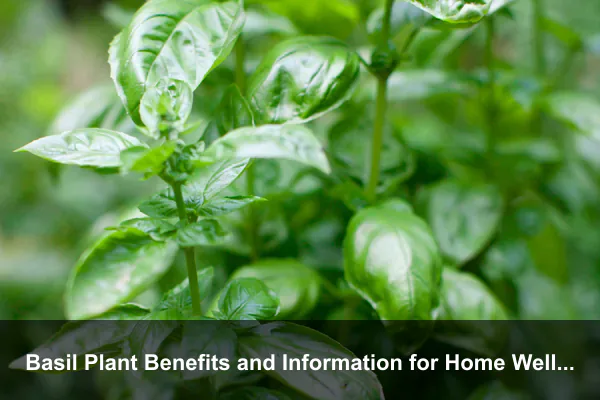
Basil is often introduced as a kitchen herb, but that narrow description leaves out much of its value. A living basil plant can change how a room smells, how a balcony feels, how a small garden attracts pollinators, and how a household connects with fresh plants in daily life. This article looks at basil plant benefits and information from a unique home-wellness and garden-ecology angle, rather than repeating a standard nutrition, recipe, or harvest guide.
For readers interested in manfaat tanaman, basil is a useful example of a plant that gives benefits through more than one pathway. Its leaves are aromatic, its flowers can support beneficial insects, its presence encourages fresher cooking habits, and its compact growth makes it suitable for apartments, windowsills, patios, and small outdoor gardens. Understanding these benefits realistically helps you enjoy basil without exaggerating what any plant can do.
A Different Way to Understand Basil
Basil belongs to the genus Ocimum, a group of aromatic plants known for fragrant leaves and essential oil compounds. The most familiar culinary type is sweet basil, but many homes and gardens also grow Thai basil, lemon basil, purple basil, cinnamon basil, and holy basil. Each has its own scent profile, leaf shape, and cultural association, yet they share one important feature: they are sensory plants. You notice basil by smell, touch, color, and taste.
This sensory quality is why basil fits naturally into a wellness-focused home. Unlike decorative plants that are mainly visual, basil invites interaction. Brushing the leaves releases fragrance. Checking the soil becomes a small daily routine. Watching the plant respond to sunlight teaches you about plant needs in a direct way. These details may seem simple, but they are part of why people value herbs as living household companions.
Why This Angle Matters
Many articles about basil focus on recipes, nutrition, or harvesting. Those topics are useful, but they do not fully answer why people keep basil nearby even when they are not cooking. A basil plant can act as a living reminder to slow down, use fresh ingredients, care for something small, and bring a garden element into limited space. This article emphasizes those benefits while still covering practical basil plant information for safe and realistic use.
Why Basil Belongs in a Wellness-Focused Home
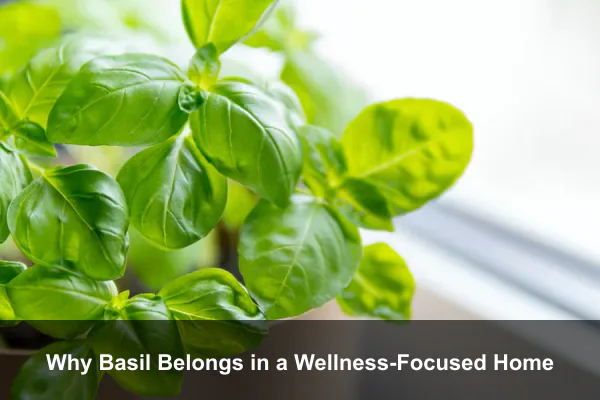
A basil plant can make a home feel fresher before a single leaf is used. Its fragrance is bright, herbal, slightly sweet, and sometimes spicy depending on the variety. When placed near a sunny kitchen window, on a balcony table, or beside other edible herbs, basil creates a living scent source that feels different from artificial air fresheners. The aroma is subtle and natural, not overpowering when the plant is healthy and well placed.
Aroma and Mood
Basil contains aromatic compounds such as linalool, eugenol, methyl chavicol, and citral in varying amounts depending on the type. These compounds help create the familiar basil scent. While it is not accurate to claim that basil cures stress or anxiety, many people find the smell of fresh herbs pleasant and grounding. Pleasant scents can support a calmer atmosphere, especially when paired with simple routines like watering, pruning lightly, or preparing food.
The key is to treat basil as a supportive lifestyle plant, not a medical treatment. Its value comes from everyday sensory comfort, not from miracle claims. A small basil pot near a workspace may provide a refreshing scent during breaks. A plant near the kitchen may make cooking feel more inviting. A balcony basil corner may make outdoor sitting areas more enjoyable.
Mindful Plant Care
Caring for basil can also support mindfulness because the plant gives fast feedback. If it lacks water, the leaves droop. If it receives enough light, new shoots appear quickly. If airflow is poor, leaves may become vulnerable to disease. This visible response teaches observation. For beginners, basil can be more engaging than slow-growing plants because changes happen within days rather than months.
- Daily observation: Looking at leaf color and posture helps you notice small changes early.
- Simple routine: Watering and turning the pot can become a steady household habit.
- Useful reward: Healthy basil contributes aroma, beauty, and occasional fresh leaves.
- Learning value: Basil teaches sunlight, soil moisture, pruning, and seasonal growth in an easy-to-see way.
Everyday Benefits Beyond Cooking
Basil is useful in the kitchen, but its benefits extend beyond flavor. A living basil plant can improve the way a household thinks about freshness, waste, and small-space gardening. It encourages a direct connection between plant care and daily meals, even if you only use a few leaves at a time. That connection is one reason herb plants are popular among beginners who want practical greenery rather than purely decorative foliage.
A Freshness Signal in the Kitchen
When basil is visible, it naturally reminds you to use fresh ingredients. A pot of basil beside tomatoes, onions, greens, or other produce can influence small choices: adding fresh leaves to simple dishes, reducing reliance on heavily processed flavorings, or preparing food with more color and aroma. The plant does not force a healthy diet, but it supports a fresher kitchen environment.
This is especially useful for people who want plant benefits that fit everyday life. Basil does not need to be treated as rare or ceremonial. It works best when it becomes part of normal household rhythm: seen, smelled, watered, trimmed lightly, and appreciated in small amounts.
Reducing Herb Waste
Buying packaged herbs often leads to waste because bunches wilt before they are fully used. A living basil plant changes that pattern. Instead of buying more than you need, you can take a few leaves when appropriate and leave the rest growing. This approach is more efficient for people who cook in small portions or live alone.
However, this benefit depends on keeping the plant healthy. A neglected basil pot can fail quickly, especially in low light or soggy soil. The goal is not to own many plants, but to maintain one or two productive herbs well. In small homes, one healthy basil plant is more valuable than several stressed plants competing for light.
Small-Space Greenery
Basil is suitable for balconies, terraces, sunny windows, compact raised beds, and container gardens. Its size makes it approachable, while its usefulness makes it feel worth the space. For apartment dwellers, basil can be a bridge between indoor living and gardening. It does not require a large yard, and it can share space with other herbs if each plant has enough light and airflow.
- Choose a bright location with several hours of direct or strong indirect light.
- Use a container with drainage holes so roots do not sit in water.
- Keep the plant where you will notice it often, such as a kitchen window or balcony edge.
- Rotate the pot occasionally so growth stays balanced.
- Remove yellowing leaves promptly to keep the plant tidy and easier to monitor.
Basil as a Companion Plant and Garden Ally
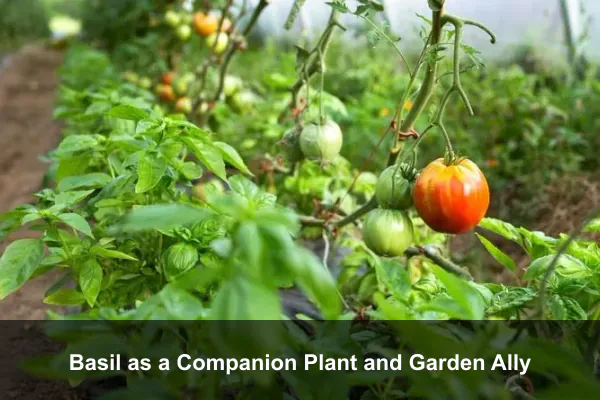
One of the most interesting basil plant benefits is its role in a diverse garden. Basil is often planted near vegetables and flowering herbs because it adds fragrance, attracts pollinators when allowed to bloom, and contributes to a more layered planting system. This does not mean basil is a magical pest shield, but it can be part of a healthier garden design.
Pollinator Support
When basil flowers, it produces small blossoms that can attract bees and other beneficial insects. Many gardeners pinch off flowers to extend leafy growth, but allowing a few stems to bloom can support garden biodiversity. This is especially valuable in small urban spaces where pollinator resources may be limited. A flowering basil plant in a balcony garden can provide nectar while still offering fragrance and visual interest.
If you want both leaves and pollinator support, keep more than one basil plant or let only one section flower. This balances household use with ecological value. The flowers may also produce seeds if left long enough, giving you another way to observe the basil life cycle.
Companion Planting With Realistic Expectations
Basil is commonly paired with tomatoes, peppers, eggplants, and other warm-season crops. Gardeners appreciate it because it fits the same sunny conditions and does not take much room. Its scent may make the area less attractive to some pests, but results vary by climate, pest pressure, and garden layout. It is better to see basil as one part of a companion planting strategy rather than a complete pest-control solution.
- Good companions: tomatoes, peppers, eggplants, oregano, parsley, and marigolds in sunny mixed plantings.
- Placement tip: keep enough spacing for airflow so basil does not become crowded.
- Best use: combine basil with healthy soil, regular inspection, and diverse planting.
- Limit: do not rely on basil alone to solve serious insect or disease problems.
Garden Diversity
A garden with only one type of plant is more vulnerable to pests and environmental stress. Basil adds diversity in height, scent, flower shape, and leaf texture. In a small vegetable bed, it can fill gaps between larger crops. In a container garden, it can serve as the central herb with smaller edible plants around it. Diversity also makes a garden more engaging to observe, which helps gardeners catch problems earlier.
Important Basil Plant Information
Knowing basic basil plant information helps you choose the right type for your space and purpose. Basil is generally a warm-season herb that prefers bright light, moderate moisture, and well-draining soil. It grows quickly in the right conditions and can decline when exposed to cold, poor airflow, or waterlogged roots. The plant is usually grown as an annual in many climates, though some types may live longer in warm regions.
Common Basil Types
Different basil varieties offer different benefits. Sweet basil is the classic choice for a familiar green leaf and mild fragrance. Thai basil has a stronger anise-like scent and often handles heat well. Lemon basil has a citrus aroma that feels especially fresh in small spaces. Purple basil adds ornamental value because of its dark leaves. Holy basil, also called tulsi, has deep cultural and spiritual importance in many traditions and is often grown for its aroma and symbolic value.
Choosing the right type depends on your goal. If you want a kitchen-friendly plant, sweet basil is simple and versatile. If you want a more decorative herb, purple basil can stand out in mixed containers. If fragrance is the priority, lemon basil or Thai basil may feel more distinctive. If cultural meaning matters, holy basil may be the most appropriate choice.
Plant Parts and Their Roles
Basil leaves are the most recognized part, but the whole plant offers information about health and growth. Stems show whether the plant is becoming woody or stretched. Leaves reveal hydration, nutrient balance, and light exposure. Flowers show maturity and attract pollinators. Seeds represent the final stage of the growth cycle and can be saved from healthy plants if conditions are suitable.
- Leaves: used for scent, visual beauty, and culinary freshness.
- Stems: support branching and show whether the plant is compact or leggy.
- Flowers: useful for pollinators and seed production, though they may reduce leaf tenderness.
- Roots: need oxygen and drainage to prevent rot.
- Seeds: allow the gardener to continue the cycle when plants mature.
Safe and Responsible Basil Use
Basil is widely used as a culinary herb, and normal food amounts are generally considered safe for most people. Still, responsible use matters. Fresh basil leaves are different from concentrated extracts, essential oils, or supplements. A plant on your windowsill should not be treated like a medicine cabinet. The safest way to enjoy basil is as a fresh herb, aromatic plant, and garden companion.
Culinary Use Versus Concentrated Products
Fresh leaves used in food are mild compared with basil essential oil or concentrated herbal products. Essential oils should not be swallowed casually, applied undiluted to skin, or used around children and pets without proper guidance. If someone is pregnant, breastfeeding, taking medication, preparing for surgery, or managing a medical condition, they should ask a qualified professional before using concentrated basil products.
This distinction protects the credibility of any discussion about basil plant benefits. The plant has real value, but exaggerated health claims can mislead readers. Basil can support a pleasant home environment and fresh eating habits, but it should not be promoted as a cure for disease.
Pets and Household Safety
Basil is not usually considered one of the most dangerous household plants, but pets can still experience stomach upset if they chew large amounts of any unfamiliar plant. Place basil where cats, dogs, and small children cannot damage it or overconsume it. Also avoid using pesticides on basil plants intended for household use. If pest treatment is needed, choose food-safe methods and follow label instructions carefully.
Simple Placement and Care Principles
This article is not a full basil growing guide, but a few care principles are essential because basil benefits depend on plant health. A weak, yellowing, or moldy plant will not provide the fragrance, beauty, or usefulness people expect. Healthy basil usually needs warmth, light, drainage, and regular attention.
Light and Location
Basil performs best in bright conditions. Outdoors, it often appreciates morning sun and protection from harsh afternoon heat in very hot climates. Indoors, a sunny window is usually better than a dim shelf. If the plant becomes tall, pale, and stretched, it is probably reaching for more light. Move it gradually to a brighter location rather than shocking it with sudden intense exposure.
Water and Soil Feel
Water basil when the top layer of soil begins to feel dry, but do not keep it constantly soggy. The roots need moisture and oxygen. A pot with drainage holes is essential. If leaves wilt in dry soil, water thoroughly and let excess drain away. If leaves yellow while soil stays wet, reduce watering and improve airflow. These simple cues are more reliable than watering on a rigid calendar.
Airflow and Cleanliness
Basil leaves are tender and can suffer in cramped, humid conditions. Give plants enough space, avoid wetting the leaves late in the day, and remove fallen leaves from the soil surface. Good airflow reduces the chance of fungal problems and keeps the plant more attractive. This is especially important indoors, where still air can make small problems spread quickly.
Choosing Basil for Different Household Goals
The best basil plant for you depends on what benefit matters most. Some people want fragrance, others want a compact edible plant, and others want a balcony herb that supports pollinators. Matching the variety and placement to your goal makes success more likely.
- For a classic kitchen herb: choose sweet basil in a sunny pot near the cooking area.
- For strong fragrance: try Thai basil, lemon basil, or cinnamon basil.
- For ornamental contrast: choose purple basil and pair it with green herbs.
- For cultural meaning: grow holy basil respectfully and learn its traditional significance.
- For pollinator value: allow one plant or a few stems to flower outdoors.
- For small balconies: use a medium pot with drainage and avoid overcrowding.
Common Myths About Basil Benefits
Basil has many worthwhile qualities, but some claims need context. Clear information helps readers enjoy the plant without expecting impossible results. A balanced view is better for gardeners, homeowners, and anyone writing about plant benefits.
Myth: Basil Purifies Indoor Air Dramatically
Basil is a living plant, and plants interact with air, moisture, and microbes. However, a small basil pot will not dramatically purify an entire room. Good ventilation, cleaning, and source control are much more important for indoor air quality. Basil contributes freshness mainly through scent, greenery, and household enjoyment.
Myth: Basil Repels All Mosquitoes and Pests
Basil fragrance may discourage some insects in certain conditions, but it is not a complete mosquito or pest solution. Crushing leaves releases more scent than simply placing a plant nearby, and even then the effect is limited. Use screens, standing-water control, safe repellents, and good garden hygiene for real pest management.
Myth: More Basil Is Always Better
More plants are not automatically better if they are crowded, stressed, or neglected. One healthy basil plant in the right place can provide more benefit than five weak plants in poor conditions. Quality of care matters more than quantity.
Conclusion
Basil plant benefits and information go far beyond a standard list of culinary uses. Basil can bring natural fragrance into the home, support mindful routines, encourage fresher cooking habits, add biodiversity to small gardens, and offer a satisfying introduction to herb growing. Its value is practical, sensory, and ecological.
The best way to enjoy basil is to keep expectations realistic. Treat it as a living herb that rewards attention, not as a miracle plant. Give it light, drainage, airflow, and regular observation. Choose a variety that fits your space and purpose. Whether placed on a kitchen windowsill, balcony, patio, or vegetable bed, basil can become a small but meaningful part of a healthier and more plant-connected home.
