
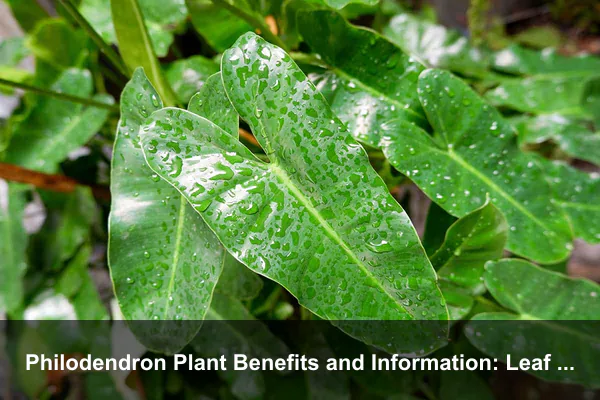
Philodendrons are often described as easy indoor plants, but their real value goes beyond the familiar idea of a pretty green pot in the corner. When you understand how this tropical foliage plant grows, reacts, and adapts, it becomes a practical tool for improving indoor comfort, building a calmer room, and learning better plant care habits. This guide to Philodendron plant benefits and information focuses on a fresh angle: how to choose, place, and read a philodendron based on leaf health and the microclimate inside your home.
Instead of repeating the same basic houseplant advice, this article looks at philodendrons as living indicators. Their leaves can tell you when light is too weak, air is too dry, water is inconsistent, or the potting mix is staying wet too long. With the right approach, a philodendron can be a low-stress houseplant that supports indoor greenery, steady routines, and a more responsive relationship with your living space.
What Makes Philodendrons Useful Houseplants?
Philodendrons belong to the aroid family, a group of plants known for bold foliage, adaptable growth, and strong indoor appeal. Many popular philodendrons come from tropical forest environments where they grow beneath taller trees, climb supports, or spread through filtered light. That background explains why many varieties tolerate ordinary indoor conditions better than sun-loving plants.
The main benefits of philodendrons are practical rather than magical. They add greenery to rooms that feel hard, dry, or visually flat. They can help people create a more relaxed home routine because their care rhythm is simple: observe the leaves, check the soil, adjust light, and water only when needed. For beginners, this makes philodendrons forgiving teachers. For experienced growers, they offer enough variety in leaf shape, color, and growth habit to stay interesting.
Realistic benefits to expect
- Visual softness: Large or trailing leaves reduce the plain feeling of shelves, desks, bare walls, and corners.
- Care feedback: Leaves respond clearly to watering, light, humidity, and root conditions.
- Indoor adaptability: Many varieties grow well in bright indirect light and average home temperatures.
- Space flexibility: Compact, trailing, and upright philodendrons can work in apartments, offices, and larger rooms.
- Routine building: Regular checking and light maintenance can create a calmer, more intentional home habit.
Air quality claims in context
Philodendrons are sometimes promoted as air-purifying plants. It is true that plants can interact with indoor air in controlled research settings, but a few houseplants should not be treated as a replacement for ventilation, cleaning, or proper air filtration. The more reliable benefit is that philodendrons encourage people to pay attention to room conditions, such as stale air, dust, dry corners, and poor light. In real homes, that awareness often matters more than exaggerated purification claims.
A Smarter Way to Choose a Philodendron
One of the most useful pieces of Philodendron plant benefits and information is this: do not choose a plant only because it looks good in a photo. Choose it based on the room where it will live. A philodendron that fits the light, space, and care style of your home will give you more benefits than a rare plant that constantly struggles.
For lower-light rooms
Rooms with smaller windows or indirect daylight usually suit green-leaved philodendrons better than highly variegated ones. Heartleaf philodendron and similar vining types are often good candidates because they can remain attractive without intense brightness. They still need light, but they are less demanding than many decorative houseplants.
For bright living spaces
If your room receives strong indirect light, you can consider varieties with larger leaves, deeper color, or more dramatic growth. Bright light helps philodendrons produce fuller leaves and stronger stems. Avoid harsh direct afternoon sun, especially through hot glass, because it can scorch foliage.
For bathrooms and kitchens
Warm rooms with occasional humidity can be useful for philodendrons, provided there is enough daylight. A bathroom with a bright window can support lush foliage, while a dark bathroom will not. Kitchens can work well if the plant is kept away from heat vents, greasy surfaces, and areas where leaves are brushed too often.
For offices and desks
Compact philodendrons can make workspaces feel less sterile, but they should not be placed in permanently dark corners. If the office has weak natural light, a grow light may be more reliable than moving the plant every few days. Stable placement usually creates better growth than constant shifting.
Reading Philodendron Leaves Like a Care Dashboard
Philodendron leaves are not just decorative. They are the clearest sign of whether the plant is receiving the right balance of light, moisture, air movement, and root space. Learning to read those signals helps you prevent problems before they become serious.
Yellow leaves
One yellow leaf is not always a crisis. Older leaves naturally age and drop as the plant grows. However, several yellow leaves at once often point to overwatering, poor drainage, or a potting mix that stays soggy. If the soil smells sour or remains wet for many days, the roots may not be getting enough oxygen.
Brown tips or crispy edges
Brown tips may come from dry air, inconsistent watering, fertilizer buildup, or mineral-heavy water. The pattern matters. Crispy edges across several leaves often suggest dryness or salt stress, while soft brown patches may suggest overwatering or disease. Remove damaged tissue only if it is dry and unattractive; the more important step is correcting the cause.
Small new leaves
If new leaves are much smaller than older ones, the plant may need more light, better nutrition, or a support structure if it is a climbing type. Small leaves can also appear after stress, such as repotting, shipping, or a sudden move from nursery conditions into a home.
Drooping stems
Drooping can mean underwatering, but it can also happen when roots are too wet and damaged to absorb moisture. Before watering, always check the soil. If the top few centimeters are dry and the pot feels light, water thoroughly. If the mix is wet and the plant is drooping, pause watering and inspect drainage.
Leaf spots
Spots can develop from water sitting on leaves, poor air movement, pests, or fungal and bacterial issues. Avoid misting as a cure-all. Misting gives only brief surface moisture and can make spotting worse if leaves remain wet. Better humidity comes from grouping plants, using a pebble tray carefully, or running a humidifier in dry rooms.
Building a Philodendron Microclimate Indoors
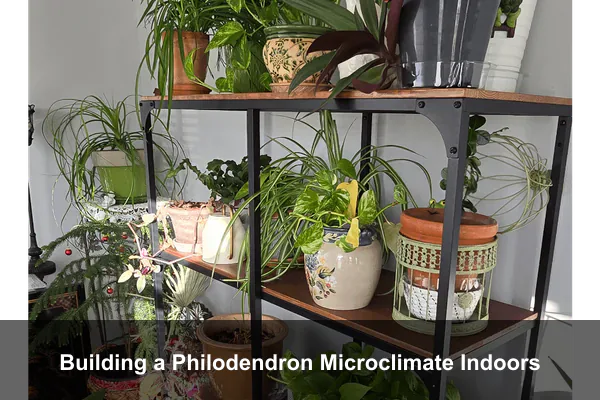
A microclimate is the small set of conditions around a plant: light, temperature, humidity, airflow, and moisture in the pot. Two plants in the same room can experience different microclimates if one sits near a bright window and the other is next to an air conditioner. Understanding this is central to healthy philodendron care.
Light
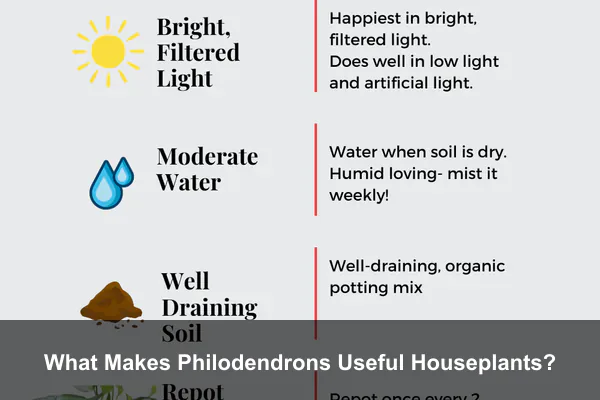
Most philodendrons prefer bright, indirect light. This means the room is naturally bright, but the leaves are not baked by direct sun for long periods. A sheer curtain, distance from the window, or placement beside rather than directly in front of a hot window can create better conditions. If growth becomes stretched, pale, or sparse, the plant likely needs more light.
Temperature
Philodendrons generally prefer warm, stable indoor temperatures. Sudden cold drafts, air-conditioning blasts, and placement near exterior doors can slow growth or damage leaves. A consistent room is usually better than a location that alternates between hot sun and cold night air.
Humidity
Many philodendrons tolerate average indoor humidity, but they often grow more beautifully when humidity is moderate. Dry air can lead to curled leaves, brown edges, or slow unfurling. In dry climates or air-conditioned homes, place the plant near other houseplants or use a small humidifier. Keep enough airflow so the plant does not sit in stagnant dampness.
Potting mix
A good philodendron mix should hold some moisture while still draining well. Dense garden soil is usually a poor choice indoors because it compacts and stays wet. A practical mix may include indoor potting soil, orchid bark, perlite, coco chips, or similar airy components. The goal is a root zone that is lightly moist after watering but not swampy.
Watering rhythm
Watering on a strict calendar is less effective than watering based on soil condition. Check the top layer of the mix with your finger or a moisture meter. When the top part has dried and the pot feels lighter, water until excess drains from the bottom. Empty saucers so roots are not sitting in standing water.
Long-Term Care for Stronger Philodendron Growth
Philodendrons often survive imperfect care, but survival is not the same as steady, attractive growth. A long-term care plan helps the plant maintain healthy leaves and a balanced shape through changing seasons.
The first month after buying
The first month is an adjustment period. A philodendron may lose one or two leaves while adapting from nursery humidity to your home. During this period, avoid repotting immediately unless the soil is clearly poor, the roots are rotting, or the plant is severely root-bound. Give it stable light, check moisture carefully, and keep it away from cold drafts.
Fertilizing
During active growth, a balanced diluted houseplant fertilizer can support new leaves. Overfertilizing is a common mistake because it can burn roots and cause brown tips. Feed lightly and less often in low-light conditions, because plants use nutrients more slowly when growth is reduced.
Cleaning leaves
Dust blocks light and makes leaves look dull. Wipe leaves gently with a damp soft cloth every few weeks, especially on broad-leaved varieties. Avoid heavy leaf-shine products because they can clog leaf surfaces and create an unnatural finish.
Pruning
Pruning helps maintain shape and encourages fuller growth. Remove dead, yellow, or weak stems with clean scissors. If a vining philodendron becomes too long and sparse, trimming it back can encourage a denser look. Always cut just above a node, which is the point where leaves and roots can form.
Repotting
Repot only when needed. Signs include roots circling tightly, water running through too quickly, slow growth despite good care, or roots emerging from drainage holes. Move up only one pot size at a time. A pot that is too large can hold excess moisture and increase the risk of root problems.
Safety and Responsible Placement
No guide to Philodendron plant benefits and information is complete without safety. Philodendrons contain insoluble calcium oxalate crystals, which can irritate the mouth, throat, and digestive system if chewed. This matters in homes with pets, toddlers, or anyone likely to touch and taste plants.
Place philodendrons where curious pets and children cannot reach them. Hanging planters, high shelves, plant stands, or rooms with controlled access may be safer. If a pet or child chews the plant and shows signs of irritation, drooling, vomiting, swelling, or distress, contact a veterinarian or medical professional promptly.
Plant sap can also irritate sensitive skin. Wear gloves when pruning or repotting if you are prone to skin reactions, and wash your hands afterward. Responsible placement allows you to enjoy the plant’s benefits without creating unnecessary risk.
Philodendron Benefits for Different Homes
The best philodendron is the one that fits your real life. A person in a compact apartment, a busy office worker, and a plant collector may need different varieties and care routines. Matching the plant to the lifestyle makes the benefits more consistent.
Small apartments
Trailing or compact philodendrons can bring greenery into small spaces without taking over the floor. A shelf, wall hook, or narrow plant stand can turn unused vertical space into a softer green feature. Choose varieties that do not demand constant pruning if space is limited.
Busy households
For people who travel or forget watering occasionally, green-leaved philodendrons are often more forgiving than delicate tropical plants. They still need observation, but they usually recover better from short dry periods than plants with thin, fragile leaves.
Renters
Philodendrons can improve the feel of a rental without permanent changes. A healthy plant can make a temporary room feel more personal and settled. Use removable hooks, freestanding shelves, or simple pots that protect flooring and furniture from water damage.
Workspaces
In offices, philodendrons can soften screens, cables, and hard furniture. A plant near a desk may also remind people to pause, check light, and maintain a small living element in a technical environment. Keep the plant out of traffic paths so leaves are not repeatedly bumped.
Common Mistakes That Reduce Philodendron Benefits
Most philodendron problems come from good intentions applied too often. Too much water, too much fertilizer, too much moving, or too much direct sun can create stress. A calm, consistent approach usually works better.
- Watering before checking soil: This increases the risk of root rot, especially in cool or low-light rooms.
- Using a pot without drainage: Decorative containers are fine as outer covers, but the plant itself should drain properly.
- Placing variegated plants in dim corners: Variegated leaves usually need brighter indirect light to maintain color and growth.
- Ignoring pests: Check leaf undersides and stems for spider mites, mealybugs, scale, and thrips.
- Repotting too often: Frequent disturbance can slow growth and damage roots.
- Following one-size-fits-all advice: Your room’s light, humidity, and season matter more than generic schedules.
Simple Philodendron Care Checklist
Use this checklist as a practical reference for keeping your plant healthy over time. It is not a rigid formula, but it helps you build habits that match how philodendrons actually grow indoors.
- Place the plant in bright, indirect light whenever possible.
- Check the soil before watering and avoid letting the pot sit in water.
- Use a chunky, well-draining indoor potting mix.
- Keep the plant away from cold drafts, harsh sun, and heat vents.
- Wipe dust from leaves so they can receive light efficiently.
- Inspect for pests during watering or cleaning routines.
- Fertilize lightly during active growth and reduce feeding in slower seasons.
- Repot only when roots and growth show that more space is needed.
- Keep the plant out of reach of pets and young children.
Frequently Asked Questions
Is a philodendron good for beginners?
Yes, many philodendrons are beginner-friendly because they tolerate normal indoor conditions and give visible feedback through their leaves. Beginners should start with a green, non-fussy variety before trying rare or highly variegated plants.
How often should I water a philodendron?
Water when the upper part of the potting mix has dried and the pot feels lighter. The exact timing depends on light, temperature, humidity, pot size, and soil mix. In bright warm rooms, watering may be more frequent. In cooler low-light spaces, it will be less frequent.
Can philodendrons grow in low light?
They can tolerate lower light better than many plants, but low light is not the same as no light. Growth may become slower, stems may stretch, and leaves may become smaller. Bright indirect light is usually the best balance.
Are philodendrons the same as pothos?
No. Philodendrons and pothos are both popular aroids and can look similar, especially in trailing forms, but they are different plants. Their leaf texture, growth points, and care preferences overlap, yet identification matters for accurate plant information.
Why is my philodendron not producing bigger leaves?
Small leaves may come from low light, limited nutrients, stress, lack of support for climbing types, or a plant that is still juvenile. Improve light gradually, feed lightly during active growth, and make sure the roots are healthy before expecting dramatic changes.
Conclusion
Philodendrons are valuable indoor plants because they combine beauty, adaptability, and clear care signals. Their benefits are strongest when you treat them as living partners in your home environment, not as simple decorations or miracle air filters. By matching the variety to the room, reading leaf signals, and building a stable microclimate, you can enjoy healthier growth with less guesswork.
The most useful lesson from this guide to Philodendron plant benefits and information is that a thriving plant begins with observation. Look at the leaves, feel the soil, notice the light, and adjust slowly. With that approach, a philodendron can bring long-lasting greenery, practical plant-care learning, and a calmer natural presence into everyday indoor life.
