
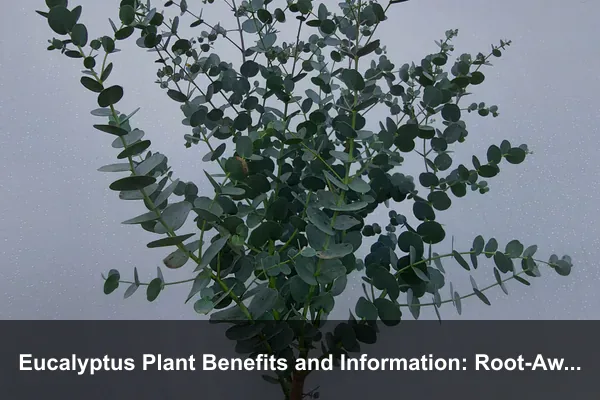
Eucalyptus is one of those plants people recognize before they can name it. The blue-green leaves, crisp scent, peeling bark, and fast vertical growth make it feel both ornamental and practical. Yet good eucalyptus plant benefits and information should go beyond saying that the plant smells fresh or looks beautiful in a vase. Eucalyptus can be useful, but it also asks for thoughtful placement, realistic expectations, and careful safety habits.
This guide takes a responsible angle for gardeners, homeowners, and plant lovers who want the benefits of eucalyptus without creating avoidable problems. Instead of focusing only on fragrance or decoration, it explains how eucalyptus fits into a garden, when it belongs in a container, how its roots and canopy behave, why fire-smart maintenance matters, and how to enjoy its aromatic foliage safely. In the broader world of plant benefits, eucalyptus is best understood as a high-value plant for the right setting, not a universal solution for every home.
Why Eucalyptus Needs a Practical Benefits Guide
The word eucalyptus covers a large group of trees and shrubs, most famously native to Australia, with species now grown in warm, mild, and Mediterranean-style climates around the world. Some are towering landscape trees. Others, such as silver dollar eucalyptus types, are grown as ornamental foliage plants, patio specimens, or seasonal container plants. Their benefits depend heavily on species, climate, space, pruning, and household safety needs.
A responsible article about eucalyptus plant benefits and information should answer one key question: does this plant fit the place where you want to grow it? If the answer is yes, eucalyptus can provide elegant foliage, wildlife value, scent, wind screening, and useful cut stems. If the answer is no, it can become too large, too thirsty during establishment, too close to structures, or too risky in dry fire-prone landscapes.
This is why eucalyptus is different from many small herbs or indoor foliage plants. A mint plant can be controlled in a pot, and a basil plant can finish its season in a kitchen garden. A eucalyptus tree may become a long-term landscape feature with root spread, litter drop, canopy weight, and maintenance needs. The benefit comes from planning, not impulse planting.
Eucalyptus Plant Benefits at a Glance
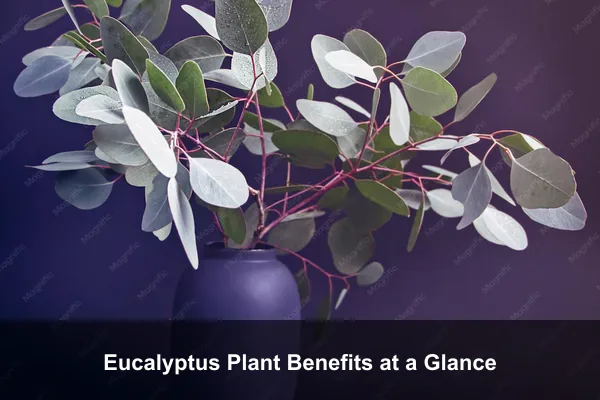
Eucalyptus offers several practical benefits when it is grown in the correct location and managed with care. These benefits are not magical or medical guarantees; they are plant-based advantages that come from foliage, growth habit, scent, and landscape function.
- Aromatic foliage: The leaves contain aromatic compounds, often including 1,8-cineole, that create the clean scent many people associate with eucalyptus.
- Ornamental color: Juvenile leaves on many types are rounded, silvery, blue-green, or gray-green, making the plant useful for modern gardens and floral arrangements.
- Fast screening: In suitable climates, many eucalyptus species grow quickly and can help create wind filtering, privacy, or vertical structure.
- Pollinator interest: Mature eucalyptus flowers can attract bees and other beneficial insects, especially where the species flowers reliably.
- Cut foliage value: Pruned stems can be used in arrangements, wreaths, and fresh displays, provided they are kept away from children and pets.
- Drought tolerance after establishment: Many eucalyptus species tolerate dry periods once roots are established, though young plants still need consistent watering.
- Evergreen presence: In mild climates, eucalyptus can provide year-round color, shade, and structure.
The strongest benefit is not any single use. It is the combination of scent, texture, evergreen form, and resilience in the right climate. For SEO readers searching for eucalyptus plant benefits and information, the most important takeaway is that eucalyptus is useful when it is matched to the site, pruned before it becomes unmanageable, and treated as a potent aromatic plant rather than a casual household herb.
Plant Information: Growth Habit, Leaves, Bark, and Flowers
Eucalyptus plants belong to the myrtle family, Myrtaceae. Depending on the species, they may grow as shrubs, multi-stemmed small trees, or very large trees. Many species have two different leaf phases. Young plants often produce rounded, opposite, silver-blue juvenile leaves. Mature trees may develop longer, lance-shaped leaves that hang vertically from branches. This change matters because the foliage people buy for arrangements often comes from juvenile growth that has been encouraged by pruning.
Leaves and Scent
The leaves are the most familiar feature. Their waxy surface helps reduce water loss, and their aromatic oils give the plant its distinctive smell when leaves are crushed, warmed, or dried. The scent can feel refreshing in a garden, but strong fragrance does not mean the plant is safe to eat or that essential oil should be handled casually. A fresh leaf, dried stem, and concentrated essential oil are very different levels of exposure.
Bark and Litter
Many eucalyptus trees shed bark in strips, ribbons, flakes, or patches. This can be visually beautiful, especially on species with mottled trunks, but it also creates litter. Leaf litter and bark strips should be part of your maintenance plan. In dry regions, fallen material can become a fuel source, so eucalyptus is not a plant to ignore after planting.
Flowers and Seed Capsules
Eucalyptus flowers do not look like classic petals. They often appear as fluffy clusters of stamens in cream, white, pink, red, or yellow, depending on species. After flowering, woody seed capsules may form. In the right landscape, flowers can support pollinators. In the wrong region, seed production may also raise concerns about unwanted spread, so gardeners should check local guidance before planting unfamiliar species.
Fire-Smart and Root-Aware Placement
The most unique and important part of eucalyptus care is placement. A small nursery plant can look harmless, but many eucalyptus species grow quickly, develop broad root systems, shed bark and leaves, and form heavy branches. In areas where wildfire is a concern, aromatic foliage and dry litter require especially serious planning. The UC ANR Fire Network emphasizes that vegetation placement, maintenance, and removal of fire pathways are central to safer landscaping.
Choose Distance Before Beauty
Do not choose a planting spot only because the foliage looks good near a patio or wall. Think first about mature height, canopy spread, root space, wind exposure, and local fire risk. Avoid planting large eucalyptus species close to houses, garages, fences, drains, septic systems, pools, sidewalks, or narrow side yards. If you want the look near living areas, choose a container specimen, a smaller species, or cut stems from a managed plant located farther away.
Understand Root Behavior
Eucalyptus roots are often described as active and wide-spreading, especially where water is available. The main problem is not that every eucalyptus root will destroy every structure. The problem is that a fast-growing tree in a tight space leaves little margin for error. Roots may compete with nearby plants, seek moisture, and make transplanting difficult once the tree is established.
Reduce Dry Fuel
In dry climates, regularly remove fallen bark strips, dead twigs, and thick layers of leaf litter, especially near structures. Keep the lower canopy clean, prune out dead wood, and avoid letting dry grasses or shrubs connect the ground to the tree canopy. Good eucalyptus care is not only about watering and feeding; it is also about reducing neglected plant material that can become a hazard.
How to Grow Eucalyptus in Containers and Small Gardens
Many people want eucalyptus benefits but do not have room for a full-size tree. A container can be a smart compromise, especially for gardeners who want foliage, fragrance, and seasonal interest without committing to a large landscape tree. Container growing also works well in colder climates where eucalyptus must be protected from freezing temperatures.
Choose the Right Type
For pots, look for species or cultivars commonly grown for juvenile foliage, such as silver dollar eucalyptus types. Avoid buying a random seedling without checking its mature size. Some species sold when young may eventually want to become large trees. If your goal is a patio plant, balcony accent, or cutting plant, choose the most compact option available and plan to prune it regularly.
Use a Large, Stable Container
Eucalyptus dislikes staying soggy, but it also needs enough root room to support fast top growth. Use a pot with drainage holes and enough weight to resist tipping in wind. A free-draining potting mix is better than dense garden soil. If the plant dries out completely in summer, leaves may crisp and drop, so container eucalyptus needs regular checking even if the species is drought tolerant in the ground.
Prune for Juvenile Foliage
Regular pruning keeps container eucalyptus bushier and encourages the rounded juvenile leaves many growers prefer. Pinch or cut back long stems during active growth, always using clean tools. Avoid removing too much at once from a weak or stressed plant. A healthy container plant can be shaped gradually, while a neglected plant may need staged pruning over several months.
Safe Aromatic Use: Leaves Are Not the Same as Oil
Eucalyptus is famous for its scent, but safety is where many articles become vague. Fresh leaves, dried leaves, commercial vapor products, and essential oil are not interchangeable. Concentrated eucalyptus oil can be dangerous if swallowed, and it should never be treated like a food ingredient or casual home remedy. The U.S. Poison Control Center warns that eucalyptus oil should not be swallowed and can cause serious symptoms. The ASPCA lists eucalyptus as toxic to dogs, cats, and horses.
Enjoy the Scent Without Overdoing It
A safe approach is simple: enjoy eucalyptus as an aromatic plant, not as a cure. A few stems in a well-ventilated room can provide a pleasant scent. A garden plant can release fragrance when leaves move in warm air. Dried stems can add freshness to a display. These uses are different from applying essential oil to skin, diffusing it heavily, or adding it to food or drinks.
Household Safety Rules
- Keep eucalyptus leaves, dried wreaths, and oils away from children and pets.
- Do not place eucalyptus stems where cats, dogs, rabbits, or horses can chew them.
- Never swallow eucalyptus essential oil or add it to homemade teas, syrups, or cooking.
- Use caution with diffusers around babies, pregnant people, people with asthma, and pets.
- Store essential oils in closed containers, out of sight and reach.
- If accidental ingestion occurs, contact poison control, a medical professional, or a veterinarian promptly.
This safety-first approach does not reduce the value of eucalyptus. It makes the plant easier to enjoy responsibly. Many beneficial plants are powerful, and powerful plants deserve clear boundaries.
Care Routine for Healthy Eucalyptus Growth
Eucalyptus care is straightforward when the plant is in the right place. Most problems come from poor placement, heavy shade, compacted soil, overwatering in pots, or delayed pruning. The goal is to support strong growth while preventing the plant from becoming too large, dry, crowded, or unstable.
Light
Most eucalyptus plants prefer full sun. In warm climates, aim for at least six hours of direct light. Indoors, eucalyptus usually struggles unless it receives very bright light, excellent airflow, and careful watering. For most people, eucalyptus is better as an outdoor plant, patio specimen, or temporary indoor display rather than a long-term low-light houseplant.
Water
Young eucalyptus plants need consistent moisture while roots establish. Once established in the ground, many species handle dry spells better than soft-leaved ornamentals. Container plants are different because pots dry faster. Water deeply when the top portion of the mix has dried, then let excess water drain. Avoid leaving the pot standing in a saucer of water.
Soil
Good drainage is more important than rich soil. Eucalyptus can dislike heavy, waterlogged conditions. If planting in the ground, improve drainage before planting rather than trying to rescue a stressed tree later. In containers, use a free-draining mix and refresh the top layer with compost or fresh potting mix as needed.
Feeding
Do not overfeed eucalyptus. Too much nitrogen can push soft, fast growth that may be more vulnerable to wind, pests, and poor structure. For containers, a light, balanced feeding during active growth is usually enough. In the ground, healthy soil and proper watering often matter more than fertilizer.
Pruning, Coppicing, and Long-Term Size Control
Pruning is where eucalyptus becomes manageable. Without pruning, many species become tall quickly. With planned pruning, you can encourage bushier growth, harvest attractive stems, and keep the plant within a realistic size range. The best method depends on whether you are growing eucalyptus as a tree, shrub, coppiced foliage plant, or container specimen.
Structural Pruning
For trees, remove crossing, damaged, or poorly attached branches while they are still small. Do not wait until branches are heavy and difficult to correct. Avoid topping mature trees randomly, because poor cuts can create weak regrowth. If a tree is large, near structures, or storm-damaged, hire a qualified arborist instead of attempting major work yourself.
Coppicing for Foliage
Coppicing means cutting a plant back low to encourage vigorous new stems. Some eucalyptus species respond well to this method, producing attractive juvenile foliage for cutting. It is most appropriate for plants grown specifically for foliage, not for large trees in risky locations. Always confirm that your species tolerates coppicing before making severe cuts.
Container Pruning
For potted eucalyptus, light but regular pruning is usually better than drastic pruning after the plant becomes leggy. Cut just above a leaf node, rotate the pot for even light, and reduce top growth if the plant becomes unstable. If roots fill the pot quickly, move up one container size or root-prune only if you understand the technique and the plant is healthy.
Sustainable Garden Value and Ecological Fit
Eucalyptus can be sustainable in the right setting, but it is not automatically eco-friendly everywhere. In some regions, certain species may be considered invasive, high-maintenance, or poorly suited to local ecology. In other places, eucalyptus can be a useful drought-adapted ornamental, windbreak, or nectar source. The responsible choice is local, not universal.
Before planting, check whether eucalyptus is recommended, restricted, or discouraged in your area. Local extension offices, botanical gardens, fire departments, and native plant groups can provide context that a general article cannot. This is especially important in coastal California, Mediterranean climates, island ecosystems, and regions where non-native trees can spread into wildlands.
If eucalyptus is appropriate for your region, improve its ecological value by giving it enough space, maintaining leaf litter responsibly, avoiding unnecessary pesticides, and pairing it with locally beneficial plants. Underplanting can be difficult beneath mature eucalyptus because shade, roots, and litter may limit plant growth. Instead of forcing delicate plants under the canopy, design with open mulch zones, paths, gravel, or tough companion plants suited to dry competition.
Common Eucalyptus Mistakes to Avoid
Many eucalyptus problems begin with a small decision that seemed harmless at the time. Avoiding these mistakes can save years of pruning, removal costs, or safety concerns.
- Planting too close to buildings: Always consider mature size, branch spread, and roots before choosing a site.
- Ignoring local fire risk: In dry areas, eucalyptus requires clean-up, spacing, and careful maintenance.
- Buying by leaf shape alone: A beautiful young plant may become far larger than expected.
- Keeping pots too wet: Container eucalyptus needs drainage and air around the roots.
- Using essential oil casually: Concentrated oil is not the same as a scented leaf and should never be swallowed.
- Assuming it is pet-safe: Keep eucalyptus away from animals that may chew leaves or stems.
- Delaying pruning: Small, regular cuts are easier and safer than major correction later.
- Forgetting wind exposure: Tall, fast growth in an unstable pot or exposed site can become a problem.
If you already have a eucalyptus in the wrong place, do not panic. Start by identifying the species, assessing distance from structures, checking branch health, and removing dry debris. For large trees, ask an arborist for a risk assessment rather than relying on guesswork.
Frequently Asked Questions About Eucalyptus Plant Benefits and Information
Can eucalyptus be grown indoors?
Eucalyptus can be displayed indoors temporarily, but it usually prefers outdoor sun and airflow. A bright conservatory, greenhouse, or sunny patio is more suitable than a dim room. If grown inside, give it the brightest light available, avoid overwatering, and expect to move it outdoors when conditions allow.
Is eucalyptus a medicinal plant?
Eucalyptus has a long history of use in commercial products and traditional practices, especially for scent and topical preparations. However, homegrown leaves and essential oil should not be used as medical treatment without professional guidance. The safest everyday benefit is aromatic enjoyment, not self-medication.
Is eucalyptus safe for pets?
No, it should be treated as unsafe for pets. Cats, dogs, horses, and other animals should not chew eucalyptus leaves, stems, or products containing eucalyptus oil. Keep arrangements and oils out of reach and contact a veterinarian if ingestion is suspected.
Does eucalyptus repel mosquitoes?
Some eucalyptus-derived compounds are used in formulated repellents, but simply growing a eucalyptus plant in the garden will not reliably protect a patio from mosquitoes. Mosquito control still depends on removing standing water, using screens, wearing protective clothing, and choosing tested repellent products when needed.
How fast does eucalyptus grow?
Growth rate depends on species, climate, water, soil, and pruning. Many eucalyptus plants grow quickly in warm, sunny conditions, which is useful for screening but risky in small spaces. Always research mature size before planting.
Conclusion
Eucalyptus plant benefits and information are most useful when they help you make a clear decision. Eucalyptus can be beautiful, aromatic, evergreen, fast-growing, and valuable for cut foliage or landscape structure. It can also be too large, too messy, too risky near structures, or unsafe for casual use around children and pets.
The best way to enjoy eucalyptus is to match the plant to the place. Grow it where there is sun, drainage, room for roots, and a realistic maintenance plan. Use containers when space is limited. Prune early, clean up dry litter, respect fire-smart landscaping principles, and treat essential oil with serious caution. With that practical approach, eucalyptus becomes more than a scented trend. It becomes a well-managed plant with genuine benefits and a safer role in the garden.
