
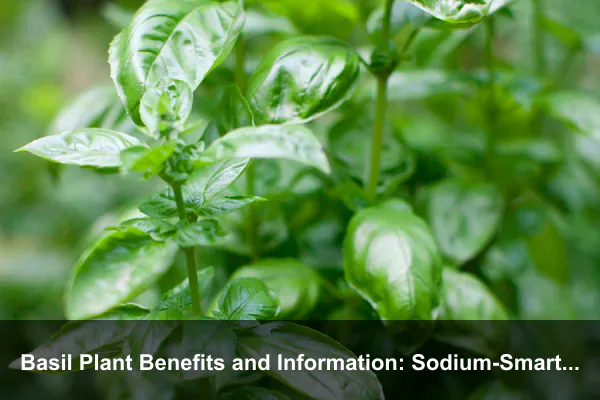
Basil is often treated as a finishing herb, but its real value goes much deeper than a few green leaves on pasta. A healthy basil plant can change the way a kitchen works: it adds aroma before extra salt is needed, makes simple meals feel fresher, and gives home cooks an easy gateway into practical herbal gardening. This guide to Basil plant benefits and information focuses on a fresh angle: how basil supports sodium-smart cooking, weekly meal prep, and everyday food quality without turning the plant into a miracle cure.
In the context of Manfaat Tanaman, basil is useful because it connects flavor, nutrition, home gardening, and mindful food routines. It is edible, fast-growing, aromatic, and easy to use in small amounts. Whether you keep a pot near a sunny window, grow several plants outdoors, or buy bunches from a market, basil can help you build meals that taste complete with fewer heavy sauces and less reliance on processed seasoning blends.
This article explains what basil is, why it tastes so powerful, how to use it for balanced meals, how to keep it fresh, and what safety points matter. The goal is simple: help you understand basil as a practical household herb that earns its place in the kitchen every week.
What Is Basil and Why Is It So Useful?
Basil, commonly known as sweet basil or Ocimum basilicum, is a tender culinary herb in the mint family. It is grown for its fragrant leaves, which can be used fresh, lightly cooked, blended into sauces, infused into oils with proper food safety, or frozen for later. The most familiar type is sweet Genovese basil, but there are also Thai basil, lemon basil, holy basil, purple basil, cinnamon basil, and compact bush forms.
For everyday home use, basil stands out because it works in small quantities. A handful of leaves can make tomatoes taste brighter, beans taste richer, eggs taste fresher, and grains taste less plain. This makes basil especially valuable for people trying to make home-cooked food more appealing without adding large amounts of salt, sugar, butter, or bottled sauces.
Basic basil plant information is also encouraging for beginners. Basil likes warmth, steady moisture, good drainage, and bright light. Outdoors, it generally performs best in a sunny position. Indoors, it needs the brightest window available or a grow light if natural light is weak. It is not a long-lived woody herb like rosemary, but it grows quickly and rewards regular cutting with new shoots.
Key Identity Points
- Botanical name: Ocimum basilicum for common sweet basil.
- Plant type: Tender annual herb in many climates.
- Main edible part: Fresh leaves, with tender stems also usable in sauces and broths.
- Primary value: Fresh aroma, culinary flexibility, and easy home growing.
- Best use: Added near the end of cooking or used raw to preserve fragrance.
Why Basil Makes Everyday Meals Taste Better
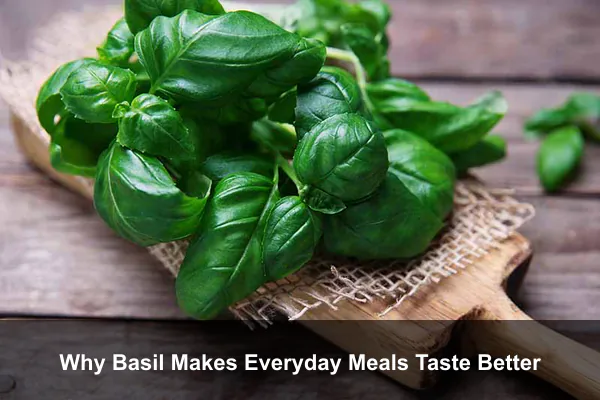
The most practical basil plant benefit is flavor intensity. Basil has a sweet, peppery, slightly clove-like aroma that reaches the nose before the food even touches the tongue. That matters because aroma is a major part of how people experience flavor. When food smells fresh and layered, it often feels more satisfying with less sodium.
Basil leaves contain aromatic plant compounds that contribute to their distinctive scent. These compounds vary by variety, growing conditions, leaf age, and handling. Sweet basil often has notes associated with clove, anise, mint, and pepper. Thai basil leans toward licorice and spice. Lemon basil brings citrus brightness. This variety means basil is not just one flavor; it is a family of flavor tools.
For home cooks, basil can help create what might be called a flavor bridge. It connects bland foods to bold foods. Plain rice becomes a base for basil-lime vegetables. White beans become a spread with basil, lemon, and olive oil. Roasted zucchini becomes more lively with torn basil and a splash of vinegar. These are small changes, but they can make repeated healthy meals easier to enjoy.
How Basil Helps Reduce Dependence on Salt
Basil does not remove sodium from food, and it should not be described as a medical treatment for blood pressure. Its benefit is more practical: it gives food stronger sensory appeal, which can make lower-sodium cooking feel less flat. This is especially useful for people who are trying to reduce packaged seasoning mixes, salty sauces, instant noodles, processed meats, or heavy cheese toppings.
A sodium-smart basil approach usually works best when basil is paired with other flavor builders. Instead of simply cutting salt and hoping the dish still tastes good, build flavor from several directions:
- Aroma: Fresh basil, garlic, onion, citrus zest, or toasted spices.
- Acidity: Lemon juice, lime juice, vinegar, tomatoes, or yogurt.
- Healthy fat: Olive oil, avocado, nuts, seeds, or a small amount of cheese.
- Texture: Toasted breadcrumbs, roasted vegetables, crunchy cucumbers, or seeds.
- Heat: Chili flakes, black pepper, ginger, or fresh chilies when appropriate.
When these layers are present, basil has more to work with. A dish can taste bright and complete with a modest amount of salt instead of needing salt as the main source of interest.
Building a Sodium-Smart Basil Flavor System
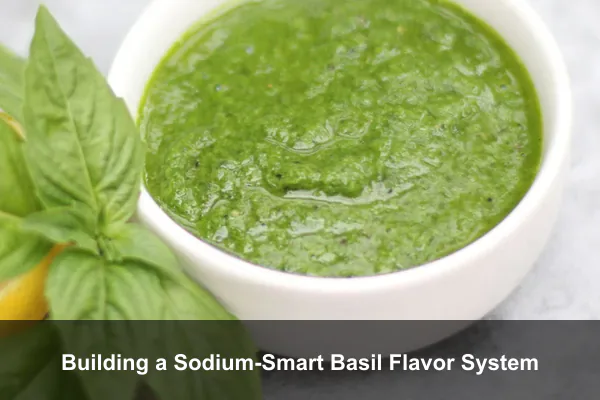
A good way to use basil consistently is to build a simple flavor system. This means having a few repeatable basil-based preparations that can be used across many meals. Instead of wondering what to do with a plant each day, you create flexible components that turn ordinary food into something intentional.
1. Fresh Basil Finishing Mix
This is the easiest method. Chop or tear basil just before serving and combine it with lemon juice, a small amount of olive oil, black pepper, and optional minced garlic. Spoon it over grilled vegetables, soup, rice bowls, fish, eggs, tofu, chicken, or lentils. The key is to add it at the end so the leaves keep their bright aroma.
2. Basil Yogurt Sauce
Blend or finely chop basil with plain yogurt, lemon juice, grated cucumber, and a pinch of salt. This sauce works with roasted potatoes, chickpea bowls, sandwiches, wraps, and grilled vegetables. It gives creaminess without needing a mayonnaise-heavy dressing. If you use dairy-free yogurt, choose an unsweetened version so the basil flavor stays clean.
3. Basil Bean Spread
Mash white beans with basil, garlic, lemon, olive oil, and pepper. This creates a spread for toast, vegetable sticks, wraps, or grain bowls. Beans add fiber and protein, while basil makes the spread taste fresh rather than heavy. It is also a useful meal-prep item because it can make a quick lunch feel assembled instead of improvised.
4. Basil Citrus Dressing
For salads and cooked vegetables, mix basil with citrus juice, vinegar, olive oil, mustard, and a little honey if desired. This dressing pairs well with tomatoes, cucumbers, carrots, cabbage, grilled corn, and pasta salads. It is a good alternative to bottled dressings, which can be high in sodium or added sugar depending on the brand.
The main principle is simple: use basil as an active ingredient, not decoration. A few leaves on top may look pretty, but a chopped basil sauce, dressing, or spread carries flavor into every bite.
Nutritional Benefits of Basil in Realistic Portions
Fresh basil is low in calories and contains small amounts of vitamins, minerals, and beneficial plant compounds. USDA food composition data shows that basil is especially notable for vitamin K when measured by weight. It also contains vitamin A-related carotenoids, vitamin C, calcium, iron, magnesium, and potassium in varying amounts.
However, a realistic serving of fresh basil is usually much smaller than 100 grams. Most people use a few leaves, a tablespoon of chopped basil, or a small handful. That means basil should be understood as a nutrient-supporting herb, not a primary source of daily nutrition. Its bigger dietary value comes from how it helps people enjoy vegetables, legumes, whole grains, lean proteins, and home-cooked meals.
What Basil Can Contribute to a Healthy Plate
- More vegetable appeal: Basil makes tomatoes, cucumbers, zucchini, eggplant, peppers, and leafy greens more inviting.
- Better legume flavor: Beans, lentils, chickpeas, and peas taste fresher with basil and acidity.
- Less need for heavy sauces: Fresh herb sauces can replace some creamy, salty, or sugary condiments.
- Plant diversity: Eating herbs adds variety to the plant foods in a weekly diet.
- Mindful cooking: Keeping basil nearby encourages people to finish food with freshness instead of only packaged seasonings.
This is the most honest way to discuss basil plant benefits and information: the plant is valuable because it supports better food habits. It is not a substitute for vegetables, medicine, or balanced meals, but it can make those meals easier to enjoy.
Meal Prep Ideas That Keep Basil Useful All Week
Basil can be fragile, so meal prep should protect its aroma and color. The biggest mistake is cooking basil for too long. Long heat dulls its fragrance, darkens the leaves, and can make the flavor taste muted. For most meals, add basil during the final minute of cooking or after the dish is off the heat.
To make basil practical during a busy week, prepare base foods first and add basil later. Cook grains, roast vegetables, wash sturdy produce, boil eggs, prepare beans, or grill proteins. Then use basil sauces and finishing mixes to make each serving feel different.
Simple Weekly Basil Meal Plan
- Day 1: Tomato, basil, cucumber, and white bean salad with lemon dressing.
- Day 2: Brown rice bowl with roasted vegetables, basil yogurt sauce, and toasted seeds.
- Day 3: Omelet or tofu scramble finished with torn basil and black pepper.
- Day 4: Pasta with fresh tomatoes, basil, olive oil, and a modest amount of cheese.
- Day 5: Basil bean spread in a wrap with crunchy vegetables.
- Day 6: Soup or stew brightened with basil just before serving.
- Day 7: Leftover vegetables turned into a salad with basil citrus dressing.
This plan shows why basil is useful beyond pesto. Pesto is delicious, but basil can also be a daily finishing herb, sauce base, salad ingredient, and flavor reset for leftovers.
Freezing Basil Without Losing Its Purpose
Fresh basil rarely freezes well as loose leaves because the texture collapses. Freezing is still useful if you treat basil as a future cooking ingredient. Chop basil with a little olive oil or water, spoon it into an ice cube tray, freeze, and transfer the cubes to a sealed container. These cubes can be added to soups, sauces, stews, beans, and skillet meals.
Do not expect frozen basil to behave like fresh leaves in a salad. Its job is different. Fresh basil gives aroma and texture; frozen basil gives background herb flavor in cooked dishes.
Growing Basil for a Reliable Kitchen Supply
Even though this article focuses on kitchen value, basic growing knowledge matters because freshly cut basil has the best aroma. A small plant can support regular cooking if it receives enough light, warmth, water, and pruning. Basil usually prefers six or more hours of bright light outdoors. Indoors, weak light is the most common reason plants become thin, pale, and unproductive.
Use a pot with drainage holes and a quality potting mix. Keep the soil evenly moist, but do not let the roots sit in water. When the plant has several sets of leaves, pinch or cut above a leaf pair to encourage branching. This produces a fuller plant and more harvest points. Removing flower buds helps keep the plant focused on leaf growth, although flowering can be useful if your goal is pollinators or seed production.
Small-Space Basil Setup
- Container: A pot about 6 to 10 inches wide for one compact plant, larger for multiple plants.
- Light: Bright sun outdoors or a strong grow light indoors.
- Water: Water when the top layer begins to dry, then let excess drain away.
- Harvest: Cut stems above leaf nodes instead of stripping the plant bare.
- Rotation: Start new seedlings every few months if you want a steady supply.
Basil is a good beginner herb because it gives quick feedback. Wilting may mean the plant is thirsty, but soggy soil can also damage roots. Pale, stretched growth usually points to inadequate light. Bitter or tough leaves often happen when the plant is stressed, old, or flowering heavily.
Buying, Storing, and Handling Basil Safely
When buying basil, choose leaves that look vibrant, flexible, and aromatic. Avoid bunches with blackened patches, slimy stems, strong off odors, or excessive moisture trapped in the package. Basil bruises easily, so handle it gently and wash it close to the time of use rather than soaking it long in advance.
Food safety is important because fresh herbs are often eaten raw. Rinse basil under clean running water and gently pat it dry. Do not use soap, detergent, or bleach on edible leaves. Keep cutting boards, knives, and counters clean, especially if raw meat, poultry, seafood, or eggs were prepared nearby.
Storage depends on how the basil was purchased and how soon you will use it. Some basil bunches keep well for a short time with stems in a glass of water, loosely covered, in a cool spot. Packaged fresh herbs should follow package instructions, and prepared basil foods should be refrigerated promptly. If basil is blended into sauces with dairy, cooked grains, beans, or other perishable ingredients, treat the finished food as perishable and keep it cold until serving.
When to Discard Basil
- Leaves feel slimy or sticky.
- The smell is sour, rotten, or unpleasant.
- Stems are mushy or collapsing.
- Mold is visible.
- Prepared basil sauce has been left at room temperature too long.
Good handling protects both flavor and safety. A fresh herb should make food cleaner and brighter, not introduce unnecessary risk.
Safety Notes and Sensible Limits
For most people, culinary amounts of basil are a normal part of food. The safety concerns are mainly about individual sensitivity, medication interactions, concentrated products, and food hygiene. Fresh basil leaves are not the same as basil essential oil or high-dose extracts. Essential oils are highly concentrated and should not be used as casual food substitutes unless they are specifically intended and safely labeled for that use.
Because basil contains vitamin K, people taking warfarin or similar anticoagulant medicines should avoid sudden, dramatic changes in vitamin K intake. The usual advice is consistency rather than complete avoidance. If you take blood-thinning medication, ask a qualified health professional how herbs and leafy greens should fit into your diet.
Pregnant people, older adults, young children, and anyone with a weakened immune system should be especially careful with raw produce hygiene. This does not mean basil must be avoided; it means washing, clean handling, and proper storage matter. Anyone with known allergies to basil, mint-family plants, or herbal products should use caution and seek medical guidance when needed.
Best Basil Types for Sodium-Smart Cooking
Different basil types can help different meals taste complete. Choosing the right type makes basil more useful and reduces the need for excessive seasoning.
Sweet Basil
Sweet basil is the classic choice for tomatoes, pasta, salads, sandwiches, eggs, and simple herb sauces. It has a familiar flavor that blends well with olive oil, lemon, garlic, and mild cheese. If you only grow one basil, sweet basil is the most flexible option.
Thai Basil
Thai basil has a stronger anise-like note and holds up better in warm dishes than very tender sweet basil. It is excellent with stir-fries, noodle bowls, coconut-based soups, grilled vegetables, and chili-forward meals. Because the flavor is bold, it can make lower-sodium broths and sauces feel more layered.
Lemon Basil
Lemon basil is useful when you want brightness without adding more bottled sauce. It works with fish, cucumber, fruit salads, iced tea, rice dishes, and light bean salads. It is especially helpful in warm climates where fresh, citrus-like flavors make meals feel cleaner.
Purple Basil
Purple basil brings color as well as aroma. Its flavor can be slightly spicier or more clove-like depending on the variety. Use it in salads, herb vinegar, grain bowls, and garnish-heavy dishes where visual appeal helps the meal feel special.
Common Mistakes That Reduce Basil Benefits
Basil is easy, but a few habits can waste its best qualities. The first mistake is adding it too early to long-cooked dishes. Basil is usually better near the end. The second mistake is storing wet leaves in a sealed container, which encourages spoilage. The third is letting a plant flower heavily when your main goal is tender leaves.
Another common mistake is thinking basil must be used only in Italian-style food. Basil fits many cooking patterns. It can work with tropical fruit, chili, ginger, coconut milk, grilled corn, chickpeas, tempeh, eggs, noodles, roasted squash, and simple soups. The more you treat basil as a flexible fresh herb, the more value you get from the plant.
Quick Fixes
- If basil tastes dull, add acid such as lemon or vinegar.
- If a basil sauce tastes harsh, add healthy fat such as olive oil, nuts, seeds, or yogurt.
- If basil wilts, use it in cooked food, sauce, or frozen cubes instead of salad.
- If the plant is leggy, increase light and prune above a node.
- If meals still taste flat, combine basil with garlic, citrus, pepper, and texture instead of only reducing salt.
Frequently Asked Questions About Basil Plant Benefits and Information
Is basil a medicinal plant?
Basil has a long history in food traditions and herbal practices, and it contains aromatic plant compounds. For daily use, it is best understood as a culinary herb that supports flavorful eating. It should not replace professional care, prescribed medicine, or a balanced diet.
Can basil help with healthier eating?
Yes, indirectly. Basil can make vegetables, beans, grains, and lighter meals taste better, which may help people cook at home more often and use fewer salty packaged seasonings. Its most practical benefit is improving food enjoyment.
Should basil be eaten raw or cooked?
Both are possible. Raw basil gives the brightest aroma. Lightly warmed basil adds flavor to sauces and soups. Long cooking reduces freshness, so add it near the end unless you are using frozen basil cubes for background flavor.
How much basil should I use?
Use enough to flavor the dish without overwhelming it. A few torn leaves can finish a single serving, while a large handful can flavor a family salad, sauce, or grain bowl. Culinary amounts are usually modest.
Can I grow basil indoors year-round?
You can, but indoor basil needs strong light and warmth. A sunny window may work in bright climates, while a grow light is often better in darker rooms. Start new plants periodically because basil naturally becomes woody and less productive over time.
Conclusion
Basil deserves attention because it is one of the simplest plants for turning everyday meals into fresher, more satisfying food. The most useful way to understand Basil plant benefits and information is not through exaggerated health claims, but through practical kitchen value. Basil adds aroma, supports sodium-smart flavor, encourages vegetable-rich meals, and gives beginner gardeners a fast, rewarding herb to grow.
Use basil as more than a garnish. Chop it into sauces, blend it into yogurt dressings, pair it with citrus, stir it into beans, freeze it for cooked dishes, and grow a small plant where you will actually use it. When handled safely and used consistently, basil becomes a quiet but powerful part of healthier home cooking.
