
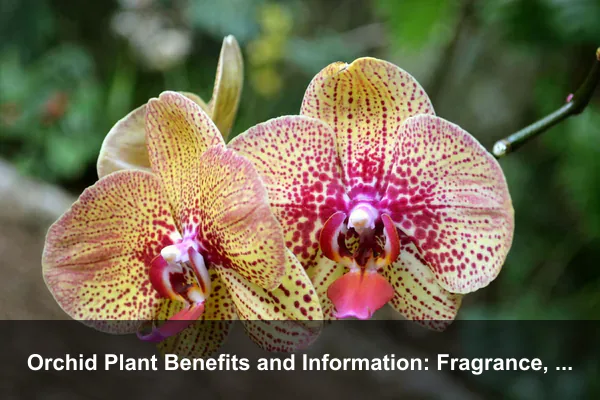
Orchid plant benefits and information go far beyond the beauty of a single flower spike. Orchids are elegant flowering plants that can make a room feel calmer, more refined, and more connected to nature, but their deeper value comes from the way they invite observation, patience, and responsible plant ownership. Unlike fast-growing foliage plants, orchids reward steady routines and careful attention to light, roots, humidity, and season.
This guide takes a unique angle on orchids by focusing on fragrance, symbolism, thoughtful buying, and practical home value. Instead of treating orchids only as decorative blooms, it explains how to choose healthy plants, understand their natural habits, avoid common myths, and enjoy their benefits without overwatering, overfeeding, or supporting harmful wild collection.
What Makes Orchids Valuable Beyond Their Flowers
Orchids belong to the family Orchidaceae, one of the largest and most diverse plant families on earth. Many popular houseplant orchids are epiphytes, which means they naturally grow attached to trees rather than buried in dense soil. This explains why their roots often look thick, silvery, and exposed. Those roots are not strange or unhealthy; they are part of the plant’s survival system.
A plant that encourages slower living
One of the most overlooked orchid benefits is the sense of rhythm they bring into the home. Orchids do not ask for daily attention, but they do ask for consistent observation. You check whether the roots are silvery or green, whether the potting bark is drying properly, and whether the leaves are firm rather than limp. This simple routine can become a calming habit for people who enjoy indoor plants as part of a mindful home.
Elegant value in small spaces
Orchids offer a strong visual effect without taking over a room. A compact Phalaenopsis on a desk, shelf, or side table can add weeks of color while using very little floor space. This makes orchids useful for apartments, work corners, bedrooms, and small homes where large indoor plants may not fit.
Orchid Plant Benefits for Home and Wellbeing
When people search for orchid plant benefits and information, they often want to know whether orchids are useful as well as beautiful. The answer is yes, as long as the benefits are understood realistically.
Visual calm and emotional lift
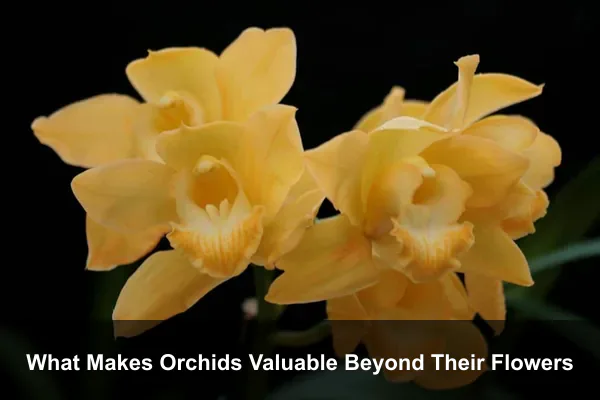
Orchid blooms have clean lines, balanced shapes, and soft color transitions. These features make them especially effective in rooms where the goal is calm focus rather than visual clutter. White orchids can make a room feel fresh and quiet, pink orchids feel warm and graceful, and yellow orchids bring a brighter, more cheerful effect.
Long-lasting flowers with less waste
A healthy potted orchid can flower for several weeks, sometimes longer, depending on the type and growing conditions. Compared with cut flowers that are discarded quickly, a potted orchid can remain part of the home after blooming. With patient care, it may grow new leaves, roots, and future flower spikes.
A rewarding plant for skill building
Orchids help beginners learn important plant care principles, including drainage, indirect light, root health, and seasonal change. They are not as difficult as their reputation suggests, but they do teach that plant care is not the same for every species. This makes them valuable for anyone who wants to grow from casual plant ownership into more confident indoor gardening.
Symbolism, Meaning, and Thoughtful Gifting
Orchids have long been associated with beauty, refinement, admiration, and rare value. In modern homes, they are often used as gifts for birthdays, housewarmings, congratulations, sympathy arrangements, and professional settings. Their meaning depends partly on color, presentation, and context.
Common orchid meanings
- White orchids: elegance, peace, simplicity, and respect.
- Pink orchids: affection, grace, kindness, and gentle celebration.
- Purple orchids: admiration, dignity, creativity, and luxury.
- Yellow orchids: optimism, friendship, warmth, and fresh energy.
- Green orchids: renewal, balance, good fortune, and growth.
For gifting, orchids work best when the receiver has the right environment. A bright room with filtered light is better than a dark corner. If the person is new to plants, choose a healthy Phalaenopsis because it is widely available and easier to manage than many specialty orchids.
Popular Orchid Types and Their Best Uses
Not all orchids behave the same way. Understanding basic orchid types helps you choose one that matches your home, patience level, and design goals.
Phalaenopsis orchids
Phalaenopsis, often called moth orchids, are the most common indoor orchids. They have broad leaves, arching flower stems, and blooms that can last for a long time. They are ideal for beginners, gifts, apartments, and simple indoor displays.
Cattleya orchids
Cattleya orchids are famous for large, showy flowers and, in many varieties, memorable fragrance. They usually need brighter light than Phalaenopsis. They are a good choice for growers who want more dramatic blooms and are ready to pay closer attention to light and seasonal care.
Dendrobium and Oncidium orchids
Dendrobium orchids can be upright and sculptural, while Oncidium orchids often produce sprays of smaller flowers. Some Oncidium types have sweet or spicy scents. These orchids are excellent for people who want variety after succeeding with a beginner orchid.
Paphiopedilum orchids
Paphiopedilum, commonly known as slipper orchids, have unusual pouch-shaped flowers. They are appreciated by collectors because each bloom feels distinctive. They are useful when you want an orchid that becomes a conversation piece rather than a standard floral display.
How to Choose a Healthy and Responsibly Grown Orchid
Buying well is one of the most important parts of orchid success. A weak plant may struggle even with good care, while a healthy nursery-grown orchid gives you a stronger starting point.
Check roots before flowers
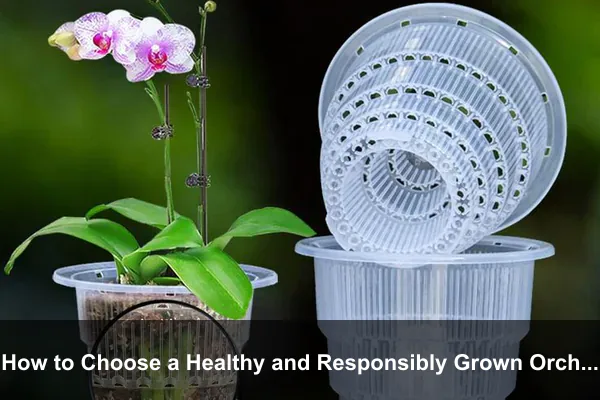
Flowers are attractive, but roots reveal the plant’s future. If the orchid is in a clear pot, look for plump roots that are green after watering or silvery when dry. Avoid plants with many black, mushy, hollow, or foul-smelling roots. Leaves should be firm, not wrinkled, yellowing, or covered with sticky residue.
Look for responsible sourcing
Many orchids are protected in international trade because wild populations can be damaged by overcollection. For everyday buyers, the safest choice is to purchase nursery-grown orchids from reputable sellers. Avoid plants advertised as freshly collected from forests or wild habitats. Responsible buying supports conservation and keeps the joy of orchid growing connected to respect for nature.
Use this quick buying checklist
- Choose firm leaves with no major spots, pests, or collapse.
- Check for healthy roots, especially in transparent pots.
- Prefer plants with some unopened buds so the display lasts longer.
- Confirm the orchid type so you can match its light and watering needs.
- Buy from sellers who clearly label plants and avoid wild-collected claims.
Essential Orchid Care Information for Everyday Success
Orchid care becomes easier when you understand how the plant grows in nature. Most common indoor orchids dislike dense soil, soggy roots, and harsh direct sun. They prefer balance: bright filtered light, airflow, and a potting mix that lets roots breathe.
Light
Place orchids in bright, indirect light. An east-facing window is often ideal. A south or west window may work if filtered by a sheer curtain. Leaves can tell you a lot: very dark green leaves may mean too little light, while yellowish or scorched patches may mean too much direct sun.
Water
Water when the potting mix is nearly dry, not on a strict calendar. In bark mix, this may mean once a week in warm conditions or less often in cooler rooms. Let water drain completely. Never leave the pot sitting in a saucer of water because stagnant moisture can lead to root rot.
Potting medium
Most indoor orchids grow better in bark, sphagnum moss, perlite blends, or orchid-specific mixes rather than regular garden soil. The right medium depends on your watering habits and room conditions. Bark dries faster and suits people who tend to overwater. Moss holds moisture longer and requires more careful monitoring.
Fertilizer
Use a diluted orchid fertilizer during active growth. More fertilizer does not mean better flowering. Too much can burn roots and create salt buildup. A gentle, consistent feeding routine is better than heavy doses.
Fragrance, Air, and Safety: What to Know
Some orchids are fragrant, but many popular grocery-store Phalaenopsis have little or no scent. If fragrance is important, look into Cattleya, Oncidium, Brassavola, or certain Dendrobium varieties. Always check the specific plant because scent can vary widely between hybrids.
Air quality expectations
Orchids contribute to a more pleasant indoor environment by adding greenery, color, and a sense of freshness. However, they should not be treated as a replacement for ventilation, cleaning, or proper humidity control. Their biggest indoor value is aesthetic and emotional rather than mechanical air purification.
Pet and child safety
Common moth orchids are generally considered low-risk houseplants, but any plant material can cause stomach upset if eaten. Keep orchids, bark chips, fertilizers, and decorative moss away from curious pets and children. If a pet chews a plant and shows symptoms, contact a veterinarian.
Simple Ways to Enjoy Orchids Around the Home
Orchids fit many home settings when they receive enough light and are protected from stress. The goal is to place them where they can be seen often but not exposed to drafts, heat vents, or direct afternoon sun.
- Work desk: A compact orchid adds color without crowding your workspace.
- Entry table: A blooming orchid creates a refined first impression.
- Bedroom shelf: Soft-colored blooms can support a calm mood if light is adequate.
- Kitchen window area: Bright filtered light can work well, but avoid heat from stoves.
- Bathroom with a window: Humidity may help, but only if the room has enough light and airflow.
For a clean display, use a simple outer pot with drainage managed inside. Avoid hiding root problems with heavy decorative covers for too long. Healthy orchid beauty starts below the flowers, where roots need oxygen and proper moisture.
Common Orchid Mistakes to Avoid
Many orchid problems come from care habits that work for other houseplants but not for orchids. Avoiding a few common mistakes can dramatically improve plant health.
- Using regular soil: Dense soil suffocates many orchid roots.
- Watering by habit only: Check the roots and potting mix before watering.
- Ignoring drainage: Decorative pots must not trap water around the roots.
- Cutting healthy roots: Silvery aerial roots are usually normal, not a problem.
- Buying only for flowers: A beautiful bloom spike cannot compensate for rotten roots.
- Expecting constant blooms: Orchids need growth and rest phases, not continuous flowering.
Conclusion
Orchid plant benefits and information are most useful when they help you see orchids as living plants, not temporary decorations. Their benefits include long-lasting beauty, compact indoor value, meaningful symbolism, gentle routines, and the satisfaction of learning how roots, light, and moisture work together.
For the best experience, choose a healthy nursery-grown orchid, match the type to your home conditions, and care for it with patience rather than excess. With responsible buying and simple, consistent care, orchids can bring elegance, meaning, and lasting plant value into everyday life.
