
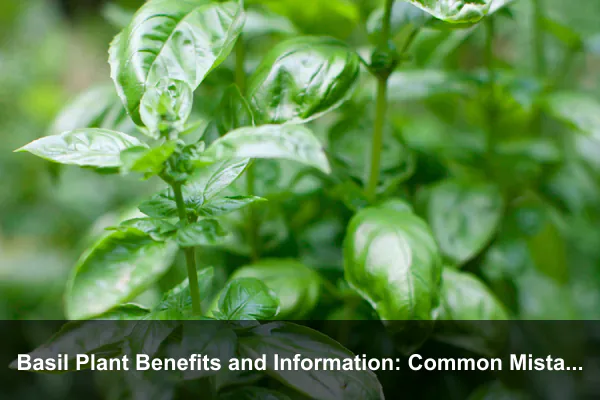
Basil is one of the most useful herbs a home gardener can grow, but many people lose its best qualities by treating it like a decorative houseplant instead of a fast-growing edible annual. This guide to Basil plant benefits and information takes a different angle: it explains the real value of basil through the common mistakes that reduce flavor, weaken growth, and shorten the plant’s productive life.
Known botanically as Ocimum basilicum, basil belongs to the mint family and is loved for its fragrant leaves, quick growth, and flexible kitchen uses. Its benefits are practical rather than mysterious. A healthy basil plant can improve everyday meals, support low-waste cooking, add sensory value to a garden, and teach beginners how pruning, light, water, and timing affect plant performance.
Basil Plant Benefits and Information at a Glance
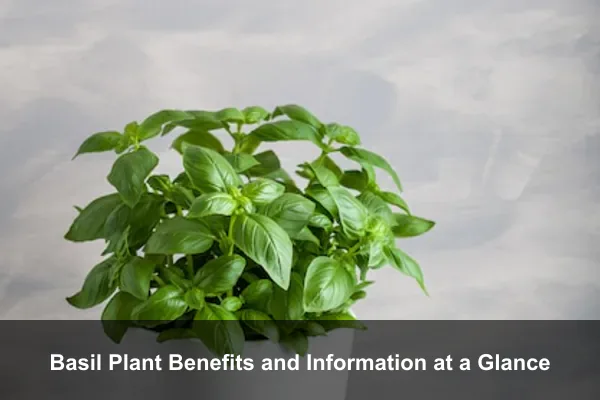
Basil is a tender annual herb in many climates, which means it grows, flowers, sets seed, and declines within one growing cycle. In warm tropical and subtropical areas it may behave more like a short-lived perennial, but most home growers should think of basil as a productive seasonal crop. This mindset prevents one of the biggest disappointments: expecting the same plant to stay lush forever.
What Makes Basil Valuable?
The main benefits of basil come from four areas: flavor, freshness, home growing convenience, and sensory enjoyment. Fresh basil gives dishes a bright herbal aroma that dried basil cannot fully replace. Growing it at home also lets you harvest only what you need, which reduces the waste that often happens when store-bought bunches wilt before being used.
- Culinary value: Basil works in sauces, salads, soups, noodles, rice dishes, sandwiches, herb oils, and quick garnishes.
- Garden value: Its flowers can attract small pollinators when you allow a few plants to bloom near the end of the season.
- Beginner value: Basil responds quickly to care, so new gardeners can see how pruning and watering decisions affect growth.
- Home value: A small pot near a bright window or patio door adds fragrance and makes fresh herbs easier to use.
What Basil Is Not
Basil is not a miracle medicine, a permanent indoor shrub, or a plant that enjoys neglect. It should not be promoted as a cure for health conditions. Its strongest everyday benefit is that it helps people eat more flavorful home-cooked food while learning simple herb gardening skills.
The Basil Mistakes That Hide Its Best Benefits
Many basil plants fail for predictable reasons. Once you understand these mistakes, the plant becomes easier to grow and more rewarding to use. This is why a mistake-based approach is useful for anyone searching for basil plant benefits and information: the benefit is not only in owning the plant, but in managing it well.
Mistake 1: Treating Basil Like a Low-Light Houseplant
Basil needs strong light to grow dense, aromatic leaves. A plant kept in a dim room may survive for a while, but it usually stretches, drops leaves, and produces weak stems. Outdoors, basil prefers full sun in most regions. Indoors, it needs the brightest available window or a grow light. If your basil leans hard toward the window, makes long gaps between leaf pairs, or looks pale, light is probably the first issue to fix.
Mistake 2: Harvesting Leaf by Leaf Forever
Pulling random single leaves may seem gentle, but it often leads to a tall, thin plant. Basil becomes bushier when you cut stems just above a pair of leaves. That cut encourages new side shoots, which means more harvest points later. Good harvesting is also good pruning.
Mistake 3: Letting Flowers Take Over Too Early
Flowering is natural, but it changes the plant’s priorities. Once basil focuses on flowers and seeds, leaf production slows and stems can become woody. The flavor may also become sharper or more bitter. Pinch off early flower buds if your goal is tender leaves. Later in the season, you can let one or two plants bloom for pollinators or seed saving.
Mistake 4: Overwatering Small Pots
Basil likes steady moisture, but it does not like soggy roots. Small supermarket pots often hold many seedlings crowded together, and the soil can swing between too dry and too wet. A container with drainage holes, loose potting mix, and regular checking with your finger is more reliable than watering on a fixed schedule.
Practical Benefits of Basil for Everyday Living
The best basil benefits are simple, repeatable, and easy to notice. They fit the idea of plant usefulness in a realistic way: a plant is beneficial when it supports better habits, better spaces, and better everyday choices.
Flavor Without Heavy Additions
Fresh basil can make food taste more complete without relying only on salt, sugar, or heavy sauces. A few torn leaves can lift tomatoes, eggs, grilled vegetables, beans, chicken, fish, pasta, tofu, and fresh fruit salads. This does not make basil a nutrition solution by itself, but it can support more enjoyable home cooking.
Small Nutrient Contribution
Basil contains small amounts of nutrients such as vitamin K, vitamin A compounds, minerals, and plant compounds that contribute to aroma and color. However, because people usually eat basil in small quantities, it should be viewed as a flavorful herb rather than a major nutrient source. This distinction keeps health claims honest.
A Sensory Plant for Home and Garden
Basil offers a strong sensory experience. The leaves release aroma when touched, the foliage is soft and easy to recognize, and the plant grows quickly enough to keep children and beginners engaged. Purple basil, lemon basil, and Thai basil can also add color, scent, and cultural food variety to a small herb collection.
Low-Waste Kitchen Support
A living basil plant lets you harvest a handful instead of buying a large bunch. This is especially useful for small households. With good pruning, one plant can supply repeated harvests through warm months, and extra leaves can be frozen into herb cubes before the plant declines.
How to Grow Basil So Its Benefits Last
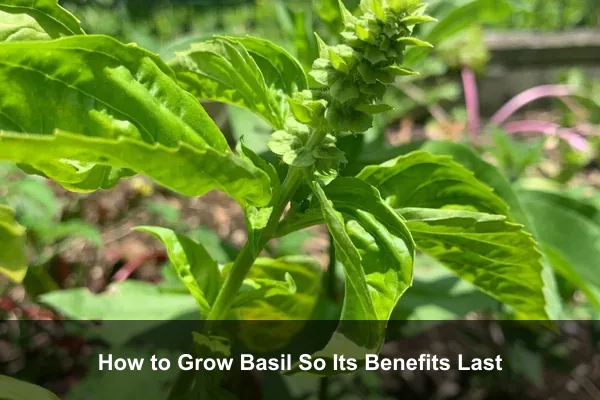
Healthy basil starts with the right growing conditions. The plant is not difficult, but it is specific. When the basics are right, basil grows fast. When the basics are wrong, it shows stress quickly.
Light and Warmth
Basil grows best with bright light and warm temperatures. Outdoors, wait until frost danger has passed before planting. Cold soil and chilly nights can slow growth or damage young plants. Indoors, place basil where it receives strong direct light, or use a grow light for consistent production.
Soil and Container Choice
Use a loose, well-draining potting mix for containers. Garden soil can become compacted in pots, which limits oxygen around the roots. Choose a container with drainage holes and enough room for root growth. A small nursery pot is fine at first, but basil becomes easier to manage in a wider pot that does not dry out every few hours.
Watering Rhythm
Water when the top layer of soil begins to feel dry, then water thoroughly until excess drains out. Do not leave the pot sitting in a saucer of water. Outdoor basil in hot weather may need frequent watering, while indoor basil may need less. The goal is evenly moist soil, not constant wetness.
Pruning for Bushy Growth
Start pruning when the plant has several sets of true leaves. Cut above a leaf pair rather than stripping the plant bare. This keeps growth active and prevents the single-stem shape that often makes basil collapse. A simple rule is to harvest stems regularly, but never remove more than about one-third of the plant at one time unless you are doing a final harvest.
Feeding Without Forcing Weak Growth
Basil is a leaf crop, so it appreciates fertile soil, but too much fertilizer can push soft growth with less concentrated flavor. A balanced, diluted liquid fertilizer every few weeks is usually enough for container basil. In garden beds, compost and healthy soil structure often matter more than heavy feeding.
Choosing the Right Basil for Your Purpose
There are many basils, and the right choice depends on how you plan to use the plant. This is where basil plant benefits and information becomes more practical: a variety is beneficial only if it matches your kitchen, climate, and space.
Sweet Basil and Genovese Basil
Sweet basil and Genovese-type basil are classic choices for pesto, tomato dishes, pasta, salads, and Mediterranean-style cooking. They usually have large green leaves and a familiar clove-like, peppery aroma. If you want one all-purpose basil, start here.
Thai Basil
Thai basil has a firmer leaf texture and a spicy, anise-like fragrance. It holds up better in some cooked dishes than tender sweet basil. It is excellent for Southeast Asian-inspired soups, stir-fries, curries, and noodle bowls.
Lemon Basil
Lemon basil brings a citrus note that works well in teas, fruit salads, seafood dishes, herb vinegars, and light dressings. It can be especially useful for gardeners who want fragrance without relying on flowers.
Purple Basil
Purple basil is valued for color as well as flavor. It can make herb vinegar visually striking and add contrast to edible borders. Some purple varieties have a stronger, spicier flavor than green sweet basil, so taste before using large amounts.
Holy Basil Is Different
Holy basil, often called tulsi, is related but not the same as common culinary basil. It has its own traditional uses and flavor profile. If a recipe or wellness source mentions holy basil, do not automatically substitute sweet basil and expect the same result.
Harvesting, Storing, and Using Basil Without Waste
Harvest timing affects both flavor and plant health. Basil is usually most fragrant when picked before flowering and before intense heat wilts the leaves. Morning harvesting is often ideal after dew dries but before the day becomes too hot.
Best Harvest Method
- Find a healthy stem with several leaf pairs.
- Cut just above a pair of leaves, leaving those leaves attached to the plant.
- Use tender stems and leaves fresh whenever possible.
- Repeat on different stems to keep the plant balanced.
Short-Term Storage
Fresh basil bruises easily and dislikes cold refrigerator conditions. For short storage, place stems in a small glass of water at room temperature, loosely cover with a bag if needed, and keep out of harsh sun. If leaves are already washed, dry them gently before storing because excess moisture speeds spoilage.
Longer Storage Options
- Freeze chopped basil in oil: Useful for soups, sauces, and cooked dishes.
- Make pesto without cheese for freezing: Add cheese later after thawing for better texture.
- Dry leaves carefully: Dried basil is convenient, though the flavor is usually less bright than frozen basil.
- Infuse vinegar: Purple or lemon basil can make attractive herb vinegars for dressings.
Cooking Tip for Better Flavor
Add tender basil near the end of cooking when possible. Long heat exposure can flatten its aroma. For sauces, stir in part of the basil at the end and reserve a few fresh leaves for serving.
Safety and Responsible Basil Use
Basil is widely used as a culinary herb and is generally suitable for normal food use for most people. The caution begins when basil is concentrated into essential oils, extracts, capsules, or medicinal doses. Strong preparations are not the same as a few leaves in a meal.
Food Use Versus Medicinal Use
Using basil in cooking is different from taking basil oil or supplements. Concentrated products may contain higher levels of active compounds and may not be appropriate for pregnant people, breastfeeding people, children, or anyone taking medication without professional guidance. People with bleeding disorders or upcoming surgery should be especially cautious with concentrated herbal products.
Allergy and Skin Sensitivity
Although basil allergy is not common, any herb can cause a reaction in sensitive individuals. Stop using it if you notice itching, swelling, rash, breathing symptoms, or digestive discomfort after exposure. Essential oils should never be treated casually; they are concentrated substances and should not be swallowed unless directed by a qualified professional.
Pet and Household Awareness
Basil is commonly grown in homes, but edible for humans does not always mean every use is suitable for pets or children. Keep fertilizers, pest sprays, and essential oils away from children and animals. If a pet eats a large amount or shows symptoms, contact a veterinarian.
Quick Troubleshooting Guide
When basil looks unhealthy, the plant is usually giving clear clues. Use the symptom, then check the most likely cause before adding more fertilizer or water.
- Yellow lower leaves: Often caused by overwatering, poor drainage, low light, or old crowded growth.
- Long weak stems: Usually a light problem or lack of pruning.
- Blackened leaves: Often cold damage, bruising, or disease pressure.
- Bitter flavor: Common after flowering, heat stress, or old woody growth.
- Wilting in wet soil: Possible root stress from soggy conditions.
- Small leaves: May come from crowding, low fertility, restricted roots, or repeated harvesting without recovery time.
Reliable References Used
This article aligns practical growing details with guidance from University of Minnesota Extension, nutrition context from USDA FoodData Central, and food-versus-medicinal safety distinctions from NCBI LactMed. These sources support a realistic view of basil as a valuable culinary herb, not an exaggerated cure-all.
Conclusion
Basil offers its best benefits when it is grown and used with realistic expectations. It is a flavorful culinary herb, a responsive beginner plant, a useful low-waste kitchen companion, and a sensory addition to warm gardens and bright indoor spaces. The key is to avoid the mistakes that reduce its value: too little light, poor drainage, random leaf picking, early flowering, and unrealistic health claims.
If you want a dependable herb, grow basil as a seasonal crop, harvest by cutting stems, keep it warm and bright, and use the leaves while they are fresh and fragrant. With that approach, the true value of basil becomes clear: it makes everyday food better while teaching practical plant care in a simple, rewarding way.
