
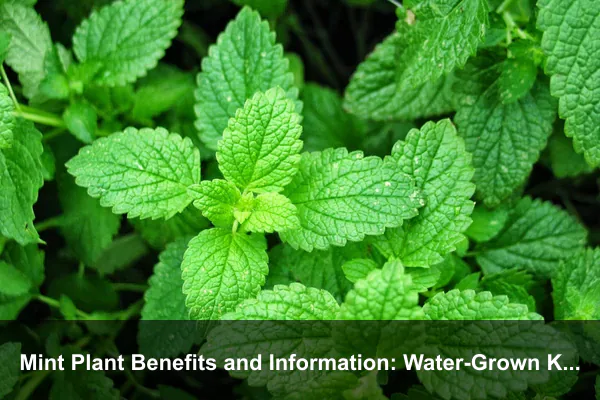
Mint plant benefits and information are often discussed through garden beds, tea leaves, or classic container care, but one of the most practical ways to enjoy mint is to grow it as a water-rooted kitchen herb. A small group of mint cuttings in clean jars can keep fresh leaves close to the sink, make daily cooking feel easier, and help beginners observe roots, stems, and leaf growth without needing a full garden.
This guide takes a distinct angle: using mint as a clean, compact, water-grown herb station for kitchens, apartments, dorms, and small homes. It explains what mint offers, how to start it from cuttings, when water growing works well, when soil is better, and how to use the leaves safely without exaggerating their wellness value.
What Makes Mint Ideal for Water-Grown Kitchen Herbs
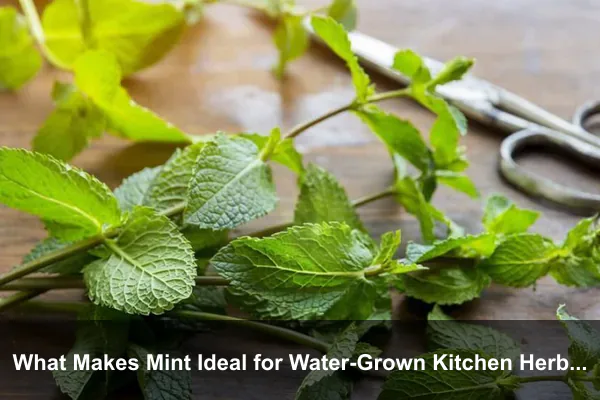
Mint is a fast-growing aromatic herb from the Mentha genus. Many common types, including spearmint and peppermint, form roots readily from stem cuttings. That simple growth habit makes mint useful for people who want fresh herbs but do not have outdoor beds, balcony space, or confidence with soil-based gardening.
In water, mint cuttings can show visible root development in a clear glass within days or weeks, depending on freshness, light, and temperature. This visibility is one of mint’s underrated benefits. Instead of guessing what is happening under the soil, beginners can see whether a cutting is healthy, whether roots are forming, and whether the water needs changing.
A Herb That Teaches Plant Basics
Water-grown mint is a living lesson in plant structure. The nodes along the stem are not just bumps; they are the points where roots and new shoots can develop. When a cutting is trimmed below a node and placed in water, the plant uses stored energy to form roots. This makes mint helpful for family learning, school projects, and first-time herb growers.
A Compact Source of Fresh Aroma
Mint leaves contain fragrant compounds that create a cool, clean scent when the leaves are touched or bruised. A jar of mint will not replace cleaning, ventilation, or proper food hygiene, but it can make a kitchen feel fresher and more pleasant. The benefit is practical and sensory: mint encourages people to use fresh leaves, drink more homemade infused water, and keep a small green routine visible.
Key Mint Plant Benefits for Small Kitchen Spaces
The main benefits of water-grown mint come from convenience, freshness, and low entry cost. It is not a miracle plant, and it should not be presented as a cure for health problems, but it can improve everyday routines in realistic ways.
- Fresh flavor on demand: A few leaves can brighten water, salads, sauces, fruit bowls, and simple meals.
- Low-space growing: A jar, glass, or narrow hydroponic cup can fit on a bright windowsill or countertop.
- Easy propagation: Healthy stems from an existing plant or fresh grocery bunch can often be rooted.
- Visible learning: Clear containers let growers see root development and water clarity.
- Lower soil mess: Water growing reduces spilled soil, making it useful near food preparation areas.
- Frequent gentle harvesting: Regular trimming encourages bushier growth when the plant has enough light and nutrition.
For a site focused on plant benefits, or manfaat tanaman, the most useful message is balance. Mint’s value is strongest when the plant supports better habits: cooking with fresh herbs, reducing waste from store-bought bunches, learning basic plant care, and bringing greenery into small spaces.
How to Start Mint from Cuttings in Water
Starting mint in water is simple, but good technique matters. Weak stems, dirty containers, and low light can lead to slimy stems or poor flavor. Treat the setup like a small food-adjacent growing system rather than a decoration that can be ignored.
Choose the Right Stems
Select stems that are green, flexible, and not woody. A cutting around 4 to 6 inches long is usually easy to handle. Avoid stems with black spots, mushy sections, strong wilting, or signs of pests. If using mint from a grocery bunch, choose the freshest stems and rinse them well before preparing cuttings.
Prepare the Cutting
- Use clean scissors or pruners to cut just below a leaf node.
- Remove the lower leaves that would sit below the waterline.
- Keep two to four sets of leaves at the top so the cutting can photosynthesize.
- Place the stem in a clean glass with enough water to cover the lower nodes.
- Set the glass in bright indirect light, away from hot afternoon sun.
Removing submerged leaves is important because leaves left in water decay quickly. Decaying plant matter clouds the water, encourages odor, and can weaken the cutting before roots form.
Change Water on a Schedule
Fresh water supports cleaner roots. Change the water every two to three days, or sooner if it becomes cloudy. Rinse the container when needed. If roots begin to look brown, slimy, or foul-smelling, trim away damaged sections and restart with healthier cuttings if necessary.
Water-Grown Mint Care: Light, Nutrients, and Containers
Mint can root in plain water, but long-term growth needs more than water alone. A cutting can survive for a while using stored energy, yet strong leaf production requires light and nutrients. Understanding this difference helps prevent disappointment.
Light Needs Indoors
Mint prefers bright light. Indoors, place it near an east-facing window, a bright kitchen window, or under a grow light. Weak light produces stretched stems, small leaves, and mild flavor. If the plant leans strongly toward the window, rotate the container every few days.
Direct intense sun through glass can heat the water and stress the roots. If leaves wilt even when water is available, the spot may be too hot. Move the mint slightly back from the glass or use a brighter but gentler location.
When to Add Nutrients
For short-term rooting, plain water is usually enough. For longer-term hydroponic mint, use a diluted hydroponic nutrient made for edible leafy herbs. Do not add random fertilizer, compost tea, or garden soil to a kitchen jar. These can create odors, unsafe residues, or bacterial growth in a food area.
Start weak rather than strong. Too much nutrient can burn roots or create algae. A clean, light feeding routine is better than trying to force rapid growth.
Best Containers for Mint Cuttings
Clear glass is helpful for observing roots, but it also allows algae to grow when light reaches the water. If algae becomes a problem, use amber glass, an opaque jar, or wrap the lower part of the container while leaving the top open for the stems.
- Small jars: Good for rooting two or three cuttings.
- Narrow glasses: Useful for single stems and easy observation.
- Hydroponic net cups: Better for longer-term setups with nutrient solution.
- Wide-mouth jars: Easy to clean but may need support to keep stems upright.
When to Keep Mint in Water and When to Move It to Soil
Water-grown mint is convenient, but it is not always the final destination. Some growers use water only as a propagation stage before moving rooted cuttings into potting mix. Others keep mint in a small hydroponic setup for repeated kitchen harvests.
Keep It in Water If You Want Convenience
Water growing works well when your goal is a small, tidy herb station. It is suitable for people who harvest a few leaves at a time, like visible roots, and can remember to change water. It is also useful when you want to compare different mint types without filling the kitchen with pots.
Move It to Soil If You Want Bigger Harvests
Soil is better for a larger, longer-lasting mint plant. A pot with drainage and quality potting mix supports stronger root systems and more consistent growth. If you cook with mint often, soil-grown mint will usually produce more leaves than a jar of water-grown stems.
When transplanting, wait until roots are at least 1 to 2 inches long. Keep the soil lightly moist for the first week because water-grown roots need time to adjust. Do not bury the stem too deeply; cover the roots and stabilize the cutting.
Everyday Uses for a Water-Grown Mint Station
A water-grown mint station is most valuable when it is used often. The point is not to grow a perfect show plant; it is to keep fresh, clean leaves within reach. Harvest lightly and regularly so the plant remains productive.
Fresh Drinks Without Overcomplication
Mint can be added to cold water, sparkling water, lemonade, cucumber water, or fruit-infused drinks. Lightly clap or bruise the leaves before adding them to release aroma. For hot drinks, steep fresh leaves in hot water for a gentle herbal infusion, but avoid presenting it as medical treatment. People with reflux, medication concerns, pregnancy-related questions, or chronic conditions should ask a qualified health professional before using herbs heavily.
Simple Food Pairings
Fresh mint pairs well with peas, potatoes, cucumber, yogurt, citrus, berries, melon, rice dishes, and grilled vegetables. Spearmint is often softer and sweeter, while peppermint can taste sharper and cooler. Taste a small leaf before using a new plant in a dish.
- Chop mint into yogurt sauce with cucumber and lemon.
- Add a few leaves to fruit salad just before serving.
- Stir thin mint ribbons into cooked peas or new potatoes.
- Use whole leaves as a fresh finish for iced drinks.
- Blend a small amount into herb sauces for brightness.
Reducing Fresh Herb Waste
Many people buy a bunch of mint, use a few sprigs, and watch the rest wilt. Rooting healthy stems can extend the value of that purchase. Not every grocery stem will root, but the attempt is low cost. Even if only a few cuttings succeed, you gain a fresh supply and a better understanding of how herbs behave.
Safety and Realistic Wellness Information
Mint has a long history as a culinary and aromatic herb, but responsible content should separate fresh herb use from concentrated extracts and essential oils. Fresh mint leaves used in normal food amounts are very different from peppermint oil capsules, topical oils, or strong medicinal preparations.
Use Fresh Leaves Sensibly
Wash leaves before eating, especially if the plant is near a window, sink, or food preparation area. Harvest from clean water setups only. If the water smells bad, the stems are slimy, or mold is present, discard affected plant material and clean the container.
Know Who Should Be Cautious
Some people are sensitive to mint. It may worsen reflux symptoms for certain individuals, and strong mint products may not be appropriate for young children. Pets may also chew houseplants, so keep mint where animals cannot overgraze. While mint is commonly used in food, concentrated oils are a separate safety category and should be handled with much more caution.
Do Not Confuse Aroma With Air Purification
Mint can make a room smell fresher when leaves are touched, but it should not be marketed as a plant that cleans indoor air in a major, proven way. Real indoor air quality depends on ventilation, source control, humidity management, and cleaning. Mint’s realistic indoor benefit is sensory freshness, edible value, and the positive routine of tending a small plant.
Troubleshooting Water-Grown Mint Problems
Most water-grown mint problems come from weak light, dirty water, crowded stems, or unrealistic expectations. Fixing the basics usually improves growth quickly.
Yellow Leaves
Yellowing can come from old leaves, low nutrients, poor light, or stagnant water. Remove yellow leaves and check the roots. If the cutting has been in water for several weeks and has healthy roots, consider diluted hydroponic nutrients or transplanting to soil.
Leggy Stems
Long, thin stems with wide spaces between leaves usually mean the plant wants more light. Move it to a brighter position or use a grow light. Pinch the growing tips to encourage branching once the plant is established.
Cloudy Water or Odor
Cloudy water means organic matter or microbial growth is building up. Remove submerged leaves, rinse the roots gently, wash the container, and refill with fresh water. If a stem is mushy, discard it rather than trying to save every cutting.
Weak Flavor
Mint flavor depends on variety, light, maturity, and plant health. A stressed cutting in low light may taste bland. Stronger light, gentle feeding, and regular trimming can improve leaf quality. For the best flavor, harvest in the morning after the plant has recovered from the previous day.
How to Harvest Without Weakening the Plant
Harvesting is not just taking leaves; it is also shaping the plant. Cut just above a node so new shoots can form from that point. Avoid stripping all leaves from one stem, because the plant needs foliage to keep growing.
For a small jar setup, take only a few leaves at a time. For a stronger hydroponic or soil-grown mint plant, you can trim longer stems more often. The best approach is steady, moderate harvesting rather than waiting until the plant is tall, tired, and tangled.
- Use clean scissors for neat cuts.
- Harvest the top growth to encourage branching.
- Remove damaged leaves before they decay.
- Keep enough leaves on each stem for recovery.
- Start new cuttings regularly so the station stays productive.
Building a Simple Weekly Mint Routine
A repeatable routine keeps water-grown mint healthy. It also turns the plant into a useful household habit instead of another forgotten object on the counter.
- Monday: Check water clarity and remove any fallen leaves.
- Wednesday: Change the water and rinse the container if needed.
- Friday: Rotate the jar for even light and pinch leggy tips.
- Weekend: Harvest leaves for drinks, sauces, or fresh meals.
This routine takes only a few minutes. The benefit is consistency. Mint responds well to small, regular attention, and the grower learns to notice changes before they become serious problems.
Conclusion: A Fresh Way to Understand Mint Plant Benefits and Information
Mint plant benefits and information become more practical when the plant is treated as a living kitchen resource, not just a garden herb or wellness trend. Water-grown mint offers fresh flavor, visible root growth, compact greenery, and a low-cost way to practice plant care in small spaces.
The key is to keep expectations realistic. Mint can support better cooking habits, simple homemade drinks, sensory freshness, and beginner gardening confidence. It still needs clean water, bright light, sensible harvesting, and safe use. With that balanced approach, a few mint cuttings in jars can become one of the most useful herbal plants in a small home.
