
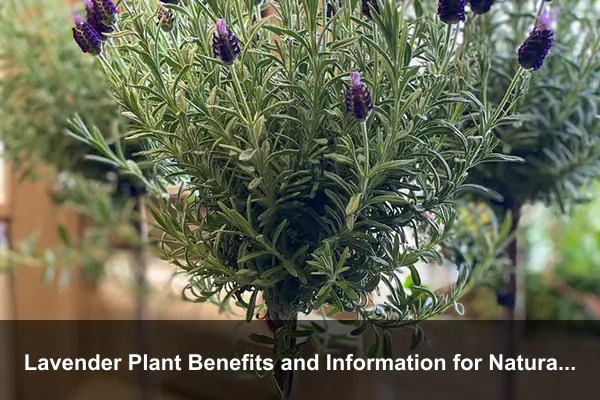
Lavender is often introduced as a pretty purple herb, but its real value becomes clearer when you look at how it supports everyday home routines. This guide to Lavender plant benefits and information focuses on a distinct, practical angle: using lavender as a low-waste plant for natural linen care, small-space scent, and simple household freshness without relying heavily on synthetic sprays or disposable fragrance products.
Lavender belongs to the Lavandula genus and is loved for its aromatic leaves, flower spikes, and resilient Mediterranean character. While many people associate lavender with gardens, tea, or relaxation, it can also serve as a useful bridge between ornamental planting and practical home care. A few healthy plants in containers, a sunny patio corner, or a narrow garden edge can produce enough fragrant material for drawers, closets, entryways, and handmade sachets.
What Makes Lavender Useful Beyond the Garden
Lavender stands out because it offers beauty, scent, and practical household value from the same plant. Its narrow gray-green leaves and upright flower stems bring texture to small spaces, while its aromatic compounds give the plant a clean herbal fragrance that remains noticeable after drying. That combination makes lavender especially useful for people who want plants that are decorative but not purely decorative.
From a plant-benefit perspective, lavender is valuable because it can be enjoyed fresh, dried, bundled, or lightly processed into simple home items. Unlike many lush herbs that wilt quickly after harvest, lavender flowers hold their structure and fragrance well when dried correctly. This makes the plant suitable for people who prefer low-waste routines, seasonal crafts, and slow, reusable home fragrance.
A Plant with Multiple Roles
Lavender can function as a patio accent, a fragrant threshold plant, a drawer freshener, a craft material, and a sensory garden feature. Its benefits do not depend on one single use. Even a small container can provide visual interest, a pleasant scent when brushed, and occasional flower stems for indoor use.
Key Lavender Plant Benefits for Natural Home Care
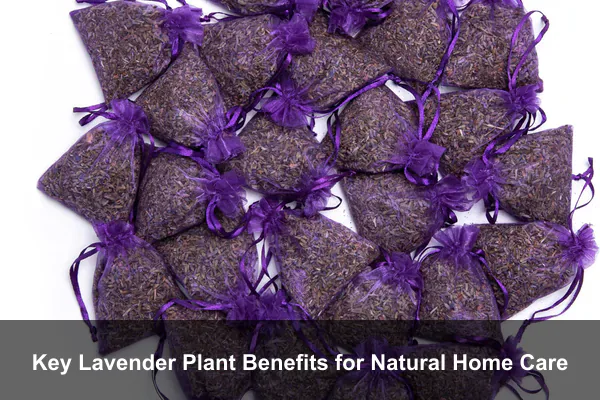
The most practical lavender plant benefits for the home come from its fragrance, drying quality, and low-input growth habit. Lavender is not a replacement for cleaning, ventilation, or medical care, but it can support a fresher, calmer living environment when used realistically.
- Natural scent support: Dried lavender can lightly fragrance drawers, linen shelves, closets, and guest baskets without plug-in fresheners.
- Reusable home material: Flower buds can be refreshed by gently crushing the sachet, then composted when the scent fades.
- Small-space value: Compact lavender plants can grow in pots on sunny balconies, steps, or windowsill-adjacent outdoor ledges.
- Visual calm: The soft flower color and silvery foliage help create a restrained, natural look in outdoor living areas.
- Seasonal usefulness: One summer harvest can become drawer sachets, simple bundles, or decorative dried stems for months.
Fragrance Without Heavy Perfume
Lavender’s scent is herbal, floral, and slightly woody. This makes it useful for people who prefer a subtler home fragrance than sweet commercial sprays. A small sachet in a linen drawer will not overpower the room, but it can give sheets, towels, or stored fabric a clean botanical note.
Low-Waste Everyday Value
One of the best things about lavender is that it fits naturally into a low-waste routine. You can grow the plant, dry the flowers, place the buds in cotton or linen bags, and reuse the bags for future harvests. The old flowers can go into compost, making the cycle simple and practical.
Choosing Lavender for Containers and Small Homes
For small-space growing, the right lavender type matters. English lavender is often preferred for compact growth, fragrance quality, and tidy flower stems. Lavandin types can grow larger and produce strong fragrance, but they may need more room. French and Spanish lavenders are attractive, especially in warm climates, though their fragrance and cold tolerance vary.
If your main goal is natural linen care, choose a plant labeled for fragrance rather than one selected only for unusual flower shape. Look for healthy foliage, firm stems, and no sour smell from the potting mix. A plant that already looks stressed in the nursery may struggle after repotting.
Container Selection Checklist
- Use a pot with drainage holes, not a sealed decorative container.
- Choose a container wide enough to keep the plant stable in wind.
- Use a gritty, fast-draining potting mix rather than heavy garden soil.
- Place the pot where it receives strong sun for much of the day.
- Avoid crowding lavender beside plants that need constantly moist soil.
Lavender prefers airflow around its stems. In a compact balcony or patio, this means it is better placed near an open edge than squeezed into a damp, shaded corner. Good airflow helps preserve the foliage and improves flower quality.
Simple Lavender Care for Long-Lasting Fragrance
Lavender care is easiest when you remember its native preference for sun, drainage, and moderation. Many lavender problems start when the plant receives too much water, too much rich soil, or too little light. A healthy lavender plant usually looks slightly lean rather than lush and floppy.
- Give it strong light. Lavender needs bright sun to form sturdy stems and aromatic flowers.
- Water deeply but not constantly. Let the top layer of mix dry before watering again.
- Keep soil airy. Add grit, pumice, or coarse material if your potting mix holds water too long.
- Trim lightly after flowering. Remove spent stems to keep the plant compact, but avoid cutting hard into old woody growth.
- Protect from soggy weather. In rainy seasons, move pots where they still get light but avoid repeated soaking.
Common Care Mistakes
The most common mistake is treating lavender like a tropical houseplant. Lavender generally performs better outdoors in sun than indoors on a dim shelf. Another mistake is feeding heavily. Too much fertilizer can produce soft growth with weaker fragrance. For a home-use lavender plant, steady, modest growth is better than fast, lush growth.
Ways to Use Lavender Around Linen, Closets, and Entryways
When lavender flowers are fully open or nearly open, cut stems on a dry morning after surface moisture has disappeared. Tie small bundles and hang them upside down in a shaded, airy spot. Once dry, the buds can be stripped from the stems and stored in a clean jar away from heat and sunlight.
Linen Drawer Sachets
Fill small breathable bags with dried lavender buds and place them between sheets, towels, or pillowcases. For a cleaner scent blend, combine lavender with dried rosemary leaves or a few cedar shavings. Keep sachets dry and replace the contents when the fragrance fades.
Closet and Shoe Area Freshness
Lavender can help add a pleasant herbal note to closets, storage boxes, or shoe benches. It should not be used to hide dampness, mold, or poor ventilation. If a closet smells musty, fix airflow and moisture first, then use lavender as a finishing touch.
Guest Room Details
A small lavender bundle on a bedside tray or a sachet in a guest towel stack can make a room feel considered without using strong perfume. This is especially useful in modest homes where one simple plant can support decor, fragrance, and hospitality.
Safety, Quality, and Realistic Expectations
Lavender is widely used, but safe use still matters. Dried lavender for drawers and closets is generally simple, but essential oil is much more concentrated and should be handled carefully. Do not apply essential oil directly to skin without proper dilution, and keep concentrated oils away from children and pets.
People with fragrance sensitivity should start with a very small amount of dried lavender before placing sachets throughout the home. Pregnant people, nursing parents, and anyone with medical conditions should ask a qualified professional before using lavender products therapeutically. For this household-focused guide, lavender is best understood as a fragrant plant material, not a cure or treatment.
Quality Signs in Dried Lavender
- The buds smell clean, herbal, and floral, not moldy or sour.
- The color may fade slightly, but the material should stay dry and crumbly.
- Stored buds should be kept in a sealed container away from direct sun.
- If a sachet becomes damp, discard the contents rather than trying to reuse them.
Conclusion
Lavender plant benefits and information are often discussed in broad wellness terms, but the plant also deserves attention as a practical household herb. For people who value natural scent, reusable materials, and small-space gardening, lavender can offer more than seasonal flowers. It can become part of a thoughtful routine for linens, closets, entryways, and simple home comfort.
The key is to use lavender realistically. Grow it in sun, keep the roots well drained, harvest modestly, dry it carefully, and use the flowers where their gentle fragrance makes sense. With that approach, lavender becomes a beautiful and useful plant that supports cleaner, calmer, and more intentional living without adding unnecessary complexity.
