
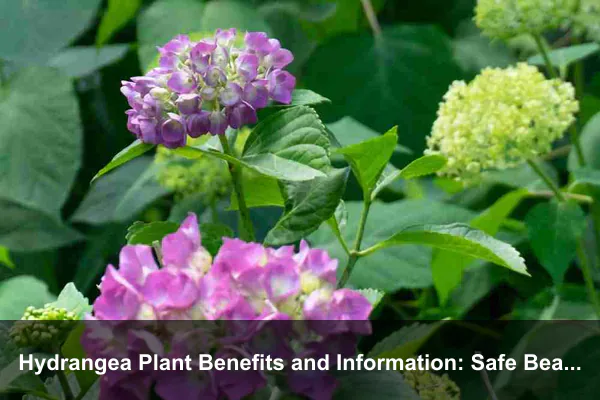
Hydrangeas are among the most recognizable flowering shrubs in home landscapes, valued for their rounded flower heads, generous seasonal color, and ability to soften patios, borders, walkways, and small garden corners. When people search for Hydrangea plant benefits and information, they often want more than a pretty flower. They want to know what hydrangeas are good for, where they fit best, how to choose the right type, and how to enjoy them safely around family, pets, and outdoor living spaces.
This guide takes a practical angle: hydrangeas as long-term ornamental plants that can improve garden comfort, seasonal interest, and visual structure when placed thoughtfully. It avoids treating hydrangea as a miracle wellness plant. Instead, it explains the real benefits, important safety facts, care basics, bloom habits, and planning tips that help gardeners get lasting value from this beautiful flowering shrub.
What Is a Hydrangea Plant?
Hydrangea is a genus of flowering shrubs and climbers grown mainly for ornamental value. Most garden hydrangeas are deciduous, meaning they lose their leaves in cooler seasons and return with fresh growth in spring. Their flowers may appear as large mophead clusters, delicate lacecap forms, cone-shaped panicles, or rounded white balls depending on the species and variety.
Hydrangeas are widely used in temperate and subtropical gardens because they offer strong visual impact without needing the daily attention required by many annual flowers. Once established in the right location, they can return year after year with reliable foliage and seasonal blooms.
Common Hydrangea Types
- Bigleaf hydrangea (Hydrangea macrophylla): Known for mophead and lacecap blooms, often pink, blue, purple, or white.
- Panicle hydrangea (Hydrangea paniculata): Produces cone-shaped flowers and generally tolerates more sun than many other hydrangeas.
- Smooth hydrangea (Hydrangea arborescens): Popular for rounded white or greenish-white blooms and dependable garden performance.
- Oakleaf hydrangea (Hydrangea quercifolia): Valued for oak-shaped leaves, summer flowers, and attractive fall color.
- Climbing hydrangea (Hydrangea anomala subsp. petiolaris): A woody climber useful for walls, fences, and sturdy supports.
Main Benefits of Hydrangea Plants
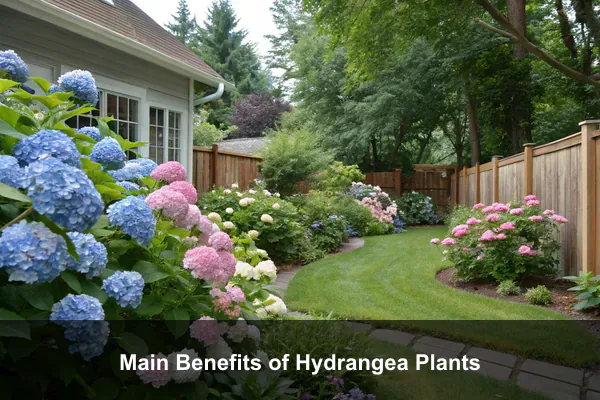
The benefits of hydrangea plants are mostly connected to beauty, landscape function, biodiversity support, and emotional enjoyment. They are not mainly grown for food or direct medicinal use in home gardens, but they offer meaningful value as ornamental plants.
1. Long-Lasting Seasonal Color
Hydrangeas can create a strong color display for weeks or even months, depending on the variety and climate. Their large flower clusters make a garden look fuller without requiring dozens of separate plants. This makes hydrangea useful for homeowners who want high visual reward from a relatively small planting area.
2. Softer, More Comfortable Outdoor Spaces
Hydrangeas help soften hard landscape features such as fences, walls, steps, and paved paths. Their rounded growth habit can make an outdoor area feel cooler, calmer, and more inviting. In the context of Manfaat Tanaman, or plant benefits, this is one of the most realistic advantages: hydrangeas improve the feeling and usability of a garden space.
3. Useful Structure in Mixed Plantings
Because hydrangeas grow as shrubs, they provide more structure than short-lived bedding plants. They can act as background plants, corner anchors, foundation shrubs, or seasonal focal points. A mature hydrangea can help organize the visual flow of a garden by giving the eye a strong, repeated shape.
4. Support for Pollinators in the Right Varieties
Not all hydrangeas are equally useful to pollinators. Some showy mophead types have many sterile flowers, while lacecap, oakleaf, climbing, and some panicle hydrangeas may provide more accessible fertile flowers. If pollinator value is a priority, choose varieties with visible fertile florets rather than only oversized sterile flower heads.
5. Excellent Decorative Value Without Strong Fragrance
For gardeners who prefer low-fragrance ornamental plants, hydrangeas are often a good choice. Many varieties offer impressive flowers without heavy perfume. This can make them suitable near seating areas, windows, and patios where strong scents may feel overwhelming.
Safe Use: Important Hydrangea Information for Homes with Pets and Children
Hydrangeas should be appreciated as ornamental plants, not edible plants. Their leaves, buds, and flowers contain compounds that can cause problems if eaten. This matters for households with curious pets, young children, or anyone who likes to use garden flowers in food displays.
Are Hydrangeas Toxic?
Yes, hydrangeas are considered toxic if ingested. Eating plant parts may cause symptoms such as stomach upset, vomiting, diarrhea, or discomfort. Serious poisoning is uncommon in ordinary garden contact, but ingestion should be avoided.
To use hydrangeas safely, follow these practical rules:
- Do not use hydrangea flowers as edible cake decorations.
- Keep pruned stems and fallen flower heads away from pets that chew plants.
- Teach children that hydrangea flowers are for looking, not tasting.
- Wear gloves if you have sensitive skin when pruning or handling large amounts of plant material.
- Contact a veterinarian or medical professional if a pet or child eats hydrangea plant parts.
Best Placement for Safer Enjoyment
Plant hydrangeas where they can be admired without being constantly brushed, chewed, or disturbed. Good locations include front borders, side garden beds, behind low edging, or large containers placed away from pet play zones. If you have dogs that dig or chew shrubs, avoid placing young hydrangeas in their favorite activity area.
Choosing the Right Hydrangea for Your Garden
One of the most important parts of hydrangea success is choosing the right type before planting. Many disappointments happen because gardeners buy a hydrangea for its flower picture without checking mature size, sunlight needs, pruning group, and climate suitability.
Match the Plant to Your Light Conditions
Hydrangeas are often described as shade-loving plants, but that is only partly true. Many prefer morning sun and afternoon protection, especially in hot climates. Panicle hydrangeas usually handle more sun, while bigleaf hydrangeas often perform better with filtered light or protection from harsh afternoon heat.
Before buying, observe your planting area for a full day. Notice when it gets direct sun, reflected heat, and shade. This simple step prevents scorched leaves, weak flowering, and unnecessary watering problems.
Check Mature Size Before Planting
A small nursery hydrangea may eventually become a wide shrub. Planting it too close to paths, doors, windows, or other shrubs can lead to constant pruning and poor shape. Always check the mature height and width on the plant label.
As a general planning guide:
- Use compact hydrangeas for containers, narrow beds, and small patios.
- Choose medium shrubs for mixed borders and foundation plantings.
- Reserve large panicle or oakleaf hydrangeas for open garden spaces.
- Use climbing hydrangea only where there is a strong permanent support.
Understand Blooming Wood
Hydrangeas may bloom on old wood, new wood, or both, depending on type and variety. This affects pruning. Old wood means flower buds form on stems from the previous season. New wood means flowers develop on current-season growth.
If you prune an old-wood hydrangea at the wrong time, you may remove the next season’s flower buds. This is why understanding the plant type matters more than following generic pruning advice.
Hydrangea Care Basics for Healthy Growth
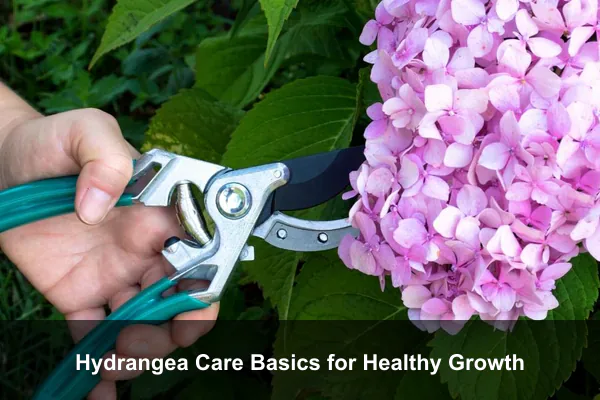
Hydrangeas are not the hardest shrubs to grow, but they do best when their basic needs are met consistently. Good care does not mean over-managing the plant. It means giving it suitable light, steady moisture, healthy soil, and the right pruning timing.
Watering
Hydrangeas like evenly moist soil, especially during active growth and blooming. Their large leaves can wilt quickly in heat, but wilting does not always mean the plant is dying. Sometimes leaves droop during hot afternoons and recover in the evening.
Water deeply rather than sprinkling lightly every day. Deep watering encourages stronger roots. Mulch around the base helps reduce evaporation, but keep mulch slightly away from the stems to prevent rot.
Soil
Hydrangeas generally prefer fertile, well-draining soil with good organic matter. Soil should hold moisture without staying soggy. Heavy clay may need compost and better drainage, while sandy soil may need organic matter to improve water retention.
Fertilizer
Use fertilizer carefully. Too much nitrogen can create leafy growth with fewer flowers. A balanced slow-release fertilizer in spring is often enough for established plants. If your hydrangea is growing well and blooming, avoid excessive feeding.
Pruning
Pruning depends on the hydrangea type. Smooth and many panicle hydrangeas can often be pruned in late winter or early spring because they bloom on new wood. Bigleaf and oakleaf hydrangeas usually need lighter pruning after flowering because many bloom on old wood.
When unsure, remove only dead, damaged, or crossing stems. Wait until the plant leafs out in spring before deciding which stems are truly dead.
Hydrangea Color, Soil, and Realistic Expectations
Hydrangeas are famous for color-changing flowers, especially bigleaf hydrangeas. Soil chemistry can influence whether some varieties bloom blue, pink, or purple. However, not every hydrangea changes color, and white hydrangeas usually stay white regardless of soil changes.
Why Some Hydrangeas Turn Blue or Pink
In certain bigleaf hydrangeas, flower color is affected by soil pH and aluminum availability. More acidic soil can make aluminum more available, often producing blue tones. More alkaline soil may lead to pinker blooms. Purple shades may appear when conditions sit between the two.
Gardeners should be patient with color adjustment. It can take time, and results vary by variety, soil, water quality, and climate. Avoid extreme soil treatments, because plant health is more important than forcing a specific flower color.
When Color Does Not Change
Panicle, smooth, oakleaf, and many white hydrangeas do not shift from blue to pink in the same way. Their flowers may still age beautifully from white to green, cream, blush, rose, or tan, but this is part of natural flower maturity rather than a soil-controlled color change.
Design Ideas for Hydrangeas in Practical Gardens
Hydrangeas work best when they are planned as part of a complete garden composition. Their bold flowers can look stunning, but they need supporting plants, open space, and seasonal balance to avoid looking crowded or heavy.
Use Hydrangeas as Seasonal Anchors
A hydrangea can serve as a seasonal anchor in a mixed border. Pair it with evergreen shrubs, ornamental grasses, ferns, hostas, or low perennials so the garden still looks attractive before and after hydrangea bloom season.
Plant in Repeated Groups
Repeating the same hydrangea variety in two or three areas can make a garden feel more intentional. This works especially well along walkways, near entrances, or at the back of a flower bed.
Grow Compact Hydrangeas in Containers
Compact hydrangeas can grow well in large containers if they receive steady water and enough root space. Use a pot with drainage holes and a high-quality potting mix. Container hydrangeas may need more frequent watering than those planted in the ground.
Common Hydrangea Problems and Simple Fixes
Most hydrangea problems are connected to light, water, pruning, or weather. Diagnosing the cause helps you fix the issue without unnecessary chemicals or drastic pruning.
No Flowers
Hydrangeas may fail to bloom because of wrong pruning, winter bud damage, too much shade, excess nitrogen, or immature plants. First, identify the hydrangea type. Then check whether it blooms on old wood or new wood before pruning again.
Wilting Leaves
Wilting can happen from dry soil, intense heat, root stress, or recent transplanting. Check soil moisture before watering. If the soil is already wet, more water may make the problem worse.
Brown Leaf Edges
Brown edges often come from heat stress, inconsistent watering, fertilizer burn, or reflected sun from walls and pavement. Improve mulch, water deeply, and consider afternoon shade if the plant is exposed to harsh heat.
Weak Stems
Some hydrangeas produce large flowers that bend after rain. Choose sturdier varieties, avoid over-fertilizing, and prune according to the plant type. In wet climates, plant hydrangeas where air circulation is good.
Hydrangea Benefits and Information for Sustainable Garden Planning
Hydrangeas can fit into a more sustainable garden when chosen and managed carefully. The goal is not simply to grow the biggest flowers, but to create a plant arrangement that lasts, uses resources wisely, and supports a healthier outdoor environment.
Choose the Right Plant Once
A well-selected hydrangea can live for many years. Choosing the right mature size reduces the need for heavy pruning, replacement, and waste. This is one of the simplest sustainability benefits of good plant planning.
Mulch and Compost Instead of Overfeeding
Organic mulch and compost can improve soil health gradually. They help retain moisture, moderate soil temperature, and support soil organisms. This reduces the need for frequent synthetic inputs.
Combine with Diverse Plantings
A garden with only hydrangeas may look impressive during bloom season but limited at other times. Combine hydrangeas with native plants, evergreens, grasses, and pollinator-friendly flowers to create a more balanced planting design.
Conclusion
Hydrangeas offer more than dramatic flowers. Their real value lies in long-lasting ornamental beauty, garden structure, seasonal interest, and the ability to make outdoor spaces feel softer and more welcoming. For readers looking for Hydrangea plant benefits and information, the key is to understand both the advantages and the responsibilities of growing this shrub.
Choose the right hydrangea type for your light, space, and climate. Treat it as an ornamental plant, not an edible or medicinal plant. Place it safely around children and pets, water deeply, prune according to bloom habit, and support the soil with organic matter. With thoughtful planning, hydrangeas can become reliable, beautiful, and practical flowering plants in a well-designed home garden.
