
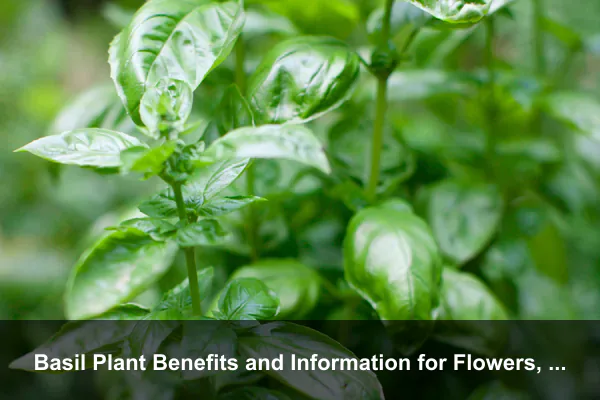
Basil is often treated as a quick kitchen herb: buy a pot, snip a few leaves, and replace it when the stems become woody or flower. A more useful way to understand basil is as a complete edible plant with a short but productive life cycle. When you learn how its leaves, flowers, seeds, scent, and varieties work together, the plant becomes more than a garnish. It becomes a small, renewable herb system for flavor, pollinators, seed saving, and hands-on garden learning.
This guide to basil plant benefits and information focuses on a fresh angle: growing basil from leaf harvest to flowering and seed collection. Many basil guides stop at pesto, pruning, or basic care. Here, the emphasis is on variety diversity, plant maturity, beneficial blooms, and how home gardeners can keep basil useful even after it starts to flower. That makes basil especially valuable for people who want practical herbal plants, beginner-friendly seed saving, and a richer understanding of edible garden cycles.
Basil Plant Benefits at a Glance
Basil offers several types of value in a home garden, balcony pot, windowsill planter, or community herb bed. Its most obvious benefit is culinary: fresh leaves add fragrance and depth to meals without relying heavily on salt, sugar, or rich sauces. However, basil also provides botanical, sensory, and ecological value. The plant grows quickly, responds visibly to pruning, attracts pollinators when allowed to flower, and can produce seeds for the next season.
For people interested in manfaat tanaman, or the real-life usefulness of plants, basil is a strong example because its benefits are immediate and observable. You can smell the leaves, harvest them for food, watch the flowers open, notice bees visiting, and collect seeds when the plant completes its cycle. Few herbs show so many stages in such a compact space.
Key Benefits of Basil
- Fresh culinary value: Basil brings bright aroma to salads, soups, sauces, rice dishes, vegetables, eggs, and simple snacks.
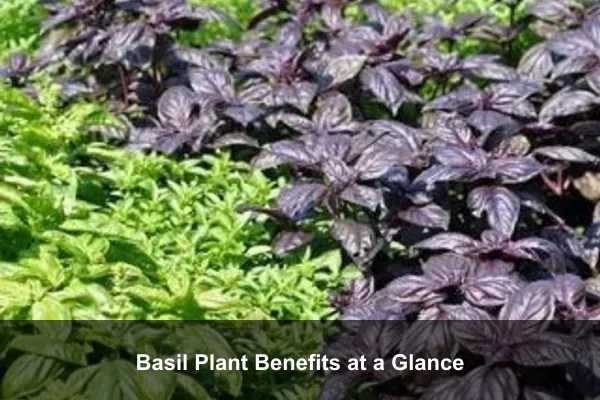
- Variety diversity: Different basil types offer sweet, spicy, citrusy, clove-like, anise-like, or peppery notes.
- Pollinator support: Flowering basil can attract bees and other small beneficial insects when grown without harsh sprays.
- Seed-saving potential: Mature plants can produce seeds that help gardeners reduce repeat purchases.
- Beginner learning: Basil clearly shows how light, heat, watering, pruning, and flowering affect plant growth.
- Compact productivity: A single pot can provide repeated harvests in a small space when managed well.
What Basil Is: Botanical Information for Better Growing
Common culinary basil is usually Ocimum basilicum, a tender herb in the mint family, Lamiaceae. Like many members of this family, basil has square stems, opposite leaves, aromatic oils, and flower spikes. It is usually grown as an annual, meaning gardeners often plant it, harvest it, let it flower or replace it, and start again in the next warm season. In tropical or frost-free climates, basil may live longer, but it still tends to become woody and less leafy as it ages.
Basil loves warmth. It grows best when temperatures are comfortably warm, nights are not too cold, and the plant receives generous light. Cold soil, wet roots, and low light often lead to weak stems, yellow leaves, or slow growth. This is why basil behaves differently from tougher herbs such as rosemary or thyme. Basil is soft, fast, leafy, and responsive. It rewards regular attention but declines quickly when kept in the wrong conditions.
Common Basil Types Worth Knowing
Choosing the right basil variety is one of the most overlooked parts of basil success. The word basil does not describe just one flavor or growth habit. Different types suit different kitchens, climates, and garden goals.
- Sweet basil: The familiar green basil used for everyday cooking, sauces, and fresh leaf harvests.
- Genovese basil: A classic Italian-style basil with large, tender leaves and strong aroma.
- Thai basil: Often more heat tolerant, with purple stems and a sweet anise-like fragrance.
- Lemon basil: A citrus-scented type useful for teas, salads, fish, vegetables, and light dishes.
- Cinnamon basil: Known for warm, spicy fragrance and attractive flower spikes.
- Purple basil: Grown for color, ornamental contrast, and mild herbal flavor.
- Holy basil or tulsi: Usually Ocimum tenuiflorum, related to culinary basil but culturally and botanically distinct.
This diversity is one reason basil is such a useful plant for gardeners who want more than a single harvest. You can grow two or three types side by side and compare leaf shape, scent, flower color, seed production, and heat tolerance. That variety-based approach creates a unique basil patch rather than a repetitive pot of generic green leaves.
Flavor Diversity: The Overlooked Benefit of Growing More Than One Basil
One of the most practical basil plant benefits is flavor control. Store-bought basil usually offers one narrow taste profile, but home growing gives you access to a wider range. A gardener can choose basil for fresh tomato dishes, spicy soups, herbal drinks, fruit salads, infused vinegar, or edible garden color. This makes basil a flexible plant for people who cook across different traditions.
The scent of basil comes from natural aromatic compounds in the leaves. These compounds vary by variety, growing condition, plant age, and harvest timing. A young sweet basil leaf may taste soft and green, while a mature Thai basil leaf can feel more structured and spicy. Lemon basil can brighten a dish that would feel heavy with standard basil. Purple basil can make a simple herb bowl look more intentional.
How to Match Basil Type to Purpose
- For classic fresh herb use, choose sweet or Genovese basil and harvest before heavy flowering.
- For heat and stir-fry dishes, try Thai basil because it often holds its character better in warm food.
- For drinks and light meals, use lemon basil where a citrus note is useful.
- For ornamental edible beds, add purple basil or cinnamon basil for color and flower interest.
- For seed-saving practice, grow open-pollinated varieties and label each type clearly.
Growing several basil types also reduces disappointment. If one variety struggles in high heat, another may continue producing. If a sweet basil plant bolts early, a Thai basil or lemon basil plant may still provide useful leaves. This is a simple form of garden resilience that does not require a large space.
Flowers, Pollinators, and Seed Saving
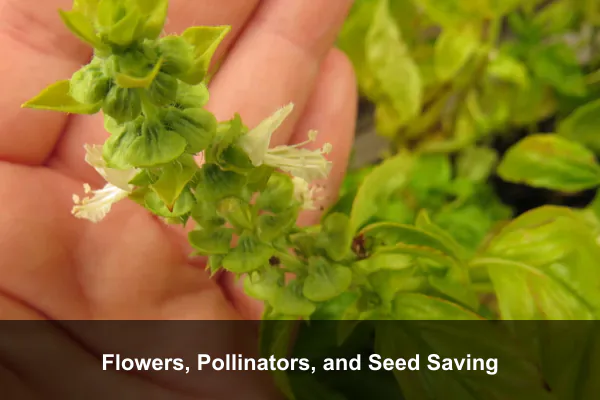
Many gardeners panic when basil flowers because flowering often signals a shift away from tender leaf growth. That concern is partly valid: once basil focuses on reproduction, the leaves may become smaller, firmer, or more intense in flavor. But flowering is not a failure. It is a natural stage that can provide pollinator value and seeds for future planting.
If your only goal is tender leaves, pinch off flower buds early. If your goal includes biodiversity, seed saving, or garden observation, allow selected stems to bloom. The best approach is to divide the plant by purpose. Keep some stems pruned for leaves, and let one or two strong stems flower. This gives you both food and seed potential from the same plant.
Why Basil Flowers Matter
Basil flowers are small, but they can be surprisingly active in a garden. When grown in a clean, spray-free space, flowering basil may attract bees, hoverflies, and other small insects. This is especially useful in herb beds, vegetable gardens, and balcony gardens where flowers are limited. A flowering basil plant can become a living bridge between kitchen gardening and pollinator awareness.
The flowers also show the gardener when the plant is changing priorities. Instead of seeing this as a problem, use it as information. Flowering tells you the plant is mature, the weather may be hot, the stems are ready to reproduce, and your harvest strategy should change. Basil becomes easier to manage when you work with its life cycle rather than fighting it constantly.
Basic Basil Seed-Saving Steps
- Choose a healthy plant. Save seed from vigorous basil with good flavor, strong stems, and no major disease problems.
- Let flower spikes mature. Wait until the flower heads dry and turn brown on the plant.
- Harvest on a dry day. Cut the dry seed heads when moisture is low to reduce mold risk.
- Rub and separate. Gently crumble the dry flower heads over a clean plate or bowl.
- Remove chaff. Separate the tiny dark seeds from dry plant debris as well as you can.
- Store properly. Keep seeds in a labeled paper envelope or small container in a cool, dry, dark place.
If you grow several basil varieties close together, they may cross-pollinate. That is not always a problem for casual gardeners, but it matters if you want seeds that stay true to the parent variety. For more predictable seed saving, grow one variety at a time or separate varieties as much as your space allows. Labeling is also essential. A small envelope marked basil is less useful than one marked lemon basil, collected September, sunny balcony pot.
How to Grow Basil for a Complete Leaf-to-Seed Cycle
To enjoy basil as a full-cycle plant, start with strong growing conditions. Basil needs enough light to produce dense leaves and enough warmth to grow quickly. Outdoors, it generally prefers full sun, though in very hot climates it may appreciate afternoon shade. Indoors, basil needs the brightest window available or a suitable grow light. Weak light produces long stems, pale leaves, and a plant that falls over before it becomes productive.
Soil should be fertile, loose, and well drained. Basil dislikes staying waterlogged, but it also wilts quickly when the root zone dries completely. The best rhythm is consistent moisture without soggy conditions. In containers, drainage holes are important. A pot that looks decorative but traps water can ruin basil roots in a few days.
Container and Soil Tips
- Use a pot at least 6 to 8 inches deep for a single young basil plant, and larger if you want long production.
- Choose a quality potting mix rather than dense garden soil for containers.
- Add compost or balanced organic fertilizer modestly; too much nitrogen can create lush but weak growth.
- Water when the top layer begins to dry, then let excess water drain away.
- Mulch outdoor basil lightly in hot weather to reduce moisture stress.
Spacing also matters. Crowded basil plants may look lush at first, but poor airflow can encourage leaf problems. Give each plant enough room for branching. If you buy a supermarket basil pot packed with many seedlings, consider separating a few of the strongest plants into individual pots. This reduces competition and gives each plant a better chance to mature.
Light and Heat Management
Basil grows best in bright conditions, but heat stress can push it into early flowering. In warm regions, morning sun with light afternoon protection may produce better leaves than harsh all-day exposure in a small container. In cooler regions, maximum sun is usually helpful. Watch the plant rather than following a rigid rule. Wilting every afternoon, scorched leaf edges, and rapid flower formation may mean the plant needs a larger pot, more consistent water, or slight shade during the hottest hours.
Harvesting Without Losing the Seed-Saving Goal
Harvesting basil well means understanding where new growth appears. Basil branches when you cut above a pair of leaves or nodes. Instead of removing random single leaves from the bottom, pinch or cut the top portion of a stem just above a healthy node. This encourages side shoots and creates a fuller plant. The same technique delays flowering because the plant keeps producing leafy growth.
For a leaf-focused plant, remove flower buds as soon as they appear. For a seed-saving plant, choose the best stems and stop pinching those selected stems. Let them stretch upward, flower, and dry. This mixed strategy helps you enjoy fresh leaves while still completing the plant cycle. It is especially useful when you have limited space and cannot dedicate separate pots to separate purposes.
A Simple Two-Zone Basil Strategy
- Leaf zone: Most stems are pinched regularly to stay bushy and productive.
- Flower zone: One or two strong stems are allowed to bloom for pollinators and seed collection.
- Observation zone: Watch which stems resist wilting, hold flavor, and produce healthy seed heads.
This method turns basil care into a practical decision-making process. You are not just cutting herbs; you are selecting plant traits, managing energy, and learning how growth changes over time. That is a deeper form of herb gardening and a unique benefit of basil compared with slower, woodier plants.
Practical Home Uses for Leaves, Flowers, and Seeds
Basil leaves are the main edible part, but flowers can also be used in small amounts as a garnish when they are fresh and clean. Their flavor may be stronger or sharper than the leaves, so they work best as a light accent. Mature dry seed heads are usually kept for planting rather than eating. The goal is to use each plant part at the right stage.
Fresh leaves are best added near the end of cooking or used raw, because prolonged heat can dull the aroma. Thai basil and some sturdier varieties tolerate heat better, but even then, adding a portion near serving time preserves fragrance. Lemon basil can be steeped briefly for herbal drinks, while purple basil can bring color to herb salads and vinegars.
Low-Waste Basil Ideas
- Use tender top cuttings immediately in meals after pruning.
- Add small leaves to sandwiches, wraps, omelets, and grain bowls.
- Float lemon basil leaves in cool water for a fresh herbal note.
- Use edible flowers sparingly on salads or vegetable plates.
- Dry only the healthiest seed heads for future planting.
- Compost tired stems and spent roots if the plant is disease-free.
These uses keep the article focus different from standard storage guides. The purpose is not simply preserving basil after harvest, but respecting the plant at each stage. Young leaves, mature leaves, flowers, and seeds each have a role. When gardeners recognize those roles, basil becomes more efficient and less wasteful.
Safety, Quality, and Realistic Wellness Value
Basil is widely used as a culinary herb, but it should still be treated with common sense. Fresh leaves should be grown or purchased from clean sources, rinsed when needed, and used in normal food amounts. People who are pregnant, taking medication, managing health conditions, or considering concentrated basil supplements should seek qualified medical advice. A homegrown herb is useful, but it is not a substitute for professional care.
The realistic wellness value of basil comes from everyday patterns. It can make vegetables more appealing, support flavorful home cooking, encourage people to garden, and provide a calming sensory routine through watering, pruning, and observation. These benefits are practical rather than exaggerated. Basil does not need unrealistic health claims to be valuable.
How to Choose Quality Basil Plants or Seeds
- Look for compact plants with bright leaves and no blackened stems.
- Avoid pots with sour-smelling soil, standing water, or heavy yellowing.
- Choose seeds from reputable sources and check whether the variety is open-pollinated or hybrid.
- Buy more than one variety if your goal is flavor comparison and biodiversity.
- Inspect leaves for pests before bringing a plant indoors or placing it near other herbs.
Seed quality matters if you want a reliable leaf-to-seed cycle. Old or poorly stored seeds may germinate weakly. Fresh seeds, warm soil, and even moisture produce stronger seedlings. Once seedlings have several true leaves, thin them so the best plants have room to branch. This early selection improves the entire season.
Common Questions About Basil Plant Benefits and Information
Is basil better indoors or outdoors?
Basil usually grows stronger outdoors in warm, bright weather because it receives more light and airflow. Indoors, it can still succeed with a sunny window or grow light, but it often needs closer attention. Indoor basil is best treated as a short-term productive herb unless you can provide strong light.
Should I let my basil flower?
Yes, if you want pollinator value, seed saving, or botanical observation. No, if your only goal is the softest possible leaf harvest. A balanced method is to pinch most stems and let one or two flower.
Can I save seeds from grocery store basil?
Sometimes, but it depends on the plant. Many grocery basil pots are crowded, stressed, or harvested before maturity. If a plant grows strongly and flowers, you can try saving seed, but named seed packets from open-pollinated varieties are more reliable for planned seed saving.
Why does basil taste bitter after flowering?
As basil matures and begins reproduction, leaf texture and flavor can change. The leaves may become stronger, sharper, or less tender. Regular pruning delays this shift, while allowing selected stems to flower supports seed production.
How many basil plants does a home need?
For occasional fresh leaves, one healthy plant may be enough. For regular cooking, variety comparison, and seed saving, three to five plants are more useful. Growing more than one type also spreads risk and improves flavor options.
Conclusion
Basil is more than a fragrant kitchen herb. A complete look at basil plant benefits and information shows a plant with culinary value, variety diversity, pollinator appeal, beginner-friendly growth signals, and practical seed-saving potential. By growing basil from leaf harvest through flowering and seed collection, gardeners gain a deeper understanding of how edible plants mature and renew themselves.
The most rewarding basil routine is flexible. Prune some stems for tender leaves, let a few flower for insects and seeds, compare different varieties, and observe which plants perform best in your space. This approach keeps basil useful beyond its first flush of growth and gives home gardeners a unique, low-cost way to connect flavor, ecology, and plant life cycles in one compact herb.
