

Snake Plant plant benefits and information are often reduced to one simple idea: this is a tough indoor plant that can survive neglect. That is true, but it is only the beginning. The snake plant is also one of the most useful houseplants for people who want structure, cleaner-looking interiors, low-effort greenery, and a plant that can stay attractive for many years with very little waste.
This guide takes a distinct angle by looking at the snake plant as a long-term home asset, not just a decorative pot on a shelf. You will learn how to choose the right variety, where to place it for the strongest visual effect, how to care for it without overcomplicating the routine, how to propagate it responsibly, and how to read the plant before problems become serious.
What Makes the Snake Plant a Distinctive Indoor Plant
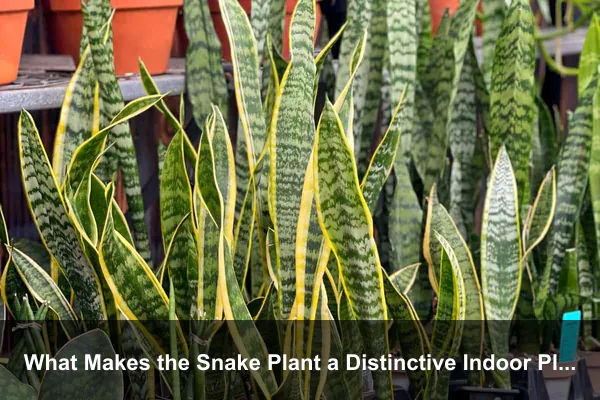
The snake plant, now botanically classified as Dracaena trifasciata, was widely known for many years as Sansevieria trifasciata. Many gardeners still use the older name, so both names may appear on nursery labels. Its common names include snake plant, mother-in-law’s tongue, viper’s bowstring hemp, and Sansevieria. The plant is recognized by its upright, sword-like leaves, firm texture, and bold patterns in green, silver, yellow, or dark banding.
Unlike trailing vines or soft tropical foliage, the snake plant grows vertically and keeps a clean outline. This makes it especially valuable in interiors where visual order matters. A single plant can add height without taking much floor space, and a group of different varieties can create rhythm without looking messy.
A Plant Built for Resilience
The thick leaves store water, which helps the plant handle dry indoor air and missed watering days. This water-storing ability is one reason snake plants are considered low maintenance. They do not need constant misting, frequent pruning, or a complicated feeding schedule. Their biggest weakness is not neglect, but excessive moisture.
Why the Shape Matters
The upright shape creates a strong architectural line. In design terms, this makes the snake plant useful near furniture, doorways, desks, consoles, stair landings, and empty corners. It can soften hard surfaces without spreading across the room. That combination of strength and restraint is one of the most overlooked snake plant benefits.
Key Snake Plant Benefits Beyond Simple Air-Cleaning Claims
Many articles about snake plant plant benefits and information focus heavily on air purification. It is fair to say that houseplants can contribute to a fresher indoor environment, but a potted plant should not be treated as a substitute for ventilation, cleaning, or a proper air purifier. The more reliable benefits are practical, visual, emotional, and environmental.
Visual Calm and Indoor Structure
Snake plants help a room feel finished. Their upright leaves add natural texture while keeping a tidy silhouette. This is useful for people who want greenery but dislike cluttered plant displays. The plant can work in minimalist, modern, tropical, bohemian, Scandinavian, and traditional rooms because it is bold without being visually loud.
Low-Maintenance Plant Ownership
A snake plant supports consistent plant care because it does not demand daily attention. For beginners, this matters. A plant that survives a realistic routine helps build confidence. Instead of creating stress, it becomes a steady part of the home.
Long-Term Value
Snake plants can live for many years and often produce new shoots from underground rhizomes. Over time, one plant can become several plants through division. This makes it economical, sustainable, and easy to share. A healthy snake plant is not only decor; it is a renewable source of future plants.
- Decor benefit: adds height, pattern, and structure with minimal visual clutter.
- Care benefit: tolerates missed watering better than many tropical houseplants.
- Space benefit: grows upward, so it fits narrow areas and compact interiors.
- Budget benefit: can be divided and propagated over time.
- Wellness benefit: supports a calmer, greener indoor setting without demanding intensive care.
How to Choose the Right Snake Plant Variety
One of the best ways to make this plant feel fresh and unique is to choose a variety that matches your space. Snake plants are not all identical. Some are tall and dramatic, some are compact, some are almost silver, and others have yellow margins that brighten darker corners.
Popular Varieties to Know
Dracaena trifasciata Laurentii is the classic type with green banded leaves and yellow edges. It is excellent when you want strong contrast and a traditional snake plant look. Zeylanica has deep green leaves with softer horizontal striping and no yellow edge, making it a better fit for quieter interiors. Moonshine has pale silvery leaves that look refined in modern rooms, but it usually needs brighter indirect light to keep its color attractive.
Cylindrica has rounded spear-like leaves and a sculptural look. It works well as a statement plant, especially in simple pots. Compact bird’s nest forms, often sold as Hahnii types, stay shorter and form rosettes. These are useful on shelves, side tables, and plant groupings where a tall plant would feel too heavy.
Selection Checklist Before Buying
When shopping for a snake plant, inspect the plant carefully. Choose firm leaves, healthy color, and a pot that does not smell sour or feel waterlogged. Avoid plants with mushy bases, collapsed leaves, or dark wet spots near the soil line. A discounted plant can still be worth buying, but root rot is often harder to fix than dry leaf tips.
- Check that leaves feel firm, not soft or wrinkled.
- Look for new shoots at the soil line as a sign of active growth.
- Choose a pot with drainage holes whenever possible.
- Match the mature height of the variety to the room.
- Avoid plants sitting in soggy decorative sleeves at the store.
Creative Placement for Real Homes

The best placement is not only about survival. It is about using the plant where its form has purpose. Because snake plants grow upright, they can frame an area, add height beside low furniture, or fill a narrow gap that would not suit a bushier plant.
Entryways and Transition Areas
A snake plant near an entryway creates a clean first impression. It does not drop many leaves, it does not spread across the walking path, and it can tolerate the occasional change in light as doors open and close. Use a heavy pot if the area is busy so the plant stays stable.
Work Corners and Reading Areas
In a work corner, a snake plant adds greenery without covering papers, screens, or tools. Its vertical leaves make it a good companion for desks and shelves because it brings nature into the space while staying visually disciplined. For reading corners, a taller variety beside a chair or lamp can make the area feel calmer and more intentional.
Grouping with Other Plants
Snake plants pair well with softer plants because of contrast. Try placing one beside a pothos, fern, or calathea to balance upright structure with rounded or trailing leaves. Keep each plant in its own pot so watering needs remain separate. This avoids the common mistake of treating every plant in a display as if it has the same moisture requirement.
Care Principles That Protect Long-Term Value
Snake plant care is simple, but simple does not mean careless. The goal is to create conditions that prevent the most common problem: rot caused by too much water. If you understand that one rule, most of the care routine becomes easier.
Watering Without Guesswork
Water only when the soil has dried well below the surface. In many homes, this may mean every two to four weeks, but the exact schedule depends on light, pot size, soil mix, humidity, and season. Instead of watering by calendar alone, test the soil. If the mix still feels damp, wait.
When you do water, water thoroughly and let excess water drain away. Do not leave the plant standing in a saucer full of water. A deep watering followed by a dry period is healthier than frequent small splashes that keep the root zone damp.
Light That Keeps Leaves Strong
Snake plants tolerate lower light, but they grow better in bright indirect light. Low light usually means slower growth and a higher risk of overwatering because the soil dries more slowly. Variegated varieties may lose some brightness if kept too dim. Direct harsh sun through hot glass can scorch leaves, so filtered light is usually best.
Soil and Pot Choice
Use a fast-draining potting mix. A cactus or succulent mix can work, especially if improved with perlite, pumice, or coarse material that prevents compaction. The pot should have drainage holes. Terracotta is useful for people who tend to overwater because it allows moisture to evaporate through the sides, while plastic holds moisture longer and may suit very dry rooms.
- Best soil quality: airy, quick-draining, and not compacted.
- Best pot feature: drainage holes that allow excess water to leave.
- Best watering habit: soak, drain, then allow the mix to dry.
- Best light: bright indirect light for steady growth and clear color.
Propagation, Repotting, and Sharing the Plant Responsibly
Propagation is where snake plant ownership becomes especially rewarding. A mature plant often produces new shoots around the base. These can eventually be separated and grown as individual plants. This is a practical way to expand your collection without buying more plants.
Division Is the Most Reliable Method
Division is usually the best method because each new section already has roots and leaves. Remove the plant from its pot, gently loosen the soil, and separate natural clumps with roots attached. Use a clean blade if the rhizome must be cut. Let cut surfaces dry briefly before replanting, especially if the plant was recently watered.
Leaf Cuttings Are Slower but Interesting
Leaf cuttings can also grow new plants, but they take longer and may not preserve variegation in some types. For example, a yellow-edged variety grown from a leaf cutting may produce plain green new growth. To try this method, cut a healthy leaf into sections, remember which end was closest to the root, allow the cut ends to callus, and place the correct end into a well-draining medium.
When to Repot
Repot when the plant is crowded, dries out unusually fast, pushes against the pot, or produces many offsets. Snake plants like being slightly snug, so avoid moving them into a much larger pot. A pot only one size larger is usually enough. Too much extra soil can hold moisture around the roots and increase the risk of rot.
Responsible sharing is also part of the plant’s value. A divided snake plant makes a thoughtful gift because it is durable and easy for most people to maintain. Include simple care notes: bright indirect light, dry soil before watering, and no standing water.
Troubleshooting Snake Plant Problems by Leaf Signals
A snake plant usually shows stress through its leaves before the whole plant declines. Learning these signals helps you fix problems early. Most issues are connected to water, light, temperature, or physical damage.
Yellow Leaves
Yellowing can be caused by overwatering, old age, cold stress, or poor drainage. If the leaf is yellow and soft near the base, check the roots immediately. Healthy roots should be firm and pale to orange, not black, mushy, or foul-smelling.
Wrinkled or Folding Leaves
Wrinkled leaves often mean the plant is using stored water faster than it is receiving it. This can happen when the plant has been kept dry for too long, but it can also happen when roots have rotted and can no longer absorb moisture. Always check the soil and roots before assuming the plant simply needs more water.
Brown Tips
Brown tips can come from inconsistent watering, mineral buildup, dry air, old damage, or fertilizer burn. Trim only the dead part if needed, following the natural shape of the leaf. Avoid heavy fertilizing. A diluted balanced fertilizer during active growth is enough for most indoor snake plants.
Leaning Leaves
Leaning can happen when the plant stretches toward light, becomes top-heavy, or has loose roots in a pot that is too large. Rotate the plant occasionally and make sure it is planted firmly. If a leaf is badly damaged, removing it at the base is often better than trying to force it upright.
Safety, Myths, and Smart Expectations
Snake plants are popular, but they still need sensible handling. The plant contains compounds that can irritate pets or people if eaten. It is usually considered mildly toxic to cats and dogs, so place it away from curious animals and children who may chew leaves. If a pet eats part of the plant and shows symptoms, contact a veterinarian.
Another important expectation is air quality. Snake plants are valuable indoor plants, but they are not magic filters. Their real strength is that they are durable, attractive, and easy to keep alive. Use them as part of a healthier home routine that also includes fresh air, dust control, safe cleaning habits, and appropriate humidity.
There is also a myth that snake plants prefer darkness. They tolerate lower light better than many houseplants, but tolerance is not the same as preference. Better light usually means stronger leaves, faster growth, and more reliable recovery after repotting or division.
Designing a Long-Term Snake Plant Routine
A good routine should be simple enough to repeat. Check the plant weekly, but do not water automatically. Look at the leaves, feel the potting mix, and notice whether the pot feels unusually heavy or light. This quick observation habit prevents most problems.
Monthly Care Rhythm
Once a month, wipe dust from the leaves with a soft damp cloth. Dust blocks light and dulls the plant’s natural pattern. Inspect the base for pests, soft spots, and new shoots. Turn the pot slightly so growth stays balanced. These small actions keep the plant looking intentional instead of forgotten.
Seasonal Adjustments
In warmer months with brighter light, the plant may grow more actively and need water a little more often. In cooler or darker months, growth slows and water demand drops. The most common winter mistake is watering at the same rate as summer. Let the plant’s conditions guide the schedule.
Simple Routine to Follow
- Place the plant in bright indirect light when possible.
- Check soil dryness before watering.
- Water deeply, then drain completely.
- Wipe leaves monthly to remove dust.
- Repot only when the plant is crowded or unstable.
Conclusion
Snake Plant plant benefits and information become more useful when you see the plant as more than a tough houseplant. Its real value comes from a rare mix of sculptural beauty, low maintenance care, long life, easy propagation, and flexible placement in real homes. It gives structure to a room, supports beginner confidence, and can become a lasting part of an indoor plant collection.
Choose the right variety, give it drainage, avoid overwatering, and watch the leaves for early signals. With that simple approach, the snake plant can stay healthy, stylish, and useful for years while continuing to offer one of the most practical forms of plant benefits for indoor living.
