
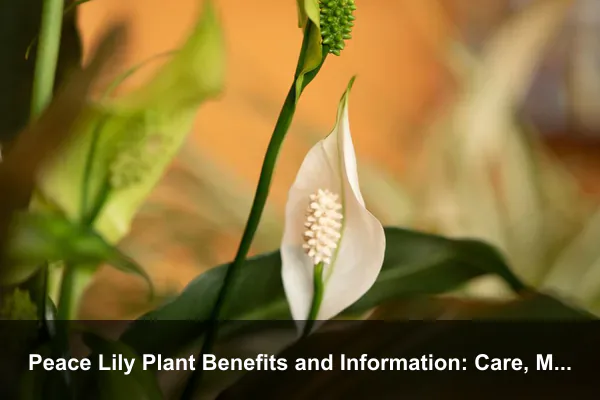
The Peace Lily is one of the most loved indoor plants because it combines elegant beauty with practical benefits. With glossy green leaves and graceful white blooms, this plant can soften a room, brighten a corner, and bring a calm natural feel into modern homes, offices, apartments, and small living spaces.
If you are looking for reliable Peace Lily plant benefits and information, this guide explains what makes the plant special, how it supports indoor comfort, what it symbolizes, and how to care for it successfully. Peace Lilies are often recommended for beginners, but they still need the right balance of light, water, soil, and attention to stay healthy.
What Is a Peace Lily Plant?
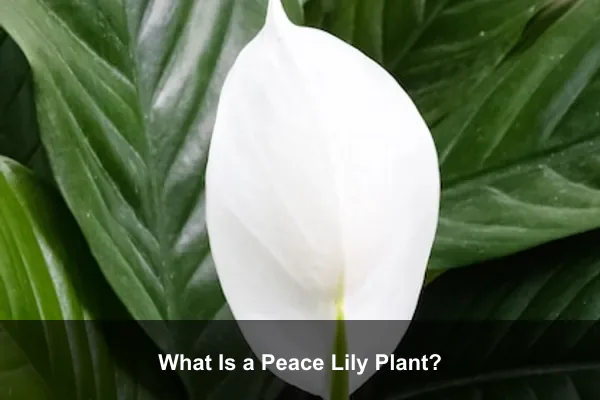
The Peace Lily, botanically known as Spathiphyllum, is a tropical flowering houseplant native to warm, humid regions of Central and South America and parts of Southeast Asia. Despite its common name, it is not a true lily. It belongs to the Araceae family, the same plant family as pothos, philodendron, and anthurium.
The plant is recognized by its deep green leaves and white spathes, which many people call flowers. The true flowers are actually tiny structures found on the central spike, known as the spadix. The white part is a modified leaf that surrounds the spadix and gives the plant its signature peaceful look.
Why Peace Lilies Are Popular Indoors
Peace Lilies are popular because they adapt well to indoor environments. They do not require direct sun, they tolerate average household temperatures, and they can recover from occasional neglect. Their upright growth also makes them suitable for desks, shelves, plant stands, bedroom corners, and entryways.
Key Peace Lily Plant Benefits
Peace Lilies offer more than decorative value. Their popularity comes from a mix of visual appeal, easy maintenance, symbolic meaning, and indoor lifestyle benefits. While no houseplant can replace proper ventilation, cleaning, or air filtration systems, plants like Peace Lily can still contribute positively to indoor spaces.
1. Adds Natural Beauty to Any Room
The biggest benefit of a Peace Lily is its simple elegance. Its shiny leaves and white blooms create a clean, timeless look that works with many interior styles, from minimalist apartments to cozy family homes. The plant adds softness without looking messy or overgrown.
2. Supports a Calming Atmosphere
Many people use Peace Lilies in bedrooms, reading corners, meditation rooms, and offices because the plant has a calm visual presence. Green foliage can make a room feel fresher and more balanced, while the white blooms add a peaceful, refined accent.
3. Beginner-Friendly Houseplant
Peace Lily care is easier than many flowering plants. It prefers indirect light, moderate watering, and well-draining soil. When thirsty, the leaves often droop noticeably, making it easier for beginners to understand when the plant needs water.
4. Good for Low to Medium Light Areas
Unlike many flowering plants, Peace Lilies can grow in lower light conditions. They usually bloom better in bright indirect light, but they can still maintain attractive leaves in shaded indoor locations. This makes them useful for rooms without intense sunlight.
5. Meaningful Gift Plant
The Peace Lily is often associated with peace, sympathy, renewal, purity, and healing. Because of this, it is commonly given as a housewarming gift, sympathy plant, or thoughtful present for someone who enjoys meaningful greenery.
Peace Lily Air-Purifying Reputation
Peace Lilies are often mentioned in discussions about air-purifying houseplants. This reputation became popular because some studies explored how certain indoor plants may help reduce specific airborne compounds in controlled environments.
It is important to understand this benefit realistically. A Peace Lily may contribute to a fresher indoor feeling, but one plant will not completely clean the air in a typical home. Good ventilation, regular dusting, humidity control, and clean indoor habits remain essential.
Still, Peace Lilies can help improve the overall feel of a room by adding living greenery, increasing a sense of freshness, and encouraging people to care more intentionally for their indoor environment.
How to Care for a Peace Lily Plant
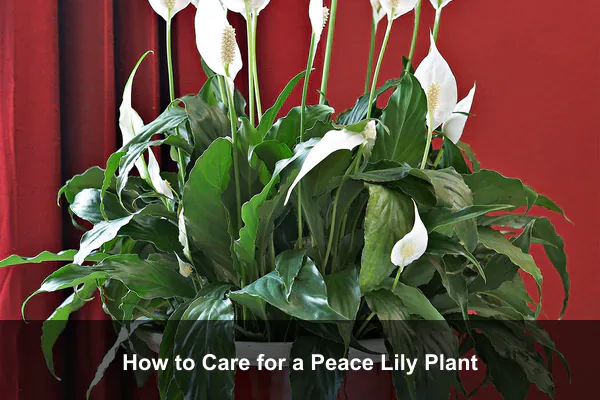
Peace Lily care is simple when you understand its tropical background. The plant enjoys warmth, humidity, indirect light, and evenly moist soil. Most problems come from overwatering, harsh direct sunlight, or leaving the plant in a pot without drainage.
Light Requirements
Peace Lilies prefer bright, indirect light. Place them near an east-facing window, a few feet from a south or west-facing window, or in a bright room with filtered sunlight. Direct afternoon sun can scorch the leaves and create brown patches.
In lower light, the plant may grow more slowly and produce fewer blooms. If your Peace Lily has healthy leaves but rarely flowers, moving it to a brighter indirect location may help.
Watering Tips
Water your Peace Lily when the top inch of soil feels dry. The plant prefers consistent moisture but does not like sitting in soggy soil. Too much water can cause yellow leaves, root rot, and a sour smell from the potting mix.
- Use a pot with drainage holes.
- Water thoroughly until excess water drains out.
- Empty the saucer after watering.
- Reduce watering during cooler months.
- Avoid letting the soil stay constantly wet.
Soil and Potting
A well-draining indoor potting mix is best. You can use a standard houseplant mix and improve drainage with perlite, orchid bark, or coco coir. Repot every one to two years, especially if roots circle the pot or the soil becomes compacted.
Temperature and Humidity
Peace Lilies prefer temperatures between 65 and 85 degrees Fahrenheit. Keep them away from cold drafts, air conditioning vents, heaters, and sudden temperature changes. They also appreciate moderate humidity, so bathrooms and kitchens with indirect light can be good locations.
Common Peace Lily Problems
Even a low-maintenance Peace Lily can show stress when its conditions are not right. The good news is that most issues are easy to identify and correct.
Yellow Leaves
Yellow leaves are often caused by overwatering, old age, poor drainage, or sudden changes in conditions. Check the soil before watering again. If it feels wet for many days, improve drainage and inspect the roots.
Brown Leaf Tips
Brown tips may appear because of underwatering, low humidity, fertilizer buildup, or minerals in tap water. Try watering consistently, trimming damaged tips, and using filtered or rested water if your tap water is very hard.
No Flowers
A Peace Lily that does not bloom usually needs brighter indirect light. It may also need time to mature, fresh nutrients, or a slightly larger pot if it is root-bound.
Drooping Leaves
Drooping is usually a sign of thirst, but it can also happen when roots are damaged from overwatering. If the soil is dry, water thoroughly. If the soil is wet and the plant still droops, check for root rot.
Is Peace Lily Safe for Pets and Children?
Peace Lily contains calcium oxalate crystals, which can irritate the mouth, throat, and stomach if chewed or swallowed. It is not considered a true lily, but it can still be harmful to cats, dogs, and small children.
Place the plant out of reach if you have curious pets or children at home. If a pet or child chews the plant and shows discomfort, contact a veterinarian, pediatrician, or poison control service for guidance.
Best Places to Put a Peace Lily
A Peace Lily works well in many indoor locations as long as the space has indirect light and stable temperatures. Choose a spot where the plant can be seen and enjoyed, but where it is protected from harsh sun and cold drafts.
- Living room: Use it near a bright window with filtered light.
- Bedroom: Place it on a plant stand for a calm, natural accent.
- Office: Keep it near a desk or cabinet where light is moderate.
- Bathroom: Use it if the room has a window and gentle humidity.
- Entryway: Add a welcoming green touch in a bright, sheltered area.
Peace Lily Meaning and Symbolism
The Peace Lily is strongly connected with peace, hope, sympathy, purity, and renewal. Its white blooms give it a gentle and respectful appearance, which is why it is often used in remembrance arrangements and meaningful gifts.
In home decor, the plant can symbolize calm energy and fresh beginnings. For many plant lovers, caring for a Peace Lily is also a simple daily reminder to slow down, observe, and create a more nurturing indoor space.
Conclusion
The Peace Lily is a beautiful, meaningful, and practical houseplant for many indoor spaces. Its glossy leaves, elegant white blooms, and forgiving nature make it a favorite for beginners and experienced plant owners alike.
When you understand the essential Peace Lily plant benefits and information, it becomes easier to enjoy this plant for years. Give it bright indirect light, water only when the top soil begins to dry, use a well-draining potting mix, and keep it away from pets and small children. With simple care, the Peace Lily can bring lasting beauty, calm, and natural charm into your home.
