
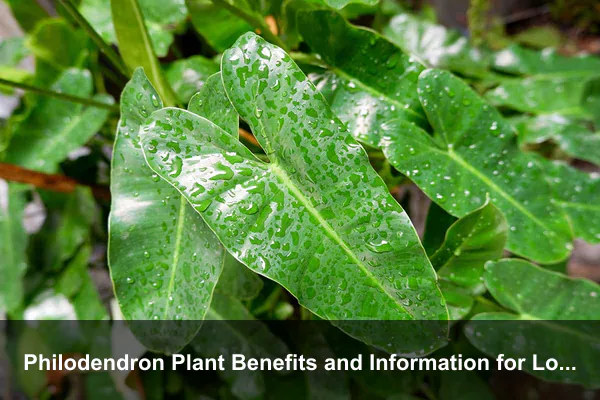
Philodendron plant benefits and information are often discussed in simple terms: attractive leaves, easy indoor care, and a calming green presence. Those points are true, but they do not show the full value of this adaptable houseplant. A philodendron can also become a practical low-waste plant for people who want to prune thoughtfully, root cuttings, refresh tired spaces, and share greenery without buying a new plant every time.
This guide takes a distinct angle on philodendron care by focusing on propagation, plant sharing, and responsible indoor use. Instead of treating the plant as a disposable decor item, it explains how philodendrons grow, why their nodes matter, how to turn healthy pruning into new plants, and how to enjoy the benefits of indoor greenery without overstating air-purifying claims or ignoring safety. If you want useful, realistic, and SEO-friendly Philodendron plant benefits and information, this article gives you a complete foundation.
Why Philodendron Fits a Low-Waste Indoor Plant Routine
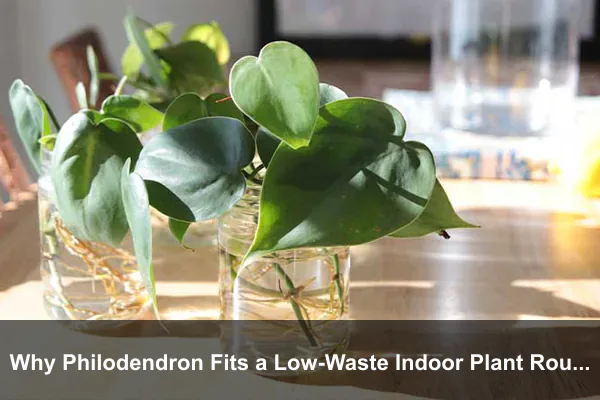
A philodendron is valuable because it can adapt to ordinary homes while still offering visible growth, rich foliage, and flexible styling. Many common types tolerate bright indirect light, average indoor temperatures, and routine pruning. That makes them especially useful for people who want a plant that can grow with their home rather than needing constant replacement.
The low-waste value comes from the way many philodendrons respond to cutting and training. Vining types can be trimmed when they become too long, and those trimmings can often be rooted into new plants. Instead of throwing away healthy stems, you can use them to fill a bare planter, start a small gift plant, or build a propagation station on a shelf.
Practical Benefits Beyond Decoration
The most reliable benefits of philodendron plants are everyday benefits, not miracle claims. They support a greener interior, create a small care routine, and help people notice light, moisture, and seasonal changes inside the home. These are the kinds of plant benefits that actually matter in daily life.
- Visual softness: Broad, heart-shaped, split, or glossy leaves can reduce the hard feeling of desks, shelves, corners, and plain walls.
- Low-waste propagation: Healthy stem cuttings from many vining types can become new plants instead of plant waste.
- Budget-friendly greenery: One strong plant can eventually supply cuttings for fuller pots, plant swaps, or simple gifts.
- Plant learning: Philodendrons show clear growth points, nodes, aerial roots, and leaf responses, making them useful for beginners who want to understand houseplants.
- Flexible placement: Depending on the variety, a philodendron can trail from a shelf, climb a pole, fill a tabletop pot, or become a bold floor plant.
These benefits are strongest when the plant is grown well. A neglected philodendron will not look lush, and an overwatered plant may decline quickly. The goal is not to make philodendron sound effortless. The goal is to understand the plant well enough that its care becomes simple, repeatable, and rewarding.
A Realistic Note on Indoor Air Claims
Philodendrons are often included in discussions about cleaner indoor air, but it is important to be precise. Laboratory studies on plants and air compounds do not always translate into a normal living room, where ventilation, room size, furniture materials, dust, humidity, and cleaning habits all matter. A philodendron can make a room feel fresher and more alive, but it should not replace ventilation, source control, filtration, or basic cleaning.
A more realistic benefit is that philodendrons encourage people to observe their indoor environment. If leaves collect dust, the room may need more regular wiping. If soil stays wet for too long, airflow or light may be limited. If leaves stretch toward a window, the plant is mapping the light for you. In this way, philodendron becomes a living reminder to manage the space more thoughtfully.
Key Philodendron Information Before You Grow or Share It
Philodendron is a large genus in the aroid family, Araceae. Many species are native to tropical regions of the Americas, where they may grow as climbers, ground plants, or hemiepiphytes that begin life in one position and later use trees or supports as they mature. This background explains many of their indoor preferences: warm temperatures, airy roots, moderate moisture, and filtered light.
Not all philodendrons behave the same way. Some are trailing or climbing plants with obvious stems and nodes. Others grow in a more upright, self-heading form with a central crown and large leaves. Knowing which type you own helps you choose the right pot, support, pruning method, and propagation strategy.
Vining and Climbing Philodendrons
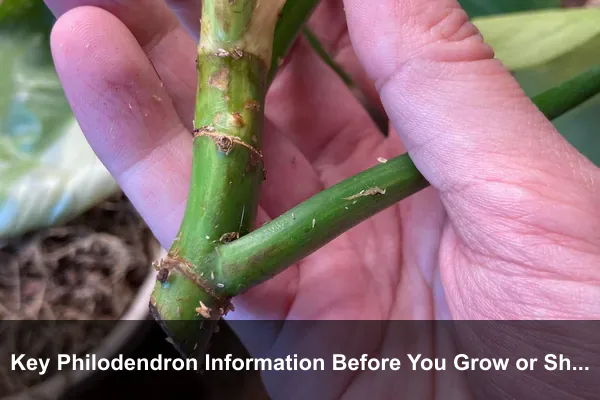
Vining philodendrons are popular because they are easy to place and easy to manage. Heartleaf philodendron and many related types can trail from a basket, climb a moss pole, or be pinned along a shelf. These plants usually have visible nodes along the stem. A node is the small point where a leaf, aerial root, or growth bud can emerge. For propagation, the node is essential.
When people fail with philodendron cuttings, the cause is often a missing node. A single leaf in water may stay green for a while, but it will not usually become a complete new plant if there is no node attached. A proper cutting needs at least one healthy node, and many growers prefer one or two leaves with one or two nodes.
Self-Heading Philodendrons
Self-heading philodendrons have a more upright habit. They may form broad rosettes, large leaves, or thick stems over time. Some popular ornamental types have dramatic colors or deeply lobed leaves. These plants are often better treated as specimen plants rather than regular sources of cuttings. They can sometimes be propagated by division, offsets, or stem sections, but the process depends on the plant structure and should be done more carefully.
This matters for low-waste care. A vining philodendron can usually be pruned and shared more easily. A self-heading plant may be better appreciated for long-term structure, leaf size, and indoor presence. Both have benefits, but they should not be handled the same way.
Popular Types and Their Indoor Roles
Different philodendrons fit different homes. A compact trailing variety may be perfect for a small apartment shelf, while a large-leaf climber may need vertical support and more floor space. Before buying or propagating, think about mature size, light needs, and how the plant will move through your home as it grows.
- Heartleaf philodendron: A classic choice for trailing, climbing, and easy propagation.
- Philodendron Brasil: A colorful vining type with green and yellow variegation that benefits from bright indirect light.
- Philodendron micans: A velvet-leaf type valued for soft texture and bronze-green tones.
- Large climbing philodendrons: Useful for vertical greenery when given a pole, plank, or trellis.
- Self-heading hybrids: Strong choices for bold foliage, tabletops, and floor displays, but usually less casual to propagate.
The best philodendron is not always the rarest or most expensive one. For shared indoor greenery, a resilient, fast-recovering, easy-to-root type may be more valuable than a fragile collector plant. This is especially true for beginners, schools, offices, and families who want plant benefits without complicated maintenance.
Propagation Benefits: Turning Healthy Pruning Into New Plants
Propagation is one of the most practical parts of philodendron plant benefits and information. It helps you manage size, refresh the shape of an older plant, and create new greenery from material that might otherwise be discarded. It also teaches the basic logic of plant growth: stems, nodes, roots, leaves, and timing.
Pruning should not be random. The healthiest cuttings come from strong stems with mature leaves, visible nodes, and no signs of rot, pests, or disease. Weak, yellowing, mushy, or pest-covered stems should not be shared. Good propagation starts with good plant hygiene.
How to Choose a Philodendron Cutting
Look for a stem that has at least one node and one healthy leaf. If the stem is long, you may divide it into several cuttings, as long as each section has a viable node. Use clean, sharp scissors or pruners. Cut just below a node, because roots often form near that area.
Before you place the cutting in water or growing medium, remove any leaf that would sit below the waterline or inside wet substrate. Submerged leaves rot easily and can foul the water or invite bacteria. The goal is to keep the node moist while allowing the leaf to continue photosynthesizing above the surface.
Water, Soil, Perlite, or Moss?
Philodendron cuttings can root in several ways. Water propagation is popular because it lets you see the roots forming. It is also visually appealing, especially when cuttings are arranged in clear jars. However, water roots can be delicate, and cuttings may need time to adjust when moved into potting mix.
Soil propagation avoids the water-to-soil transition, but it hides root development. Perlite and sphagnum moss offer a balance by holding moisture while keeping more air around the node. Each method can work if the cutting is healthy and conditions are stable.
- Water: Use a clean container, keep nodes submerged, and refresh the water regularly.
- Moist potting mix: Use a light, airy mix and avoid packing it tightly around the stem.
- Perlite: Keep it evenly moist, not flooded, and maintain gentle humidity.
- Sphagnum moss: Use clean, damp moss and avoid letting it become sour or compacted.
Roots usually appear within a few weeks, though timing depends on temperature, light, plant type, and cutting health. Many growers pot up cuttings when roots are several centimeters long and starting to branch. Do not wait until the jar is packed with tangled roots, because the transition can become more stressful.
Making Propagation More Responsible
Propagation should not become careless plant production. If you create more cuttings than you can grow well, the low-waste benefit can turn into clutter or neglect. Share only healthy cuttings, label them accurately, and explain basic care to the next person. A small rooted plant with clear instructions is more useful than a handful of mystery stems.
If you participate in plant swaps, inspect your philodendron carefully before sharing. Look under leaves, around nodes, and near the soil surface for pests such as mealybugs, scale, fungus gnats, or spider mites. Quarantine new plants and new cuttings before placing them near your main collection. Responsible sharing protects everyone involved.
Everyday Philodendron Care for Strong, Shareable Growth
A philodendron that receives steady care produces better leaves, stronger stems, and healthier cuttings. The care routine does not need to be complicated, but it should be consistent. Think of care as a rhythm: light supports growth, watering supports hydration, soil supports roots, and pruning keeps the plant in balance.
Light Requirements
Most indoor philodendrons prefer bright, indirect light. They can often tolerate lower light, but growth becomes slower, stems may stretch, and variegated types may lose contrast. Direct afternoon sun through hot glass can scorch leaves, especially on delicate or thin-leaf varieties.
A good placement is near an east-facing window, several feet from a bright south or west window, or in a room with filtered light. If the plant leans strongly toward the window, rotate the pot every week or two. If new leaves are much smaller and internodes are longer, the plant may need brighter conditions.
Watering Routine
Watering is where many philodendron problems begin. These plants like moisture, but they do not like constantly soggy roots. A simple method is to check the top layer of the potting mix. When the upper 2-5 cm feels dry, water thoroughly until excess drains from the bottom. Then let the pot drain fully before returning it to a cachepot or saucer.
Do not water by calendar alone. A philodendron may dry faster in warm weather, bright light, or a small pot. It may dry slowly during cloudy weeks, cooler months, or in a dense potting mix. The plant and soil should guide the schedule.
Soil and Potting Mix
Philodendrons generally perform best in an airy, well-draining mix. A basic houseplant mix can work, but adding materials such as orchid bark, perlite, coco chips, or pumice improves airflow around the roots. This is especially helpful for plants grown in plastic pots or humid homes where soil dries slowly.
The pot should have drainage holes. Decorative outer pots are fine, but the nursery pot inside should not sit in standing water. If roots circle tightly around the pot or water runs through immediately without moistening the mix, it may be time to repot. Choose a pot only slightly larger than the current root ball. Oversized pots hold extra wet soil and can increase rot risk.
Feeding and Seasonal Growth
During active growth, a balanced diluted houseplant fertilizer can support leaf production. Many indoor growers feed lightly in spring and summer and reduce or stop feeding in the cooler, darker months. More fertilizer is not a shortcut to bigger leaves. Too much can burn roots or create salt buildup in the soil.
Wipe leaves occasionally with a damp cloth so they can receive light efficiently. Dusty leaves look dull and may slow photosynthesis. This simple habit also gives you a chance to inspect the plant for pests, yellowing, mechanical damage, or early stress signs.
Safe Philodendron Use in Homes With Pets and Children
Philodendrons are beautiful, but they are not edible plants. Like many aroids, they contain insoluble calcium oxalate crystals that can irritate the mouth, lips, throat, and digestive tract if chewed. This does not mean you must avoid philodendrons entirely, but it does mean placement and handling matter.
Keep philodendrons away from pets and young children who may chew leaves. Place trailing stems out of reach, use stable shelves, and avoid letting vines hang low near curious animals. After pruning or handling sap, wash your hands and clean tools. If a person or pet chews the plant and shows concerning symptoms, contact a qualified medical, veterinary, or poison control professional.
Hygiene for Cuttings and Shared Plants
Cuttings travel from one environment to another, so hygiene is part of responsible propagation. Use clean jars, fresh water, and pest-free stems. If you give a cutting away, tell the recipient that philodendron is ornamental and should not be eaten. Include the plant name, rooting method, and a simple care note.
For offices, classrooms, and shared buildings, choose placement carefully. A philodendron in a common area should be stable, clearly ornamental, and easy for one person to maintain. Avoid placing water propagation jars where they can spill onto electronics or paperwork. Low-waste greenery still needs practical boundaries.
Design Ideas for Shared Indoor Greenery
Philodendron design can be more thoughtful than placing a pot wherever there is space. Because many types trail, climb, and root easily, they are excellent for creating a living system that changes slowly over time. You can grow one main plant, use pruned stems to fill smaller pots, and build a connected green style across a room.
Propagation Stations That Look Useful, Not Cluttered
A propagation station can be attractive if it is simple and organized. Use two or three clear vessels rather than a crowded line of random jars. Label each cutting with the plant name and date. Keep the water clean and place the station where it receives bright indirect light. Once cuttings root, pot them up instead of leaving them in water indefinitely unless you are intentionally growing a water display.
This approach turns plant care into a visible process. Guests, children, or beginner gardeners can see how roots form from nodes. It also makes philodendron a living teaching tool, which is one of its most underrated benefits.
Gift Plants With Better Success
A rooted philodendron cutting can be a meaningful low-waste gift, but it should be prepared well. Choose a small pot with drainage, use fresh airy mix, and let the cutting settle for a week or two before giving it away. Add a short care note: bright indirect light, water when the top mix dries, keep away from pets, and avoid direct hot sun.
Gift plants are more successful when they match the recipient. A busy person may prefer a sturdy heartleaf type. Someone with bright windows may enjoy a variegated type. A home with pets may need a hanging placement or a different non-toxic plant. Thoughtful matching is part of responsible plant sharing.
Using Philodendron to Refresh Existing Decor
Philodendron can soften shelves, bookcases, window-adjacent desks, and plant stands. Vining types can trail from a hanging basket or climb a simple support. Climbing often produces larger, more mature-looking leaves over time because the plant can anchor aerial roots and grow upward.
For a clean look, avoid letting vines become tangled and dusty. Trim long, bare stems and root the healthy pieces. Pin younger vines around the pot to encourage fullness. If you want a vertical display, guide new growth early rather than trying to force stiff older stems into position.
Troubleshooting Philodendron Problems Before You Propagate
Propagation works best when the parent plant is healthy. If your philodendron is struggling, solve the main problem before taking cuttings. A stressed plant may still root, but weak cuttings are slower and more likely to rot.
Yellow Leaves
One old yellow leaf is normal as a plant ages. Many yellow leaves at once may indicate overwatering, poor drainage, cold stress, low light, or root problems. Check the soil before watering again. If the mix is wet and smells sour, inspect the roots and consider repotting into a lighter mix.
Brown Tips and Edges
Brown tips can come from inconsistent watering, very dry air, fertilizer buildup, or water quality issues. Trim damaged edges only if needed for appearance, and focus on stabilizing care. Flush the soil occasionally with clean water if fertilizer salts may be building up, but make sure the pot drains fully.
Leggy Growth
Long gaps between leaves usually mean the plant is reaching for more light. Move it gradually to a brighter location with indirect light. Prune leggy stems back to a node, then root healthy cuttings. This is where low-waste care becomes practical: the correction also creates new plants.
Mushy Stems or Rotting Cuttings
Mushy stems are a warning sign. In potted plants, rot often comes from saturated soil and low oxygen around the roots. In propagation jars, rot may come from dirty water, submerged leaves, weak cuttings, or poor airflow. Remove rotten parts, clean the container, and restart with firm, healthy stem sections that include nodes.
Pests
Philodendrons can attract common houseplant pests, especially when plants are crowded or stressed. Check leaf undersides, nodes, petioles, and new growth. Isolate affected plants, wipe leaves, and treat with an appropriate houseplant-safe method. Do not share cuttings from a plant that has an active pest problem.
How Philodendron Supports Better Plant Habits
One overlooked benefit of philodendron is that it helps build better plant habits. The plant is forgiving enough for beginners, but expressive enough to teach observation. You can see when it reaches for light, when leaves collect dust, when stems need trimming, and when roots are ready for a larger pot.
This makes philodendron useful for people who want to move from buying plants to understanding plants. Instead of treating indoor greenery as static decor, you begin to see it as a living system. Growth, pruning, rooting, potting, and sharing become part of one cycle.
- Observation: Watch new leaves, stem spacing, and root growth before changing care.
- Patience: Let cuttings root fully before potting or gifting them.
- Moderation: Avoid overwatering, overfeeding, and overproducing cuttings.
- Responsibility: Label shared plants and disclose safety concerns.
- Adaptation: Adjust light, support, and pruning as the plant changes shape.
These habits matter more than owning many plants. A single healthy philodendron that is pruned, cleaned, and shared well can offer more lasting value than a large collection that receives inconsistent care.
Conclusion
Philodendron plant benefits and information become much more useful when viewed through the lens of low-waste indoor greenery. This plant is not only attractive; it can teach propagation, support practical home routines, soften interior spaces, and provide shareable cuttings when grown responsibly. Its best benefits are realistic, visible, and repeatable.
To get the most from a philodendron, choose a type that fits your space, learn the difference between stems and nodes, provide bright indirect light, use an airy potting mix, and water only when the plant actually needs it. Keep safety in mind around pets and children, and share only healthy, clearly labeled cuttings. With those habits, philodendron becomes more than a houseplant. It becomes a sustainable, educational, and beautiful part of everyday indoor living.
