
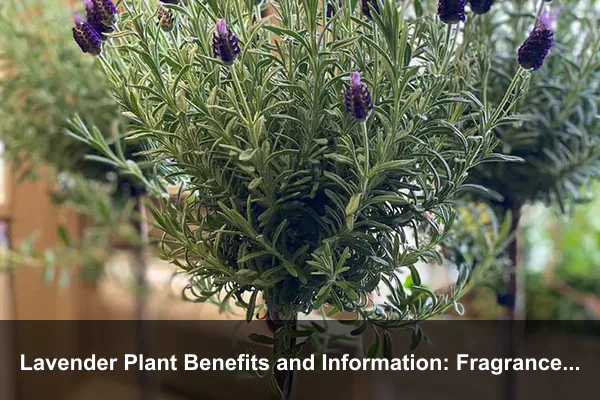
Lavender plant benefits and information often focus on scent, calm routines, and pretty purple flowers, but one of the most useful angles is quality: how to grow lavender so its fragrance, flower spikes, and herbal value are actually strong enough to use. A lavender plant that receives the right light, drainage, pruning, and harvest timing can become more than decoration. It can support a cleaner garden design, a more sensory home environment, and a low-waste herbal routine.
In the wider context of plant benefits, or manfaat tanaman, lavender is valuable because it combines beauty with practical function. It offers aromatic foliage, nectar-rich flowers, drought tolerance once established, and harvestable stems for simple home use. This guide gives a fresh look at lavender through fragrance quality, seasonal timing, and smart everyday use, so beginners can understand not only why lavender is popular, but how to make the plant perform well.
What Makes Lavender a Valuable Herbal Plant
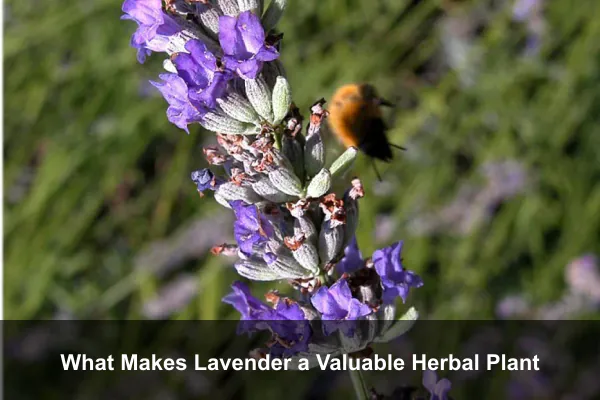
Lavender belongs to the Lavandula genus, a group of aromatic plants from the mint family. Most garden lavender has narrow gray-green leaves, upright flower spikes, and oils stored in tiny glands on the leaves and blooms. These oils are why the plant smells fresh, floral, slightly woody, and herbal when brushed, harvested, or dried.
The main appeal of lavender is its balance of ornamental and practical traits. It looks structured in borders, grows well in sunny dry spaces, and can be harvested without destroying the plant. Compared with herbs that need frequent watering or rich soil, lavender prefers a leaner routine. That makes it especially useful for gardeners who want a plant that feels elegant but does not demand constant feeding.
Lavender as a sensory plant
Lavender is often used in sensory gardens because it engages sight, touch, and smell at once. The silvery foliage softens hard edges, the flowers create seasonal color, and the fragrance is released when leaves or stems are gently handled. For patios, paths, and entry gardens, this makes lavender a practical plant for creating a calm first impression.
Lavender as a low-input herb
Once established in the right place, lavender usually needs less water than many soft leafy herbs. It dislikes heavy, wet soil but performs well where air moves freely and roots are not constantly damp. This makes it a good choice for water-conscious herbal gardens, raised beds, gravel gardens, and sunny containers with excellent drainage.
Key Lavender Plant Benefits for Home and Garden
The benefits of lavender are best understood realistically. Lavender is not a cure-all, and its essential oil should be treated with care. Its everyday value comes from fragrance, garden function, visual texture, and simple harvested materials.
- Natural fragrance: Fresh or dried lavender stems can lightly scent rooms, drawers, wreaths, and handmade sachets.
- Garden structure: Its compact mounded shape adds order to borders, pathways, and herb beds.
- Pollinator support: Flowering lavender can help attract beneficial garden pollinators when grown without harsh chemical sprays.
- Low-water landscaping: Established plants can suit dry, sunny designs better than many thirsty ornamentals.
- Mindful routines: Pruning, harvesting, and bundling lavender can make gardening feel more intentional and restorative.
Lavender also helps connect indoor and outdoor living. A few harvested stems can bring the garden into the home without requiring complicated processing. For people who want useful plants but have limited time, this simple harvest value is one of lavender’s strongest advantages.
Choosing the Right Lavender for Your Purpose
Not every lavender plant behaves the same. Choosing the right type affects scent strength, climate tolerance, flower appearance, and how you can use the harvest. The best lavender for you depends on whether you want fragrance, landscape value, container growth, or ornamental flowers.
English lavender
English lavender, often sold as Lavandula angustifolia, is one of the most popular choices for fragrance and home harvesting. It has a sweet, classic scent and is commonly used for sachets, dried bundles, and herb gardens. It usually prefers cooler nights, full sun, and very well-drained soil.
Lavandin
Lavandin is a hybrid often grown for strong fragrance and long stems. It can be excellent for dramatic garden rows and large dried bundles. The scent may be sharper and more camphor-like than English lavender, which some people love for home fragrance but may find too strong for delicate uses.
Spanish lavender
Spanish lavender is recognized by its showy flower bracts that look like small flags on top of the bloom. It is very decorative and can be a strong container or border plant in warm climates. Its fragrance is useful, but many gardeners choose it mainly for its striking appearance.
How to Grow Lavender for Stronger Fragrance
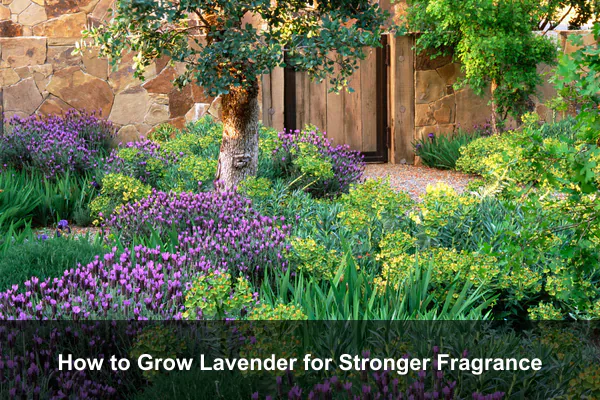
Fragrance quality begins with growing conditions. A stressed plant in wet soil may survive for a while, but it often becomes weak, woody, or less productive. A lavender plant in bright sun, loose soil, and good airflow usually produces better stems and more reliable flowers.
Light and placement
Lavender needs full sun for the best flowering and scent. Aim for at least six hours of direct sunlight each day, with more being better in many climates. Place it where neighboring plants will not shade it as they grow. In humid regions, choose an open position where leaves dry quickly after rain.
Soil and drainage
Drainage is more important than richness. Lavender prefers soil that lets water move through quickly. Heavy clay, constantly damp potting mix, or low garden spots can lead to root problems. If your soil stays wet, grow lavender in a raised bed, mound, or container with drainage holes.
Watering rhythm
New lavender needs regular watering while roots establish, but mature plants should not be kept soggy. Let the top layer of soil dry before watering again. In containers, check moisture more often because pots dry faster, but still avoid daily watering unless heat and wind make it necessary.
Pruning for shape and bloom
Pruning keeps lavender compact and productive. Lightly trim after flowering, removing spent stems and shaping the plant without cutting deeply into old bare wood. A gentle annual prune encourages new growth, better air circulation, and a neater mound. Neglected lavender can become woody and open in the center, making recovery more difficult.
Harvest Timing for Better Lavender Quality
Harvest timing is one of the most overlooked parts of lavender plant benefits and information. The same plant can produce a weak bundle or a highly fragrant bundle depending on when you cut it. For dried stems, harvest when many buds have formed and only a small number have opened. At this stage, fragrance is often strong and the flowers hold better after drying.
Cut stems in the morning after dew has dried but before intense heat reduces freshness. Use clean sharp scissors or pruners, and avoid cutting into the woody base. Bundle stems loosely and hang them in a dry, shaded, airy place. Direct harsh sunlight can fade color and reduce fragrance quality.
Simple ways to use harvested lavender
- Sachets: Use dried buds in small fabric pouches for drawers or closets.
- Decorative bundles: Tie dried stems for shelves, workspaces, or seasonal displays.
- Herbal crafts: Add dried lavender to wreaths, bath blends, or handmade gifts.
- Garden refresh: Use pruned stems as a reminder to maintain the plant after bloom.
If you plan to use lavender near food, choose plants grown without unsafe sprays and confirm that the variety is appropriate for culinary use. Not all ornamental lavender is ideal for eating, and strong types can taste soapy or bitter.
Safety and Realistic Use
Lavender is widely appreciated, but safe use matters. The plant itself is commonly grown in gardens, yet concentrated lavender essential oil is much stronger than fresh flowers. Essential oils should not be swallowed unless guided by a qualified professional, and they should be diluted properly before skin use.
People with allergies, asthma, sensitive skin, pregnancy concerns, or ongoing medical conditions should be cautious with concentrated products. Keep oils and strong preparations away from children and pets. For most households, the safest approach is simple: enjoy the living plant, use dried stems lightly, and avoid treating lavender as medicine.
Common mistakes to avoid
- Overwatering: Constant moisture is one of the fastest ways to weaken lavender roots.
- Too much fertilizer: Rich feeding can encourage soft growth instead of compact, fragrant stems.
- Poor sunlight: Shade reduces flowering and can make the plant leggy.
- Late heavy pruning: Cutting too hard into old wood may leave bare patches that do not regrow well.
- Wrong variety choice: A beautiful lavender may not be the best option for your climate or intended use.
Best Places to Use Lavender in a Garden
Lavender works best where its scent and shape can be noticed. Plant it along sunny paths so people brush past the foliage, near seating areas for seasonal fragrance, or in raised herb beds where drainage is easy to control. It also pairs well with other sun-loving, low-water plants that prefer similar soil conditions.
For small spaces, choose compact lavender varieties in terracotta or breathable containers. Place the pot where it receives strong sun and good airflow. A single healthy container can provide flowers, fragrance, and visual softness for balconies, steps, or windowsills.
Design pairings
Lavender looks especially good beside plants with contrasting foliage or flower forms. Try pairing it with ornamental grasses, rosemary, sage, thyme, roses, or low-growing ground covers that do not crowd its base. Leave enough space around each plant so air can move and the mound can develop naturally.
Conclusion
Lavender plant benefits and information become more useful when you look beyond the idea of lavender as simply a fragrant purple flower. Its real value comes from matching the right variety with the right site, growing it in sun and sharp drainage, harvesting at the best stage, and using it safely in simple home routines.
For gardeners who want beauty, scent, herbal value, and low-input planting in one compact plant, lavender is a strong choice. With realistic expectations and careful timing, it can bring long-lasting benefits to sunny gardens, containers, and everyday home spaces.
