
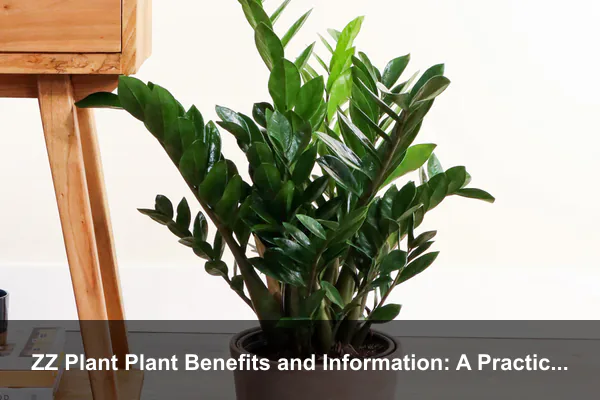
The ZZ Plant is one of the most dependable houseplants for people who want greenery without building their entire routine around plant care. Known botanically as Zamioculcas zamiifolia, this glossy-leaved plant has become popular in homes, apartments, offices, dorm rooms, and small commercial spaces because it tolerates imperfect conditions better than many decorative indoor plants.
This guide explores ZZ Plant plant benefits and information from a practical angle: how the plant supports low-effort indoor living, where it fits best, what it can and cannot do for wellness, and how to keep it healthy without overcomplicating care. The focus is not on miracle claims, but on realistic value, simple routines, and smart placement for long-term success.
What Makes the ZZ Plant Different?
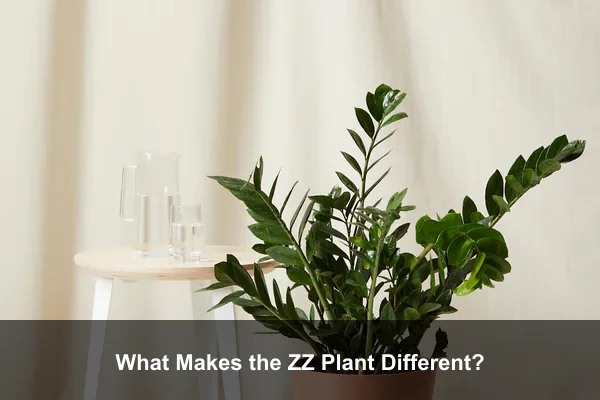
The ZZ Plant stands out because it combines ornamental appeal with unusual resilience. Its upright stems, thick leaflets, and deep green shine give it a polished look even when the rest of the room is simple. Unlike many tropical-looking plants, it does not demand constant misting, frequent watering, or a bright window to stay attractive.
Its biggest strength is storage. The plant grows from thick underground rhizomes that hold water and nutrients. These rhizomes help the plant survive dry spells, missed watering days, and lower humidity. This makes the ZZ Plant especially useful for busy households, frequent travelers, and anyone who has struggled with more sensitive plants.
Basic ZZ Plant Information
- Botanical name: Zamioculcas zamiifolia
- Common names: ZZ Plant, Zanzibar Gem, Zuzu Plant
- Plant type: Tropical perennial houseplant
- Best indoor feature: Glossy upright foliage
- Care level: Easy to low maintenance
- Growth speed: Slow to moderate indoors
- Light preference: Bright indirect light, with tolerance for lower light
- Main caution: Not edible and should be kept away from pets and children who may chew plants
Key Benefits of the ZZ Plant
The benefits of the ZZ Plant are strongest when understood realistically. It is not a substitute for cleaning, ventilation, medical care, or air filtration equipment. However, it offers meaningful everyday value as a durable ornamental plant that improves the feeling and function of indoor spaces.
1. It Adds Greenery With Very Little Maintenance
One of the most practical ZZ Plant benefits is its forgiving nature. Many indoor plants decline quickly if watering is delayed or if the room does not receive strong light. The ZZ Plant is more tolerant. It can remain attractive with a simple care rhythm, making it ideal for beginners and people who prefer a low-touch plant routine.
This benefit matters because plant care should feel sustainable. A plant that needs constant attention may become stressful for a busy owner. The ZZ Plant offers the opposite experience: it rewards restraint. In many homes, the biggest care mistake is not neglect but too much water.
2. It Works Well in Modern Indoor Design
The ZZ Plant has a clean, structured shape that fits many interiors. Its upright stems make it useful on sideboards, office shelves, entry tables, bedroom corners, and reception areas. The leaves reflect light softly, helping a plain room feel more alive without adding visual clutter.
Because it grows slowly, the ZZ Plant is also easy to plan around. It does not quickly outgrow its location, trail across furniture, or require frequent pruning. This makes it useful for compact homes, rented spaces, and minimalist rooms where predictable shape matters.
3. It Supports a Calmer Indoor Atmosphere
Indoor plants can support comfort by making a space feel more natural and cared for. The ZZ Plant is especially good for this because it stays tidy. Its glossy foliage gives the impression of freshness without dropping many leaves or demanding a complicated setup.
For people who enjoy the benefits of tanaman hias in daily life, the ZZ Plant offers a simple way to bring a natural element indoors. It can make a desk, hallway, or quiet reading corner feel less empty while still keeping the overall room practical.
4. It Is Suitable for Low-Light Corners
The ZZ Plant is often described as a low-light plant. More accurately, it is a plant that tolerates low light. It will usually grow better in bright indirect light, but it can survive in dimmer spaces where many other houseplants struggle.
This makes it useful for rooms with small windows, north-facing spaces, corridors, and office areas with filtered natural light. The key is to manage expectations: in lower light, growth will be slower and the soil will dry more slowly, so watering must be reduced.
Best Places to Use a ZZ Plant Indoors
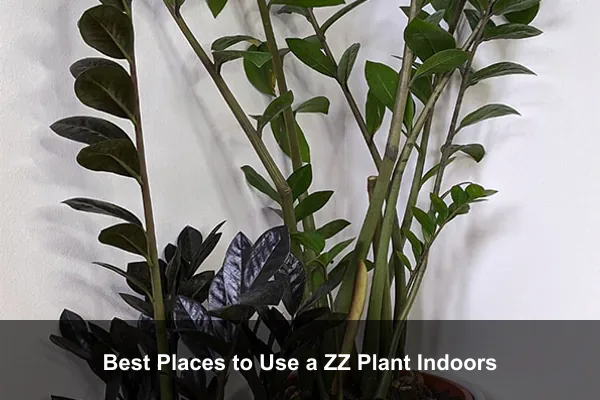
Placement is one of the most important parts of ZZ Plant success. A healthy location balances appearance, light, safety, and ease of care. Because the plant is sculptural and resilient, it can work in several indoor roles.
Entryways and Hallways
A ZZ Plant can make an entryway feel more welcoming without requiring daily attention. Its upright growth keeps walkways clear, and its polished leaves pair well with console tables, benches, and shoe cabinets. If the hallway is very dark with no natural light, rotate the plant to a brighter room every few weeks or use a grow light.
Home Offices
The ZZ Plant is a strong choice for workspaces because it looks calm and professional. It does not need frequent watering, so it can sit beside a desk or filing cabinet without becoming a maintenance distraction. A medium-sized plant in a simple pot can soften hard office lines and make the area feel more comfortable for focused work.
Bedrooms and Quiet Corners
In bedrooms, the ZZ Plant adds greenery without scent, pollen-heavy flowers, or messy leaf drop. Place it where it receives gentle indirect light and where pets or children cannot reach it. It is best used as a decorative, low-maintenance plant rather than as a claimed air-purifying solution.
Small Apartments and Rental Homes
For renters, the ZZ Plant has several advantages. It does not need wall mounting, elaborate humidity systems, or large amounts of space. A single plant in a stable pot can create a strong visual effect without permanent changes to the room.
ZZ Plant Care Basics for Healthy Growth
ZZ Plant care is simple, but simple does not mean careless. The plant thrives when its natural water-storing habit is respected. Good care is mostly about avoiding extremes, especially soggy soil.
Light Requirements
Place the ZZ Plant in bright, indirect light when possible. It can tolerate lower light, but avoid placing it in a completely dark corner for long periods. Direct harsh sun can scorch leaves, especially through hot windows, so filtered light is usually best.
A practical light check is to read a book comfortably in the spot during daytime without turning on a lamp. If you can, the ZZ Plant may be able to live there. If the space is too dim to read in, the plant may survive for a while but will not perform its best.
Watering Routine
Water only when the soil has dried significantly. In many indoor conditions, this may mean watering every two to four weeks, but the exact timing depends on pot size, temperature, season, light, and soil mix. Always check the soil instead of following a fixed calendar blindly.
- Insert a finger or moisture meter into the soil.
- Water only if the top several centimeters feel dry.
- Water thoroughly until excess drains out.
- Empty the saucer so the pot does not sit in standing water.
Yellowing leaves, soft stems, or a sour smell from the soil can indicate overwatering. Wrinkled stems and very dry soil may suggest the plant has gone too long without water.
Soil and Pot Choice
The ZZ Plant needs a pot with drainage holes. A loose, well-draining potting mix is better than heavy soil that stays wet for too long. A standard indoor potting mix can work if improved with perlite, pumice, or coarse material to increase aeration.
Choose a pot that is only slightly larger than the root system. An oversized pot holds extra moisture, increasing the risk of root and rhizome problems. Repotting is usually needed only every few years or when the plant becomes crowded.
Common ZZ Plant Problems and Simple Fixes
Even a resilient plant can struggle if its basic needs are ignored. The good news is that most ZZ Plant problems have clear causes and practical solutions.
Yellow Leaves
Yellow leaves are often linked to excess water. Check whether the soil is staying wet for too long, whether the pot has drainage, and whether the plant is in a low-light area where water evaporates slowly. Remove damaged leaves and adjust the watering routine.
Leaning Stems
Stems may lean if the plant grows toward light, if the pot is unstable, or if rhizomes are crowded. Rotate the pot occasionally so growth stays balanced. If the plant is very top-heavy, consider repotting into a slightly heavier container.
Dusty Leaves
ZZ Plant leaves look best when clean. Dust can dull their shine and reduce the plant’s ability to receive light. Wipe leaves gently with a damp cloth. Avoid heavy leaf-shine products because they can leave residue.
Slow Growth
Slow growth is normal for ZZ Plants, especially indoors. If the plant looks healthy but does not produce many new stems, it may simply be growing at its natural pace. More bright indirect light during the growing season can encourage stronger growth.
Safety: Is the ZZ Plant Toxic?
The ZZ Plant contains calcium oxalate crystals, which can irritate the mouth, skin, and digestive system if chewed or swallowed. It should not be eaten, brewed, used as medicine, or placed where curious pets or small children are likely to bite the leaves.
For most adults, normal handling is low risk, but it is sensible to wash hands after pruning or repotting. If you have sensitive skin, wear gloves when dividing rhizomes or handling broken stems. If a pet or child eats part of the plant, contact a veterinarian or medical professional for guidance.
How to Choose a Healthy ZZ Plant
Buying well makes care easier from the beginning. A healthy ZZ Plant should have firm stems, glossy leaves, and no unpleasant smell from the potting mix. Avoid plants with mushy bases, heavily yellowed foliage, or soil that appears constantly wet.
What to Look For Before Buying
- Firm stems: Stems should feel stable, not soft or collapsing.
- Healthy leaves: Look for rich green color and minimal spotting.
- Drying soil: Soil should not smell sour or swampy.
- No visible pests: Check leaf undersides and stem joints.
- Balanced shape: Choose a plant that suits your intended space.
After bringing the plant home, give it time to adjust. Do not repot, fertilize, prune, and move it repeatedly in the same week. A stable transition helps reduce stress.
Propagation and Long-Term Value
The ZZ Plant can be propagated, but patience is required. Division is the fastest method because it separates existing rhizomes into new plants. Leaf cuttings are possible, but they can take a long time to form rhizomes and new shoots.
Propagation by Division
Division works best when the plant is mature and crowded. Remove the plant from its pot, gently separate rhizome sections with healthy roots and stems, then repot them into well-draining soil. Water lightly and allow the new divisions to settle in bright indirect light.
Why Slow Growth Can Be a Benefit
Many people see slow growth as a downside, but it can be an advantage indoors. A slow-growing ZZ Plant remains manageable, keeps its form, and does not require constant trimming. This makes it a practical long-term plant for people who want steady beauty rather than rapid change.
Realistic Wellness Value of the ZZ Plant
When discussing ZZ Plant plant benefits and information, it is important to separate proven practical value from exaggerated claims. The plant can improve the look and emotional comfort of a room, but it should not be promoted as a cure for health problems or a replacement for air purifiers.
Its wellness value comes from everyday experience: a greener desk, a calmer corner, a more pleasant entryway, and a living object that encourages small moments of care. For many people, that is enough. A plant does not need to be miraculous to be useful.
Conclusion
The ZZ Plant is a durable, attractive, and beginner-friendly houseplant with strong practical value. Its glossy leaves, upright form, low maintenance needs, and tolerance for less-than-perfect indoor conditions make it one of the most useful choices for modern homes and offices.
The best way to enjoy ZZ Plant benefits is to keep expectations realistic and care simple. Give it indirect light, water only when the soil has dried, use a draining pot, keep it away from pets and children who may chew it, and let its slow growth work in your favor. For anyone seeking reliable indoor greenery, the ZZ Plant remains a smart and stylish option.
