
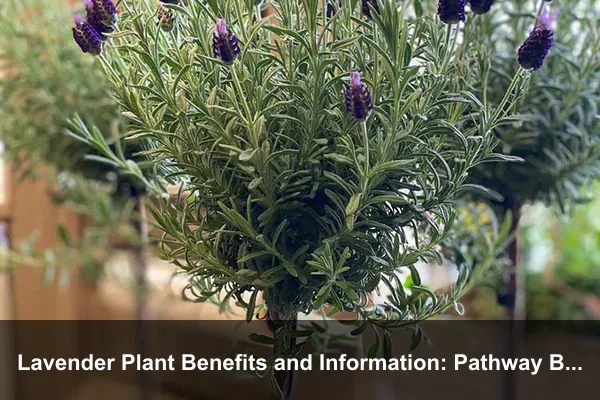
Lavender is often introduced as a fragrant herb, but its real value in a home garden goes far beyond scent. When placed thoughtfully, this Mediterranean plant can shape walkways, soften hard edges, guide movement through outdoor spaces, and bring long-lasting seasonal interest with relatively modest care. For readers searching for Lavender plant benefits and information, the most useful angle is not only what lavender does, but where it belongs and how to keep it looking good year after year.
This guide focuses on lavender as a practical landscape plant for borders, paths, entry areas, patio edges, and small garden transitions. It explains the benefits, plant facts, care rhythm, safety notes, and design decisions that help lavender become more than a decorative herb. In the spirit of Manfaat Tanaman, or plant benefits, the goal is to understand how lavender supports daily comfort, outdoor beauty, and smarter garden maintenance without exaggerating its uses.
Why Lavender Works Well in Pathways and Garden Borders
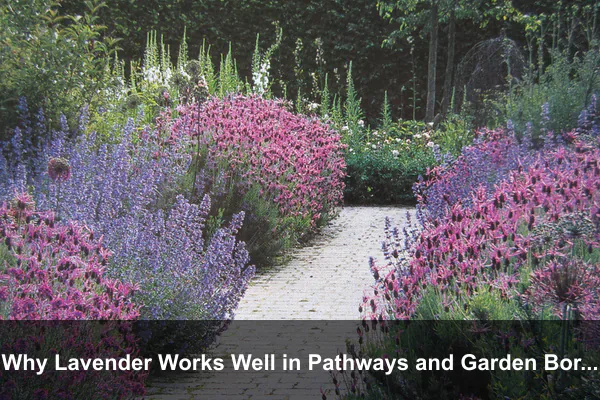
Lavender has a naturally structured growth habit that makes it useful where a garden needs definition. Many varieties form rounded mounds with narrow silver-green leaves and upright flower spikes. This shape gives a path or planting bed a clear edge without the heavy look of a wall, fence, or dense hedge.
One of the most overlooked lavender plant benefits is its ability to create a sense of order. A row of lavender beside stepping stones, gravel walks, or patio borders can visually tell people where to move and where planting areas begin. This is especially helpful in small gardens, where every plant has to earn its space.
A Living Edge With Seasonal Interest
Unlike many edging plants that are grown mainly for leaves, lavender offers several layers of value. Its foliage contributes color and texture even when the plant is not blooming. During the flowering season, the spikes add purple, blue, pink, or white tones, depending on the variety. After flowering, the clipped plant can still remain neat and architectural.
This makes lavender useful for entrances, herb gardens, vegetable garden borders, courtyard paths, and mixed ornamental beds. It can connect practical growing areas with more decorative spaces, creating a garden that feels productive and attractive at the same time.
Aromatic, But Not Only Aromatic
Lavender is famous for fragrance, but a good garden plan should not depend only on smell. Fragrance varies by species, weather, bloom stage, and even time of day. The stronger reason to use lavender along a path is the complete package: evergreen or semi-evergreen foliage in suitable climates, drought tolerance after establishment, long bloom potential, and a clean shape when pruned correctly.
Essential Lavender Plant Information for Better Selection
Lavender belongs to the genus Lavandula, a group of aromatic plants in the mint family. Most garden lavenders prefer full sun, quick-draining soil, good air movement, and moderate fertility. They dislike wet roots, heavy clay, and overfeeding. Understanding these basic facts prevents many common problems.
English Lavender
English lavender, often listed as Lavandula angustifolia, is popular for compact growth, classic fragrance, and good cold tolerance compared with many other types. It is often a strong choice for neat borders, low hedges, herb gardens, and small spaces. Cultivars vary in height, bloom color, and climate performance, so checking mature size matters before planting a row.
Lavandin
Lavandin, commonly written as Lavandula x intermedia, is a hybrid type that often grows larger and produces long flower stems. It can be excellent for wider borders, driveway edges, and open sunny beds where there is enough room for airflow. Because lavandin can become broad, it is less suitable for very narrow paths unless you choose a compact cultivar and prune consistently.
Spanish and French Lavender Types
Spanish lavender and French lavender types are valued for showy flower forms and ornamental impact. They often perform best in mild climates and may not tolerate cold winters as well as English lavender. Their distinctive flower heads can make them useful near patios and entries where visual detail is appreciated up close.
Before buying, read the plant label for mature height, spread, hardiness, and bloom season. A lavender that looks charming in a small nursery pot may become too wide for a tight walkway after two or three growing seasons.
Lavender Plant Benefits for Everyday Outdoor Living
The benefits of lavender are easiest to appreciate when they are connected to real garden use. Instead of asking only whether lavender is beautiful or fragrant, ask what job it can perform in a specific location.
It Helps Define Movement
Lavender can act as a soft traffic guide. Along a path, it encourages people to stay on the walkway without creating a harsh barrier. Around a seating area, it can mark the edge of the space and make the patio feel more intentional. Near a gate, it creates a welcoming transition from one area to another.
For best results, keep lavender set back from the exact walking line. Mature plants may lean after rain or bloom heavily in summer. Leaving extra space prevents stems from being stepped on and reduces the chance of brushing against bees during peak bloom.
It Offers Low-Input Beauty After Establishment
Lavender is not a no-care plant, but it can be low-input when planted in the right place. Once established, many lavenders need less frequent watering than thirsty annuals or lush foliage plants. They also usually prefer lean soil, which means heavy fertilizing is unnecessary and can even make growth weak.
This is an important benefit for gardeners who want beauty without constantly adding products. A healthy lavender bed depends more on sun, drainage, spacing, and pruning than on complicated feeding routines.
It Adds Texture and Color Contrast
The narrow leaves of lavender contrast well with round leaves, glossy foliage, grasses, and broad flowering perennials. Silver-green foliage can brighten gravel gardens, dry borders, and sunny courtyards. Purple flower spikes pair especially well with white flowers, soft yellows, ornamental grasses, and deep green herbs.
- For formal spaces: plant one cultivar in repeated rows for a calm, unified edge.
- For cottage gardens: mix lavender with roses, salvias, thyme, and airy perennials while keeping enough airflow.
- For compact patios: use a single lavender in a pot as a structured accent beside a chair or doorway.
- For edible gardens: place lavender near paths rather than in the most irrigated vegetable rows.
Site Planning: Sun, Soil, and Drainage Come First
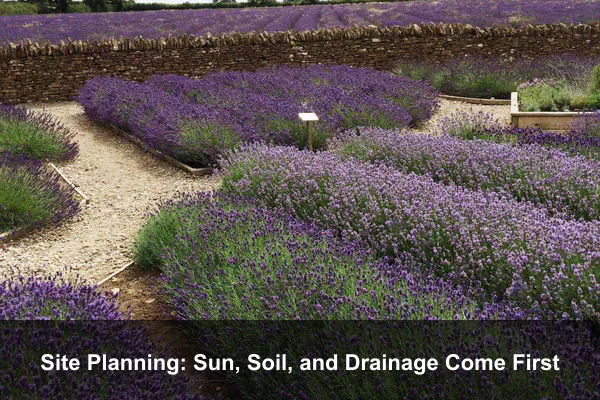
The most important lavender care decision happens before planting. A poor location can make lavender short-lived, even if watering and pruning seem careful. A suitable site makes the plant easier to manage for many seasons.
Light Requirements
Lavender performs best in full sun. In most gardens, that means at least six hours of direct sunlight daily, with stronger flowering when the plant receives more. Morning sun helps dry dew from the leaves, while open afternoon light supports compact growth.
In very hot climates, a little protection from harsh late-afternoon heat may help some varieties, especially in containers. However, too much shade usually leads to stretched stems, fewer flowers, and a weaker mound.
Soil and Drainage
Lavender prefers soil that drains quickly. Heavy, wet soil is one of the most common reasons lavender fails. If water sits after rain, roots can suffer, and the plant may yellow, wilt, or collapse even though the soil looks moist.
For clay-heavy gardens, consider raised beds, mounded planting, or containers with excellent drainage. Gravelly or sandy soil can work well if it does not become extremely dry before roots are established. The key is balance: lavender needs water to settle in, but it should not sit in soggy ground.
Mulch Choices
Use mulch carefully around lavender. Thick organic mulch can hold moisture against the crown, especially in humid climates. Mineral mulches such as small gravel or crushed stone are often better around lavender because they reduce splash, limit weeds, and keep the crown drier.
If you use bark or compost nearby, keep it away from the stem base. Leave a small open ring around the crown so air can move and moisture can escape.
How to Plant Lavender for a Clean, Long-Lasting Border
Planting lavender in a border is different from placing one plant in an open bed. Spacing, alignment, and mature size matter because a row can look messy if plants grow into each other unevenly.
Spacing for Airflow and Shape
Check the expected mature spread of the variety, then space plants so they can touch lightly when mature without crowding. For many compact types, spacing may fall around 12 to 18 inches apart. Larger lavandins may need 24 to 36 inches or more. Crowded lavender traps humidity, shades its own lower stems, and becomes woody faster.
When planting beside a path, set the center of each plant far enough from the walkway edge to allow the mature mound to expand. This prevents the border from becoming a tripping hazard and reduces the need for harsh pruning.
Planting Steps
- Choose a sunny location with quick drainage and good airflow.
- Water the nursery plant before planting so the root ball is evenly moist.
- Dig a hole only as deep as the root ball and slightly wider.
- Set the plant so the crown sits at the same level or just slightly above the surrounding soil.
- Backfill gently, firm the soil, and water to settle the roots.
- Add a light mineral mulch if useful, keeping the crown clear.
Avoid burying lavender too deeply. Planting low can trap moisture around the stem base, which increases the risk of rot.
Lavender Care: Watering, Pruning, and Feeding
Lavender care should support the plant’s natural preference for sun, air, and lean conditions. Problems often begin when gardeners treat lavender like a leafy bedding plant that needs constant moisture and fertilizer.
Watering Rhythm
New lavender needs consistent watering while roots establish. Water deeply, then allow the soil to dry partially before watering again. After establishment, reduce frequency. In the ground, many mature lavenders need supplemental water mainly during dry spells. In containers, plants dry faster and need closer attention.
The goal is not to keep lavender dry at all times. The goal is to avoid constant wetness. Deep, occasional watering is usually better than frequent shallow watering.
Pruning for Shape
Pruning is essential if you want lavender to remain attractive in a pathway or border. Light annual pruning encourages branching and helps prevent a bare, woody center. The best timing depends on climate and variety, but many gardeners trim after flowering and shape lightly in spring when new growth appears.
Do not cut deeply into old bare wood unless you know the variety can recover. Lavender often struggles to resprout from very old woody stems. A better routine is to prune lightly and regularly, removing spent flower stalks and shaping green growth before the plant becomes too leggy.
Feeding and Compost
Lavender usually does not need rich feeding. Too much nitrogen can produce soft leafy growth with fewer flowers and weaker scent. If soil is extremely poor, a small amount of compost worked into the planting area before planting may help, but heavy seasonal feeding is rarely needed.
In containers, use a well-draining potting mix and avoid oversized pots that stay wet too long. A container should have drainage holes, and the plant should never sit in standing water.
Common Lavender Problems and Practical Fixes
Most lavender problems are connected to moisture, shade, poor airflow, or overly aggressive pruning. Reading plant signals early helps you correct the situation before the whole border declines.
Yellowing Leaves and Wilting
Yellowing combined with wilting can be confusing because it may look like drought stress. In lavender, it can also mean roots are too wet. Check the soil before watering. If the soil is damp and the plant is wilting, improve drainage, reduce watering, and remove mulch from the crown area.
Woody, Open Centers
Lavender naturally becomes woodier with age, but poor pruning speeds the process. If the plant has a hollow center, avoid cutting hard into old wood. Instead, trim lightly after flowering, encourage outer green growth, and consider replacing very old plants in highly visible borders.
Few Flowers
Low bloom can come from too much shade, too much fertilizer, immature plants, or incorrect pruning time. Move container plants to stronger sun, reduce feeding, and avoid cutting off developing flower buds. In cold regions, winter damage can also reduce flowering.
Pests and Diseases
Lavender is not pest-proof, but healthy plants in sunny, airy sites often have fewer issues. Root rot, fungal problems, and crown decline are bigger concerns than insects in many gardens. Good spacing, careful watering, and clean pruning tools reduce risk.
Safe Uses Around Homes, Families, and Pets
Lavender is widely used in gardens and homes, but safe use still matters. Enjoying a plant responsibly is part of understanding its real benefits.
Harvesting for Simple Home Use
For dried bundles, harvest flower stems when some buds have opened but before the entire spike is fully spent. Cut in the morning after dew has dried. Tie small bundles and hang them in a dry, shaded, airy place. This keeps the process simple and reduces mold risk.
Dried lavender can be used in sachets, wreaths, drawer fresheners, or decorative bundles. Keep expectations realistic: dried fragrance fades over time and depends on the variety and storage conditions.
Essential Oil Caution
Lavender essential oil is concentrated and should not be treated the same as fresh flowers or dried stems. Avoid applying essential oil directly to skin without proper dilution, and keep it away from eyes, small children, and pets unless guided by a qualified professional. People with allergies, asthma, pregnancy concerns, or medical conditions should be especially cautious with concentrated products.
Garden Placement for Shared Spaces
If children, pets, or visitors use the path daily, leave enough clearance so plants are not constantly brushed or broken. During bloom, lavender can attract bees, so avoid placing it directly against narrow doorways, play areas, or high-traffic steps. This does not mean lavender is unsafe; it means placement should match how the space is used.
Seasonal Lavender Maintenance Calendar
A simple seasonal routine keeps lavender looking intentional rather than neglected. Adjust timing for your climate, but use the pattern as a planning guide.
- Spring: check for winter damage, remove dead tips, shape lightly when fresh growth appears, and confirm that mulch is not touching the crown.
- Early summer: monitor watering during establishment, watch for strong flowering, and keep weeds from crowding the base.
- Mid to late summer: harvest flower stems if desired, then trim spent blooms to maintain a clean mound.
- Autumn: avoid heavy feeding, reduce watering as growth slows, and make sure drainage is ready before wet weather.
- Winter: protect containers from waterlogging and cold extremes based on your variety and local climate.
For a formal lavender border, review the line of plants once or twice a year. Replace weak plants early rather than waiting for gaps to dominate the design. A border looks best when plant size, spacing, and pruning rhythm stay consistent.
Conclusion: Lavender as a Practical Benefit Plant
Lavender deserves its reputation as a beautiful and aromatic herb, but its strongest garden value comes from thoughtful placement and steady care. Used along pathways, patios, entries, and sunny borders, it can define outdoor movement, add texture, provide seasonal color, and support a lower-input landscape style when conditions are right.
The most important lavender plant benefits and information can be summarized simply: choose the right type, give it full sun, protect the roots from wet soil, prune before it becomes woody, and place it where people can enjoy it without crowding the plant. With those basics in place, lavender becomes more than a fragrant accent. It becomes a durable, useful, and visually calming part of a well-planned garden.
