
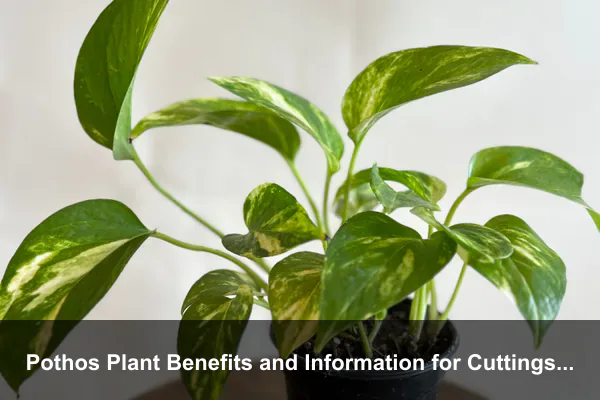
Pothos is one of the easiest houseplants to grow, but its real value is bigger than a pretty vine on a shelf. A healthy pothos can become a small indoor greenery network: one mother plant can produce cuttings for friends, offices, classrooms, renters, new plant parents, and anyone who wants a low-pressure way to enjoy living leaves indoors.
This guide explores Pothos plant benefits and information from a fresh angle: how pothos works as a shareable, practical, and beginner-friendly plant. Instead of focusing only on decoration or basic care, it explains how to grow pothos responsibly, prepare healthy cuttings, gift them safely, and use this resilient plant to create greener routines without buying a new plant every time.
A Shareable View of Pothos Plant Benefits
Pothos, botanically known as Epipremnum aureum, is popular because it tolerates ordinary indoor conditions better than many ornamental plants. It can trail from shelves, climb supports, grow in hanging baskets, and adapt to many light levels. Those traits make it useful not only as decor but also as a plant that can be divided, shared, and renewed over time.
The most realistic pothos benefits come from its everyday usability. It adds soft green texture to hard indoor spaces, encourages people to notice light and watering patterns, and gives beginners quick feedback without being overly demanding. In homes where people are trying to reduce waste, pothos also offers a simple way to make more plants from existing growth instead of constantly purchasing replacements.
A shareable pothos routine can support several practical goals:
- Lower-cost indoor greenery: one established plant can provide multiple cuttings over the years.
- Beginner confidence: visible roots and new leaves make progress easy to understand.
- Flexible styling: small cuttings fit desks, windowsills, shelves, and compact apartments.
- Plant-care learning: pothos teaches watering, light response, propagation, pruning, and pest awareness.
- Community value: cuttings can be shared at schools, offices, neighborhood swaps, or family gatherings.
It is important to keep claims realistic. Pothos is often marketed as an air-cleaning plant, but normal indoor rooms are very different from sealed laboratory chambers. The better benefit is that pothos can make a room feel more comfortable, visually alive, and cared for. That practical benefit is easier to measure in daily life than exaggerated air-purification promises.
Why Pothos Works Well for Shared Homes
Pothos is forgiving enough for different lifestyles. A busy student, a remote worker, a family member with limited plant experience, and an office team can all keep pothos alive if the plant receives suitable light, a draining container, and sensible watering. This makes it an excellent plant for shared living areas where no one wants a fragile, high-maintenance specimen.
What Makes It Different From Many Gift Plants
Many gift plants look impressive for a short time but decline quickly when the recipient does not know their exact needs. Pothos is different because it can recover from small mistakes. It can be trimmed if it grows long, rooted if a vine breaks, and moved if light is not ideal. That resilience makes pothos a more useful gift than a decorative plant that needs expert care from day one.
Essential Pothos Plant Information Before Sharing Cuttings
Before giving away pothos, it helps to understand how the plant grows. Pothos is a tropical aroid with vining stems and nodes. Each node is a small growth point where roots and new shoots may form. Successful propagation depends on including at least one node on each cutting, not just a leaf.
Pothos leaves can be solid green, marbled, golden, neon, or heavily variegated depending on the cultivar. Variegated types generally need brighter indirect light to maintain their pattern, while solid green or less variegated plants often handle lower light better. This matters when matching a cutting to a recipient. A person with a dim room may do better with a greener pothos than with a highly variegated type.
Growth speed depends on light, warmth, root space, season, and plant health. In bright indirect light, pothos may root and produce new leaves quickly. In low light, it may remain alive but grow slowly. This is not failure. It simply means the plant is conserving energy in a lower-light environment.
Basic Identity and Growth Habit
Pothos naturally wants to climb or trail. Indoors, it is commonly grown as a hanging or shelf plant, but it can also be guided upward on a pole, trellis, or wall support. When it climbs in suitable conditions, leaves may become larger over time. When it trails, the plant often stays manageable and easy to trim.
Light, Warmth, and Indoor Fit
The best indoor light for pothos is bright but indirect. A spot near an east-facing window, a few feet from a bright south or west window, or under suitable grow lighting can work well. Direct harsh sun can scorch leaves, while very dark corners slow growth and may cause sparse vines. Normal household warmth is usually fine, but cold drafts and sudden temperature swings can stress the plant.
Safety for People and Pets
Pothos is not an edible plant. Its tissues contain insoluble calcium oxalate crystals that can irritate the mouth, lips, throat, and digestive tract if chewed. Keep pothos away from curious pets and young children, especially when using small propagation jars that are easy to tip over. A responsible plant gift should include this safety note clearly.
Building a Healthy Pothos Cutting Station
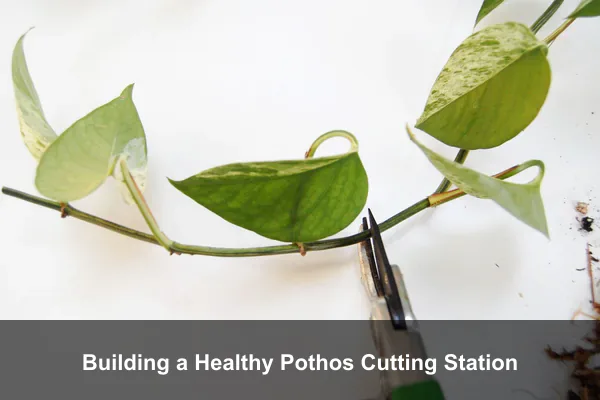
A pothos cutting station does not need to be elaborate. It can be a clean jar near a bright window, a small tray with labeled cuttings, or a simple shelf where new roots can develop before planting. The goal is to create healthy, traceable cuttings that are worth sharing, not to produce as many pieces as possible.
Start with a strong parent plant. Avoid taking cuttings from a pothos that is actively declining, heavily infested with pests, mushy at the roots, or covered in yellowing leaves. Sharing weak cuttings spreads problems and disappoints the recipient. A parent plant should have firm stems, healthy nodes, and at least enough foliage remaining after trimming to keep growing well.
How to Choose a Good Cutting
A useful pothos cutting has at least one node and one healthy leaf. Longer cuttings with two or three nodes often establish more confidently, but very long vines are harder to package and may wilt during transport. Cut below a node with clean scissors or pruners. Remove any leaf that would sit below water or soil, because submerged leaves can rot.
- Choose a healthy vine with firm leaves and visible nodes.
- Clean your scissors or pruners before cutting.
- Cut below a node, leaving one to three nodes per piece.
- Remove lower leaves from the part that will be rooted.
- Place the cutting in clean water or a light potting mix.
- Label the cutting with the plant type and date.
Water rooting is popular because beginners can see the roots develop. Soil rooting can also work well, especially if the recipient will eventually grow the plant in a pot. If rooting in water, refresh the water regularly and use a clean container. If rooting in soil, keep the mix lightly moist, not soggy, and avoid oversized pots that stay wet for too long.
Hygiene and Pest Checks
A good plant-sharing routine includes basic hygiene. Wash jars, inspect leaves, and check the undersides for pests before passing cuttings to someone else. Common issues include mealybugs, scale, spider mites, fungus gnats, and root rot. If you see sticky residue, cottony clusters, fine webbing, or crawling insects, pause the sharing plan until the plant is treated and stable.
Quarantine is also useful. Keep new or freshly rooted cuttings separate from other houseplants for a short observation period. This is especially important if the cuttings came from a public swap or unknown source. Pothos is tough, but pests can move from one plant to another quickly in crowded indoor collections.
When a Cutting Is Ready to Share
A cutting is easier to gift when it has visible roots, firm leaves, and no signs of rot. For water-rooted pothos, several roots that are a few inches long are usually enough for potting. For soil-rooted cuttings, gentle resistance when tugged lightly can suggest root development. Do not rush. A cutting with no roots may still survive, but a rooted cutting is more encouraging for beginners.
Plant Swaps and Gifting With Pothos
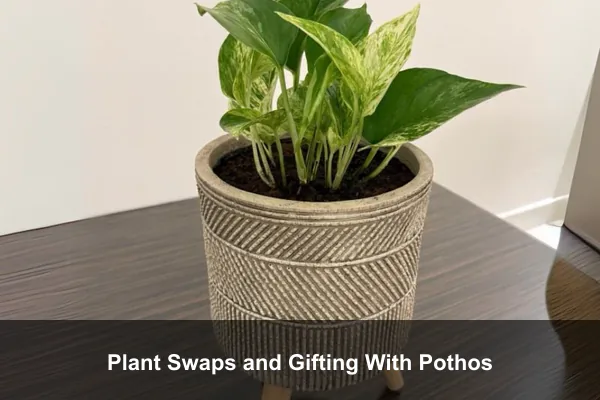
Pothos is one of the best plants for swaps because it is familiar, adaptable, and easy to explain. Still, thoughtful gifting matters. A cutting should arrive with enough information for the recipient to succeed. A simple label can prevent common mistakes, reduce anxiety, and turn a small plant into a useful learning experience.
For community swaps, group cuttings by type if you know the cultivar. Do not guess names if you are uncertain. It is better to write green pothos or golden pothos type than to attach a collector name that may be wrong. Accuracy builds trust, especially in plant groups where people care about identification.
What to Include on a Pothos Label
A good label does not need to be long. It should give the recipient the most important care details at a glance. If you are sharing several cuttings, consistent labels also make the table look organized and reduce repeated questions.
- Plant name: Pothos, plus cultivar if known.
- Rooting date: helpful for understanding how established the cutting is.
- Light: bright indirect light is best; low light means slower growth.
- Water: let the top layer of soil dry before watering.
- Safety: keep away from pets and children who may chew leaves.
- Origin note: mention whether it came from a home plant, office plant, or swap collection.
Matching Cuttings to Recipients
Not every cutting suits every person. A tiny rooted cutting may be perfect for someone with a desk but frustrating for someone who wants an instant hanging plant. A long vine may be beautiful but awkward for a renter moving frequently. Ask where the recipient plans to keep the plant, how much light the space gets, and whether pets are present.
For beginners, choose a rooted cutting in a small pot with drainage. For experienced plant keepers, an unpotted water-rooted cutting may be acceptable. For offices, choose compact plants that will not trail across shared equipment. For families with pets, recommend a high shelf, hanging planter, or a different pet-safer plant if chewing is likely.
Gift Etiquette for Living Plants
A plant gift should not become an unwanted obligation. Pothos is easy, but it still needs care and safe placement. When gifting it, explain that the plant can be trimmed, moved, or passed on if it no longer fits. This makes the gift feel flexible instead of burdensome. Living greenery is most valuable when it fits the recipient’s real space and habits.
Care Routine That Keeps Shared Pothos Thriving
Once a pothos cutting becomes a potted plant, the care routine should stay simple. Most problems come from overwatering, poor drainage, inadequate light, or a pot that is much too large. A shared pothos plant does not need complicated care products. It needs observation and consistency.
Watering Without Guesswork
Water pothos when the top part of the potting mix feels dry. In a small pot, that may happen quickly. In a larger or cooler room, it may take longer. Do not water only because a calendar says it is time. Lift the pot, touch the soil, and look at the leaves. Limp leaves can mean the plant is thirsty, but limp leaves in wet soil can mean root stress, so always check the mix first.
Use a pot with drainage holes whenever possible. Decorative cachepots are fine if the nursery pot can be removed for watering and allowed to drain fully. Pothos roots need moisture and air. Constantly wet soil can suffocate roots and lead to yellow leaves, black stems, or a sour smell.
Soil and Container Choices
A general indoor potting mix works for pothos if it drains reasonably well. If the mix feels heavy, adding perlite, orchid bark, or another airy amendment can improve structure. The container should be only slightly larger than the root system. A tiny cutting in a large pot often stays wet too long, which increases the risk of rot.
Light and Fertilizer Basics
Bright indirect light produces fuller growth, stronger variegation, and more frequent new leaves. Low light can keep pothos alive, but growth becomes slower and vines may stretch. Fertilizer can help during active growth, but more is not better. Use a balanced houseplant fertilizer at a modest strength during the growing season, and reduce feeding when growth slows.
Keeping the Plant Full Over Time
Shared pothos plants often begin as one or two cuttings. To create a fuller pot, plant several rooted cuttings together or trim long vines and root the trimmed pieces back into the same container. This approach keeps the plant compact and attractive without needing a new purchase. It also teaches the cycle that makes pothos so useful: grow, trim, root, share, and renew.
Common Problems in Newly Shared Pothos
Newly shared pothos plants can struggle when they move from one environment to another. A cutting that rooted in a bright kitchen may slow down in a dim bedroom. A plant from a humid home may wilt in an air-conditioned office. Some adjustment is normal, especially during the first few weeks.
Yellow Leaves After Potting
One or two yellow leaves after transfer may simply be adjustment stress. Remove yellow leaves and check the soil. If the soil is soggy, reduce watering and improve drainage. If the plant is dry and the pot feels light, water thoroughly and let excess water drain. Repeated yellowing usually points to watering imbalance, root damage, or insufficient light.
Rotting Stems or Cloudy Water
Rotting cuttings often come from submerged leaves, dirty jars, low light, or old water. Remove mushy sections immediately. Keep only firm green stem and healthy nodes. Clean the container before restarting. If several cuttings rot in the same jar, separate them so one bad stem does not spoil the rest.
Slow Growth
Slow growth is not always a problem. Pothos may pause after being moved, rooted, or repotted. It also grows more slowly in cooler months or darker rooms. If leaves remain firm and roots look healthy, give the plant time. Improve light gradually rather than moving a stressed plant into harsh direct sun.
Pests From Swaps
Plant swaps are useful, but they can also move pests. Inspect new pothos carefully before placing it near your collection. Wipe leaves, check nodes, and watch for unusual spots or insects. If you suspect pests, isolate the plant and treat it before mixing it with other houseplants. This simple habit protects both the new cutting and the plants you already own.
Sustainable Indoor Value of Pothos
The strongest long-term benefit of pothos is renewal. A plant that can be pruned and propagated becomes a renewable indoor resource. Instead of treating houseplants as disposable decor, pothos encourages a slower and more attentive approach. You can refresh a leggy plant, replace damaged vines, and share extra growth with someone else.
This has practical value for small budgets and small spaces. A single established plant can support multiple rooms over time. A cutting can become a desk plant, a windowsill plant, or a gift for someone who wants to start gardening gently. That makes pothos especially useful in apartments, dorms, shared offices, and homes where people want greenery without complex maintenance.
Pothos also supports observation. Its growth shows how light, watering, temperature, and care habits affect a living plant. For children, students, or new plant owners, a rooted cutting is a simple biology lesson. They can see nodes, roots, leaves, and new shoots develop in real time. This kind of learning is one of the quiet benefits of keeping common houseplants.
Using Pothos in Offices, Classrooms, and Community Spaces
In shared spaces, choose stable containers, clear labels, and safe placement. Avoid trailing vines where people may pull them accidentally. Use shelves, wall planters, or compact pots near bright indirect light. Assign simple care responsibility to one person or a small team so the plant is not watered by everyone at once.
For classrooms or workshops, pothos cuttings can demonstrate plant structure without requiring a garden bed. However, safety still matters. Because pothos is not edible and can irritate the mouth if chewed, it should be handled with supervision in child-focused settings. Wash hands after cutting stems and keep plant material away from snacks and drinks.
How to Build a Simple Pothos Sharing System
If you want to make pothos sharing a regular habit, create a simple system instead of cutting vines randomly. A system protects the parent plant, improves cutting quality, and makes the process easier to repeat. It also prevents the common problem of collecting too many unclaimed cuttings in jars.
- Choose one healthy parent plant: let it grow strongly before taking repeated cuttings.
- Trim with purpose: cut long or sparse vines where pruning will improve the plant’s shape.
- Root in small batches: prepare only as many cuttings as you can label and monitor.
- Track dates: note when cuttings were taken and when roots appeared.
- Pot before gifting when possible: this helps beginners succeed faster.
- Share care notes: include light, watering, drainage, and safety information.
- Retire weak cuttings: compost or discard unhealthy pieces instead of passing problems along.
This approach turns pothos care into a low-waste routine. The parent plant stays attractive, recipients get healthier starts, and the process remains manageable. Over time, you can learn which locations produce the strongest growth and which cuttings adapt best after sharing.
Conclusion
Pothos plant benefits and information become more meaningful when the plant is seen as more than a decorative vine. Pothos is useful because it is adaptable, renewable, easy to propagate, and simple enough for beginners to understand. It can soften indoor spaces, support plant-care learning, and help people share greenery without high cost or complicated equipment.
The key is responsible sharing. Start with a healthy plant, cut below nodes, keep tools and containers clean, label cuttings clearly, and explain basic safety. When pothos is shared with care, one plant can become many small moments of indoor nature: a desk cutting, a housewarming gift, a classroom lesson, a neighborhood swap item, or a greener corner in a shared home.
