
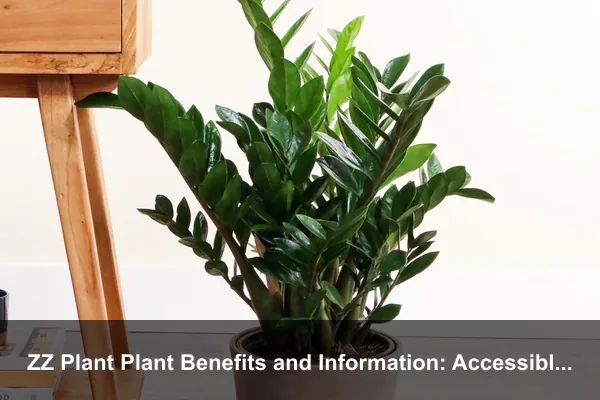
The ZZ Plant is often described as an easy houseplant, but its real value becomes clearer when we look at it through an accessibility lens. For people who want greenery without frequent watering, heavy pruning, messy leaf drop, or complicated seasonal tasks, this plant offers a practical way to enjoy indoor nature with less physical effort and less worry. That makes ZZ Plant plant benefits and information especially useful for beginners, busy households, older adults, renters, and anyone building a calmer indoor routine.
Known botanically as Zamioculcas zamiifolia, the ZZ Plant has glossy upright leaves, thick underground rhizomes, and a slow-growing habit that suits modern homes. It is not a miracle plant, and it should not be treated as medicine, but it can support a more comfortable living space by adding visual freshness, structure, and a manageable care rhythm. This guide focuses on a unique angle: how to use the ZZ Plant for accessible, low-effort indoor gardening while still understanding its care needs, safety considerations, and long-term benefits.
Why the ZZ Plant Fits Accessible Indoor Gardening
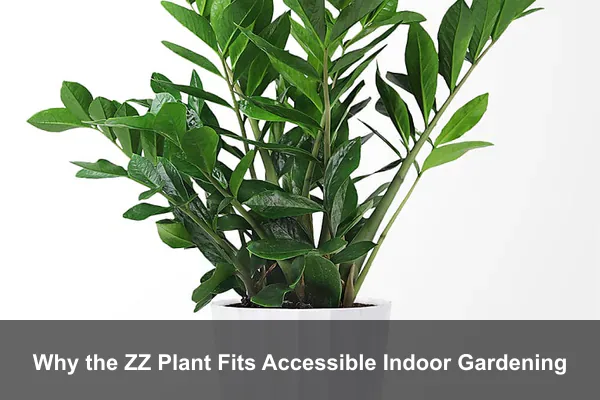
Accessible indoor gardening means choosing plants, pots, and routines that match real human limitations. Not everyone can lift heavy containers, check soil daily, mist delicate foliage, or move plants from room to room as the seasons change. The ZZ Plant fits this approach because it can stay attractive with simple, spaced-out care. Its upright form also makes it easy to view, clean, and inspect without constant repositioning.
The main benefit is not just that the plant survives neglect. A better way to think about it is that the ZZ Plant gives people more flexibility. If someone forgets a watering day, travels for a short period, or has limited energy during a busy week, the plant usually remains stable. This reliability can help beginners build confidence and allow experienced plant owners to create a lower-maintenance indoor collection.
A Plant That Works With Human Routines
Many houseplants demand narrow conditions. Some wilt quickly if watering is late, while others need bright light, high humidity, or constant grooming. The ZZ Plant is more forgiving. Its thick rhizomes store water, so the plant can handle dry intervals better than many tropical foliage plants. This makes it useful in homes where plant care needs to be simple, visible, and repeatable.
Helpful for Small and Shared Spaces
In shared apartments, dorm rooms, offices, and family homes, plants need to fit around people. The ZZ Plant has a tidy silhouette and does not trail across furniture or shed flowers. It can sit near a desk, on a plant stand, beside a cabinet, or in a quiet corner where it adds greenery without taking over the room.
Key ZZ Plant Benefits for Everyday Living
The best ZZ Plant benefits are practical rather than exaggerated. It is beautiful, sturdy, and adaptable, but it should not be sold with unrealistic claims. Like other houseplants, it can contribute to a more pleasant indoor environment, but a single plant will not replace ventilation, cleaning, or good building design. Its real strength is how it supports daily comfort with minimal effort.
- Low care demand: It does not require daily watering, frequent pruning, or complex feeding.
- Strong visual impact: The glossy leaflets reflect light and add a polished, living texture to indoor rooms.
- Space efficiency: Upright stems create greenery without long vines or wide spreading branches.
- Beginner confidence: Its forgiving nature helps new plant owners learn slowly.
- Routine support: Simple care checks can become a calming weekly or biweekly habit.
Visual Calm Without Heavy Maintenance
Many people enjoy plants because they soften hard interiors and make rooms feel less static. The ZZ Plant does this especially well because its leaves are symmetrical, glossy, and architectural. It pairs with quiet interiors, workspaces, bedrooms, and entry areas. For readers interested in manfaat tanaman, or plant benefits, this is one of the most realistic benefits to highlight: plants can improve how a space feels and how people relate to that space.
Cleaner-Looking Rooms With Less Mess
The ZZ Plant is not a flowering display plant, so it does not drop petals. It also grows slowly, meaning there is less frequent trimming and fewer fallen leaves compared with faster-growing indoor species. Dust can collect on the leaflets, but cleaning is usually simple. A soft damp cloth every few weeks can restore shine and help the plant absorb light more effectively.
Botanical Information That Explains Its Easy Care
Understanding basic ZZ Plant information helps owners care for it with more confidence. The plant comes from parts of eastern Africa, where it adapted to seasonal dryness. Indoors, that background explains why it dislikes constantly wet soil and why it can remain stable through periods of low attention.
Rhizomes Are the Plant’s Storage System
Below the soil surface, the ZZ Plant develops thick rhizomes that hold water and nutrients. These structures are one reason the plant can go longer between waterings. They are also the reason overwatering is a common problem. When soil stays wet for too long, the rhizomes and roots can rot. Good care is less about giving more water and more about giving the plant enough time to dry.
Leaves Show Health Slowly
The ZZ Plant communicates slowly. A thirsty plant may not wilt dramatically right away, and an overwatered plant may take time to show yellowing leaves. This slow response is helpful in one sense because the plant does not collapse overnight, but it also means owners should not keep adjusting care every day. Observation, patience, and moderation matter.
Growth Is Steady, Not Fast
A healthy ZZ Plant may produce new shoots during warmer, brighter months, but it is not a fast filler plant. This slow pace is a benefit for accessible gardening because it reduces repotting, trimming, and rearranging. The plant can hold its shape for a long time, making it suitable for people who want dependable greenery rather than constant plant projects.
Low-Effort Setup for Daily Success
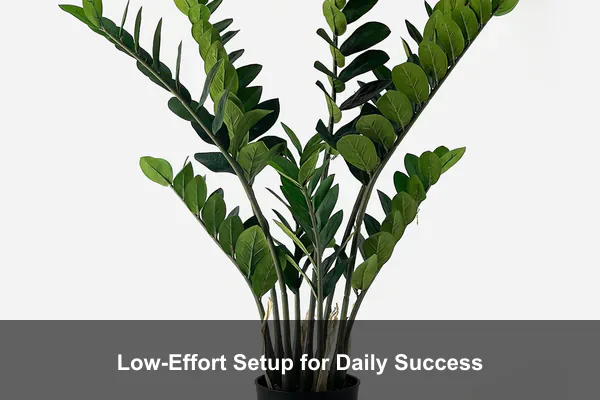
The easiest ZZ Plant care starts before the first watering. A good setup reduces future problems and makes the plant easier to maintain. Think about the weight of the pot, the reachability of the location, and the drainage conditions. A beautiful plant in an awkward place can become hard to care for, while a simple plant in the right spot becomes part of the home routine.
Choose a Pot You Can Manage
For accessible indoor gardening, avoid oversized ceramic pots if they are difficult to lift. A medium nursery pot inside a decorative cachepot can be practical because the inner pot is lighter and easier to remove for inspection. Drainage holes are important. If using a cover pot without holes, make sure extra water is never left sitting at the bottom.
Place It Where Care Is Easy
The ZZ Plant tolerates lower light, but it still benefits from bright, indirect light when available. The best placement is not always the brightest corner. It is the place where the plant receives suitable light and where the owner can reach it safely. Avoid high shelves if watering requires stretching or climbing. A waist-height stand, side table, or sturdy low cabinet is often better.
Use a Simple Soil Mix
A loose, well-draining potting mix is usually enough. Many indoor potting mixes work if they are not dense and soggy. For extra drainage, plant owners can add perlite, pumice, or orchid bark. The goal is a soil structure that holds some moisture but does not stay wet for days and days.
Care Routine: Light, Water, Soil, and Feeding
ZZ Plant care is simple, but simple does not mean careless. The plant does best when the owner follows a consistent routine and avoids overcorrection. The most common mistake is watering too often because the top of the soil looks dry. It is better to check deeper before adding water.
Light Requirements
The ZZ Plant can adapt to low to moderate indoor light, but growth will be slower in dim rooms. Bright indirect light encourages stronger growth and healthier-looking leaves. Direct harsh sun through a hot window can scorch leaves, especially if the plant was previously grown in lower light. If moving it closer to a window, do so gradually.
Watering Tips
Water when the soil has dried significantly. For many homes, that may mean every two to four weeks, but the exact timing depends on pot size, light, temperature, soil mix, and season. Instead of following a strict calendar, use a simple check: feel the soil several centimeters deep or use a moisture meter if bending and digging into soil is difficult.
- Check the soil before watering.
- Water thoroughly until moisture reaches the root zone.
- Let excess water drain away.
- Empty any saucer or cover pot after watering.
- Wait until the mix dries again before repeating.
Feeding and Seasonal Growth
The ZZ Plant is not a heavy feeder. During active growth, a balanced houseplant fertilizer at a diluted strength can be used occasionally. Overfeeding can cause salt buildup in the soil, especially when the plant is watered infrequently. If the plant is in low light and not producing new growth, it usually needs less fertilizer.
Safety and Responsible Indoor Use
Responsible ZZ Plant plant benefits and information must include safety. The plant contains calcium oxalate crystals, which can irritate the mouth, throat, skin, or stomach if chewed or swallowed. It is not a good plant for curious pets or young children who may bite leaves. This does not mean the plant is dangerous to have in every home, but placement matters.
Keep the plant out of reach of pets and children. Wear gloves if you have sensitive skin and need to divide or repot the plant. Wash hands after handling broken stems, rhizomes, or sap. Do not use any part of the ZZ Plant for food, tea, herbal remedies, or skin treatments. Its value is ornamental and practical, not edible or medicinal.
Air Quality Claims Should Stay Realistic
Houseplants are often promoted as natural air purifiers. While plants can interact with air in controlled studies, normal homes are more complex. A ZZ Plant can be part of a fresher-feeling room, but it should not be treated as a replacement for ventilation, dust control, humidity management, or removing pollution sources. Honest advice builds trust and helps readers make better choices.
Troubleshooting Without Overreacting
Because the ZZ Plant changes slowly, troubleshooting should be careful and measured. One yellow leaf does not always mean disaster. A single older leaf may naturally decline, especially if the plant is adjusting to a new space. Look for patterns before changing the care routine.
Yellow Leaves
Yellowing leaves are often linked to too much water, especially if the soil is damp and the stems feel soft. Check drainage first. If the pot has no drainage holes or the plant sits in water, correct that before adding fertilizer or moving it around. If the soil smells sour or the rhizomes are mushy, root problems may be present.
Wrinkled Stems or Leaflets
Wrinkling can suggest the plant has used some of its stored moisture. If the soil is completely dry and the pot feels light, water thoroughly and then return to a dry-down routine. Avoid giving tiny sips too often, because shallow watering may not reach the roots properly.
Leaning Growth
Stems may lean toward light or bend if the plant is crowded. Rotate the pot occasionally for even growth. If the plant is very top-heavy, consider a heavier cachepot or a wider base, but avoid moving to a much larger soil volume unless the roots truly need more space.
Styling Ideas for Accessible Homes
The ZZ Plant works well in interiors because it has a clean shape and a strong leaf shine. For accessible styling, beauty should support function. The plant should not block walking paths, doorways, wheelchair movement, or frequently used surfaces. It should be visible without becoming an obstacle.
- Entry table: Adds greenery near the door without needing daily care.
- Desk corner: Creates a quiet visual break beside screens and work tools.
- Bedroom cabinet: Brings plant texture to a restful room, as long as pets cannot reach it.
- Living room side table: Offers structure beside lamps, books, or neutral decor.
- Care station: Place it near a small tray with a cloth, watering can, and moisture meter for easy maintenance.
Use Contrast for Better Visibility
For people with reduced vision, the dark green leaves may be easier to see against a light wall or pale pot. A stable plant stand with a visible edge can also help prevent bumps. Avoid placing dark pots on dark floors in narrow walkways.
Group With Similar Care Plants
If you keep several plants, group the ZZ Plant with other low-water houseplants rather than moisture-loving ferns or delicate tropical plants. Similar care needs reduce confusion and make watering rounds easier. Labeling pots with simple care notes can also help in shared households.
Buying and Long-Term Value
A good ZZ Plant can last for years indoors when given appropriate care. This makes it a strong value plant, especially for people who want one dependable houseplant rather than a rotating collection. When buying, look for firm stems, glossy leaves, and a pot that is not waterlogged. Avoid plants with mushy bases, sour-smelling soil, or widespread yellowing.
Size matters. A large specimen gives instant impact but may be heavy and expensive. A smaller plant is easier to carry, repot, and place. Because the ZZ Plant grows slowly, choose a size that fits your space now rather than expecting rapid transformation.
When to Repot
Repot only when needed. Signs include roots circling tightly, rhizomes pressing against the pot, soil drying too quickly, or the plant becoming unstable. Move up just one pot size. Too much extra soil can stay wet longer than the roots can use, which increases the risk of rot.
Propagation With Patience
The ZZ Plant can be propagated by division or leaf cuttings, but it takes time. Division is usually more practical when a mature plant has multiple crowns. Leaf cuttings can root, but they are slow and require patience. For accessible gardening, propagation should be optional, not a requirement for success.
Conclusion
The ZZ Plant is more than a trendy easy-care houseplant. When chosen and placed thoughtfully, it becomes a practical tool for accessible indoor gardening. Its slow growth, water-storing rhizomes, upright form, and polished foliage make it suitable for people who want the benefits of indoor greenery without a demanding routine.
The most important ZZ Plant plant benefits and information are rooted in realism. This plant can make rooms feel calmer, cleaner, and more alive, but it still needs proper drainage, careful watering, safe placement, and occasional observation. If you want a low-maintenance indoor plant that respects your time, space, and energy, the ZZ Plant is one of the most dependable choices for long-term home greenery.
