
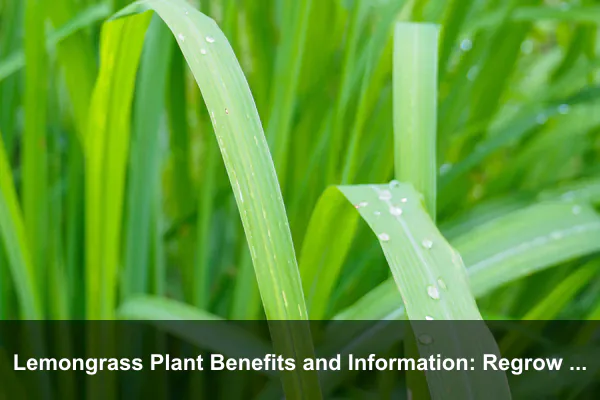
Lemongrass is more than a fragrant herb for soups, teas, and marinades. For home gardeners, it is one of the most practical plants to grow because a single healthy clump can supply fresh stalks, aromatic leaves, garden texture, and useful plant material for months. This guide takes a different angle on Lemongrass plant benefits and information: instead of treating it only as a kitchen herb, it focuses on how to regrow, manage, use, and maintain lemongrass as part of a low-waste household routine.
Known botanically as Cymbopogon citratus, lemongrass is valued in many tropical and subtropical regions, including Southeast Asian home gardens. In the context of manfaat tanaman, or plant benefits, lemongrass stands out because it connects daily cooking, simple wellness habits, natural fragrance, and practical gardening. It is useful, renewable, and easy to understand once you know how the plant grows.
What Makes Lemongrass a Useful Household Plant?
Lemongrass grows in dense clumps of tall, blade-like leaves with firm, pale lower stems. The most aromatic parts are the swollen stalk bases and the leaves, which contain essential oil compounds such as citral. This bright lemon-like scent is why lemongrass is used in food, herbal drinks, soaps, natural home products, and garden borders.
The key benefit of growing lemongrass at home is control. Fresh stalks can be harvested only when needed, leaves can be cut for tea or simmering, and old growth can be trimmed back into compost. Instead of buying bundled stalks that may dry out quickly, a home plant gives you a living supply.
Main Practical Benefits
- Fresh culinary flavor: The lower stalk adds citrusy depth to broths, curries, rice dishes, marinades, and herbal drinks.
- Aromatic home value: Leaves release a clean lemon scent when cut, bruised, or simmered.
- Low-waste gardening: Trimmings can be dried, composted, or used as mulch around non-delicate plants.
- Beginner-friendly growth: Lemongrass is forgiving when given sun, warmth, and steady moisture.
- Attractive structure: Its upright grass form adds movement and height to edible gardens and containers.
Regrowing Lemongrass from Store-Bought Stalks
One of the most useful pieces of lemongrass plant information is that healthy fresh stalks can often be regrown. This makes lemongrass ideal for gardeners who want to start small without buying a full nursery plant.
How to Choose Stalks for Regrowing
Look for stalks with firm lower bases, a pale green or white bottom, and no sour smell. If a tiny root plate is still visible at the base, the chance of success is higher. Avoid stalks that are brown, slimy, split, or completely dried out.
Simple Regrowing Steps
- Trim the leaves back to about 6 to 8 inches so the stalk loses less moisture.
- Place the stalk base in a glass with 1 to 2 inches of clean water.
- Set it near bright indirect light, not harsh afternoon sun.
- Change the water every one to two days to prevent odor and rot.
- Once roots reach about 1 to 2 inches, plant the stalk in loose, well-draining soil.
After planting, keep the soil lightly moist while roots settle. New leaf growth is the best sign that the stalk has adapted. Once several new shoots appear, the plant can gradually move into stronger sun.
Smart Placement for Better Growth
Lemongrass is a sun-loving tropical grass. It performs best with at least six hours of direct sunlight per day, though very hot climates may require light afternoon protection in containers. A sunny patio, balcony, kitchen garden edge, or raised bed is usually a good location.
Container or Ground Planting?
Containers are ideal for small spaces, renters, and gardeners in cooler climates. Use a pot with drainage holes and enough width for the clump to expand. In warm regions, ground planting allows lemongrass to become larger and more productive, but the clump should still be managed so it does not crowd nearby herbs.
Soil and Water Basics
Use fertile, well-draining soil that holds some moisture without becoming soggy. Lemongrass likes regular watering, especially in containers, but constant wet roots can cause decline. A practical method is to water deeply when the top inch of soil feels dry.
- Use compost to improve soil texture and gentle fertility.
- Mulch lightly to reduce moisture loss in hot weather.
- Avoid heavy clay soil unless amended for drainage.
- Reduce watering during cool or slow-growth periods.
Using Lemongrass Without Wasting the Plant
A low-waste lemongrass routine means using different parts of the plant appropriately. The thick lower stalk is best for cooking, while the long leaves are excellent for infusions, steaming, and aromatic household uses.
Lower Stalks for Cooking
The tender lower portion can be sliced, crushed, or minced. Tough outer layers may be removed and saved for simmering in broth. For smoother dishes, use lemongrass in large crushed pieces and remove them before serving, or mince only the tender inner core very finely.
Leaves for Tea and Aroma
Fresh or dried leaves can be steeped as a simple herbal drink. They can also be simmered with ginger, citrus peel, or pandan for a fragrant kitchen aroma. Use clean, pesticide-free leaves only, and rinse them before use.
Trimmings for the Garden
Old leaves are often too fibrous to eat, but they do not need to be wasted. Chop dry leaves before composting so they break down faster. In small amounts, dry lemongrass cuttings can also be used as coarse mulch around established garden plants.
Wellness Value and Safety Notes
Lemongrass is commonly associated with calm, freshness, and digestive comfort, but it should be presented responsibly. As food and herbal tea, it can be part of a pleasant routine. It should not be described as a cure for illness, and concentrated lemongrass essential oil needs extra caution.
Safe Everyday Use
- Use culinary amounts in food and mild tea unless advised otherwise by a healthcare professional.
- Avoid drinking very strong lemongrass preparations every day for long periods.
- People who are pregnant, nursing, taking medication, or managing chronic health conditions should ask a qualified professional before using medicinal amounts.
- Keep essential oils away from children and pets unless guided by a trained professional.
- Never apply undiluted lemongrass essential oil directly to skin.
For home fragrance, simmering fresh leaves is gentler than using concentrated oil. If using essential oil, follow dilution guidance and patch test carefully because skin irritation is possible.
Seasonal Care and Clump Management
A productive lemongrass plant benefits from periodic trimming. Remove brown, dry, or damaged leaves at the base with clean scissors. Harvest stalks from the outside of the clump, leaving the central shoots to keep growing.
Dividing an Overgrown Clump
When lemongrass becomes crowded, division keeps it vigorous. Lift the clump, separate sections with roots attached, and replant the healthiest pieces. Water well after division and keep the plant protected from severe stress for several days.
Cool-Weather Protection
Lemongrass dislikes frost. In cooler climates, grow it in a container that can be moved indoors before cold nights arrive. Place it near the brightest window available, reduce watering, and expect slower growth until warmth returns.
Common Problems and Quick Fixes
Most lemongrass problems come from poor light, poor drainage, cold weather, or neglect. The plant is resilient, but its signals are easy to read.
- Yellow leaves: Often caused by overwatering, low nutrients, or old growth that needs trimming.
- Weak, floppy growth: Usually means the plant needs more sunlight.
- Dry brown tips: Can happen from underwatering, wind, heat stress, or a root-bound pot.
- Rotting base: A sign of soggy soil or waterlogged containers.
- Slow growth: Common in cool temperatures or after transplanting.
The best fix is usually simple: increase light, improve drainage, refresh the soil, and trim away tired growth. Avoid overcorrecting with too much fertilizer, because lush weak growth may be less flavorful and more prone to stress.
Conclusion
The best way to understand Lemongrass plant benefits and information is to see the plant as a renewable household resource. It offers fresh flavor, clean aroma, attractive garden structure, and useful plant material that fits naturally into a low-waste lifestyle.
By regrowing healthy stalks, placing the plant in strong light, harvesting outer stems, using leaves thoughtfully, and following basic safety guidelines, lemongrass becomes more than a single-use herb. It becomes a practical, fragrant, and rewarding plant for kitchens, balconies, patios, and warm home gardens.
