
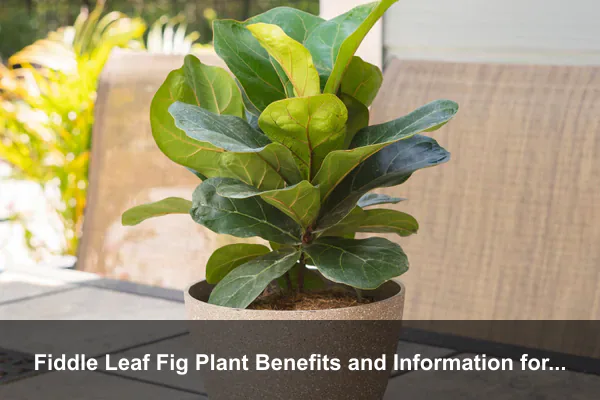
The Fiddle Leaf Fig is one of the most recognizable indoor plants, known for its large violin-shaped leaves, sculptural height, and ability to make a room feel more polished. But beyond its dramatic look, this plant offers practical benefits for people who want a greener, calmer, and more intentional home environment.
This guide explores Fiddle Leaf Fig plant benefits and information from a fresh angle: how this statement houseplant supports indoor styling, mindful routines, humidity awareness, and better plant care habits. Instead of treating it only as decor, you can use the Fiddle Leaf Fig as a living indicator of light, watering balance, and room comfort.
Why the Fiddle Leaf Fig Is More Than a Decorative Plant
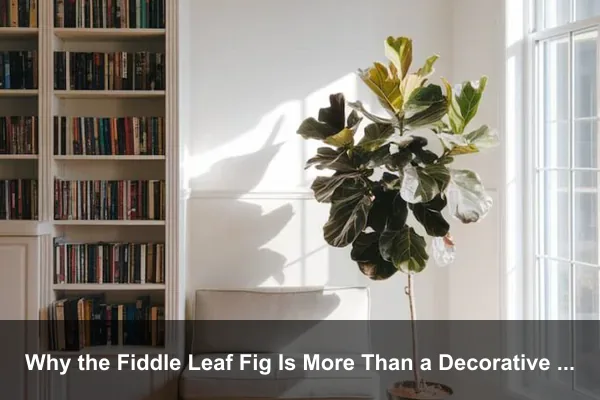
The Fiddle Leaf Fig, botanically known as Ficus lyrata, is native to tropical regions of western Africa. Indoors, it is loved for its upright form and broad leaves that create instant visual impact without needing flowers or colorful foliage.
Its biggest advantage is presence. A healthy Fiddle Leaf Fig can soften empty corners, add height beside furniture, and bring a natural focal point into modern homes. For people interested in Manfaat Tanaman, or plant benefits, this species is valuable because it combines beauty, routine, and environmental awareness in one plant.
Key Fiddle Leaf Fig Plant Benefits
While the Fiddle Leaf Fig is not a medicinal herb or edible plant, it still offers meaningful lifestyle and home benefits. These benefits are especially useful for apartment dwellers, home office users, and anyone building a more relaxing indoor space.
It Adds Strong Natural Structure to Interior Design
The large leaves and upright growth make this plant ideal for rooms that need height and balance. It works well near sofas, reading chairs, entryways, and bright dining areas. Unlike small tabletop plants, a Fiddle Leaf Fig can visually anchor a room.
It Encourages a Calmer Daily Routine
Plant care can support mindfulness because it asks you to slow down and observe. Checking soil moisture, rotating the pot, wiping leaves, and noticing new growth are simple habits that help create a more grounded home rhythm.
It Helps You Read Indoor Conditions
One unique benefit of the Fiddle Leaf Fig is that it responds clearly to its environment. Drooping leaves, brown edges, leaning growth, or leaf drop can signal changes in light, watering, temperature, or humidity. In this way, it becomes a natural feedback tool for your indoor space.
- Leaning growth often suggests light is stronger from one direction.
- Brown leaf edges may point to inconsistent watering, low humidity, or stress.
- Yellowing leaves can indicate overwatering or poor drainage.
- Slow growth may mean the plant needs brighter indirect light.
Best Placement for a Healthy Fiddle Leaf Fig
Placement is one of the most important parts of Fiddle Leaf Fig care. This plant prefers bright, indirect light and a stable environment. It dislikes sudden changes, cold drafts, and dark corners.
Choose Bright Indirect Light
A spot near an east-facing window or a few feet from a bright south or west-facing window is often ideal. Direct afternoon sun can scorch leaves, while too little light can cause weak growth and leaf drop.
Avoid Drafts and Heat Stress
Do not place the plant directly beside air conditioners, heaters, open windows, or frequently used doors. Temperature swings can stress the plant and cause leaves to fall.
Rotate the Pot Regularly
Because the Fiddle Leaf Fig grows toward light, rotating the pot every one to two weeks helps maintain balanced growth. This small habit keeps the plant upright and prevents one-sided stretching.
Watering and Soil Information for Long-Term Success
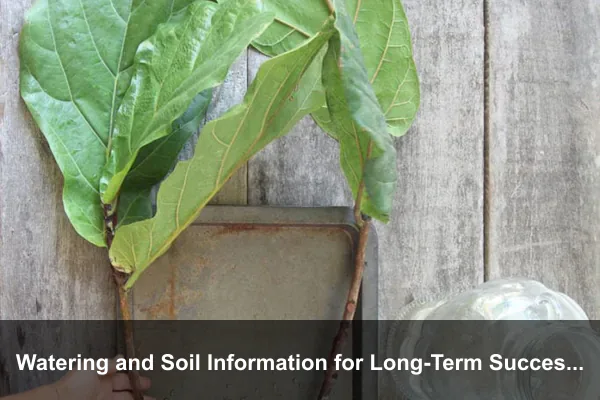
Many Fiddle Leaf Fig problems begin with watering. The plant prefers a balanced approach: not constantly wet, but not completely neglected. The goal is to water deeply, then allow the upper part of the soil to dry before watering again.
Simple Watering Method
- Check the top 2 inches of soil with your finger.
- Water only when that top layer feels dry.
- Pour water evenly until excess drains from the bottom.
- Empty the saucer so roots do not sit in water.
- Wait and observe before watering again.
Use a pot with drainage holes and a loose, well-draining potting mix. A mix designed for indoor tropical plants, with ingredients such as perlite, bark, or coco coir, can help prevent root problems.
Leaf Care, Cleaning, and Plant Health
The large leaves of the Fiddle Leaf Fig collect dust easily. Dust blocks light from reaching the leaf surface and can make the plant look dull. Cleaning the leaves is both a care task and a visual upgrade.
How to Clean the Leaves
Wipe each leaf gently with a soft damp cloth. Support the underside of the leaf with your hand to avoid tearing. Avoid heavy leaf shine products because they can clog pores and leave residue.
When to Prune
Pruning helps control height and shape. Remove damaged leaves with clean scissors or pruning shears. If the plant grows too tall, trimming the top can encourage branching, but do this during the active growing season for better recovery.
Common Problems and What They Mean
The Fiddle Leaf Fig has a reputation for being dramatic, but most issues are easy to understand once you connect symptoms with causes. The plant often reacts to sudden changes rather than ordinary care.
Leaf Drop
Leaf drop can happen after moving the plant, changing watering habits, or exposing it to cold air. If the roots are healthy and the environment becomes stable again, the plant may recover.
Brown Spots
Brown spots can come from overwatering, underwatering, sunburn, or fungal issues. Check soil moisture first. Wet soil with brown spreading spots may suggest root stress, while crispy edges often suggest dryness or low humidity.
Leggy Growth
Long spaces between leaves usually mean the plant needs more light. Move it gradually to a brighter place instead of making a sudden extreme change.
Safety Information for Homes With Pets and Children
The Fiddle Leaf Fig is not considered pet-safe. Its sap contains compounds that can irritate the mouth, skin, and digestive system if chewed. Keep it away from curious cats, dogs, and young children.
If you have pets that chew plants, place the Fiddle Leaf Fig in a room they cannot access or choose a safer plant option. Handling the plant during pruning may also release milky sap, so washing your hands afterward is recommended.
How to Use a Fiddle Leaf Fig in Small and Modern Homes
You do not need a large house to enjoy this plant. A compact Fiddle Leaf Fig can work in apartments, studios, and home offices when placed with intention.
- Use a tall narrow pot to save floor space.
- Place it beside a window instead of in a walkway.
- Choose one strong plant rather than crowding many large plants together.
- Pair it with neutral furniture, woven baskets, or simple ceramic planters.
- Keep nearby surfaces uncluttered so the leaves remain the visual focus.
For a workspace, the Fiddle Leaf Fig can create a more natural background for video calls and make the room feel less rigid. Its bold shape brings energy without requiring constant rearrangement.
Conclusion
The best way to understand Fiddle Leaf Fig plant benefits and information is to see this plant as both decor and a living guide to your indoor environment. It adds height, beauty, and calm structure, while also teaching you to notice light, water, humidity, and seasonal changes.
If you can provide bright indirect light, steady watering, good drainage, and a stable location, the Fiddle Leaf Fig can become a long-lasting feature in your home. It may need attention, but that attention is part of its value: it turns plant care into a practical, mindful habit that improves the feeling of your space.
