
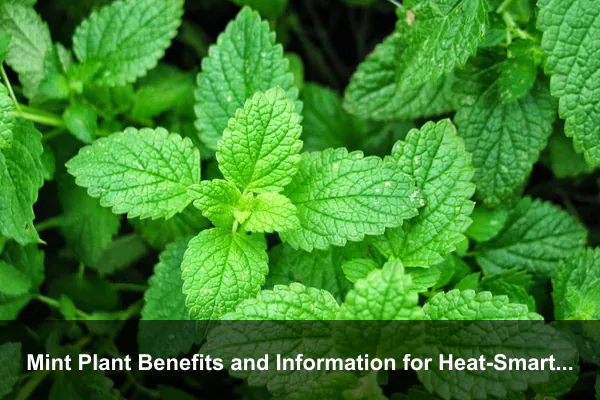
Mint is one of the most useful herbs for people who want a plant that looks fresh, grows quickly, and earns its place in daily life. Most people know it as a garnish or a tea ingredient, but the real value of mint is broader than that. This guide takes a distinct, heat-smart angle on mint plant benefits and information: how to use mint as a refreshing household herb for warm weather, outdoor dining, easy container growing, and practical home comfort without exaggerating its health claims.
Mint can be a generous plant, but it is also energetic. When it is planted without planning, it can spread aggressively through runners and crowd nearby plants. When it is grown in the right container, placed where it can be harvested often, and watered with a steady routine, mint becomes a reliable source of cooling flavor, fragrance, and green texture. The following guide explains the benefits, care basics, safe uses, and realistic expectations that help you enjoy mint responsibly.
Mint Plant Benefits and Information at a Glance
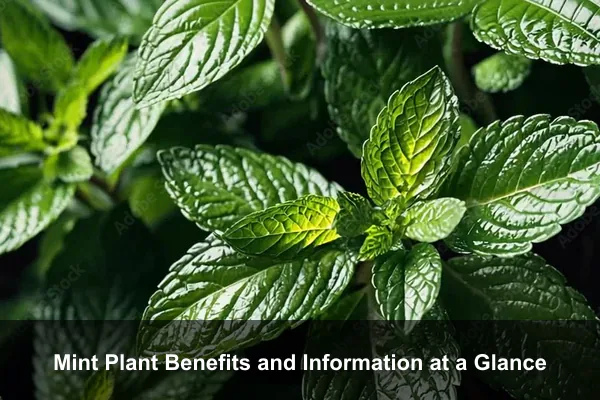
Mint belongs to the Mentha genus in the Lamiaceae family, the same broad family that includes basil, rosemary, oregano, thyme, and lavender. Mint plants usually have square stems, opposite leaves, and a clean aroma released when the leaves are touched, crushed, or cut. Depending on the variety, the scent may be sweet, sharp, peppery, fruity, or cool.
The most important thing to understand about mint is that its benefits come from both its plant chemistry and its growth habit. Aromatic compounds such as menthol, menthone, carvone, and related volatile oils give mint its recognizable scent and flavor. At the same time, its fast growth makes it easy to harvest small amounts often, which is useful for home cooks, beginner gardeners, and anyone who wants a living herb close to the kitchen.
- Refreshing flavor: Mint adds a cool, clean taste to drinks, salads, sauces, fruit, and savory dishes.
- Fast harvests: Once established, mint can be clipped repeatedly through the growing season.
- Container value: It grows well in pots, making it easier to manage its spreading roots.
- Sensory benefit: The fragrance and leaf texture make mint pleasant for patios, windowsills, and outdoor tables.
- Pollinator support: If allowed to flower, mint can attract bees and other beneficial insects.
- Beginner-friendly growth: Mint is forgiving when given moisture, light, and regular trimming.
Key botanical facts
Mint is usually grown as a perennial herb in suitable climates, although cold winters, intense heat, or container stress can reduce its vigor. It spreads by underground and surface runners, which is why many gardeners prefer pots or raised containers. The leaves may be smooth, wrinkled, rounded, narrow, bright green, gray-green, or variegated depending on the type.
Spearmint is often preferred for everyday cooking because it has a sweet, gentle flavor. Peppermint is stronger and more cooling, making it popular for desserts and strong herbal preparations. Apple mint, pineapple mint, orange mint, and chocolate mint offer different scent profiles, but they still need similar growing conditions: consistent moisture, drainage, and enough light for dense leaf growth.
Why the variety matters
Choosing the right mint variety makes the plant more useful. A household that mostly makes cold drinks may enjoy spearmint because it blends smoothly with citrus, cucumber, and fruit. Someone who wants a bold aroma may prefer peppermint. A patio grower who values appearance may choose variegated pineapple mint, while a cook who makes sauces may choose a clean spearmint type. The best mint plant is not always the rarest one; it is the one you will actually use and harvest.
Why Mint Is a Heat-Smart Herb for Everyday Homes
Mint is strongly associated with freshness because some of its aromatic compounds create a cooling sensation when they interact with sensory receptors. This does not mean mint magically lowers body temperature or replaces hydration, shade, or medical care during extreme heat. It means mint can make foods and drinks feel cleaner, lighter, and more refreshing, which is valuable in hot seasons and warm climates.
This is where mint becomes more than a kitchen garnish. A small pot near a door, balcony, patio, or outdoor dining area can support better warm-weather routines. When fresh leaves are easy to reach, people are more likely to add them to water, fruit, salads, yogurt, sauces, and simple meals. That convenience is one of the most underrated mint plant benefits and information points for home gardeners.
Refreshing routines without complicated preparation
Mint is useful because it delivers impact in tiny amounts. You do not need a large harvest to improve a glass of water, a bowl of fruit, or a quick sauce. A few leaves can make plain food feel brighter, especially when paired with ingredients that already suit warm weather.
- Add a few bruised leaves to cold water with cucumber or citrus.
- Chop mint into yogurt with a pinch of salt for a simple cooling sauce.
- Mix torn leaves into watermelon, mango, pineapple, or berry bowls.
- Stir mint into grain salads with lemon, olive oil, and fresh vegetables.
- Freeze small leaves in ice cubes for quick drinks and outdoor serving.
- Use mint as a finishing herb on grilled vegetables, peas, potatoes, or lentils.
Outdoor comfort without pest-control myths
Mint smells strong to humans, and the scent can make an outdoor table feel fresher. However, a living mint plant in a pot should not be treated as a complete mosquito or pest-control solution. Crushing leaves may release a stronger aroma for a short time, but it will not replace screens, standing-water control, fans, or proven repellents when pests are a serious problem.
The more realistic benefit is sensory comfort. Mint can soften the feeling of a hot patio by adding green color, leaf movement, and a fresh scent when touched. It also gives guests a useful herb for drinks and meals. That practical role is more dependable than expecting mint to perform like a chemical repellent.
Where to Place Mint for Better Flavor and Easier Harvests
Mint placement should be planned around two questions: where will the plant grow well, and where will you remember to use it? A hidden mint pot at the far edge of the garden may survive, but it will not become part of your routine. A healthy container near a kitchen door, shaded patio, balcony rail, or outdoor sink is more likely to be harvested regularly.
Containers near daily activity
For most homes, containers are the best way to grow mint. Pots keep the roots from spreading through garden beds and make it easier to move the plant when light or heat changes. A pot near a door or outdoor cooking area turns mint into a convenient cut-and-come-again herb. The plant becomes part of daily habits instead of a forgotten corner plant.
Use a container with drainage holes and enough width for surface growth. A pot that is too tiny dries quickly and forces the plant into stress. A wider container, window box, or trough gives the roots more space while still keeping the plant controlled. If you grow more than one mint variety, separate them into different pots so stronger types do not overtake gentler ones.
Morning sun and afternoon shade
Mint can grow in full sun in mild conditions, but hot climates often call for a gentler setup. Morning sun with afternoon shade is ideal in many warm regions because the plant receives enough light for good flavor without being scorched during the hottest part of the day. In very bright apartments, a balcony with filtered light may work better than a fully exposed concrete ledge.
If the plant becomes long, pale, and weak, it may need more light. If the leaves wilt severely every afternoon, develop crispy edges, or lose freshness quickly, it may need more shade, a larger pot, or more consistent moisture. Mint communicates through leaf texture and stem growth, so check the plant often instead of following a rigid rule.
Indoor windowsill growing
Mint can be grown indoors, but it performs best when it receives bright light and airflow. A windowsill with several hours of bright indirect light or gentle morning sun can support small harvests. Indoor mint often becomes leggy if light is weak, so regular pinching is important. Rotate the pot every few days to keep growth even, and avoid placing it directly above hot appliances or air-conditioning drafts.
Soil, Water, and Container Care for Vigorous Mint
Mint likes soil that stays lightly moist but not waterlogged. This balance matters because the plant is thirsty, yet roots still need oxygen. Dense soil that holds too much water can cause sour smells, yellow leaves, fungus problems, and root decline. Soil that dries too fast leads to limp stems and harsh-tasting leaves.
- Choose a pot with drainage: Drainage holes are essential, especially in rainy or humid climates.
- Use a loose potting mix: A quality container mix with compost and aeration materials works better than compact garden soil.
- Add organic matter: Compost supports steady growth without forcing weak, watery stems.
- Water deeply: Moisten the root zone, then let excess water drain away.
- Refresh the plant: Trim regularly and divide crowded roots when growth slows.
Watering rhythm
Mint needs more water than many woody Mediterranean herbs, but daily watering is not always the answer. The best rhythm depends on pot size, heat, wind, sunlight, and soil mix. Check the top layer of soil with your finger. If the top feels dry and the pot feels light, water thoroughly. If the soil is still wet and heavy, wait.
In hot weather, containers may dry quickly, especially on balconies, paved patios, or windy ledges. A larger pot, light mulch, or a saucer that is emptied after watering can reduce stress. Avoid leaving mint permanently sitting in stagnant water, because constantly soaked roots are more vulnerable to rot.
Feeding without losing flavor
Mint does not need heavy fertilizing to be useful. Too much nitrogen can produce lush growth with weaker flavor and softer stems. A modest compost top-dressing or diluted balanced fertilizer during active growth is usually enough. If the plant is growing strongly and the leaves look healthy, do not feed just because a schedule says to.
Regular pruning is often more important than fertilizer. Cutting stems encourages branching, keeps the plant compact, and delays flowering. If mint flowers, the leaves are still usable, but flavor may change and the plant may become less leafy. You can let a section flower for pollinators while keeping another section trimmed for kitchen harvests.
Signs of heat stress
Mint can look dramatic when it is thirsty or overheated. Midday wilting does not always mean the plant is dying, but repeated stress weakens growth. Look for limp stems, dry edges, dull leaves, and soil pulling away from the pot. Move the container into brighter shade, water deeply, and trim damaged stems so the plant can recover.
Harvesting Mint for Maximum Benefit
The best mint harvest is regular, moderate, and clean. Instead of stripping random leaves from every stem, cut just above a leaf node. This encourages two new side shoots to grow, making the plant fuller over time. Harvesting this way turns mint care into a simple cycle: grow, clip, branch, repeat.
Cut-and-come-again technique
- Choose stems that are at least several inches long and have multiple leaf pairs.
- Use clean scissors or pinch with clean fingers just above a node.
- Remove any yellow, damaged, or pest-marked leaves.
- Rinse leaves gently only when you are ready to use them.
- Allow the plant time to regrow before cutting the same section heavily again.
For a fuller plant, harvest stem tips instead of only plucking the largest leaves. Tip harvesting prevents tall, bare stems and keeps new growth close to the pot. If you need a larger harvest, cut no more than about one-third of the plant at a time unless you are intentionally renovating an overgrown pot.
Best time to pick mint in warm weather
Morning is usually the best time to harvest mint. The leaves are hydrated, the sun is less intense, and the flavor is often cleaner. During extreme heat, avoid harvesting from a wilted plant in the afternoon. Water first, let the plant recover, and cut later when the stems are firm again.
Freshly cut mint is most fragrant when used soon after harvest. If you need to hold it for a short time, place stems in a glass of water like a small bouquet or wrap lightly in a damp towel and refrigerate. Handle leaves gently because bruising releases aroma quickly and can make the leaves darken.
Practical Mint Uses for Food, Drinks, and Home Comfort
Mint plant benefits become real when the plant solves small everyday problems. It can make plain water more appealing, brighten simple meals, add a fresh note to outdoor serving, and give a home gardener a quick sense of reward. The goal is not to turn mint into a miracle plant, but to use it often enough that the pot earns its space.
Cooling drink ideas
Fresh mint pairs well with water, lime, lemon, cucumber, berries, melon, and tropical fruits. For a stronger flavor, gently slap or bruise the leaves before adding them to a cold drink. Avoid crushing them into a bitter paste unless the recipe calls for it. Mint can also be added to sparkling water, iced herbal blends, smoothies, or homemade fruit coolers.
For outdoor gatherings, place a small bowl of freshly cut mint near drinks so people can add leaves as they like. This creates a useful serving station and reduces waste because leaves are picked close to serving time. It also makes the plant part of the experience rather than just a background decoration.
No-cook food pairings
Mint is excellent in no-cook dishes because its flavor stays bright. It balances rich yogurt, salty cheese, sweet fruit, earthy legumes, and spicy foods. Try it with cucumber salad, chickpea salad, tomato dishes, cold noodles, rice bowls, or fresh spring rolls. It also works with parsley, cilantro, basil, dill, and chives when you want a layered herb flavor.
For a quick sauce, chop mint with yogurt, lemon juice, salt, and a little grated cucumber. For a brighter fruit bowl, tear mint leaves over melon or pineapple just before serving. For a savory plate, add mint at the end rather than cooking it for a long time, because extended heat reduces its fresh aroma.
Aromatic home uses
Mint can be used in small home routines that rely on fragrance and freshness. A bowl of clipped stems can scent a table for a short time. Leaves can be added to a foot soak after a long hot day, as long as the skin is not irritated and essential oils are not used undiluted. Mint stems can also be tied into small bundles for the kitchen sink area, where the scent is released when the leaves are touched.
These uses are simple, temporary, and realistic. Fresh mint aroma fades as leaves dry or wilt, so replace stems often and compost spent material. Avoid rubbing large amounts of mint on sensitive skin, children, or pets, and remember that fresh leaves are much milder than concentrated essential oil.
Safety, Pets, and Realistic Wellness Expectations
Mint is widely used as a culinary herb, and small food amounts are suitable for many people. Still, safe use matters. Peppermint and other strong mints may bother some people with reflux, heartburn, or sensitive digestion. People who are pregnant, nursing, managing medical conditions, or giving herbs to children should be cautious and seek professional guidance when needed.
- Use leaves as food first: Culinary amounts are different from medicinal doses or concentrated extracts.
- Be careful with essential oil: Mint essential oil is highly concentrated and should not be treated like fresh leaves.
- Watch pets: Do not let cats or dogs chew large amounts of mint, and keep essential oils away from them.
- Avoid eye contact: Crushed mint can irritate eyes and sensitive skin.
- Respect allergies: Stop using mint if it causes irritation or discomfort.
What mint can and cannot do
Mint can support enjoyable hydration habits, add flavor without much sugar or salt, and make warm-weather meals feel fresher. It can also provide a calming gardening ritual because it responds quickly to care. However, mint is not a cure for disease, not a substitute for medical treatment, and not a guaranteed indoor air purifier or pest shield.
Good SEO content about mint should be honest about these limits. The strongest benefits are practical: fast harvest, refreshing flavor, flexible use, attractive growth, and easy propagation. Those benefits are enough to make mint valuable without relying on exaggerated promises.
Troubleshooting Mint in Warm Seasons
Mint is resilient, but warm weather can expose care problems quickly. Most issues are connected to water, light, crowding, or airflow. Because mint grows fast, it can often recover if you correct the problem early.
- Wilting every afternoon: The pot may be too small, too exposed, or drying too quickly. Move it to afternoon shade and water deeply.
- Yellow lower leaves: Check for overwatering, poor drainage, or old crowded stems that need trimming.
- Leggy growth: Increase light gradually and pinch the tips to encourage branching.
- Brown crispy edges: Heat, dry wind, or irregular watering may be stressing the leaves.
- Weak flavor: Provide more light, avoid overfeeding, and harvest younger growth.
- Leaf spots or mildew: Improve airflow, avoid wetting leaves late in the day, and remove affected stems.
- Roots filling the pot: Divide the plant, refresh the soil, or move one section into a new container.
Renovating an overgrown mint pot
If mint becomes woody, tangled, or tired, renovation can restore it. Cut the plant back to a few inches, remove dead stems, slide the root ball from the pot, and divide healthy sections. Replant the strongest pieces into fresh potting mix and water well. Keep the renewed plant in bright shade for several days while it adjusts.
This process may look severe, but mint usually responds well when roots and stems are healthy. Renovation is also a good time to share divisions with neighbors or start a second pot for another location.
Sustainable Mint Habits for Long-Term Value
Sustainable mint growing begins with containment. Because mint can spread aggressively, avoid planting it directly into open garden beds unless you are prepared to manage it. A pot, raised planter, or contained trough gives you the benefits without creating a long-term weed problem. This is especially important near natural areas, vegetable beds, or small ornamental gardens.
Use extra growth wisely
Mint often produces more stems than one household needs. Instead of letting the plant become crowded, harvest and use extra growth in practical ways. Share fresh bunches, freeze leaves in ice cubes, make simple herb vinegar, add small amounts to compost, or propagate cuttings for friends. Cutting regularly keeps the mother plant healthier and reduces waste.
When composting mint, avoid tossing live runners into places where they may root. Let trimmings dry first or use a managed compost system. If your climate allows mint to root easily, be extra careful with discarded stems after pruning.
Balance harvests with flowers
If you want both kitchen leaves and pollinator value, manage the plant in sections. Keep one part trimmed for tender leaves and allow another part to flower. Mint flowers are small, but they can be useful to beneficial insects. After flowering, cut stems back to refresh the plant and prevent it from becoming too woody.
This balanced approach turns mint into a multi-purpose herb: useful for people, attractive to insects, and manageable in a small space. It also supports a more thoughtful version of plant benefits, where the value of the plant includes flavor, care experience, and ecological awareness.
Conclusion
Mint deserves its popularity because it is practical, aromatic, fast-growing, and easy to bring into daily routines. The best way to understand mint plant benefits and information is to see the plant as a heat-smart household herb: a source of cooling flavor, patio freshness, quick harvests, and beginner-friendly gardening satisfaction.
Grow mint in a container, give it steady moisture and bright gentle light, harvest it often, and keep its spreading roots under control. Use it honestly as a culinary and sensory plant rather than a miracle cure. With that approach, mint becomes a dependable herb for warm days, fresh meals, outdoor comfort, and a greener home routine.
