
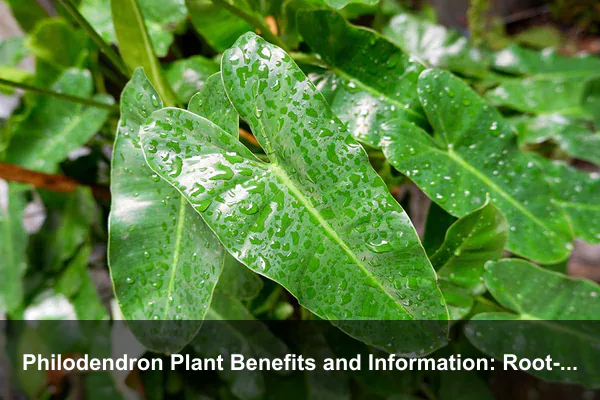
Philodendron plant benefits and information often focus on attractive leaves, easy care, and indoor styling, but one of the most useful ways to understand this houseplant is from the roots upward. A healthy philodendron is not just a pretty tropical plant in a pot. It is an aroid with underground roots, aerial roots, flexible stems, and leaf growth that responds quickly to light, moisture, support, and potting conditions.
This guide takes a root-smart approach to philodendron care so you can enjoy the plant’s benefits without guessing. Whether you grow a heartleaf philodendron on a shelf, a climbing variety on a moss pole, or a compact self-heading type beside a window, the same principle applies: good roots create better leaves, stronger growth, easier watering, and a more reliable indoor plant routine.
What Makes Philodendron Different From Ordinary Houseplants
Philodendron belongs to the Araceae family, a group of plants often called aroids. Many popular indoor plants are aroids, but philodendrons stand out because they are adaptable, expressive, and available in many growth forms. Some trail gracefully from shelves, some climb when given support, and others form upright clumps with bold leaves.
A Tropical Plant Built for Flexible Growth
In nature, many philodendrons grow beneath forest canopies where light is filtered and humidity is steady. Some use trees for support, producing aerial roots that help them grip surfaces and reach brighter conditions. Indoors, this explains why a philodendron can tolerate moderate light yet often grows larger, stronger leaves when it receives bright indirect light and a suitable support structure.
Why Root Health Matters So Much
Philodendrons are forgiving, but they are not immune to poor potting conditions. A dense, soggy mix can suffocate roots, while a bone-dry pot can slow growth and cause limp leaves. The best care routine starts with a loose, airy potting mix, a container with drainage, and watering based on actual soil moisture rather than a fixed calendar.
Key Philodendron Plant Benefits for Indoor Living
The main benefits of philodendron plants come from their visual comfort, adaptability, and ease of integration into everyday spaces. They are not miracle plants, and they should not be promoted with exaggerated health claims. Their real value is practical: they make rooms feel calmer, soften hard interiors, and give beginners a living plant that communicates clearly through its leaves.
- Visual softness: Broad or heart-shaped leaves add natural texture to shelves, corners, desks, and plant stands.
- Adaptable placement: Many varieties handle bright indirect light and moderate indoor conditions well.
- Space efficiency: Trailing and climbing types let you add greenery vertically without using much floor space.
- Beginner-friendly feedback: Yellow leaves, limp stems, curling foliage, or slow growth often point to specific care adjustments.
- Low-waste propagation: Many vining philodendrons can be propagated from stem cuttings, helping you renew or share plants.
A Realistic Note About Air Quality
Philodendrons are sometimes described as air-purifying plants. It is fair to say that living plants contribute to a greener indoor environment, but a single houseplant cannot replace ventilation, filtration, cleaning, or humidity control. The better benefit is psychological and practical: a well-placed philodendron brings nature into daily routines and encourages more attentive indoor living.
Understanding Philodendron Roots: The Care Detail Many Guides Miss
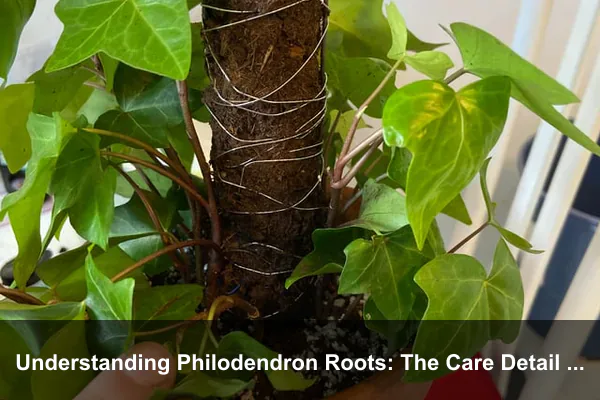
Philodendron care becomes easier when you separate the plant’s root system into two main parts: roots in the pot and aerial roots along the stem. Both matter, but they serve different roles. Pot roots absorb water and nutrients, while aerial roots often help climbing types attach to surfaces, stabilize growth, and search for moisture.
Underground Roots Need Oxygen
Healthy roots are usually firm and pale to light tan. They need moisture, but they also need air. When potting mix stays wet for too long, oxygen drops and roots may begin to rot. This is why philodendrons often perform better in a chunky mix than in heavy garden soil or compacted all-purpose media.
Aerial Roots Are Not a Problem
Brown nubs or cord-like roots along the stem are normal on many philodendrons. You do not need to cut them unless they are damaged or interfering with placement. On climbing plants, aerial roots can be guided toward a moss pole, coco pole, wooden plank, or textured support. When they attach, the plant often grows with more confidence and may produce larger mature leaves over time.
Root-Bound Is Not Always an Emergency
A philodendron can tolerate being slightly snug in its pot, but severe root crowding causes problems. If water runs straight through the pot, the plant wilts quickly after watering, or roots circle densely at the bottom, it may be time to repot. Move up only one pot size at a time because an oversized container can hold too much unused moisture around the roots.
Best Soil, Pot, and Watering Strategy for Root-Smart Growth
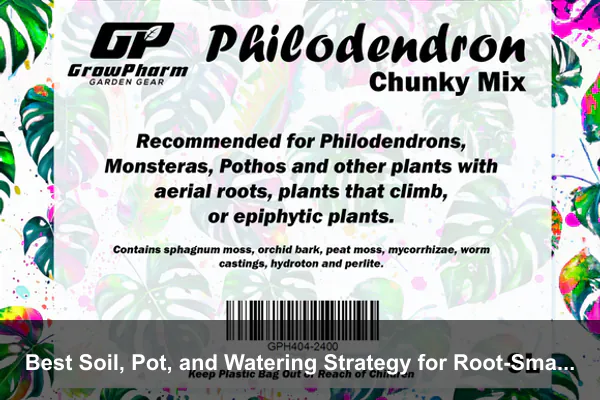
The best philodendron soil is not about one magic ingredient. It is about structure. A useful mix holds enough moisture for tropical roots while draining fast enough to prevent stagnation. For many indoor growers, a chunky aroid-style blend is the most reliable choice.
A Simple Philodendron Potting Mix
You can start with a quality indoor potting mix and improve it with aerating materials. A practical blend may include standard potting mix, orchid bark, perlite or pumice, and a small amount of coco coir or compost. The final texture should feel loose, not muddy. When squeezed lightly, it should hold some moisture but break apart easily.
- Potting mix: Provides a base that holds nutrients and moderate moisture.
- Orchid bark: Creates air pockets and supports chunky root growth.
- Perlite or pumice: Improves drainage and reduces compaction.
- Coco coir: Helps retain moisture without making the mix heavy when used moderately.
Choosing the Right Pot
A pot with drainage holes is strongly recommended. Decorative cachepots are fine if the nursery pot inside can drain fully before being returned to the outer container. Terracotta dries faster and can help chronic overwaterers, while plastic or glazed ceramic holds moisture longer and may suit warmer, brighter rooms.
Watering Without Guesswork
Water when the upper part of the mix has dried and the pot feels lighter. For many philodendrons, this means watering when the top 1 to 2 inches are dry, but the exact timing depends on pot size, light, temperature, humidity, and soil composition. Water thoroughly until excess drains out, then empty the saucer. Small sips of water can leave dry pockets in the root zone and encourage weak growth.
Choosing the Right Philodendron by Growth Habit
One reason philodendron plant benefits and information can feel confusing is that different types behave differently. A trailing heartleaf philodendron does not grow like a compact self-heading cultivar, and a climbing philodendron may need support to show its best form. Choose based on the space you have, not only the leaf you like.
Trailing Philodendrons
Trailing types are excellent for shelves, hanging planters, bookcases, and small apartments. Heartleaf philodendron, Philodendron hederaceum, and popular forms such as Brasil or micans are valued for flexible stems and manageable care. They can be trimmed to stay full, rooted from cuttings, or trained along a small trellis.
Climbing Philodendrons
Climbing types benefit from a moss pole, coco pole, plank, or trellis. Support helps the plant grow upward and gives aerial roots something to grip. This can be especially useful if you want a dramatic indoor plant without letting vines sprawl across furniture. Keep the support lightly moist if it is designed to hold moisture, but avoid soaking the pot constantly.
Self-Heading and Upright Types
Self-heading philodendrons grow more like compact rosettes or upright clumps. They are useful where you want a tidy floor or table plant with strong leaf presence. These types usually need steady bright indirect light, even watering, and enough space for leaves to expand without rubbing against walls or furniture.
Light, Temperature, and Humidity for Stronger Leaves
Philodendrons are often marketed as low-light plants, but low light should not mean no light. Most will survive in moderate indoor light, yet they grow better with bright indirect light. Weak light can lead to stretched stems, smaller leaves, slower drying soil, and a higher risk of overwatering.
Best Light Placement
Place philodendrons near an east-facing window, a bright north-facing window, or a few feet back from a filtered south or west exposure. Avoid harsh direct afternoon sun on delicate leaves, especially variegated or velvety varieties. If the plant leans strongly toward the window, rotate it every week or two.
Temperature and Drafts
Philodendrons prefer stable indoor warmth. Keep them away from cold drafts, air conditioner blasts, exterior doors, and heating vents. Sudden temperature swings can cause stress, yellowing leaves, or slowed growth.
Humidity That Actually Helps
Many philodendrons appreciate moderate humidity, but they do not need a constantly wet environment. A humidifier, pebble tray, grouped plants, or a naturally humid room can help, especially for thin-leaved or velvety types. Misting alone is usually temporary and should not be used as the main humidity strategy.
Common Problems and Root-First Fixes
Philodendron problems often show on the leaves, but the cause is frequently below the surface. Before cutting leaves or adding fertilizer, check light, soil moisture, pot drainage, and root condition. This prevents treating symptoms while ignoring the real issue.
Yellow Leaves
One yellow lower leaf can be normal aging. Multiple yellow leaves may point to overwatering, poor drainage, cold stress, or sudden environmental change. Check whether the soil is staying wet too long. If it smells sour or roots are mushy, remove damaged roots and repot into a fresh airy mix.
Brown Tips or Crispy Edges
Brown tips can come from underwatering, low humidity, excess fertilizer, mineral buildup, or inconsistent watering. Flush the pot occasionally with clean water, avoid heavy fertilizer use, and water thoroughly when the mix is ready.
Leggy Growth
Long bare stems usually mean the plant wants more light or more frequent pruning. Move it to brighter indirect light and trim above a node to encourage branching. Cuttings can often be rooted in water or a moist propagation medium.
Pests
Inspect philodendrons for spider mites, thrips, scale, and mealybugs, especially when bringing home a new plant. Wipe leaves, isolate affected plants, and treat early with appropriate houseplant-safe methods. Good airflow and clean leaves reduce pest pressure.
Fertilizing Philodendron Without Overdoing It
Philodendrons do not need constant feeding, but they do benefit from nutrients during active growth. Use a balanced diluted houseplant fertilizer in spring and summer, following label directions conservatively. Avoid fertilizing a stressed, newly repotted, very dry, or root-damaged plant. Fertilizer supports growth; it does not fix poor light or rotten roots.
Signs Your Plant May Need Nutrients
Slow growth during the growing season, pale new leaves, and smaller foliage can suggest nutrient deficiency, but these symptoms can also come from low light or poor roots. Check growing conditions first. If the plant is healthy but underfed, a gentle fertilizer routine can improve leaf color and growth rhythm.
Safety and Responsible Indoor Placement
Philodendron leaves and stems contain calcium oxalate crystals, which can irritate the mouth, throat, skin, or stomach if chewed. This makes placement important in homes with curious pets or young children. The safest strategy is simple: keep philodendrons out of reach, use stable containers, and clean up fallen leaves or cuttings promptly.
- Place trailing vines where pets cannot chew dangling stems.
- Wear gloves if your skin is sensitive to plant sap.
- Do not use philodendron leaves for food, tea, herbal remedies, or skin treatments.
- Wash hands after pruning, repotting, or propagating.
- Choose pet-safe plants for accessible floor-level greenery if needed.
A Simple Weekly Philodendron Care Plan
A consistent routine keeps philodendron care easy. The goal is not to fuss over the plant every day, but to observe it regularly enough to catch changes early.
- Check soil moisture: Feel the top layer and lift the pot to judge weight before watering.
- Inspect leaves: Look at the undersides for pests, dust, or early damage.
- Rotate the pot: Turn the plant slightly so growth stays balanced.
- Guide stems: Tie or clip climbing stems gently to their support if needed.
- Remove spent leaves: Trim fully yellow or damaged leaves with clean scissors.
- Review placement: Watch for leaning, scorching, or stretched growth that signals a light adjustment.
Conclusion
Philodendron plant benefits and information become much more practical when you focus on the root system, potting structure, and natural growth habit. This plant offers beauty, flexibility, and beginner-friendly care, but its best performance comes from the basics: airy soil, steady moisture, bright indirect light, suitable support, and safe placement.
Instead of treating philodendron care as a fixed schedule, read the plant’s signals. Strong roots produce fuller stems, healthier leaves, and more reliable growth. With a root-smart approach, a philodendron can become more than a decorative houseplant. It can be a long-lasting part of a calmer, greener, and better planned indoor space.
