
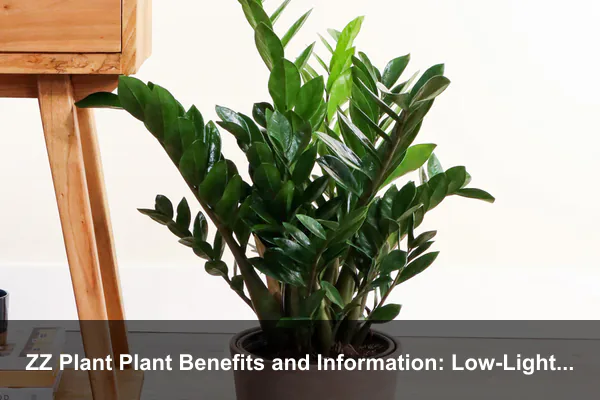
The ZZ Plant is one of the most dependable houseplants for modern homes, offices, apartments, and small indoor corners where other plants often struggle. Known botanically as Zamioculcas zamiifolia, this glossy-leaved plant is valued for its strong architectural look, impressive drought tolerance, and ability to stay attractive with very little daily attention.
When people search for ZZ Plant plant benefits and information, they usually want more than a basic care checklist. They want to know why this plant is so popular, where it fits best indoors, how it supports a calmer living space, and what precautions are needed for safe home use. This guide explores the ZZ Plant from a practical angle: low-maintenance benefits, indoor placement, care routines, styling ideas, propagation, and common mistakes to avoid.
What Is a ZZ Plant?
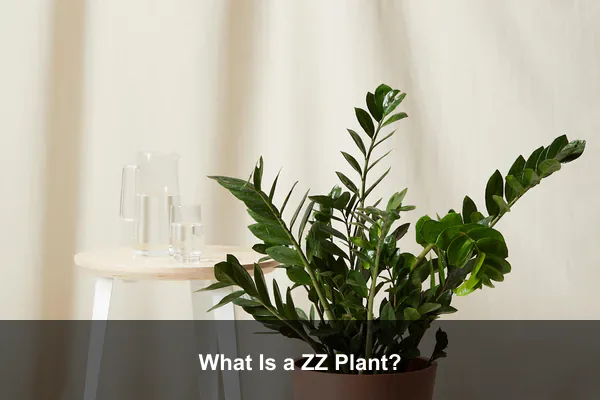
The ZZ Plant is a tropical perennial native to eastern Africa. It grows from thick underground rhizomes that store water, which explains why it can survive dry periods better than many leafy indoor plants. Its upright stems carry smooth, oval leaflets with a naturally waxy shine, giving the plant a polished look even when it receives minimal care.
Unlike delicate foliage plants that quickly show stress from missed watering, the ZZ Plant grows slowly and patiently. This makes it especially useful for beginners, busy workers, frequent travelers, or anyone who wants greenery without a demanding routine.
Key ZZ Plant Characteristics
- Botanical name: Zamioculcas zamiifolia
- Common names: ZZ Plant, Zanzibar Gem, Aroid Palm
- Plant type: Tropical rhizomatous houseplant
- Light preference: Bright indirect light, but tolerant of low light
- Watering need: Low to moderate
- Growth habit: Upright, slow-growing, compact
- Best for: Offices, bedrooms, living rooms, hallways, and small spaces
Main Benefits of the ZZ Plant
The benefits of the ZZ Plant are strongly connected to convenience, durability, and indoor design. It is not a medicinal plant like aloe vera or an edible herb like basil, but it offers meaningful value as a low-maintenance ornamental plant for daily living spaces.
1. Excellent Low-Maintenance Houseplant
The most important ZZ Plant benefit is how easy it is to care for. Its rhizomes store moisture, allowing the plant to handle occasional neglect. If you forget to water it for a week or two, it usually remains stable as long as the potting mix is not constantly wet.
This low-maintenance quality makes the ZZ Plant a smart choice for people who are new to indoor gardening. It also works well in workspaces where plant care may not be consistent every day.
2. Tolerates Low-Light Indoor Areas
Many indoor plants need bright filtered sunlight to maintain healthy growth. The ZZ Plant is more flexible. While it grows best in bright indirect light, it can tolerate lower-light rooms, shaded corners, and office environments with artificial lighting.
This does not mean the plant should be kept in total darkness. However, compared with many ornamental plants, it is far more forgiving in spaces that receive limited natural light.
3. Adds Clean, Modern Interior Style
With its upright stems and glossy leaves, the ZZ Plant has a neat, sculptural appearance. It suits minimalist rooms, professional offices, shelves, side tables, entryways, and modern apartment interiors. The plant looks tidy without frequent pruning, which is useful for people who prefer a clean indoor style.
4. Helps Create a Calmer Atmosphere
Indoor plants can support a more relaxed and pleasant environment. The ZZ Plant contributes visually by softening hard furniture lines, adding natural green color, and making a room feel less sterile. For many people, caring for a resilient plant also creates a small but satisfying daily connection with nature.
5. Suitable for Small Spaces
The ZZ Plant grows upright rather than spreading aggressively. This makes it ideal for apartments, compact rooms, desks, narrow corners, and shelves. Smaller ZZ Plants can sit in decorative pots, while larger specimens work as floor plants without taking over the room.
ZZ Plant Care Guide for Healthy Growth
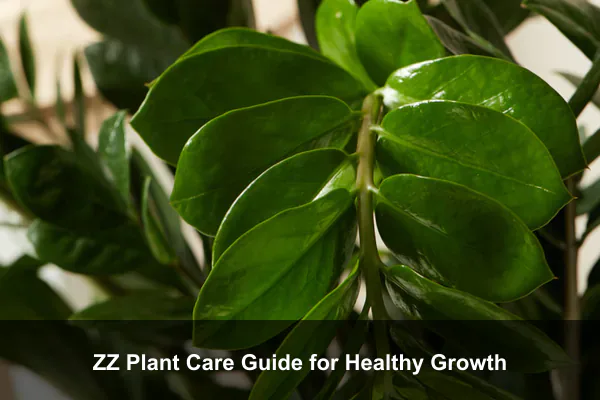
ZZ Plant care is simple, but it still needs the right balance of light, water, soil, and drainage. Most problems happen when the plant is watered too often or placed in a pot that holds excess moisture.
Light Requirements
Place the ZZ Plant in bright, indirect light for best growth. A spot near a window with filtered sunlight is ideal. It can also survive in low light, but growth may become slower and new stems may appear less frequently.
Avoid harsh direct afternoon sunlight because it can scorch the leaves. If the leaves look faded, yellowed, or burned, move the plant farther from the window.
Watering Tips
The safest rule is to let the soil dry out before watering again. Check the top few centimeters of soil with your finger. If it still feels moist, wait longer. Overwatering is the most common reason ZZ Plants decline indoors.
- Water less often in cool or low-light rooms.
- Water more carefully in pots without excellent drainage.
- Empty saucers after watering so roots do not sit in water.
- Reduce watering during slower growth periods.
Best Soil and Potting Mix
Use a loose, well-draining potting mix. A general indoor plant mix can work, but it is better when amended with perlite, pumice, orchid bark, or coarse sand. The goal is to prevent the soil from staying wet around the rhizomes.
Choose a pot with drainage holes. Decorative cachepots are fine, but the inner growing pot should allow excess water to escape.
Temperature and Humidity
The ZZ Plant prefers normal indoor temperatures and does not require high humidity. Keep it away from cold drafts, air conditioner blasts, and sudden temperature changes. Average household humidity is usually enough.
Where to Place a ZZ Plant Indoors
Because the ZZ Plant is adaptable, it can fit into many areas of the home. Placement should consider light, traffic flow, safety, and design impact.
Living Room
A medium or large ZZ Plant works well beside a sofa, TV console, bookshelf, or reading chair. Its glossy leaves bring structure without looking messy. In a living room, it can serve as a calm green accent rather than a dramatic focal plant.
Bedroom
The ZZ Plant is suitable for bedrooms because it does not require frequent care and maintains a clean appearance. Place it on a dresser, bedside table, or floor corner where it receives indirect light.
Office or Workspace
This is one of the best plants for offices. It handles inconsistent watering, artificial light, and air-conditioned spaces better than many houseplants. A small ZZ Plant on a desk or cabinet adds greenery without distracting from work.
Hallways and Entry Areas
Low-light tolerance makes the ZZ Plant useful in entryways and hallways. However, if the area is extremely dark, rotate the plant occasionally to a brighter location so it can recover and continue growing.
Safety, Toxicity, and Responsible Use
The ZZ Plant is ornamental, not edible. All parts of the plant contain calcium oxalate crystals, which can irritate the mouth, throat, skin, or stomach if chewed or ingested. This does not make it dangerous to keep in the home, but it does require responsible placement.
Pet and Child Safety
If you have curious pets or small children, place the plant out of reach. Use high shelves, plant stands, or rooms where pets do not roam freely. Teach children not to touch or taste houseplants.
Handling the Plant
Most people can handle a ZZ Plant without problems, but wearing gloves during pruning, division, or repotting is a sensible precaution. Wash your hands afterward, especially before touching your face or preparing food.
Common ZZ Plant Problems and Solutions
The ZZ Plant is tough, but it still gives warning signs when conditions are not right. Reading these signals early helps you correct care before the plant suffers serious damage.
Yellow Leaves
Yellow leaves often indicate overwatering. Check the soil and drainage first. If the soil is wet and heavy, allow it to dry fully before watering again. In severe cases, repot the plant into a fresh, airy mix and remove any mushy roots or rhizomes.
Wrinkled Stems
Wrinkled or shriveled stems can mean underwatering, especially if the soil has been dry for a long time. Water thoroughly and let excess water drain away. The plant may recover gradually as the rhizomes rehydrate.
Leaning Growth
Stems may lean if the plant is reaching toward light. Rotate the pot every few weeks for balanced growth. If the plant is in a very dim room, move it closer to a brighter indirect light source.
Dusty Leaves
The shiny leaves can collect dust, which dulls their appearance. Wipe them gently with a damp cloth. Avoid heavy leaf-shine products because they can leave residue and block the natural surface of the leaves.
ZZ Plant Varieties and Styling Ideas
The classic green ZZ Plant is the most common, but there are also attractive varieties for different interior styles. Raven ZZ has dark purple-black mature leaves, giving it a bold, modern look. Variegated forms may show cream or yellow patterns, though they are usually less common and may need brighter indirect light.
Pot and Decor Pairings
- Use a white ceramic pot for a clean, modern look.
- Choose matte black or charcoal pots for Raven ZZ varieties.
- Place small plants on shelves, desks, or side tables.
- Use larger ZZ Plants as quiet floor accents in corners.
- Pair with natural wood furniture for a warm indoor feel.
How to Propagate a ZZ Plant
ZZ Plant propagation is possible, but it requires patience. The easiest method is division during repotting. Mature plants often develop several rhizome clusters, which can be separated carefully and replanted.
Propagation by Division
- Remove the plant gently from its pot.
- Identify natural rhizome sections with healthy stems and roots.
- Separate the sections with clean hands or a sterile tool.
- Plant each section in a well-draining potting mix.
- Water lightly and keep in bright indirect light.
Propagation by Leaf Cuttings
Leaf propagation is slower but interesting. A healthy leaflet can be placed in moist, well-draining medium until it gradually forms a small rhizome. This process may take months, so it is better for patient growers who enjoy observing slow plant development.
Conclusion
The ZZ Plant is a practical, elegant, and beginner-friendly houseplant with benefits that fit real indoor living. It tolerates low light, stores water efficiently, stays visually tidy, and brings a calm green presence to homes, offices, and small spaces.
For anyone looking for reliable ZZ Plant plant benefits and information, the main takeaway is simple: this plant succeeds when you give it restraint rather than constant attention. Provide indirect light, use well-draining soil, water only when the mix dries, and keep it safely away from pets or children who may chew leaves. With those basics in place, the ZZ Plant can remain attractive and resilient for years.
