
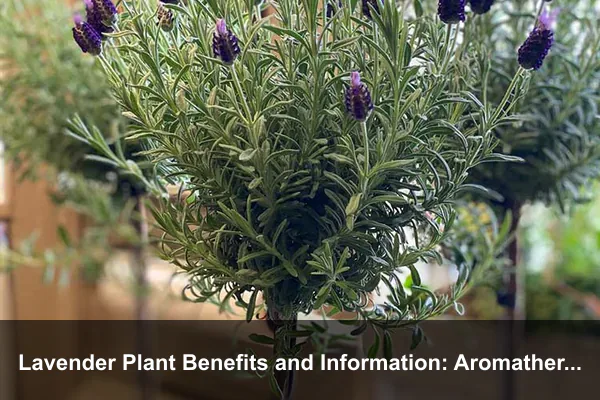
Lavender is one of the most recognizable aromatic plants in the world, loved for its purple flower spikes, calming scent, and practical value in gardens, homes, and herbal routines. When people search for Lavender plant benefits and information, they often want more than a simple list of uses. They want to understand what lavender actually is, why it is associated with relaxation, how it can be grown successfully, and how to use it safely in daily life.
Unlike many ornamental flowers that are grown only for beauty, lavender bridges several roles at once. It is a flowering plant, a fragrant herb, a pollinator-friendly garden feature, a traditional household ingredient, and a low-water landscape plant when grown in the right conditions. This guide focuses on a practical and unique angle: lavender as an aromatic wellness and home-lifestyle plant, including its benefits, plant profile, growing needs, harvesting methods, and safe use.
What Is Lavender?
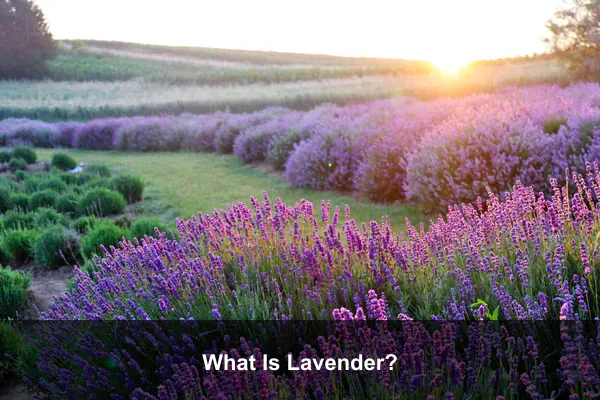
Lavender belongs to the Lavandula genus, a group of aromatic plants in the mint family, Lamiaceae. Most lavender plants are small woody perennials or subshrubs with narrow leaves, upright stems, and clusters of fragrant flowers. The flowers are usually purple, violet, blue, pink, or white, depending on the variety.
The most widely known species is English lavender (Lavandula angustifolia), valued for its sweet fragrance and common use in dried flowers, essential oils, sachets, and herbal preparations. Other popular types include French lavender (Lavandula dentata), Spanish lavender (Lavandula stoechas), and lavandin (Lavandula x intermedia), a hybrid often grown for oil production.
Lavender naturally prefers sunny, open spaces with excellent drainage. It is closely associated with Mediterranean-style gardens because it tolerates heat, lean soil, and relatively dry conditions once established. However, it can also be grown in containers, raised beds, balcony gardens, and indoor sunny spots if its basic requirements are respected.
Basic Lavender Plant Information
- Botanical genus: Lavandula
- Plant family: Lamiaceae, the mint family
- Plant type: Aromatic perennial herb or subshrub
- Main feature: Fragrant flower spikes and essential-oil-rich foliage
- Preferred light: Full sun
- Preferred soil: Well-draining, slightly alkaline to neutral soil
- Common uses: Aromatherapy, dried flowers, garden borders, herbal crafts, and home fragrance
Key Lavender Plant Benefits
Lavender offers benefits that touch several areas of daily life. Some are sensory and emotional, some are practical for gardening, and others are connected to traditional herbal use. It is important to understand these benefits realistically. Lavender is not a cure-all, but it is a useful plant with well-established cultural, household, and garden value.
1. Natural Aromatic Relaxation
One of the most famous lavender plant benefits is its soothing aroma. Lavender scent is commonly associated with rest, calm routines, and relaxation. Many people use dried lavender, lavender oil, or fresh stems in bedrooms, bathrooms, meditation corners, and reading spaces because the fragrance can make a room feel more peaceful.
Lavender’s aromatic compounds, especially linalool and linalyl acetate, are often discussed in relation to relaxation and stress comfort. While individual responses vary, the scent has become a trusted part of bedtime rituals, spa products, and aromatherapy blends.
2. Home Fragrance Without Heavy Perfume
Lavender is useful for people who prefer a botanical scent rather than synthetic-smelling room fragrance. Dried lavender bundles, sachets, and potpourri can add a gentle floral-herbal aroma to wardrobes, drawers, linen cabinets, and small rooms.
Because lavender fragrance is naturally complex, it can feel fresh, clean, floral, green, and slightly woody at the same time. This makes it versatile for homes that need a soft scent rather than an overpowering air freshener.
3. Garden Beauty and Seasonal Color
Lavender is visually appealing even before considering its fragrance. Its silvery-green foliage and purple flower spikes create strong contrast in garden beds, borders, and containers. The plant works especially well in cottage gardens, herb gardens, rock gardens, Mediterranean-style landscapes, and sunny pathways.
Its upright form also adds structure. When planted in rows, lavender can create a neat edging effect. When planted in clusters, it forms a soft, fragrant drift of color that moves gently in the wind.
4. Pollinator Support
Lavender flowers attract bees, butterflies, and other beneficial insects. This makes the plant valuable in edible gardens, mixed borders, and ecological planting schemes. A lavender border near vegetables or fruiting plants can help create a more active pollinator environment.
This benefit should be managed with thoughtful placement. For example, lavender near a seating area may attract bees during bloom time, which is excellent for the garden but may not suit every household. A sunny border, side path, or back garden edge is often a better position.
5. Dried Flower and Craft Value
Lavender dries beautifully and keeps its scent for a long time when harvested and stored correctly. Dried stems can be used in wreaths, sachets, bath blends, decorative jars, herbal pillows, and handmade gifts. This gives lavender lasting value beyond its growing season.
For people interested in low-waste home routines, lavender is especially useful because one healthy plant can supply flowers for multiple small household projects.
Lavender for Wellness and Daily Home Routines
Lavender fits naturally into gentle wellness routines because it engages the senses. Its main value is not only what it contains chemically, but how it changes the atmosphere of a space. A small bunch of lavender on a bedside table, a sachet in a drawer, or a warm bath with dried flowers can turn an ordinary routine into something calmer and more intentional.
Bedtime and Relaxation Rituals
Lavender is often used before sleep because its scent is linked with calm. You can place a dried lavender sachet near your pillow, keep a small bundle on a nightstand, or use a properly diluted lavender essential oil in a diffuser for a short period before bed.
For best results, keep the fragrance subtle. Too much scent can feel overwhelming, especially in a small bedroom. Lavender works best when it supports relaxation without dominating the room.
Bath and Self-Care Uses
Dried lavender flowers can be used in bath sachets, herbal bath salts, and handmade soaps. The flowers add fragrance and visual appeal, while the warm water helps release their aroma. Always keep loose flowers inside a muslin bag or tea filter if you want easier cleanup.
People with sensitive skin should test lavender products carefully. Natural does not always mean irritation-free. Essential oils in particular should be diluted properly and should not be applied directly to the skin without guidance.
Closet and Linen Freshening
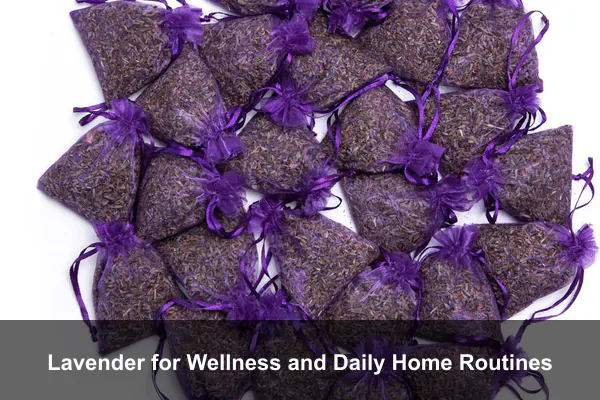
Lavender sachets are a classic way to freshen closets, drawers, and stored linens. Place dried lavender flowers in small breathable fabric bags and tuck them between folded clothes or sheets. Gently squeeze the sachets from time to time to refresh the scent.
This is one of the simplest lavender plant benefits for everyday use because it requires no complicated preparation. A few dried flower heads can serve a practical purpose for months.
How to Grow Lavender Successfully
Growing lavender is not difficult, but it requires the right conditions. The most common mistake is treating lavender like a moisture-loving tropical plant. Lavender prefers sun, airflow, and soil that drains quickly. If roots stay wet for too long, the plant can decline quickly.
Light Requirements
Lavender needs full sun to grow well and produce fragrant flowers. Outdoors, aim for at least six hours of direct sunlight daily. In cooler climates, more sun is usually better. In very hot regions, lavender can tolerate some afternoon protection, but it still needs bright exposure.
Indoor lavender is more challenging because most indoor spaces do not provide enough light. If growing lavender indoors, place it near the brightest south- or west-facing window available, or use a grow light to support healthy growth.
Soil and Drainage
Lavender dislikes heavy, compacted, or constantly damp soil. The best soil is loose, gritty, and fast-draining. In containers, use a potting mix improved with coarse sand, pumice, perlite, or small gravel. Outdoors, raised beds are helpful if your native soil is clay-heavy.
A slightly alkaline to neutral soil is often preferred. If the soil is too rich or too wet, lavender may produce leafy growth but fewer flowers, or it may suffer from root problems.
Watering Lavender
New lavender plants need regular watering while they establish roots. Once established, lavender becomes much more drought-tolerant. Water deeply but infrequently, allowing the soil to dry between waterings.
Container lavender dries faster than garden lavender, so check the soil before watering. The top few centimeters should feel dry before you water again. Avoid letting the pot sit in a saucer of standing water.
Pruning for Shape and Longevity
Pruning helps lavender stay compact, productive, and attractive. After flowering, trim back spent flower stems and lightly shape the plant. Avoid cutting deeply into old woody stems with no green growth, because lavender may not regrow well from bare wood.
Regular light pruning is better than severe correction after years of neglect. A well-pruned lavender plant keeps better airflow, produces more flowering stems, and looks tidier in the garden.
Best Lavender Varieties to Know
Choosing the right lavender variety matters because not all lavenders behave the same way. Some are better for fragrance, some for ornamental display, and some for hot or humid climates.
English Lavender
Lavandula angustifolia is often considered the classic lavender for fragrance, dried flowers, and herbal uses. It has a sweet, refined scent and is commonly used in sachets, culinary lavender products, and aromatherapy.
Popular cultivars include Munstead and Hidcote. These are compact, attractive, and suitable for many home gardens with good drainage and full sun.
Lavandin
Lavandula x intermedia, known as lavandin, is a hybrid between English lavender and spike lavender. It usually grows larger and produces long flower stems with a strong scent. Lavandin is widely grown for essential oil and dried bundles.
Its fragrance can be sharper and more camphor-like than English lavender, which makes it excellent for home fragrance but less preferred for delicate culinary use.
Spanish Lavender
Lavandula stoechas is known for its distinctive flower heads topped with petal-like bracts. It has a bold ornamental look and often blooms earlier than other types. Spanish lavender can be a good choice for decorative pots and warm-climate gardens.
Its scent is different from English lavender, often more resinous or herbal. It is best appreciated as an ornamental and aromatic landscape plant.
Harvesting and Drying Lavender
Harvesting lavender at the right time helps preserve its scent, color, and usefulness. The best time to cut lavender is when some flower buds have opened but many are still closed. At this stage, the stems usually contain strong fragrance and dry well.
How to Harvest Lavender
- Choose a dry morning after dew has evaporated.
- Use clean, sharp scissors or pruning shears.
- Cut stems long enough for bundling, but avoid cutting into old woody growth.
- Gather small bundles so air can circulate between stems.
- Remove damaged leaves or faded flowers before drying.
How to Dry Lavender
Tie small bundles with string or a rubber band and hang them upside down in a dark, dry, well-ventilated place. Avoid direct sunlight during drying because it can fade the flower color and reduce fragrance quality.
Once fully dry, the flowers should feel crisp and separate easily from the stem. Store dried lavender in airtight containers away from heat, moisture, and bright light.
Practical Lavender Uses Around the Home
Lavender is valuable because it can move from the garden into daily household use. A single plant can support decoration, scent, self-care, and simple handmade projects.
Simple Ways to Use Lavender
- Dried bundles: Hang in kitchens, bedrooms, or craft rooms for natural decoration.
- Sachets: Place in closets, drawers, luggage, or linen storage.
- Herbal pillows: Add dried lavender to small fabric pillows for a calming scent.
- Bath bags: Combine dried lavender with oats or bath salts inside a muslin pouch.
- Table decor: Use fresh or dried stems in small vases for rustic floral styling.
- DIY gifts: Add lavender to handmade soaps, candles, cards, or wreaths.
Can Lavender Be Used in Food?
Some lavender varieties, especially English lavender, are used in culinary recipes. However, only use lavender that is clearly grown for edible purposes and has not been treated with pesticides or unsafe chemicals. Culinary lavender has a powerful flavor, so a little goes a long way.
Lavender can be used in teas, syrups, cookies, cakes, infused sugar, and lemonade. The key is balance. Too much lavender can make food taste bitter or soapy.
Lavender Safety and Precautions
Lavender is widely used, but safe use matters. The plant and its essential oil are not the same thing. Fresh or dried lavender flowers are gentler, while lavender essential oil is concentrated and should be handled with more care.
Essential Oil Safety
Lavender essential oil should usually be diluted before skin use. Avoid applying it directly to sensitive skin, broken skin, or near the eyes. People who are pregnant, nursing, managing medical conditions, or using medications should seek professional guidance before using essential oils therapeutically.
Diffusion should also be moderate. Use a diffuser in a ventilated room and avoid continuous all-day diffusion. Some people are sensitive to strong scents, even natural ones.
Pet Considerations
Households with pets should be careful with lavender oils and heavily scented products. Essential oils can be risky for cats, dogs, birds, and small animals depending on exposure and concentration. Keep oils, concentrated sprays, and dried plant material out of reach if pets are likely to chew or ingest them.
A lavender plant in the garden is usually different from concentrated oil exposure, but observation is still important. If a pet shows unusual symptoms after contact with lavender products, contact a veterinarian.
Common Lavender Growing Problems
Most lavender problems come from unsuitable growing conditions. If you understand the plant’s Mediterranean nature, troubleshooting becomes easier.
Yellowing Leaves
Yellow leaves often indicate overwatering, poor drainage, or soil that stays too wet. Check the roots and soil moisture before adding more water. If the plant is in a pot, make sure the container has drainage holes.
Few or No Flowers
Lavender may fail to bloom if it receives too little sun, too much fertilizer, or excessive water. Move container plants to a sunnier spot and avoid high-nitrogen feeding. Lavender performs best in leaner soil than many flowering plants.
Woody, Leggy Growth
Lavender naturally becomes woody with age, but poor pruning can make it look sparse. Prune lightly after flowering and keep the plant shaped each year. Replace very old, unproductive plants if they no longer respond well.
Conclusion
Lavender is more than a pretty purple flower. It is a practical aromatic plant with benefits for home fragrance, relaxation routines, pollinator gardens, dried crafts, and sunny landscape design. Understanding the full picture of Lavender plant benefits and information helps you use the plant wisely instead of treating it as just another decorative herb.
For the best results, give lavender what it naturally prefers: full sun, excellent drainage, modest watering, and regular light pruning. Harvest the flowers at the right time, dry them carefully, and use them in simple routines such as sachets, bath blends, dried bouquets, and calming room fragrance. With thoughtful care and safe use, lavender can become one of the most rewarding plants in a home garden or container collection.
