
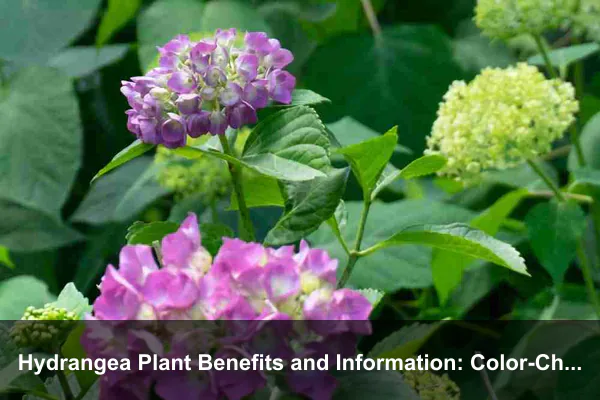
Hydrangeas are among the most memorable flowering shrubs in home gardens because they combine generous blooms, long seasonal presence, and a fascinating ability to change flower color in certain varieties. For gardeners who want beauty with practical value, understanding Hydrangea plant benefits and information helps you choose the right type, place it well, and enjoy healthier flowers year after year.
Unlike many ornamental plants that offer only a short display, hydrangeas can become long-term landscape anchors. Their rounded flower clusters, lacecap blooms, large leaves, and shade-tolerant nature make them useful for borders, foundation planting, containers, cottage gardens, and fresh or dried flower arrangements. They are not grown as edible plants, and they should be handled with basic safety awareness, but as ornamental flowering shrubs, hydrangeas provide strong visual, ecological, and emotional value.
What Is a Hydrangea Plant?
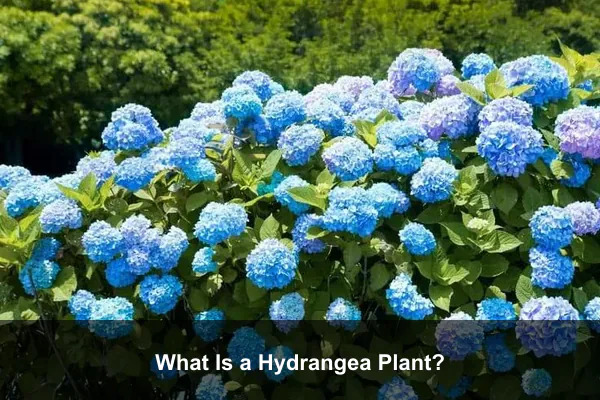
Hydrangea is a genus of flowering shrubs and climbing plants known for showy bloom clusters and broad green foliage. Many popular garden hydrangeas come from East Asia and North America, and they are now grown widely in temperate regions. Depending on the species and cultivar, hydrangeas may bloom in mophead, lacecap, panicle, smooth, oakleaf, or climbing forms.
The name hydrangea is often associated with water because these plants usually prefer evenly moist soil. This does not mean they enjoy soggy roots, but they often perform best where the soil stays consistently damp without becoming waterlogged. Their water needs are one reason gardeners value mulch, organic matter, and thoughtful placement when growing them.
Common Types of Hydrangea
Hydrangeas are not all the same. Choosing the right type is the first step toward success because bloom time, pruning needs, sun tolerance, and flower shape can vary significantly.
- Bigleaf hydrangea: Known for mophead and lacecap flowers, often with blue, pink, or purple tones depending on soil chemistry.
- Panicle hydrangea: Usually more sun-tolerant, with cone-shaped blooms that often age from white to pink or tan.
- Smooth hydrangea: Famous for large rounded flower heads, including white and improved pink cultivars.
- Oakleaf hydrangea: Valued for oak-shaped leaves, peeling bark, white flower panicles, and attractive autumn foliage.
- Climbing hydrangea: A woody vine that can attach to walls, fences, or mature trees with proper support.
Why Hydrangeas Are Popular in Ornamental Gardens
Hydrangeas fit many garden styles because they bridge formal and natural looks. A row of hydrangeas can create a soft hedge, while a single specimen can brighten a shaded corner. Their flowers also age gracefully, moving through subtle shades as the season changes. This gives the garden a layered look without constant replanting.
Main Hydrangea Plant Benefits for the Home Garden
The biggest hydrangea benefits come from their ornamental performance, landscape flexibility, and ability to improve the feeling of outdoor spaces. They are not miracle wellness plants, but they offer real value when used correctly in a garden or patio setting.
Long-Lasting Seasonal Beauty
Hydrangeas are loved for their long bloom display. Depending on the variety and climate, blooms may appear from late spring through summer, and many flower heads remain attractive even as they dry on the plant. This extended presence makes hydrangeas useful for gardeners who want a strong visual impact without relying only on short-lived annual flowers.
Many flowers look best for only a brief period, but hydrangea blooms often change character over time. Fresh flowers may look vivid and full, while older blooms can become muted, papery, and elegant. This natural aging process is one of the reasons hydrangeas are often used in dried arrangements.
Useful for Garden Structure
Hydrangeas can help organize a landscape. Their rounded forms soften walls, fences, and building foundations. Taller panicle hydrangeas can create a loose screen, while compact varieties work well near patios, paths, and entryways. Because many hydrangeas have large leaves, they bring a lush texture that contrasts beautifully with fine grasses, ferns, hostas, and small-leaved shrubs.
Shade-Friendly Flowering Option
Many flowering plants demand full sun, but several hydrangeas tolerate partial shade. This makes them valuable for side yards, woodland edges, and east-facing gardens where morning sun and afternoon shade create a gentler growing environment. In warm climates, afternoon shade can also protect hydrangea leaves from wilting and scorching.
Cut Flower and Dried Flower Value
Hydrangea blooms are excellent for floral arrangements. Fresh stems bring volume and softness to vases, while dried flower heads can last for months indoors. For best results, flowers are usually cut when they have matured slightly on the shrub rather than when they are newly opened. Mature blooms often dry with better shape and color.
Hydrangea Color-Changing Information
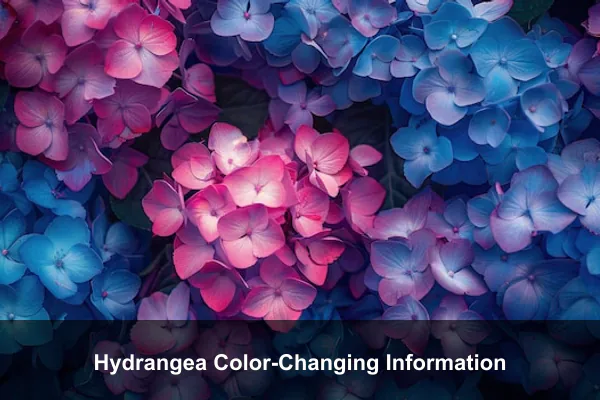
One of the most interesting pieces of Hydrangea plant benefits and information is the color-changing ability of bigleaf hydrangeas. In certain cultivars, flower color can shift between blue, purple, and pink depending mainly on soil pH and aluminum availability. This makes hydrangeas unusually interactive compared with many ornamental shrubs.
How Soil pH Affects Flower Color
In simple terms, acidic soil can make aluminum more available to the plant, which may encourage blue flowers in responsive bigleaf hydrangeas. Less acidic or more alkaline soil usually reduces aluminum availability, often producing pinker blooms. Purple tones may appear when conditions sit between the two.
However, not every hydrangea changes color. White hydrangeas usually remain white, and panicle or oakleaf hydrangeas do not turn blue from soil adjustment. Their flowers may age to pink, rose, tan, or greenish shades naturally, but that is different from the pH-based color change seen in some bigleaf types.
Practical Color Guidance
If you want to influence hydrangea color, test your soil before adding amendments. Guessing can lead to poor plant health or disappointing results. Soil sulfur may gradually lower pH, while garden lime may raise it. These changes happen slowly, and overapplication can damage soil balance.
- Identify the hydrangea type before attempting color changes.
- Test soil pH to understand current conditions.
- Adjust gradually with suitable garden amendments.
- Keep soil healthy with compost and mulch.
- Be patient because color shifts may take a season or more.
Why Flower Color May Vary on One Plant
It is possible to see different tones on the same shrub. Soil conditions may vary around the root zone, and individual flower clusters can mature at slightly different times. Weather, water stress, cultivar genetics, and nutrient availability also influence the final appearance. This natural variation is part of hydrangea charm.
Hydrangea Care Basics for Healthy Growth
Hydrangeas are not difficult plants, but they respond strongly to placement and routine care. The best care strategy is to create stable growing conditions rather than constantly correcting problems after stress appears.
Light Requirements
Most hydrangeas prefer bright light with some protection from harsh afternoon sun. Morning sun and afternoon shade is ideal for many bigleaf and oakleaf hydrangeas, especially in hot regions. Panicle hydrangeas usually tolerate more sun and may bloom best with at least several hours of direct light.
Too much shade can reduce flowering, while too much intense sun can cause leaf scorch and wilting. If a hydrangea wilts in the afternoon but recovers by evening, heat stress may be the issue. If it stays wilted even after temperatures cool, the soil may be too dry or roots may be struggling.
Watering Needs
Hydrangeas need consistent moisture, particularly during establishment, hot weather, and bloom development. Deep watering is better than frequent shallow sprinkling because it encourages roots to grow into the soil. Mulch helps reduce evaporation and keeps the root zone cooler.
- Water deeply when the top layer of soil begins to dry.
- Avoid letting containers dry out completely in summer.
- Use mulch, but keep it slightly away from the stems.
- Improve drainage if water sits around the roots after rain.
Soil and Mulching
Hydrangeas prefer fertile, well-draining soil rich in organic matter. Compost can improve both sandy and clay soils by helping moisture retention and structure. Mulch is especially useful because hydrangeas have moisture-sensitive roots and large leaves that lose water quickly during heat.
A layer of shredded bark, leaf mold, pine needles, or composted mulch can support steadier soil conditions. In colder climates, mulch may also help protect roots during winter temperature swings.
Fertilizing Hydrangeas
Hydrangeas usually benefit from moderate feeding, not excessive fertilizer. Too much nitrogen may encourage leafy growth at the expense of blooms. A balanced slow-release fertilizer or compost-based feeding in spring is often enough for many gardens. Always match fertilizer use to plant performance and soil quality.
Pruning Hydrangeas Without Losing Blooms
Pruning is where many gardeners make mistakes because different hydrangeas bloom on different types of wood. Some bloom on old wood, meaning flower buds form on stems from the previous season. Others bloom on new wood, meaning flowers develop on current-season growth. Pruning at the wrong time can remove future flowers.
Old Wood Bloomers
Many bigleaf hydrangeas and oakleaf hydrangeas bloom on old wood. These should be pruned lightly after flowering if shaping is needed. Avoid heavy late-winter pruning unless removing dead or damaged wood. If winter kills the buds, flowering may be reduced even when the plant itself survives.
New Wood Bloomers
Panicle and smooth hydrangeas usually bloom on new wood. They can often be pruned in late winter or early spring before new growth begins. This makes them easier for gardeners in colder climates because flower buds are less dependent on overwintering stems.
Simple Pruning Checklist
- Identify the hydrangea type before cutting.
- Remove dead, broken, or diseased stems first.
- Use clean, sharp pruning tools.
- Avoid cutting all stems short unless the type responds well to it.
- Observe bloom pattern for one season if you are unsure.
Hydrangea Benefits for Pollinators and Garden Ecology
Hydrangeas can contribute to garden ecology, but the level of pollinator value depends on the flower form. Some ornamental mophead hydrangeas have many showy sterile flowers and may offer limited nectar or pollen. Lacecap, panicle, smooth, and oakleaf forms can be more useful because they often include fertile flowers that attract bees, butterflies, and other beneficial insects.
Choosing Better Hydrangeas for Pollinators
If pollinator support is a priority, look for hydrangeas with visible fertile flowers, open bloom structures, or species known for wildlife value. Oakleaf hydrangea and certain native smooth hydrangeas can be particularly useful in suitable regions. Avoid relying on hydrangeas alone; combine them with a succession of nectar-rich plants that bloom from spring through autumn.
Hydrangeas in Mixed Planting Designs
Hydrangeas work well with companion plants that enjoy similar moisture and light. Ferns, hostas, astilbes, hellebores, heucheras, sedges, and shade-tolerant ground covers can create a layered garden. In sunnier beds, panicle hydrangeas can pair with ornamental grasses, coneflowers, salvias, and other resilient perennials.
Mixed planting also reduces the risk of a garden looking empty outside peak bloom. Hydrangea flowers provide seasonal drama, while companion plants offer texture, fragrance, pollinator resources, or winter interest.
Indoor, Patio, and Container Hydrangea Information
Hydrangeas are often sold as gift plants, especially around spring holidays. These potted hydrangeas can look spectacular indoors for a short period, but they are usually better treated as temporary indoor flowering plants or transitioned outdoors where climate allows. Long-term indoor hydrangea growing is challenging because most types need brighter light, humidity balance, and seasonal cycles.
Growing Hydrangeas in Containers
Container hydrangeas can thrive on patios, balconies, and small gardens if the pot is large enough and watering is consistent. Choose compact cultivars, use a quality potting mix, and make sure the container has drainage holes. In hot weather, potted hydrangeas dry faster than in-ground plants, so regular monitoring is essential.
- Use a wide, stable container to support top-heavy blooms.
- Choose compact varieties for balconies and small patios.
- Water thoroughly until excess drains from the bottom.
- Protect pots from extreme afternoon heat.
- Insulate or shelter containers in cold winter climates.
Using Hydrangeas for Small Spaces
Modern compact hydrangea cultivars make it easier to enjoy these flowers without a large garden. A single container near a front door can create seasonal impact. A pair of pots can frame steps or a patio entrance. Compact panicle hydrangeas can even provide structure in narrow beds where larger shrubs would feel crowded.
Safety, Toxicity, and Responsible Use
Hydrangeas should be appreciated as ornamental plants, not as edible herbs. Parts of the plant contain compounds that can be harmful if ingested by people or pets. This is especially important in homes with curious children, dogs, cats, or grazing animals. Handling the plant for normal gardening is generally routine, but gloves are sensible for sensitive skin and pruning work.
Are Hydrangeas Medicinal Plants?
Some traditional uses have been associated with hydrangea root, but this does not mean garden hydrangeas should be used for home remedies. Plant compounds can be risky when misidentified, improperly prepared, or taken without professional guidance. For a safe gardening article about hydrangea plant benefits and information, the responsible focus is ornamental, ecological, and landscape value rather than unsupported health claims.
Pet and Child Safety Tips
- Place container hydrangeas away from pets that chew plants.
- Teach children not to taste garden flowers or leaves.
- Clean up fallen leaves and pruned stems in family areas.
- Contact a veterinarian or medical professional if ingestion is suspected.
Common Hydrangea Problems and Solutions
Hydrangeas communicate stress through leaves, flowers, and growth habits. Learning these signals helps you correct issues early. Most problems relate to light, moisture, pruning timing, or winter bud damage.
Wilting Leaves
Temporary afternoon wilting can happen during heat because hydrangea leaves are large and lose water quickly. If the plant recovers in the evening, it may simply need shade protection or deeper watering. Persistent wilting can suggest dry soil, root damage, poor drainage, or transplant stress.
No Flowers
A hydrangea that looks healthy but does not bloom may have been pruned at the wrong time, exposed to late frost, given too much nitrogen, or planted in too much shade. Identifying the type is essential because pruning advice changes between old-wood and new-wood bloomers.
Brown Edges and Scorched Leaves
Leaf scorch often appears when plants receive too much hot sun or dry wind. Improve watering consistency, add mulch, and consider afternoon shade. In containers, move the plant to a brighter but less intense location.
Powdery Mildew and Leaf Spots
Humid conditions and poor airflow can encourage foliar disease. Water at the soil level, avoid crowding, and remove badly affected leaves. Healthy spacing and morning sun can help leaves dry more quickly after rain or irrigation.
How to Choose the Right Hydrangea for Your Garden
The best hydrangea is not always the one with the biggest flowers. It is the one that fits your climate, space, light conditions, soil, and maintenance style. Before buying, look beyond bloom photos and read the plant label carefully.
Selection Questions to Ask
- How much sun does the planting site receive?
- Is the soil consistently moist but well-drained?
- How large will the hydrangea become at maturity?
- Does it bloom on old wood, new wood, or both?
- Is the variety suitable for containers or garden beds?
- Do you want pollinator value, cut flowers, color change, or low maintenance?
Best Uses by Garden Goal
- For dramatic color: Choose responsive bigleaf hydrangeas and manage soil conditions carefully.
- For sun tolerance: Consider panicle hydrangeas.
- For native-style gardens: Look at smooth or oakleaf hydrangeas where appropriate.
- For dried arrangements: Select varieties with sturdy flower heads that age well.
- For small patios: Choose compact cultivars bred for containers.
Conclusion
Hydrangeas offer more than beautiful flowers. They bring structure, seasonal color, cut-flower value, shade-garden possibilities, and, in some forms, support for pollinators. Their famous color-changing ability adds another layer of interest, especially for gardeners who enjoy understanding soil and plant relationships.
The most important hydrangea plant benefits and information come down to choosing the right type, giving it suitable light, keeping soil evenly moist, pruning according to bloom habit, and using the plant responsibly as an ornamental shrub. With thoughtful care, hydrangeas can become long-lasting garden features that reward you with generous blooms and a softer, more inviting outdoor space.
