
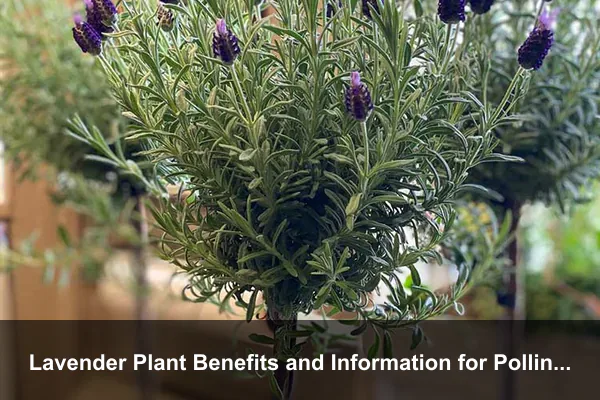
Lavender plant benefits and information are often discussed through fragrance, wellness, or home uses, but one of lavender’s most valuable roles is outside in the living garden. A healthy lavender plant can become a compact habitat station for bees, butterflies, hoverflies, and other beneficial insects while adding structure, color, and practical resilience to outdoor spaces.
This guide looks at lavender from a biodiversity-first angle. Instead of focusing mainly on scent, sleep, culinary use, or decorative pathways, it explains how lavender supports pollinator movement, improves garden observation, fits into low-pressure pest management, and helps gardeners build a more balanced flowering landscape. For anyone interested in manfaat tanaman, lavender is not only beautiful and aromatic; it can also help a garden feel more alive, useful, and ecologically connected.
Why Lavender Matters in a Biodiversity Garden
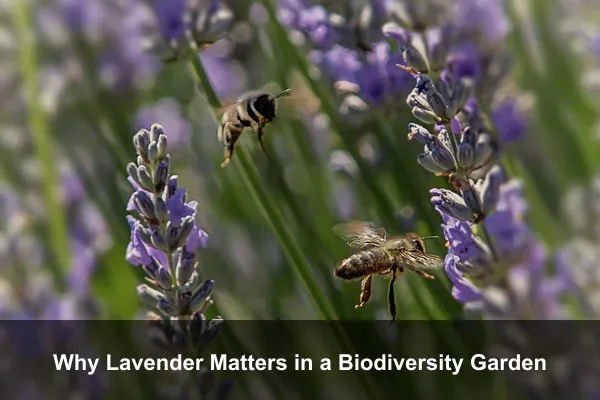
Lavender is a flowering herb from the mint family, known botanically as Lavandula. Its narrow gray-green leaves, upright stems, and purple flower spikes make it visually recognizable, but its ecological value comes from the way it flowers, attracts insects, and holds its form through changing weather.
In a biodiversity garden, the goal is not just to grow attractive plants. The goal is to create a layered outdoor space where flowering plants, soil life, insects, birds, and people can coexist with fewer unnecessary chemical inputs. Lavender fits this goal because it is long blooming in many climates, relatively drought tolerant once established, and highly attractive to nectar-seeking insects.
Lavender is especially helpful in sunny gardens where many soft-leaved ornamentals struggle. Its woody stems and aromatic foliage allow it to handle dry air, bright light, and leaner soil better than many lush flowering plants. This makes it useful as a steady garden anchor rather than a plant that needs constant rescue.
Lavender as a Nectar Source
Lavender flowers provide nectar during periods when pollinators are actively searching for food. Bees are particularly drawn to the flower spikes because they offer repeated feeding points in a compact space. Instead of visiting a single bloom and moving far away, insects can work along the flower stem, making lavender an efficient feeding plant.
This matters in small gardens, urban yards, and balcony container gardens because pollinators often move through fragmented spaces. A lavender plant may not be a complete habitat by itself, but it can act as a reliable stop in a wider pollinator route.
Lavender and Garden Balance
Lavender does not magically remove pests from a garden, and it should not be treated as a cure-all companion plant. Its real value is more practical: it attracts beneficial insects, adds plant diversity, and reduces dependence on high-maintenance bedding plants. A more diverse planting plan often leads to better garden balance over time.
Key Lavender Plant Benefits for Outdoor Spaces
The benefits of lavender are strongest when the plant is matched to the right location. In full sun, well-drained soil, and good airflow, lavender can offer several useful advantages for gardeners who want beauty and function in the same plant.
- Pollinator support: Lavender flowers attract bees, butterflies, and other nectar-feeding insects.
- Garden structure: The plant’s mounded shape creates definition without needing heavy pruning.
- Low water needs: Established lavender can tolerate drier conditions better than many flowering plants.
- Sensory value: The leaves and flowers add fragrance, texture, and color to outdoor spaces.
- Beneficial insect activity: Flowering lavender may encourage hoverflies and other helpful insects to visit the garden.
- Long seasonal interest: Many varieties provide attractive foliage even when not in full bloom.
These benefits make lavender useful in herb gardens, mixed borders, vegetable garden edges, pollinator patches, and sunny containers. Its value increases when planted with other flowering species that bloom before and after lavender, creating a longer food calendar for insects.
Benefits for Small Gardens
In small outdoor spaces, every plant needs to earn its place. Lavender works well because it combines ornamental value with practical ecological function. One container-grown lavender plant can bring scent, flowers, foliage contrast, and insect activity to a balcony or patio.
For small spaces, compact English lavender varieties are often easier to manage than large spreading types. They stay neater, respond better to light pruning, and fit well beside thyme, oregano, dwarf rosemary, calendula, and other sun-loving plants.
Benefits for Learning Gardens
Lavender is also useful for families, schools, and community gardens because it invites observation. Gardeners can watch which insects visit, when flowers open, how pruning affects shape, and how soil drainage changes plant health. This makes lavender a good plant for teaching real garden literacy, not just plant decoration.
Best Lavender Types for Pollinators and Practical Gardens
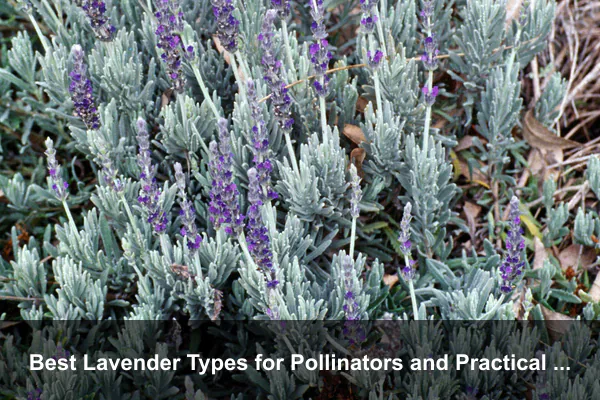
There are many lavender species and cultivars, but not all behave the same way. Choosing the right type helps gardeners get better blooms, healthier plants, and more consistent pollinator value.
English Lavender
Lavandula angustifolia, commonly called English lavender, is one of the most popular types for home gardens. It is known for its compact growth, sweet fragrance, and good cold tolerance compared with some other lavenders. It is often a strong choice for pollinator-friendly borders and containers.
English lavender usually performs best in full sun and sharply drained soil. It dislikes wet roots, heavy clay, and humid stagnant corners. When cared for properly, it can provide dense flower spikes that are attractive to bees.
Lavandin
Lavandin, or Lavandula x intermedia, is a hybrid type that often grows larger than English lavender. It can produce long stems and abundant flowers, making it useful in bigger garden beds. Because of its size, it is better suited to open areas than tight balcony pots.
Lavandin can be very productive, but gardeners should give it enough space for airflow. Crowding large lavender plants often leads to woody, weak, or disease-prone growth.
Spanish Lavender
Lavandula stoechas, often called Spanish lavender, has distinctive flower heads with petal-like bracts at the top. It is visually striking and popular in warm-climate gardens. It may be less cold hardy than English lavender, so climate matters when choosing it.
Spanish lavender can be valuable where winters are mild and summers are sunny. Its unusual blooms also add visual variety to pollinator plantings.
How to Grow Lavender for Stronger Ecological Value
Growing lavender well begins with respecting what the plant naturally prefers. Lavender is not a plant for wet, shaded, nutrient-heavy conditions. It is a sun-loving herb that usually performs best when drainage is excellent and care is moderate.
Light Requirements
Lavender needs full sun for strong flowering. Aim for at least six hours of direct sunlight per day, with more being better in many regions. Too much shade often leads to stretched stems, fewer flowers, and weaker fragrance.
If lavender is grown in a container, place it where shadows from walls, railings, or taller plants do not block the afternoon light. Good light improves bloom quality and makes the plant more useful to pollinators.
Soil and Drainage
Drainage is one of the most important parts of lavender care. The plant dislikes sitting in wet soil. In garden beds, loosen compacted ground and avoid planting lavender in low spots where water collects. In pots, use a free-draining mix and make sure the container has drainage holes.
Soil does not need to be overly rich. In fact, too much fertilizer can encourage soft leafy growth at the expense of flowers. A lean, mineral, well-aerated soil is often better than a heavy, moisture-holding mix.
Watering Rhythm
New lavender plants need consistent moisture while establishing roots, but mature plants prefer a lighter watering routine. Water deeply, then allow the soil to dry before watering again. Constant shallow watering can keep the surface damp while failing to build deeper root resilience.
In humid climates, watering should be even more careful. Wet foliage, crowded spacing, and poor airflow can all increase plant stress. Morning watering is usually better than evening watering because leaves and soil surfaces dry more quickly.
Using Lavender in Pollinator-Friendly Planting Plans
Lavender is most effective when it is part of a mixed planting design. A garden with only one flowering plant may look attractive for a short period, but pollinators need food across seasons. Combine lavender with plants that bloom at different times to build a stronger habitat rhythm.
Good companion choices often include drought-tolerant, sun-loving plants with different flower shapes. The goal is to offer variety in bloom time, color, height, and nectar access.
- Start with early bloomers so pollinators have food before lavender reaches peak flowering.
- Add lavender as a midseason anchor for fragrance, structure, and nectar-rich flowers.
- Include late-season flowers to extend the feeding period after lavender fades.
- Leave some natural shelter such as stems, mulch-free soil patches, or nearby shrubs where insects can rest.
Suggested Planting Partners
Depending on climate, lavender can pair well with thyme, sage, oregano, yarrow, echinacea, salvia, calendula, catmint, and native wildflowers. Native plants are especially important because local insects are often adapted to them. Lavender can complement these plants, but it should not replace native biodiversity entirely.
For vegetable gardens, lavender can sit near the edge rather than inside crowded production rows. This keeps airflow strong and makes it easier to avoid overwatering lavender while caring for vegetables that need more moisture.
Designing for Insect Movement
Pollinators move through gardens in patterns. Grouping several lavender plants together can make them easier for insects to find, but even one healthy plant can help when paired with other flowers nearby. Avoid isolating lavender in a bare corner with no other bloom sources around it.
Use clusters, repeated plantings, or sunny container groups to create visible landing zones. This improves the garden’s appearance and may increase insect visits.
Harvesting Without Removing All Pollinator Food
Many gardeners like to harvest lavender flowers, but biodiversity-minded harvesting requires balance. If every flower spike is cut at once, pollinators lose a useful food source. A better approach is selective harvesting.
Cut some stems for home use and leave others in bloom. This allows people and insects to benefit from the plant at the same time. It also keeps the garden visually active for longer.
- Harvest in small batches instead of stripping the whole plant.
- Leave open flowers for bees during peak activity periods.
- Use clean, sharp pruners to avoid tearing stems.
- Do not cut into old woody growth that may not regrow well.
- After flowering, lightly shape the plant to maintain airflow and form.
Deadheading for More Blooms
Removing spent flower stems can encourage a tidier plant and, in some varieties, support additional flowering. Deadheading also helps direct energy away from seed production and back into plant maintenance. However, avoid excessive cutting during heat stress or drought.
Common Lavender Problems and Practical Fixes
Lavender is often described as easy to grow, but that is only true when its conditions are right. Most failures come from too much water, too little sun, poor airflow, or unsuitable soil.
Yellowing Leaves
Yellowing leaves may indicate overwatering, poor drainage, or overly rich soil. Check whether the soil stays wet for too long after watering. If the plant is in a pot, confirm that water drains freely from the bottom.
Few Flowers
Low bloom production is commonly linked to insufficient sunlight, too much fertilizer, or overgrown woody stems. Move container plants into stronger sun, reduce feeding, and prune lightly after flowering to keep the plant compact.
Woody Growth
Lavender naturally becomes woodier with age. Regular light pruning helps slow this process, but hard pruning into old wood can damage the plant. Shape gradually and replace very old, unproductive plants when needed.
Root Rot
Root rot is a serious issue caused by wet soil and poor oxygen around the roots. Prevention is easier than recovery. Use raised beds, gritty potting mixes, terracotta pots, and careful watering in areas where humidity or rainfall is high.
Safety, Pets, and Responsible Use
Lavender should be used thoughtfully. While the plant is widely grown and valued, concentrated lavender essential oil is different from the living plant and should be handled with caution. Essential oils are potent and should not be applied to skin, used around pets, or ingested without qualified guidance.
For gardens with pets or children, the safest approach is simple: grow lavender as an ornamental and pollinator plant, supervise curious nibbling, and keep concentrated products out of reach. People with allergies or scent sensitivities should also observe how they respond before planting lavender close to windows, seating areas, or doorways.
Conclusion: Lavender as a Living Garden Ally
Lavender plant benefits and information become more meaningful when the plant is seen as part of a living system. Beyond its famous fragrance, lavender can support pollinators, add long-lasting structure, improve sensory richness, and help gardeners build sunnier, more resilient outdoor spaces.
For the best results, grow lavender in full sun, give it fast drainage, water carefully, and combine it with other flowering plants that extend the season for beneficial insects. Used this way, lavender is more than a pretty herb. It becomes a practical garden ally that brings beauty, ecological value, and everyday plant benefits into one thoughtful planting choice.
