
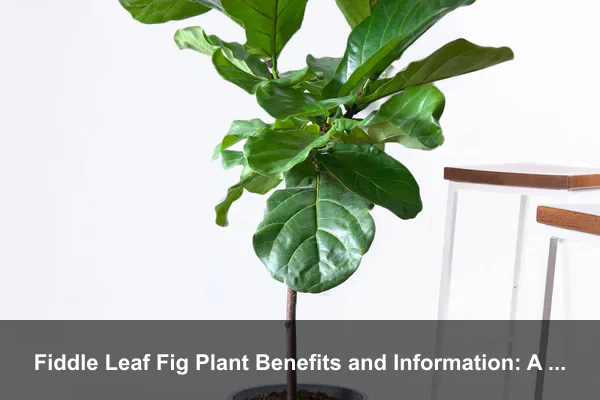
The Fiddle Leaf Fig is one of the most recognizable indoor plants in modern homes, offices, studios, and boutique interiors. Known for its large violin-shaped leaves, bold upright growth, and sculptural presence, this plant is more than a decorative trend. For many plant lovers, it brings a sense of calm, structure, freshness, and natural beauty into daily living spaces.
This guide to Fiddle Leaf Fig plant benefits and information explores what makes this houseplant special, how it supports indoor wellness and design, and what you need to know before growing one. Instead of treating it as just another green plant, we will look at its unique value as a statement plant, its care needs, common problems, safety notes, and practical ways to enjoy it successfully indoors.
What Is a Fiddle Leaf Fig?
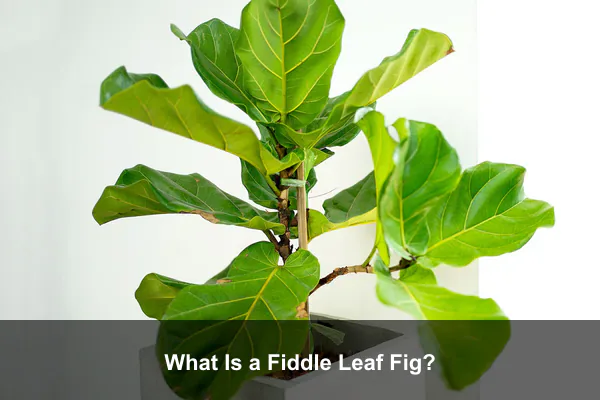
The Fiddle Leaf Fig, botanically known as Ficus lyrata, is a tropical plant native to parts of western Africa. In its natural habitat, it can grow into a tall tree, but indoors it is usually grown as a potted ornamental plant. Its most famous feature is its broad, glossy, fiddle-shaped foliage, which gives the plant its common name.
Unlike smaller tabletop plants, the Fiddle Leaf Fig often works as a vertical focal point. A healthy plant can bring height to a room, soften hard architectural lines, and create a lush visual anchor beside sofas, reading corners, entryways, or large windows.
Key Plant Characteristics
- Botanical name: Ficus lyrata
- Common name: Fiddle Leaf Fig
- Plant type: Tropical evergreen houseplant
- Best use: Indoor statement plant and ornamental foliage plant
- Light preference: Bright, indirect light
- Watering style: Moderate watering after the top soil dries
- Pet safety: Toxic if chewed or ingested by cats, dogs, and humans
Fiddle Leaf Fig Plant Benefits for Indoor Spaces
The benefits of Fiddle Leaf Fig plants are mostly connected to visual comfort, emotional atmosphere, indoor styling, and the broader value of living with greenery. While some people overstate the air-purifying power of houseplants, the Fiddle Leaf Fig still offers meaningful benefits when used realistically.
A Strong Visual Focal Point
One of the biggest benefits of the Fiddle Leaf Fig is its ability to transform a room without adding clutter. Its large leaves and upright form create a bold natural silhouette. This makes it especially useful in minimalist, Scandinavian, tropical, Japandi, and contemporary interiors where one strong plant can replace several smaller decorations.
Supports a Calmer Atmosphere
Living plants can make indoor spaces feel softer and more restorative. The Fiddle Leaf Fig contributes to this effect because its leaves are large enough to be noticed from across the room. For people who spend long hours indoors, the presence of natural forms may help the room feel less sterile and more comfortable.
Improves Biophilic Design
Biophilic design is the idea of connecting indoor environments with nature. A Fiddle Leaf Fig is ideal for this because it brings organic shape, green color, and height into the room. It works well in homes, waiting areas, creative studios, and workspaces where a natural element can make the environment feel more welcoming.
Encourages Mindful Plant Care
Because this plant responds clearly to light, watering, dust, and placement, it encourages owners to observe their environment more closely. Checking soil moisture, rotating the pot, cleaning leaves, and noticing new growth can become a simple routine that adds rhythm and mindfulness to indoor life.
Design Benefits: Why the Fiddle Leaf Fig Feels So Luxurious
The Fiddle Leaf Fig is often used by interior designers because it delivers a strong result with a simple shape. It does not need colorful flowers to look impressive. Its benefit is architectural: the plant adds structure, scale, and a natural vertical line.
Best Places to Display It
Placement is important because this plant needs light and visual space. It looks best where the leaves can spread without being squeezed against walls or furniture.
- Beside a bright window with filtered sunlight
- Next to a neutral sofa or armchair
- In an empty corner that needs height
- Near a desk to soften a work area
- In an entryway with enough natural light
Pot and Styling Ideas
A Fiddle Leaf Fig pairs beautifully with simple containers. Terracotta, matte ceramic, woven baskets, stone-look planters, and neutral pots all work well. Choose a pot that feels sturdy, because the plant can become top-heavy as it grows.
For a clean look, avoid placing too many small objects around the base. Let the leaves and trunk be the main feature. This keeps the plant from competing with other decorations and gives it the quiet elegance it is known for.
How to Care for a Fiddle Leaf Fig Indoors
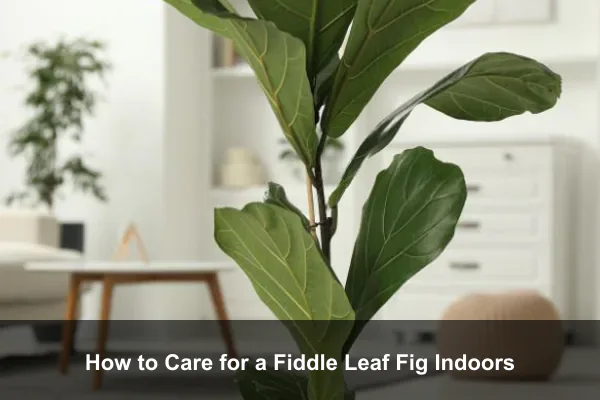
Good Fiddle Leaf Fig care starts with consistency. This plant is not impossible to grow, but it dislikes sudden changes. Moving it repeatedly, overwatering it, placing it in deep shade, or exposing it to cold drafts can lead to leaf drop or brown spots.
Light Requirements
Bright, indirect light is ideal. A Fiddle Leaf Fig can tolerate some gentle morning sun, but harsh afternoon sunlight through glass may scorch the leaves. If the room is too dark, growth may slow, leaves may lean toward the window, and lower leaves may drop.
Rotate the pot every few weeks so all sides receive light evenly. This helps the plant grow straighter and prevents it from becoming one-sided.
Watering Tips
Water when the top two inches of soil feel dry. When watering, soak the soil thoroughly until excess water drains from the bottom, then empty the saucer. The roots should not sit in standing water.
Overwatering is one of the most common problems. Yellowing leaves, soft brown patches, fungus gnats, and a sour soil smell can all be warning signs. Underwatering may cause crispy edges, drooping, or dry soil pulling away from the pot.
Soil and Potting Needs
Use a well-draining indoor potting mix. A blend made for houseplants with added perlite, bark, or pumice can help prevent soggy roots. The container must have drainage holes. Decorative cachepots are fine, but the inner nursery pot should never sit in collected water.
Humidity and Temperature
Fiddle Leaf Figs prefer warm, stable conditions. Keep them away from air-conditioning vents, heaters, cold windows, and frequently opened doors. Average household humidity is often acceptable, but very dry air can contribute to crispy leaf edges.
Common Fiddle Leaf Fig Problems and Solutions
Many Fiddle Leaf Fig issues come from stress. The plant may react to changes in light, watering, temperature, or location. The good news is that most problems can be corrected if you identify the cause early.
Brown Spots on Leaves
Brown spots can be caused by several issues. Dark, soft spots often suggest overwatering or root problems. Dry, crispy brown edges may point to underwatering, low humidity, or sun scorch. Always check the soil before deciding what to do.
Leaf Drop
Leaf drop is common after moving the plant to a new location. It can also happen when the plant receives too little light, too much water, or a cold draft. Avoid reacting by watering more automatically. First check light, soil moisture, and temperature.
Dusty Leaves
The large leaves collect dust easily. Dust blocks light and makes the plant look dull. Wipe leaves gently with a damp cloth every few weeks. This simple habit keeps the foliage glossy and helps the plant photosynthesize more efficiently.
Pests
Watch for spider mites, scale, and mealybugs. Inspect the undersides of leaves and along stems. If pests appear, isolate the plant and treat early with appropriate houseplant-safe methods such as gentle wiping, insecticidal soap, or horticultural oil according to product directions.
Is the Fiddle Leaf Fig Good for Beginners?
The Fiddle Leaf Fig can be grown by beginners, but it is best for beginners who are willing to observe and adjust. It is less forgiving than some low-maintenance plants, yet it is not as difficult as its reputation suggests when placed in the right environment.
If your home has bright natural light and you can avoid overwatering, you have a good chance of success. If your space is dark, cold, or frequently changing, this plant may struggle.
Best Beginner Practices
- Choose a healthy plant with firm leaves and no major spotting.
- Place it in bright, indirect light from the start.
- Let the top soil dry before watering again.
- Avoid moving it from room to room.
- Clean leaves regularly and inspect for pests.
- Use a pot with drainage holes.
Safety Information for Homes with Pets and Children
Fiddle Leaf Fig plants contain a milky sap that can irritate skin and is toxic if ingested. Chewing the leaves may cause mouth irritation, drooling, vomiting, or digestive discomfort in pets. For children, contact with sap can also cause irritation.
If you have cats, dogs, or young children, place the plant out of reach or choose a safer alternative. When pruning or handling damaged leaves, wash your hands afterward and avoid touching your eyes.
Fiddle Leaf Fig vs Other Indoor Plants
Compared with many common houseplants, the Fiddle Leaf Fig stands out because of its size and strong decorative impact. It is not mainly grown for fragrance, flowers, herbal use, or medicinal value. Its role is visual, atmospheric, and architectural.
This makes it different from plants such as basil or mint, which are valued for culinary use, and different from compact plants that sit quietly on shelves. A Fiddle Leaf Fig needs more space, more light, and more attention to placement, but it rewards the owner with a dramatic living feature.
Buying Tips: How to Choose a Healthy Fiddle Leaf Fig
When buying a Fiddle Leaf Fig, look beyond height. A tall plant is not always the healthiest option. Check the leaves, stems, soil, and root area before bringing it home.
- Choose leaves that are firm, green, and upright.
- Avoid plants with many yellow leaves or widespread brown spots.
- Check for pests under leaves and near stems.
- Make sure the trunk feels stable, not loose in the soil.
- Avoid soil that smells rotten or is extremely soggy.
- Pick a size that fits your room and light conditions.
After bringing it home, give the plant time to adjust. Some minor leaf drop can happen after relocation, but stable care usually helps it recover.
Conclusion
The Fiddle Leaf Fig is a beautiful houseplant with benefits that go beyond decoration. It adds height, greenery, visual balance, and a more natural feeling to indoor spaces. Its large leaves make it a strong design feature, while its care routine encourages observation and consistency.
For anyone researching Fiddle Leaf Fig plant benefits and information, the most important point is this: the plant thrives when its needs are respected. Give it bright indirect light, careful watering, stable conditions, clean leaves, and enough room to grow. With the right placement and care, the Fiddle Leaf Fig can become one of the most impressive and rewarding plants in your home.
