
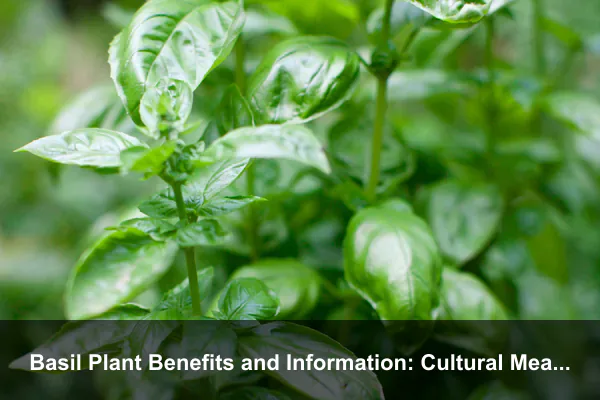
Basil plant benefits and information are often discussed only through recipes, but basil is more than a garnish for pasta or a leaf tossed into soup. It is a living herb with deep cultural roots, a strong sensory identity, and practical value for people who want a useful plant close to the kitchen. In many homes, basil connects gardening, cooking, memory, hospitality, and everyday wellness in a simple, low-cost way.
This article takes a unique angle by looking at basil as a heritage herb: a plant that carries meaning across cuisines and traditions while still being easy enough for beginners to grow in a pot. You will learn what basil is, why people value it, how different types are used, what realistic benefits it offers, and how to enjoy it safely without turning a food herb into an exaggerated health promise.
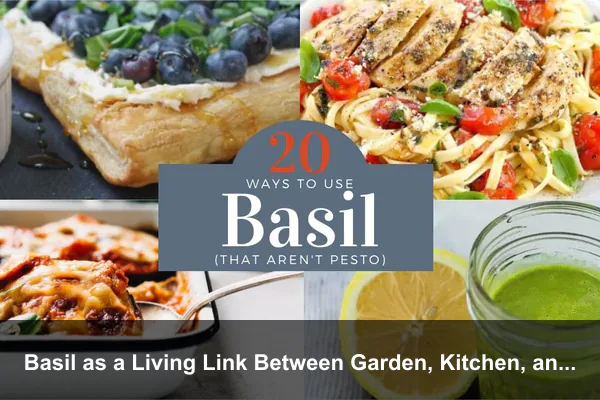
Basil as a Living Link Between Garden, Kitchen, and Culture
Basil belongs to the mint family, Lamiaceae, a group known for aromatic leaves and square stems. The most familiar culinary basil is Ocimum basilicum, often called sweet basil. Other important basils include Thai basil, lemon basil, cinnamon basil, purple basil, and holy basil or tulsi, which is usually associated with Ocimum tenuiflorum or Ocimum sanctum. These plants are related, but they are not always interchangeable in flavor, cultural use, or herbal meaning.
One reason basil has traveled so widely is that it offers something immediate. A single leaf can change the scent of a meal, brighten a simple bowl of rice, or make a small balcony feel productive. Unlike slow-growing shrubs or seasonal flowers that are admired mostly from a distance, basil invites regular contact. You pinch, smell, cook, water, observe, and harvest. That repeated interaction is one of the quiet benefits of growing basil at home.
In Mediterranean cooking, basil is strongly associated with tomato dishes, fresh cheeses, olive oil, and garden abundance. In Southeast Asian cooking, Thai basil adds anise-like fragrance to stir-fries, curries, noodle bowls, and soups. In South Asian cultural and spiritual settings, holy basil or tulsi may be grown with respect as a meaningful household plant. These examples show why basil plant benefits and information should include cultural literacy, not only nutrients and watering instructions.
Key Basil Plant Benefits for Everyday Homes
The most dependable basil benefits are practical, sensory, and culinary. Fresh basil can help make ordinary meals taste brighter, which may encourage more home cooking and more use of vegetables, grains, beans, eggs, fish, or lean proteins. It is also fast-growing in warm weather, so gardeners can enjoy visible progress within weeks instead of waiting an entire season for a reward.
Flavor That Makes Simple Food Feel Complete
Basil has a layered aroma that can seem sweet, peppery, clove-like, citrusy, minty, or licorice-like depending on the type. This makes it useful in meals where you want freshness without heavy sauces. A handful of torn sweet basil can lift roasted vegetables, tomato salad, soup, omelets, beans, or grilled foods. Thai basil can bring depth to spicy dishes because its aroma holds up better under heat than delicate sweet basil.
From a plant benefits perspective, this matters because flavor changes habits. People often reach for excess salt, sugar, or packaged sauces when food tastes flat. Basil gives another option: use fragrance, freshness, and color to make a meal satisfying. That does not make basil a medical treatment, but it does make it a useful support for a more thoughtful kitchen routine.
Aromatic Leaves for a More Engaged Home Garden
Basil is a rewarding plant for people who like plants they can use. Its leaves respond quickly to touch and pruning, and the plant branches when pinched correctly. That gives beginners a clear lesson in how plants grow: remove the top growth at the right time, and the plant produces side shoots. Let it flower too early, and leaf quality often declines. These visible cause-and-effect lessons make basil valuable in family gardens, school gardens, and small apartment herb corners.
Seasonal Flowers for Beauty and Visiting Insects
When basil is allowed to bloom, it produces small flower spikes that can attract bees and other beneficial visitors. Gardeners who want maximum leaf production usually pinch flower buds, but leaving one plant to flower near the end of the season can add beauty and ecological value. This approach respects both sides of basil: it is a kitchen herb and a living member of a garden community.
Choosing the Right Basil for Meaning and Use
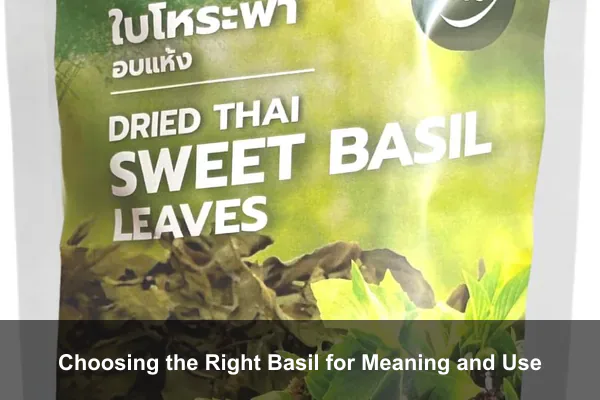
Choosing basil is easier when you start with the purpose. Many people buy the first basil seedling they see, then wonder why the flavor does not match the dish they had in mind. A better approach is to choose basil by its role in your kitchen, garden, and household tradition.
Sweet Basil for Classic Fresh Flavor
Sweet basil is the best-known type for fresh salads, tomato dishes, pesto-style sauces, sandwiches, and finishing warm food after cooking. Its leaves are tender and fragrant, but they bruise easily. It is best added near the end of cooking or used fresh. If your goal is a familiar basil taste for everyday meals, sweet basil is the simplest starting point.
Thai Basil for Heat, Spice, and Stronger Aroma
Thai basil usually has narrower leaves, purple stems, and a stronger licorice or anise note. It is especially useful in dishes that include chili, coconut milk, garlic, fish sauce, soy sauce, lime, or ginger. Thai basil can tolerate brief cooking better than sweet basil, making it a practical choice for stir-fries and soups. It also looks beautiful in containers because the purple stems contrast with green leaves.
Holy Basil for Cultural Respect, Not Casual Substitution
Holy basil, widely known as tulsi, has a special place in many households and traditions. It is often grown for cultural, spiritual, and herbal reasons rather than as a direct substitute for sweet basil. Its flavor can be sharper, warmer, and more clove-like. If you grow tulsi, treat it as its own plant with its own identity. Avoid presenting it as a guaranteed cure for stress, blood sugar problems, or any medical condition. Traditional use is meaningful, but medical claims require stronger evidence than a gardening article can provide.
Lemon, Cinnamon, and Purple Basil for Sensory Variety
Lemon basil brings a citrus note that works well with fish, tea-style infusions, fruit salads, and light soups. Cinnamon basil has a warm spice aroma that can be interesting in desserts, syrups, and ornamental herb beds. Purple basil provides dramatic color, although some varieties are stronger or less sweet than green sweet basil. These specialty types are useful when you want basil to become part of a sensory garden or a heritage cooking project.
How to Grow Basil as a Heritage Herb at Home
Basil is generally beginner-friendly, but it has clear preferences. It likes warmth, bright light, steady moisture, and soil that drains well. It dislikes cold nights, soggy roots, and long periods of neglect. Understanding these basics helps you grow basil as a reliable household herb instead of treating it as a disposable supermarket plant.
Light and Warmth
Most basil grows best with strong sun for much of the day. Outdoors, aim for a bright location that receives at least several hours of direct light. Indoors, basil usually needs the sunniest window available, and in many homes it performs better with a grow light. Basil is sensitive to cold, so wait until nights are reliably warm before moving seedlings outside. A chilly windowsill or cold balcony can slow growth even when the plant looks healthy at first.
Soil and Containers
Use a container with drainage holes and a light potting mix rather than dense garden soil. Basil roots need oxygen as well as water. If the pot holds moisture for too long, roots can weaken and leaves may yellow. A medium-sized pot is usually better than a tiny decorative container because it gives the roots more stable moisture and reduces wilting during hot afternoons.
Watering Rhythm
Water basil when the top layer of soil begins to feel dry, then water thoroughly until excess drains away. Do not let the pot sit in standing water. In hot weather, container basil may need daily attention, while garden basil may need less frequent watering depending on rainfall and soil. The goal is even moisture, not constant wetness.
Pruning for a Fuller Plant
Pruning is not only about harvest. It shapes the plant. Once basil has several sets of true leaves, pinch or cut above a leaf pair to encourage branching. Continue harvesting from the top rather than stripping random large leaves from the bottom. A well-pruned basil plant becomes bushier and more productive. If flower buds appear and you still want leaves, pinch them off early.
Heritage Cooking Ideas That Respect Basil’s Character
Basil is most powerful when used with intention. Instead of adding it automatically to every dish, think about what its aroma can do. Sweet basil gives freshness. Thai basil adds structure to spicy food. Lemon basil lightens rich flavors. Holy basil brings a different, warmer personality that deserves its own context.
Use Basil as a Finishing Herb
For delicate basil types, add leaves at the end of cooking. Tear them by hand or slice them gently with a sharp knife. Heat can dull the aroma, and rough chopping can bruise the leaves. Add basil to warm food just before serving so the fragrance rises with the steam.
- Tomato dishes: Add sweet basil after the sauce has finished cooking.
- Rice and grain bowls: Scatter fresh leaves over the top for aroma and color.
- Soups: Use Thai basil or sweet basil as a final layer, not a long-boiled ingredient.
- Salads: Mix basil with other greens instead of using it only as decoration.
- Egg dishes: Add chopped basil after cooking to keep the flavor bright.
Build Cultural Awareness Through One Plant
A basil pot can become a small doorway into food history. You might grow sweet basil while learning about Italian summer cooking, Thai basil while exploring Southeast Asian herbs, or tulsi while learning why certain plants are treated with reverence in Indian households. The key is respect. Do not flatten every basil into the same generic herb. Names, uses, and traditions matter.
Create a Basil Tasting Practice
If you grow more than one type, taste them side by side. Smell the leaf before chewing. Notice whether the aroma feels sweet, spicy, citrusy, peppery, minty, or floral. Then test each type in a simple food such as plain rice, sliced tomato, clear soup, or scrambled egg. This practice helps you understand basil through experience, not only through descriptions.
Nutrition, Safety, and Realistic Herbal Expectations
Fresh basil contributes small amounts of nutrients because it is usually eaten in modest quantities. It contains vitamin K and various plant compounds, but a few leaves should not be treated like a full serving of vegetables or a dietary supplement. The stronger benefit is that basil helps make fresh food more appealing, which can support better eating patterns over time.
It is also important to separate culinary basil from concentrated products. Eating basil leaves in normal food amounts is very different from using essential oils, extracts, or high-dose supplements. Essential oils are highly concentrated and should not be swallowed unless specifically directed by a qualified professional. They also need caution around children, pets, pregnancy, and sensitive skin.
Medication and Health Considerations
People taking blood-thinning medication should keep vitamin K intake consistent and ask a health professional if they plan major dietary changes. This does not mean basil is forbidden; it means consistency matters. Pregnant or breastfeeding people should treat concentrated basil supplements and essential oils cautiously. Anyone managing a medical condition should avoid replacing prescribed care with herbal claims.
Holy Basil Supplements Need Extra Caution
Holy basil is widely respected in traditional systems, but supplement claims can move faster than evidence. Tea or culinary use is not the same as taking capsules or extracts every day. If you are interested in tulsi for wellness reasons, use balanced judgment, check product quality, and speak with a healthcare professional if you take medication or have a chronic condition.
Food Safety Basics
Wash basil gently under clean running water before use, especially if it was grown outdoors or purchased in bunches. Dry it well because wet leaves spoil faster. Discard leaves that are slimy, moldy, or strongly off-smelling. If you make basil oil at home, store it safely and do not keep fresh herbs submerged in oil at room temperature. Fresh herb-in-oil mixtures can create food safety risks if handled carelessly.
How Basil Supports a More Thoughtful Home Routine
One underrated basil benefit is the routine it creates. A basil plant asks for light, water, pruning, and harvest. These tasks are small, but they can anchor a daily habit. Checking the plant in the morning, turning the pot toward the light, pinching a few leaves for lunch, and noticing new growth can make home gardening feel approachable rather than overwhelming.
Basil is also useful for reducing small forms of waste. Instead of buying a large plastic pack of herbs and using only a few leaves, a home plant lets you harvest what you need. Leftover stems can flavor broth briefly, older leaves can be blended into sauces, and flowering stems can be left for beauty if leaf harvest is no longer the priority. This does not make basil a complete sustainability solution, but it is a practical step toward more intentional household use.
A Plant for Small Spaces
Basil does not require a large garden. A sunny balcony, windowsill with enough light, patio step, or raised planter can be enough. The main challenge in small spaces is consistency. Small pots dry quickly, and indoor plants may stretch if light is weak. Choose a pot with enough room, rotate it if it leans, and harvest regularly to keep growth compact.
A Plant for Shared Meals
Basil has a social quality. It is easy to share cuttings, seedlings, recipes, and bunches of fresh leaves. A plant on the table or near the kitchen can become part of how a household cooks together. Children can smell different leaves, adults can compare flavors, and guests can recognize the freshness in a meal. These are simple benefits, but they are part of why herbs remain beloved across cultures.
Common Questions About Basil Plant Benefits and Information
Is basil an indoor plant or an outdoor plant?
Basil can grow indoors or outdoors, but it usually grows more vigorously outdoors in warm, bright conditions. Indoors, it needs strong light and careful watering. If your indoor basil becomes thin and pale, lack of light is the most likely reason.
How often should basil be harvested?
Harvest small amounts often once the plant is established. Regular pinching encourages branching and delays flowering. Avoid removing more than about one third of the plant at one time unless it is large and healthy.
Can basil flowers be eaten?
Basil flowers are generally edible, and their flavor can be stronger or sharper than the leaves. Use them sparingly in salads or as a garnish. If your main goal is tender leaves, remove flower buds before they fully open.
Why does basil turn bitter?
Basil may taste harsher when the plant is stressed, old, flowering, or exposed to difficult growing conditions. Heat, drought, poor pruning, and delayed harvest can all affect leaf quality. Growing a new succession plant can help keep the harvest tender.
Is basil safe for pets?
Culinary basil is generally considered less concerning than many ornamental houseplants, but pets can still get stomach upset from chewing too much plant material. Keep essential oils away from pets, and ask a veterinarian if your animal eats a large amount or shows symptoms.
Factual Notes and Source Links
Factual note: Nutrition and basic growing details in this article were checked against USDA FoodData Central (https://fdc.nal.usda.gov/) and University of Minnesota Extension basil guidance (https://extension.umn.edu/vegetables/growing-basil). Caution about supplement-style claims for holy basil follows evidence-focused consumer guidance from Merck Manual (https://www.merckmanuals.com/home/special-subjects/dietary-supplements-and-vitamins/holy-basil).
Conclusion
Basil plant benefits and information become more meaningful when the plant is understood as both useful and cultural. Basil can season food, teach beginner gardening, support small-space growing, offer fragrance, attract attention to fresh ingredients, and connect households with culinary traditions from different parts of the world. Its value is not limited to one recipe or one health claim.
For the best results, choose the basil type that fits your kitchen and values, give it warmth and bright light, prune it often, and use the leaves with respect for their aroma. Whether you grow sweet basil for summer meals, Thai basil for spicy cooking, lemon basil for fragrant experiments, or holy basil for cultural significance, basil remains one of the most rewarding herbal plants to keep close to home.
