
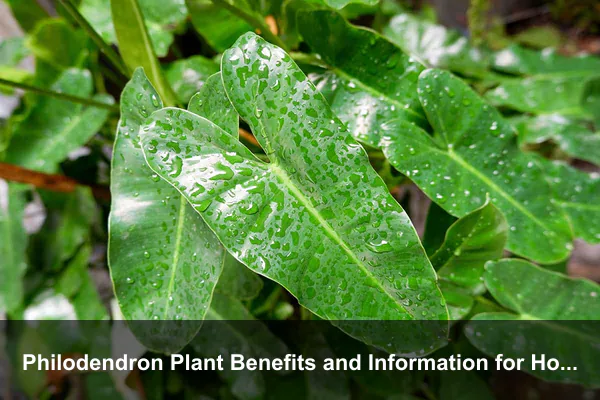
Philodendrons are among the most adaptable houseplants for modern homes, not because they promise dramatic miracles, but because they quietly improve the way a room feels, functions, and connects people with daily plant care. If you are looking for Philodendron plant benefits and information, the most useful angle is not only how beautiful the leaves look, but how this plant supports calmer routines, better indoor greenery habits, and flexible decorating in small or large spaces.
In the context of manfaat tanaman, or plant benefits, philodendrons stand out as practical ornamental plants. They can soften hard interiors, create a fresher visual atmosphere, and give beginners a forgiving plant to learn from. This guide focuses on the everyday value of philodendrons for home wellness, plant confidence, placement strategy, and responsible indoor growing, while keeping the advice realistic and easy to apply.
Why Philodendrons Are Valued as Everyday Houseplants
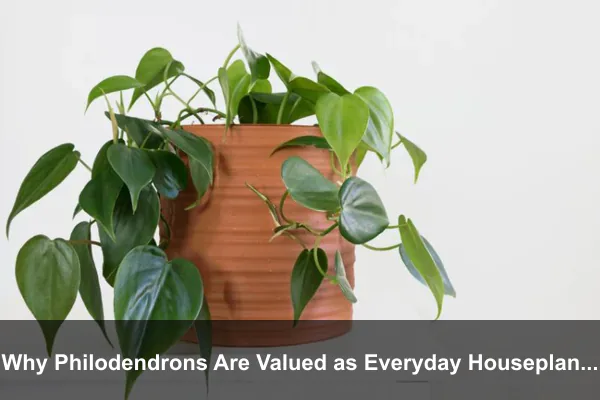
The first benefit of a philodendron is its balance between beauty and tolerance. Many indoor plants look impressive but quickly decline when conditions are not perfect. Philodendrons are different. They generally adapt well to average household humidity, indirect light, and occasional watering mistakes, making them a reliable choice for people who want indoor greenery without a complicated routine.
Philodendrons also bring strong visual identity. Their leaves may be heart-shaped, elongated, deeply lobed, glossy, velvety, or boldly variegated depending on the species or cultivar. This gives homeowners options without needing to leave the philodendron family. A trailing philodendron can soften a bookcase, while an upright or climbing form can add structure near a window or workspace.
A plant that fits real homes
A useful houseplant must fit real schedules. Philodendrons are popular because they do not demand constant attention. They can usually recover from brief neglect more easily than many delicate tropical plants. That makes them suitable for apartments, bedrooms, offices, rented rooms, and busy households where plant care needs to be simple and repeatable.
Emotional value beyond decoration
Caring for a philodendron can create a small but meaningful daily ritual. Checking new leaves, rotating the pot, wiping dust, or training vines up a support gives you a reason to pause. This routine is one of the underrated benefits of indoor plants: they help people slow down and notice small changes in their environment.
Key Philodendron Benefits for Indoor Living
Philodendron benefits are best understood as a combination of visual, environmental, and lifestyle advantages. They are not a substitute for ventilation, cleaning, or medical wellness practices, but they can make indoor spaces feel more alive and comfortable.
- Visual freshness: Large or trailing leaves can reduce the sterile feeling of plain walls, shelves, and corners.
- Beginner confidence: Their forgiving nature helps new plant owners learn watering, light reading, pruning, and propagation.
- Flexible placement: Many philodendrons grow well in bright indirect light and can adapt to moderate indoor conditions.
- Biophilic comfort: Greenery can make rooms feel calmer, warmer, and more connected to nature.
- Decor versatility: Philodendrons work in minimalist, tropical, modern, rustic, and workspace interiors.
Air quality: what to expect realistically
Philodendrons are often discussed as air-supporting plants because indoor greenery can contribute to a fresher atmosphere. However, it is important to be realistic. A few houseplants will not replace open windows, proper ventilation, or air filtration. Their stronger everyday benefit is the way they encourage cleaner, more mindful rooms. A plant owner is more likely to dust leaves, open curtains, monitor humidity, and keep a space organized.
Humidity and comfort
Philodendrons are tropical plants, so they often appreciate moderate humidity. While one plant will not transform a dry room, a group of healthy houseplants can slightly improve the feeling of a plant corner. More importantly, they remind owners to pay attention to overly dry indoor air, especially in air-conditioned rooms.
Understanding Philodendron Growth Habits
One of the most useful pieces of philodendron information is that not all philodendrons grow the same way. Understanding their growth habit helps you choose the right plant for the right location and prevents frustration later.
Trailing philodendrons
Trailing forms, such as heartleaf-style philodendrons, produce vines that spill from shelves, hanging baskets, or tall planters. They are ideal for small spaces because they add greenery vertically without using much floor area. They can also be pruned easily to keep them compact.
Climbing philodendrons
Many philodendrons naturally climb trees in their native tropical habitats. Indoors, they benefit from moss poles, coir poles, trellises, or simple stakes. When given support, climbing philodendrons often produce larger, more mature-looking leaves over time. This makes them useful for creating a living vertical feature in a room.
Self-heading philodendrons
Some philodendrons grow in a more upright, rosette-like shape rather than long vines. These are good for corners, plant stands, or floor planters. They create a bold, sculptural effect without needing a long trailing display.
Best Places to Use Philodendrons at Home
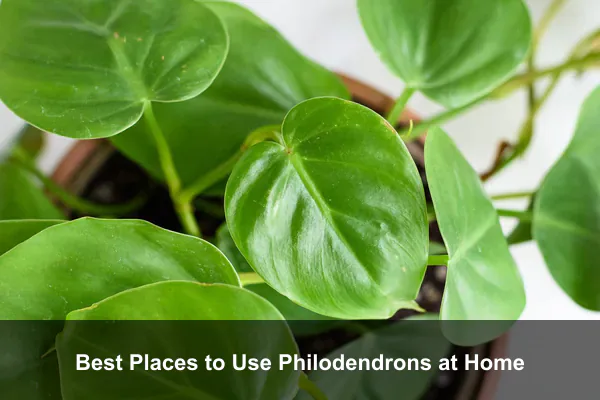
Good placement improves both plant health and room design. The goal is to place the philodendron where it receives suitable light, remains easy to water, and adds something useful to the space.
Living room
The living room is often the easiest place for a philodendron because it usually has brighter indirect light and more display options. A trailing philodendron can sit on a shelf, while a climbing philodendron can stand near a bright window with filtered light. Keep leaves away from harsh afternoon sun, which may scorch sensitive foliage.
Bedroom
In a bedroom, philodendrons can create a softer and more restful atmosphere. Choose a compact plant for a bedside table or a hanging vine near a window. Avoid overcrowding the room with too many plants if airflow is poor, and keep the plant out of reach of pets or children.
Home office
A philodendron near a desk can make a workspace feel less rigid. The best option is usually a small trailing plant or a tidy upright variety that does not interfere with papers, cables, or equipment. A healthy green plant can also serve as a visual break during screen-heavy work.
Bathroom
A bathroom with bright indirect light can be a strong location because humidity is often higher. However, a windowless bathroom is not suitable for long-term growth unless you provide a proper grow light. Humidity alone cannot replace light.
Simple Care Principles That Protect the Benefits
The benefits of a philodendron are strongest when the plant is healthy. Fortunately, care is usually straightforward. Instead of following a rigid calendar, learn to read the plant and the potting mix.
Light
Most philodendrons prefer bright, indirect light. They can often tolerate lower light, but growth may slow, stems may stretch, and variegated leaves may lose contrast. Direct harsh sun can burn leaves, especially through hot windows.
Water
Water when the top part of the soil begins to dry. For many homes, this means checking once a week, but the exact schedule depends on pot size, season, light, humidity, and soil mix. Overwatering is more dangerous than slight underwatering because soggy roots can rot.
Soil
A chunky, well-draining potting mix is best. A good blend may include indoor potting mix, orchid bark, perlite, coco chips, or similar materials that hold some moisture but allow air around the roots. Heavy, compact soil should be avoided.
Pruning
Pruning helps control shape and encourages fuller growth. Cut just above a node, which is the small point where leaves and roots can emerge. Healthy cuttings can often be propagated, making pruning both a care task and a way to grow new plants.
Propagation as a Practical Benefit
Propagation is one of the most satisfying philodendron benefits. Many varieties can be multiplied from stem cuttings, making them budget-friendly and shareable. This is especially helpful for beginner gardeners because it teaches plant structure in a direct, hands-on way.
- Choose a healthy stem with at least one node.
- Cut below the node with clean scissors or pruners.
- Place the cutting in water or a light propagation medium.
- Keep it in bright indirect light.
- Move it to soil once roots are established.
Propagation also makes plant ownership more sustainable. Instead of buying more plants constantly, you can renew leggy plants, create fuller pots, or share cuttings with friends. This adds social value to the plant and makes your collection feel more personal.
Safety Information for Responsible Homes
Philodendrons are beautiful, but responsible ownership matters. Most philodendrons contain calcium oxalate crystals, which can irritate the mouth, throat, and digestive system if chewed or swallowed. This is especially important for homes with cats, dogs, toddlers, or curious children.
Place philodendrons on higher shelves, hanging planters, plant stands, or rooms where pets do not have access. If a pet or child chews the plant and shows symptoms such as drooling, mouth irritation, vomiting, or distress, contact a veterinarian or medical professional promptly.
Safe handling habits
- Wash hands after pruning or handling sap.
- Use gloves if you have sensitive skin.
- Clean fallen leaves quickly.
- Do not place cuttings in drinking glasses that may confuse children.
- Label propagated cuttings if you share them with others.
Common Problems and What They Mean
Philodendrons communicate through their leaves, stems, and soil condition. Learning these signs helps you fix small issues before they become serious.
Yellow leaves
Yellow leaves can happen for many reasons, but overwatering is a common cause. Check whether the soil is staying wet for too long. If the pot has no drainage hole, move the plant to a better container. Occasional older yellow leaves are normal as the plant grows.
Brown tips
Brown tips may be linked to dry air, inconsistent watering, fertilizer buildup, or water quality. Trim damaged tips if needed, but focus on improving the routine rather than only removing the symptom.
Leggy growth
Long spaces between leaves usually mean the plant wants more light. Move it closer to a bright window with indirect light, or use a grow light if natural light is limited.
Pests
Philodendrons can attract common houseplant pests such as spider mites, mealybugs, scale, or fungus gnats. Inspect leaf undersides and stems regularly. Early treatment with wiping, isolation, and appropriate plant-safe controls is much easier than treating a large infestation.
Choosing the Right Philodendron for Your Lifestyle
The best philodendron is not always the rarest or most expensive one. It is the plant that matches your light, space, time, and safety needs. A busy beginner may be happier with a resilient green trailing philodendron than a high-maintenance collector variety.
For beginners
Choose a hardy, common philodendron with green leaves. These are usually more forgiving, easier to replace, and less stressful to learn with. They are excellent for understanding watering and pruning basics.
For small spaces
Pick trailing or compact varieties. Use vertical surfaces, wall hooks, or shelves so the plant adds greenery without taking over the floor. Regular pruning keeps the plant neat.
For plant collectors
Collectors may enjoy unusual leaf shapes, textures, or variegation. These plants may need more attention to light, humidity, and potting mix. Before buying, research the mature size and care demands so the plant remains manageable.
How Philodendrons Support a More Mindful Plant Routine
A philodendron can become a simple teacher. It shows the effect of light through leaf spacing, the effect of watering through leaf firmness, and the value of patience through slow unfurling growth. This makes it more than a decorative object. It becomes a living part of the home.
For people building a greener lifestyle, philodendrons can encourage habits that extend beyond one plant. You may become more aware of natural light, indoor humidity, composting old plant material, reusing nursery pots, or sharing cuttings locally. These small habits support the wider idea of plant benefits in daily life.
Conclusion
Philodendrons offer a practical mix of beauty, adaptability, and everyday wellness value. Their benefits include visual freshness, beginner-friendly care, flexible placement, propagation opportunities, and a calming connection to living greenery. They are not magic air cleaners or maintenance-free objects, but they are dependable houseplants that can make indoor spaces feel healthier, softer, and more intentional.
When choosing a philodendron, focus on your real conditions: light, space, time, and household safety. Give it bright indirect light, a well-draining mix, careful watering, and responsible placement away from pets or children. With those basics in place, the philodendron becomes one of the most rewarding indoor plants for long-term home enjoyment.
